


We may earn a commission when you buy through links on this page, at no extra cost to you. Learn more.
Rosé food pairing is one of the most flexible matches in wine, because pink wines have the freshness of white wine and some of the structure of red. Dry rosé works with Mediterranean dishes, grilled meats, seafood, pizza, and takeout. Sweeter pink wines suit spicy food and fruit desserts. Serve it cool rather than warm.
Rosé sits between red and white in both color and character. It is made from black grapes, but the juice spends only a short time with the skins, so it picks up pink color and light fruit without the heavy tannin of most reds. That balance makes it a good partner for a wide range of food. This guide explains which dishes suit rosé, how dry and sweet styles differ at the table, and where most pairings go wrong.
How Rosé Gets Its Character
Rosé is usually made in one of three ways. In the most common method, black grapes are crushed and left on their skins for a short period, often a few hours, before the juice is pressed off. The longer the skins stay in contact, the deeper the color. Some producers also bleed off a portion of juice early from red wine fermentation, and that juice is fermented separately as rosé. Blending red and white wine is rare and banned in most regions, including France outside Champagne.
The result is a wine with a wide color range, from pale onionskin orange to nearly purple. Flavor follows the grape and the winemaking. Strawberry, watermelon, citrus, and herbs are common, and the best dry examples often show a savory, mineral edge that helps them match food.
Dry Rosé and Sweet Pink Wine at the Table
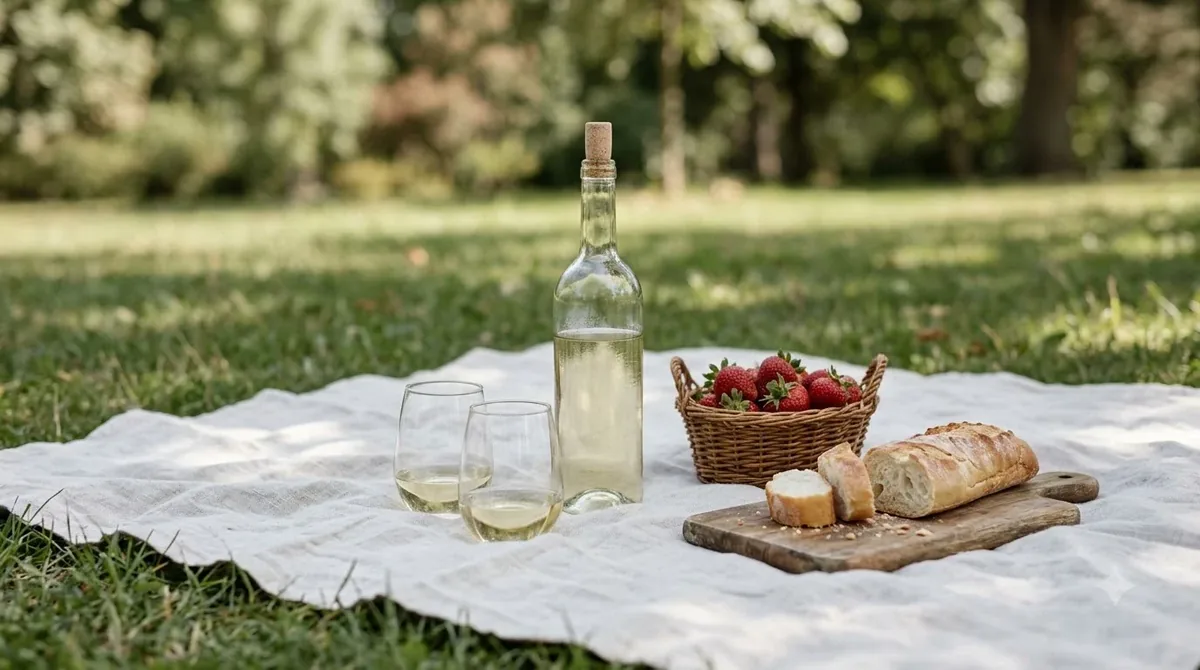
The most important distinction is between dry rosé and sweeter pink wines. Dry styles, such as the rosés of Provence, have crisp acidity and little residual sugar, so they can handle salty, oily, and savory food. Sweeter pink wines, including many blush-style bottles, have a softer finish and work better with spicy dishes and fruit desserts.
When you read a label, look at the style rather than the color alone. A pale rosé is not always dry, and a deeper pink wine is not always sweet. If the label or the producer’s description says dry, plan for savory food. If it describes the wine as off-dry or sweet, plan for spicy or sweet dishes.
| Rosé style | What it tends to be | Best food matches |
|---|---|---|
| Dry Provençal | Crisp, savory, light body | Aioli, grilled fish, bouillabaisse, Mediterranean salads |
| Full-bodied dry | Deeper color, richer fruit | Grilled chicken, pork chops, burgers |
| Sparkling rosé | Bright bubbles, fresh acidity | Fried food, oysters, charcuterie |
| Sweet or blush | Soft fruit, low acidity | Spicy Thai or Szechuan food, fruit desserts |
Tip: A dry rosé is the safest choice for a mixed table, since its acidity can cover salad, seafood, and spicy dishes without overpowering them.
Mediterranean Food and Seafood
Dry rosé has long been paired with Mediterranean cooking. In Provence, the traditional matches include garlicky aioli, bouillabaisse, grilled fish, and vegetable dishes with olive oil and herbs. The wine’s acidity suits the olive oil, and its light fruit complements the herbs and seafood without weighing them down.
Raw and lightly cooked seafood also work well. Grilled shrimp, salmon, sea bass, and crab cakes all suit a crisp dry rosé. Choose a lighter style for delicate fish and a fuller one for richer preparations, such as salmon with a buttery sauce.
Salads with goat cheese, citrus, or vinaigrette are another easy match. The wine’s acidity follows the dressing, and its fruit echoes the berries or citrus in the salad.
Pizza, Pasta, and Takeout
Rosé is one of the easiest wines to serve with casual food. Wine writers at VinePair describe rosé as a strong match for pizza, pasta, and Asian takeout, which makes it a good default for casual nights in. Its fruit and acidity handle tomato sauce, cheese, and cured meat without the heaviness that a big red can bring.
Tomato-based pasta and margherita pizza are the simplest choices. A dry rosé keeps the tomato bright, while a slightly fuller pink wine can stand up to a meat-heavy pie. For cream sauces, choose a wine with a little more body so it does not disappear next to the butter and cheese.
Spicy Food, Asian Dishes, and Latin Flavors
Rosé is often the best wine for spicy food. Its fruit softens the heat of chili, and its acidity cleans the palate between bites. Thai, Vietnamese, Szechuan, and Korean dishes all pair well with a fruit-forward pink wine, especially a slightly sweeter bottle that balances the spice.
VinePair has noted that younger diners eating Asian and Latin food often choose rosé over chardonnay or cabernet, and the same reasoning applies at home. A chilled rosé with tacos, grilled peppers, or a spicy noodle bowl usually works better than a red wine with heavy tannin, which can make chili taste harsher.
Grilled Meats and Heartier Dishes
Full-bodied rosés can handle grilled food. Burgers, pork chops, and grilled chicken are reasonable matches for a deeper dry pink wine, particularly when the meat has a smoky or charred flavor. The wine’s fruit balances the char, and its acidity keeps the richness from feeling heavy.
Vegetables cooked over an open flame, such as charred peppers, eggplant, and corn, pair naturally with the same deeper dry rosés. The smoke in the vegetables and the fruit in the wine meet in the middle, and the wine’s acidity keeps the dish lively during a long outdoor meal.
Avoid very rich braises or heavy cream sauces with a light rosé, since the wine can taste thin next to them. In those cases a light white or a lighter red usually makes a better choice.
Desserts with Rosé
Sweeter rosés suit fruit-based desserts. Strawberry shortcake, peach tart, and fresh berries with cream are natural partners, since the wine’s fruit mirrors the dessert. A dry rosé is less suited to sweet food and can taste sharp next to sugary cake.
Chocolate desserts are the exception to avoid with most rosé. Rich chocolate can make a dry pink wine taste thin, so pick a fruit dessert instead when you are serving pink wine.
Frequently Asked Questions
What is the best food to pair with rosé?
Dry rosé pairs well with Mediterranean food, grilled fish, salads, pizza, and pasta. Its acidity and fruit balance a wide range of savory dishes, which is why it works for many casual meals.
Does rosé go with spicy food?
Yes. Fruit-forward rosé is a good match for chili heat, especially Thai, Szechuan, and Korean dishes. A slightly sweeter pink wine handles spice best, because its sugar softens the heat.
Can you serve rosé with red meat?
A full-bodied dry rosé can work with grilled or smoky meat, such as burgers and pork chops. It is less suited to very rich, braised dishes, where a light red or a white wine usually fits better.
Should rosé be served warm or cold?
Serve rosé cool rather than warm. A cool glass keeps the fruit fresh and the acidity crisp, which helps the wine match food. Warm rosé tends to taste flat and heavy.
Rosé is a practical wine for the table. Start with a dry bottle for savory dishes, choose a sweeter pink wine for spice and fruit desserts, and keep the serving cool. For more pairing ideas, see the wine pairing guide, or compare with Chianti food pairing if you want a red wine for heartier Italian dishes. For the dessert side, dessert wine food pairing covers sweeter options. For how rosé is made and where the main styles come from, the VinePair rosé guide is a useful reference.
More in Food & Wine Pairing
 Risotto With White Wine Recipe: Make a Creamy Dinner at HomeUpdated Nov 20, 2026
 Wassail With Wine Recipe for a Festive Spiced Holiday DrinkUpdated Nov 20, 2026
 Spritz Veneziano Recipe: Make a Classic Venetian Aperitivo at HomeUpdated Nov 20, 2026
 Summer Wine Punch Recipe for Easy Homemade EntertainingUpdated Nov 20, 2026
 Bishop Recipe: How to Make a Bright, Citrus-Forward Red Wine CocktailUpdated Nov 20, 2026
 Wine Cupcakes Recipe: Bake Rich Chocolate Cupcakes at HomeUpdated Nov 20, 2026