

We may earn a commission when you buy through links on this page, at no extra cost to you. Learn more.
Bollinger wine is Champagne from the Bollinger house in Aÿ, France, a producer founded in 1829 and built around Pinot noir. Its best-known bottle, the non-vintage Special Cuvée, blends Pinot noir, Chardonnay and Pinot Meunier into a rich, toasty style. The house also makes vintage Champagnes and one still red, so bollinger wine covers more than a single bottle.
This guide covers where the house came from, how its blends are built, which bottles are worth knowing, and how to serve and pair them. If you are comparing producers, our guide to wine brands shows how houses differ in style and tier, and it is a useful next read before you buy.
What Bollinger wine is
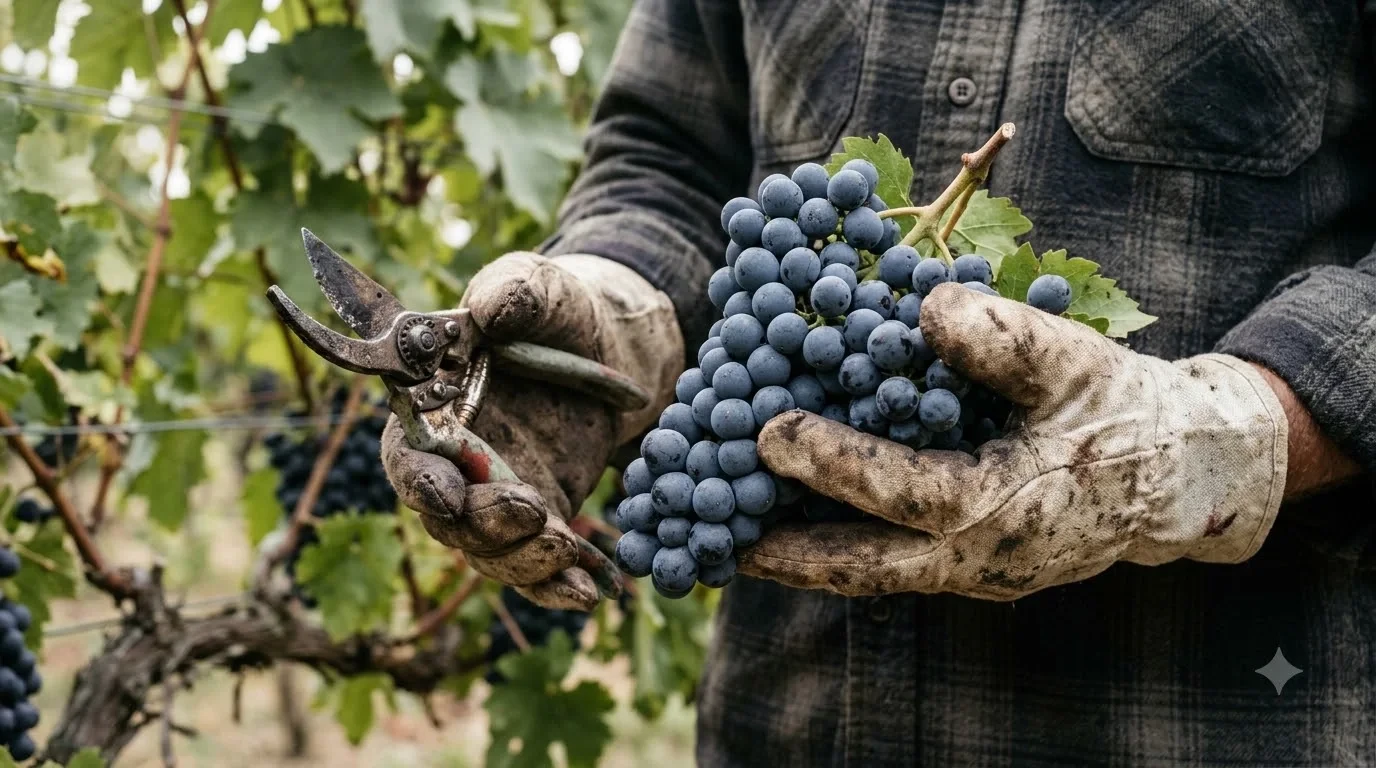
Champagne Bollinger is a family-managed house in Aÿ, in the Marne department of France. It was founded in 1829 by Hennequin de Villermont, Paul Renaudin and Jacques Bollinger, and the Bollinger family still runs it. The house owns about 160 hectares of vineyards, most of them planted to Pinot noir, and that grape sets the character of the wines.
Critic Tom Stevenson describes the house as making “classic, Pinot-dominated Champagnes of great potential longevity and complexity.” In practice that means full, round sparkling wines with a toasty edge, rather than the lean, bright style some other houses favor. When shoppers search for bollinger wine, they usually want these Champagnes, not a table wine from a different producer.
The house name also carries across a range of bottlings, from the everyday non-vintage blend to prestige vintages. Knowing which bottling you are holding matters more than the brand name alone, because the taste and the price can differ a lot from one release to the next.
Grapes and house style
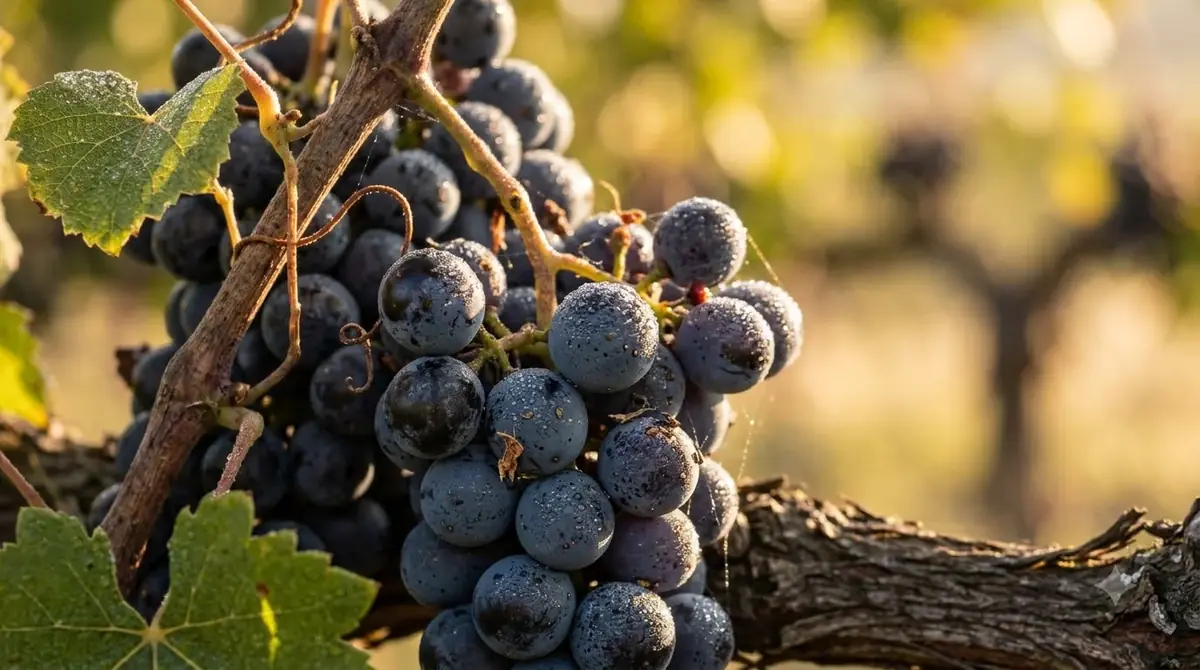
Bollinger’s blends draw on three grapes. Pinot noir gives the wine body and red fruit, Chardonnay adds lift and citrus freshness, and Pinot Meunier contributes soft, ripe fruit. The proportions change from one bottling to the next, which is how the house keeps a recognizable style across different releases.
| Grape | Role in the blend | What it adds to the glass |
|---|---|---|
| Pinot noir | Backbone of most blends | Body, red fruit and depth |
| Chardonnay | Freshness and lift | Citrus notes and crisp acidity |
| Pinot Meunier | Fruit and softness | Round, ripe character |
The result is a sparkling wine that reads as generous and structured at once. Younger bottles tend to show bright fruit and fresh bread notes, while older vintages can move toward nutty, honeyed tones. These are general descriptions of the style, and each release has its own balance, so use them as a guide rather than a promise.
The Special Cuvée and the core blend
The Special Cuvée is the non-vintage flagship and the center of the house style. According to the Wikipedia entry on the house, it blends wines from one year with up to 10% reserve wines, some of them up to fifteen years old. The wine is aged on its lees for at least five years before release. A typical composition is about 60% Pinot noir, 25% Chardonnay and 15% Pinot Meunier.
Because it is non-vintage, the Special Cuvée aims to taste consistent from one year to the next. That makes it the bottle most people meet first, and the reference point for the rest of the range. If you want one bottle to learn the house style, this is the place to start, and you can compare later bottlings against it.
Vintage Champagnes and the still red
Vintage Champagnes come from a single harvest, and the house releases them only in years it considers strong. The Wikipedia entry names several vintage and prestige bottlings, including Grande Année, R.D. and Vieilles Vignes Françaises. Each one takes you further into the range, with more time on lees and more layered flavor, though they also ask for more patience and a bigger budget.
The house also makes one still wine, a red called Coteaux Champenois La Côte aux Enfants, from grapes grown on a south-facing slope in Aÿ. Still reds from the Champagne region are uncommon, so this bottle appeals more to people who already know the house than to casual buyers looking for a weeknight wine.
How to serve Bollinger
Serve the sparkling bottles well chilled but not ice cold, so the aromas have room to open. A tulip-shaped glass or a standard white wine glass holds the bubbles and aromas better than a wide, shallow saucer. Open the bottle slowly and pour in one steady motion to keep the foam manageable.
For the still red, the general guidance for Pinot-style reds applies. Wine Folly’s profile of Pinot Noir suggests serving reds of that style at about 55 to 60°F, slightly cooler than room temperature, and giving young bottles around 30 minutes of air. That guidance comes from a grape guide rather than from the producer, so treat it as a starting point and adjust to taste.
Food pairing for Bollinger
The Special Cuvée’s toasty, creamy profile suits roast chicken, lobster or crab with butter, and fried foods such as tempura. Its acidity also cuts through salty snacks like fried potatoes, which makes it a natural choice for an appetizer course at a party. A vintage bottle with more depth can handle richer dishes, including mushroom risotto and aged cheeses.
The still red suits roasted meats and earthy mushroom dishes, the same way many Pinot-style reds do. A simple rule works well for both styles: match the weight of the food to the weight of the wine, so lighter dishes go with the sparkling bottles and richer dishes go with the bigger, more structured ones.
How to choose a Bollinger bottle
Start with the non-vintage Special Cuvée if you want a dependable house-style Champagne for everyday celebrations or as a gift. Choose a vintage bottle when you want to taste a specific year or when you plan to drink it with a more serious meal. If you are stocking a table for a group, one non-vintage and one vintage bottle lets guests compare the house at two levels without much extra effort.
Check the label for the bottling name, the vintage year and the style. Keep the bottle cool and out of direct light until you serve it, and drink non-vintage bottles within a reasonable window rather than holding them indefinitely. If you also like reds from other producers, our Antinori red wine guide and the Aveleda wine page are good comparisons for a still bottle.
Frequently Asked Questions
Is Bollinger wine real Champagne?
Yes. Bollinger is a Champagne house in Aÿ, France, and its sparkling wines carry the Champagne name. The name is protected, so only sparkling wines made in the Champagne region under its rules can use it.
What is the Bollinger Special Cuvée?
It is the non-vintage flagship blend of Pinot noir, Chardonnay and Pinot Meunier. It is aged on its lees for at least five years, according to the Wikipedia entry on the house, and it is the bottle that defines the house style.
Is Bollinger a good first Champagne?
It is a common first choice for people who want a traditional, toasty style. Serve it well chilled, pour it with food such as roast chicken or fried dishes, and compare it with another house if you want to learn how styles differ.
Does Bollinger make red wine?
Yes, but only one still red, Coteaux Champenois La Côte aux Enfants, from grapes grown in Aÿ. Most of the house’s wines are sparkling, so most buyers will be choosing a Champagne rather than a red.
Bollinger wine rewards a slow pour and a good meal. Start with the Special Cuvée to learn the house style, then move to a vintage bottling when you want to explore the range more fully.
More in Wine Brands
 Underwood Wine Price: Compare Bottles, Cans, and Pack SizesUpdated Nov 21, 2026
 Zenato Wine Price: Compare Styles and Choose the Right BottleUpdated Nov 21, 2026
 Zuccardi Wine Price: Compare Bottles and Find the Right RangeUpdated Nov 21, 2026
 Yellow Tail Moscato Review: Taste, Sweetness and Serving TipsUpdated Nov 21, 2026
 Wolf Blass Yellow Label Review: Choose Your Best StyleUpdated Nov 21, 2026
 Wolffer Estate Rose Review: Choose the Right Bottle for Your TableUpdated Nov 21, 2026