

We may earn a commission when you buy through links on this page, at no extra cost to you. Learn more.
Meerlust wine is made at Meerlust Estate in Stellenbosch, South Africa, a historic family property that the Myburgh family has owned since 1756. The estate is best known for Rubicon, a Bordeaux-style red blend, and it also makes Merlot, Pinot Noir and Chardonnay from grapes grown on its own land. It suits buyers who want a structured South African red with a clear sense of place.
Shoppers who see the Meerlust name on a shelf often wonder whether it is a single bottle or a full producer with a range. This guide explains the estate behind the wines, the main bottlings, how the vineyard setting shapes them, and how to serve and pair them. The history and wine details come from the estate’s own website, and where a detail is not stated there, the text keeps to general description.
Where Meerlust Comes From
Meerlust sits on Baden Powell Drive in Stellenbosch, one of the best-known wine districts in South Africa. According to the estate’s own website, the property has been owned by the Myburgh family since 1756, and the estate is described as a seventeenth-century national monument. A family line that long means the same people have shaped the vineyards and the cellar over many decades, and that continuity is a large part of the brand’s identity.
The site names Hannes Myburgh, described as the eighth generation of the family, as the person who now oversees winemaking. That detail is useful for a buyer because it explains why the estate talks about its wines in terms of place and family rather than marketing slogans. Readers who want a wider view of how family-owned producers build their names can look at the wine brands guide, which covers how producers are presented to shoppers.
The Wines Meerlust Makes
The lineup is small and organized around a few core wines. The most recognized is Rubicon, a Bordeaux-style blend. Alongside it, the estate produces Merlot, Pinot Noir and Chardonnay, and the estate says all of its wines are made from grapes grown on the property.
Rubicon is the reference point for the brand. Bordeaux-style blends are usually built from a mix of classic red varieties, led by Cabernet Sauvignon and Merlot, with smaller shares of other grapes added for structure and aroma. That is the style most people expect when they see the name, so it is the best place to start if you already like Left Bank Bordeaux or similar reds.
The single-variety wines are easier to place on a shopping list. The Merlot is the red most people will recognize from the name alone. The Pinot Noir gives a lighter, more delicate red style with fresher acidity, and the Chardonnay gives the estate a white option for buyers who prefer white wine at dinner. The table below sums up the range in general terms, not as tasting notes from the estate.
| Wine | Style | How to approach it |
|---|---|---|
| Rubicon | Bordeaux-style red blend | A structured red for rich food and a longer dinner |
| Merlot | Single-variety red | Round red fruit that works for everyday meals |
| Pinot Noir | Lighter red | Fresh acidity, good with salmon or mushroom dishes |
| Chardonnay | White | A food-friendly white for roast chicken or creamy sauces |
Tip: If you are only going to open one Meerlust bottle, choose the wine that matches your meal. A bold red for a roast is a different job from a white for a seafood starter.
Where the Grapes Grow
The vineyard setting is the core of the estate’s story. The estate describes its wines as terroir-driven, shaped by cooling coastal breezes and granitic soils, and it credits that position for the complexity it aims for in the glass. Stellenbosch sits in the Cape wine region, where cooler air from the coast reaches the vineyards and slows ripening compared with warmer inland districts.
Granitic soils drain well and tend to push vines to work for their nutrients, which can concentrate flavor in the fruit. That is a general viticultural point rather than a figure from the estate, but it helps explain why the estate stresses its ground. When you read the label, the vineyard source is part of what you are buying, and the estate’s own description is the most direct guide to that.
How to Serve Meerlust Wines
Serving temperature and glassware make a real difference with a structured red like Rubicon. Serve it a little below room temperature rather than warm from a sunny kitchen, and use a large bowl glass so the aromas have space to open. A young red with plenty of structure can benefit from a short decant before dinner, which softens the tannins and lets the fruit show.
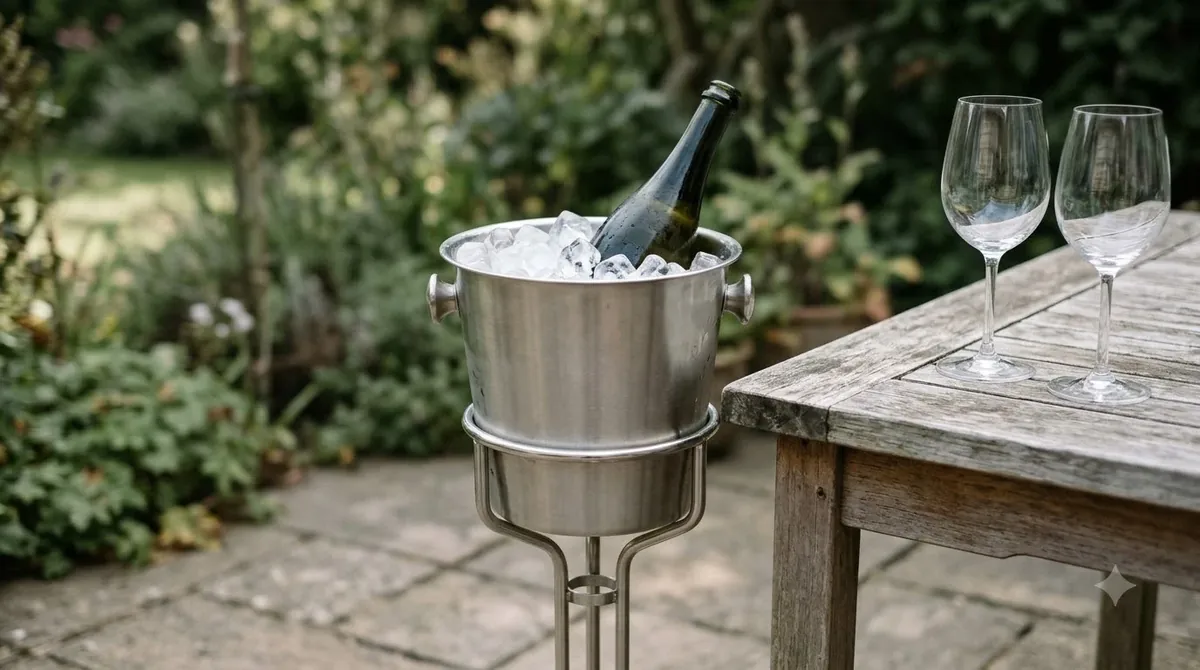
Merlot and Pinot Noir are easier to serve. They are best slightly cooler than room temperature and do not need long breathing time. The Chardonnay should be chilled but not ice cold, because very cold white wine hides its aroma and makes it taste thinner than it is.
A practical habit is to open the wine a few minutes before you plan to pour, then taste it again after the first glass. Wines often change over half an hour in the glass, and the second taste tells you more about whether the bottle suits the meal.
Food Pairing Ideas
Pairing starts with matching weight. Rubicon has enough structure for grilled lamb, beef or a rich mushroom stew, where the tannins can handle protein and fat. Pinot Noir is more flexible, and it works with salmon, roast duck and dishes built on earthy ingredients such as mushrooms and thyme.
Merlot suits burgers, roast pork and tomato-based pasta, while the Chardonnay pairs with roast chicken, creamy pasta and grilled fish with a little butter. Serve the lighter reds with the lighter courses, and save the most structured bottle for the main dish with the most fat or char. These matches are general guidance, not estate recommendations.
How to Choose a Bottle and Compare Options
Choosing a Meerlust bottle comes down to what you want from the evening. If you want a serious red for a special meal, Rubicon is the obvious choice. If you want an easier red with less structure, the Merlot or Pinot Noir fits better. If you need a white, the Chardonnay is the estate’s only white in the range described on its site.
Comparing wines from different countries helps you understand the style you prefer. If you want to see how a different tradition approaches red wine, the Antinori red wine guide shows a contrasting Italian approach. That comparison makes it easier to tell whether you like the Bordeaux-style structure of Rubicon or a more fruit-forward red.
Frequently Asked Questions
What is Meerlust wine best known for?
Meerlust is best known for Rubicon, a Bordeaux-style red blend. The estate also makes Merlot, Pinot Noir and Chardonnay from grapes grown on its own property.
Where is Meerlust wine made?
Meerlust Estate is on Baden Powell Drive in Stellenbosch, South Africa. The Myburgh family has owned the property since 1756.
Is Meerlust a good first South African red?
It can be, especially if you enjoy Bordeaux-style reds. Rubicon is the most structured choice, while the Merlot and Pinot Noir are lighter starting points for a casual dinner.
Does Meerlust make white wine?
Yes. The estate’s Chardonnay is the white wine in its range, and it works well with roast chicken, creamy sauces and grilled fish.
Meerlust is a good example of a family estate that keeps its lineup focused. Start with the wine that matches your meal, serve it at the right temperature, and use the wine brands guide to explore other producers once you know the style you like.
More in Wine Brands
 Underwood Wine Price: Compare Bottles, Cans, and Pack SizesUpdated Nov 21, 2026
 Zenato Wine Price: Compare Styles and Choose the Right BottleUpdated Nov 21, 2026
 Zuccardi Wine Price: Compare Bottles and Find the Right RangeUpdated Nov 21, 2026
 Yellow Tail Moscato Review: Taste, Sweetness and Serving TipsUpdated Nov 21, 2026
 Wolf Blass Yellow Label Review: Choose Your Best StyleUpdated Nov 21, 2026
 Wolffer Estate Rose Review: Choose the Right Bottle for Your TableUpdated Nov 21, 2026