

We may earn a commission when you buy through links on this page, at no extra cost to you. Learn more.
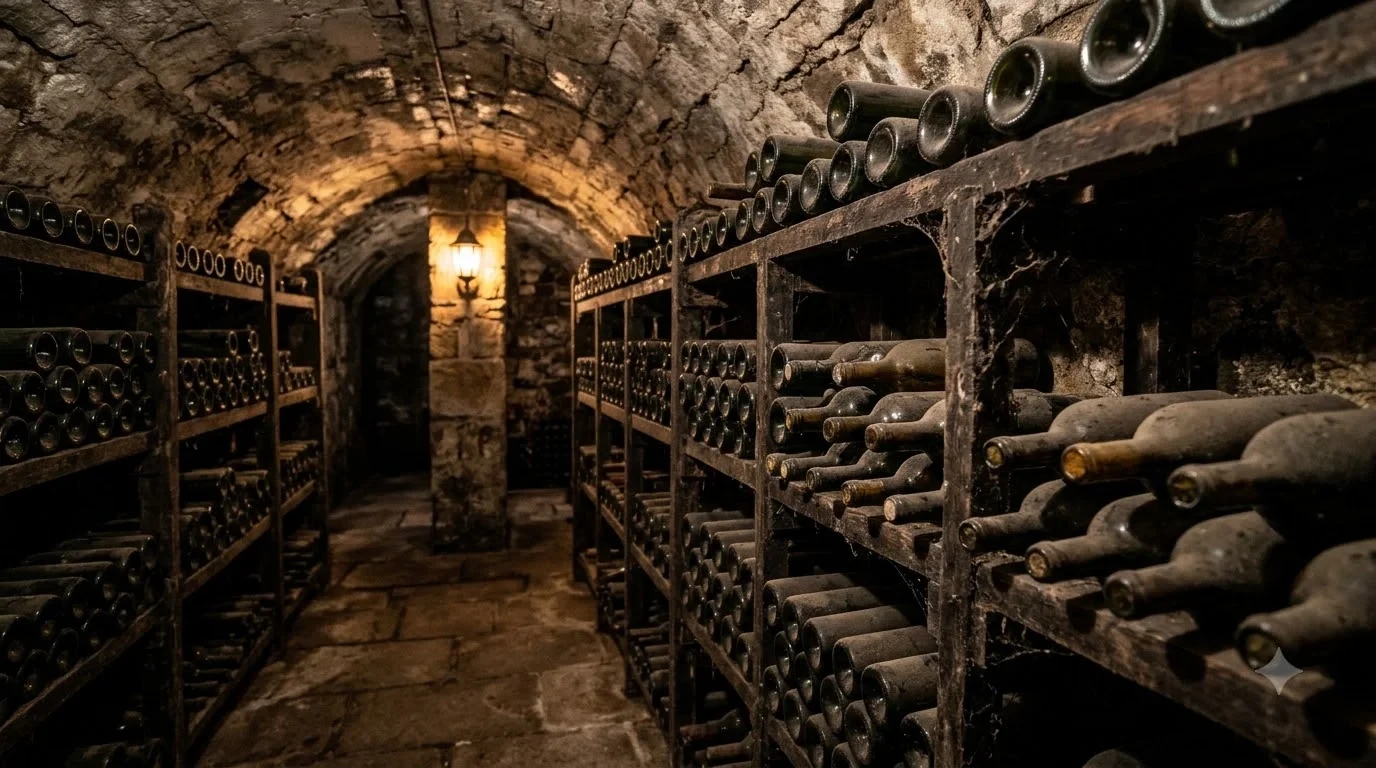
Where is malbec from? Malbec began as a grape of southwest France, but it became famous in Argentina, where it is now the country’s most important variety. Wine Folly notes that the grape was a minor variety in France and a blending grape in Bordeaux, and that its rise to prominence came after it was planted in Mendoza, Argentina, in 1868. Today the best-known Malbec comes from Mendoza, with Cahors in France and Walla Walla in the United States also producing the wine.
Malbec is one of the most recognizable red wines on the market, and its origin story is less obvious than its popularity suggests. This guide traces where the grape started, where it grows today, and what that history means when you choose a bottle.
The French origins of malbec
Malbec comes from southwest France, where the grape is also known by other names, including Côt and Auxerrois. Wine Folly describes it as a minor grape there that never became a top variety. Part of the reason is practical: the vine has poor resistance to fungal disease and pests, which made it hard to grow reliably across the region.
In the Bordeaux region, malbec was mostly used as a blending grape. Winemakers added it to the main Bordeaux varieties to contribute color, body, and dark fruit rather than to make wines on its own. That role helps explain why many people outside France did not know malbec as a stand-alone wine for a long time.

How malbec moved to Argentina
The turning point came when French botanist Michel Pouget planted malbec in Mendoza, Argentina, in 1868. According to Wine Folly, Argentina’s malbec “came by way of France,” and the grape adapted well to the high-altitude vineyards and dry climate of the region.
Over the following decades, Argentina became the grape’s most important home. Wine Folly reports that malbec makes up about 40% of the country’s red grape vineyards, which makes it the single most significant grape in Argentine red wine. That scale is a big part of why most shoppers now associate malbec with Argentina first, and with France second.
For the full story and how the grape developed in each country, the Wine Folly malbec guide is a good place to read more.
Where malbec grows today
Malbec is grown in several countries now, but three regions come up most often when people talk about the grape.
In Argentina, the Uco Valley and Luján de Cuyo, both in Mendoza, are the areas that Wine Folly identifies as consistently producing top-rated malbec. The high elevations and wide day-to-night temperature changes help the grape hold its acidity while it ripens.
In France, Cahors is the region most closely tied to the grape. The wines there are often more structured and firmer than the fruit-forward Argentine style, which is one of the clearest ways to see how the same variety can change with place.
In the United States, Walla Walla sits on the Oregon and Washington border and is the American region Wine Folly names for malbec. Bottles from there sit between the two other styles, with more fruit than many French wines and a different structure than the Argentine examples.
| Region | Country | Typical style |
|---|---|---|
| Uco Valley and Luján de Cuyo | Argentina (Mendoza) | Dark fruit, ripe and generous |
| Cahors | France | Firmer structure, more savory |
| Walla Walla | United States | Fruit-forward with a balanced frame |
What malbec tastes like
Malbec is usually a dark, full-bodied red, and the flavors tend to be consistent across the places it is grown. The style is one reason the grape has such a broad following.
Wine Folly lists red plum, blackberry, vanilla, sweet tobacco, and cocoa as the typical flavors. The fruit is the first thing most drinkers notice, and the vanilla and cocoa notes often come from time spent in oak. Compared with a Cabernet Sauvignon, malbec usually shows softer tannins and a plusher texture, which makes it approachable even when it is young.
Because the flavor profile varies with climate and winemaking, the origin on the label is a helpful clue. A bottle from Mendoza will usually be riper and more fruit-driven, while a bottle from Cahors may taste more earthy and structured.
How to serve malbec
Serve malbec at about 60 to 68°F, or 15 to 20°C, according to Wine Folly. That range is cooler than room temperature in most homes and helps keep the fruit lively instead of letting the alcohol dominate.
A bottle that has been stored in a warm place can taste flat or heavy, so a short time in the refrigerator before serving is a practical fix. Decanting is optional for most everyday malbec, though a more structured bottle from Cahors can benefit from a short rest in the glass to open up.
How malbec compares with other red wines
Malbec sits in the middle of the red wine spectrum. It is fuller and more fruit-forward than many Pinot Noir styles, but its tannins are usually softer than a typical Cabernet Sauvignon. That balance makes it a common choice for people who want a red with body that is still easy to drink with food.
Compared with Merlot, malbec tends to show darker fruit and a deeper color. Both grapes have been used in Bordeaux blends, which is part of the reason the two wines are often mentioned together. Malbec’s dark color, a point covered in more detail in malbec color, is one of the clearest visual differences when you pour a glass next to a lighter red.
In general, malbec works well with the same foods as other full-bodied reds, including grilled meats, roasted vegetables, and hearty stews. Its softer tannins make it a flexible partner, and the fruit helps it stand up to barbecue sauces and smoky flavors.
Buying malbec with the origin in mind
When you shop for malbec, the origin on the label is the most useful clue to the style you will get. A bottle labeled as coming from Mendoza or the Uco Valley is likely to be riper and more fruit-driven, while a bottle from Cahors often tastes more structured and savory. A Walla Walla bottle sits between those two, with fruit that reads as generous but not overpowering.
If you are trying malbec for the first time, pick a bottle from a region that is named clearly on the label and read the back label for the producer’s description. Many producers explain whether the wine is meant to be drunk young or aged, and that note helps you decide whether to open it soon or keep it.
For a broader look at where malbec fits among the other wine styles, the Wine by Type section is a good reference, and it helps to compare a few bottles side by side at home to see how origin changes the glass.
Frequently Asked Questions
Where is malbec originally from?
Malbec originated in southwest France, where it is also called Côt or Auxerrois. It was a minor grape there and was used mainly as a blending grape in Bordeaux before it became famous in Argentina.
Is malbec from France or Argentina?
Both are true, depending on the question. The grape comes from France, but Argentina is where it became well known, and Argentina now grows the largest share of the variety. Wine Folly describes Argentine malbec as having come by way of France.
Which region makes the best malbec?
There is no single answer, because styles vary by place and by producer. Wine Folly identifies the Uco Valley and Luján de Cuyo in Mendoza as consistently producing top-rated malbec, and Cahors and Walla Walla offer very different takes on the grape.
Why did malbec become popular in Argentina?
Malbec was planted in Mendoza in 1868 and adapted well to the region’s climate. Over time it became the most important red grape in the country, making up around 40% of its red vineyards according to Wine Folly.
If you are new to malbec, start with an Argentine bottle to taste the fruit-forward style, then try a French example from Cahors to compare. The Wine by Type guide is a good next step for placing malbec among the other red styles, and malbec color explains what the deep hue tells you about the wine.
More in Wine Types & Grapes
 Zinfandel Sugar Content: Dry Red vs. White Zinfandel GramsUpdated Nov 21, 2026
 Best Zinfandel Substitute Options for Sipping and CookingUpdated Nov 21, 2026
 Zweigelt Food Pairing: Best Dishes, Cheeses, and Serving TipsUpdated Nov 21, 2026
 Zinfandel Tannins Explained: How Structure Shapes Every BottleUpdated Nov 21, 2026
 Zinfandel Sweetness Level: Dry Red vs. Sweet White Zin ExplainedUpdated Nov 21, 2026
 Xinomavro Food Pairing: Best Dishes, Styles, and Serving TipsUpdated Nov 21, 2026