

We may earn a commission when you buy through links on this page, at no extra cost to you. Learn more.
The chianti grape is Sangiovese, a red variety that makes up the large majority of the wine labeled Chianti in Tuscany, Italy. Chianti is a regional wine, so the name on the bottle tells you where the wine comes from and what rules apply. Knowing that Sangiovese is the core grape helps you predict the flavor before you open the bottle.
This guide explains what the chianti grape is, how the Chianti blending rules work, and how the main styles differ. It also covers the difference between basic Chianti and Chianti Classico, plus practical food and buying tips for American shoppers.
What Is the Chianti Grape?
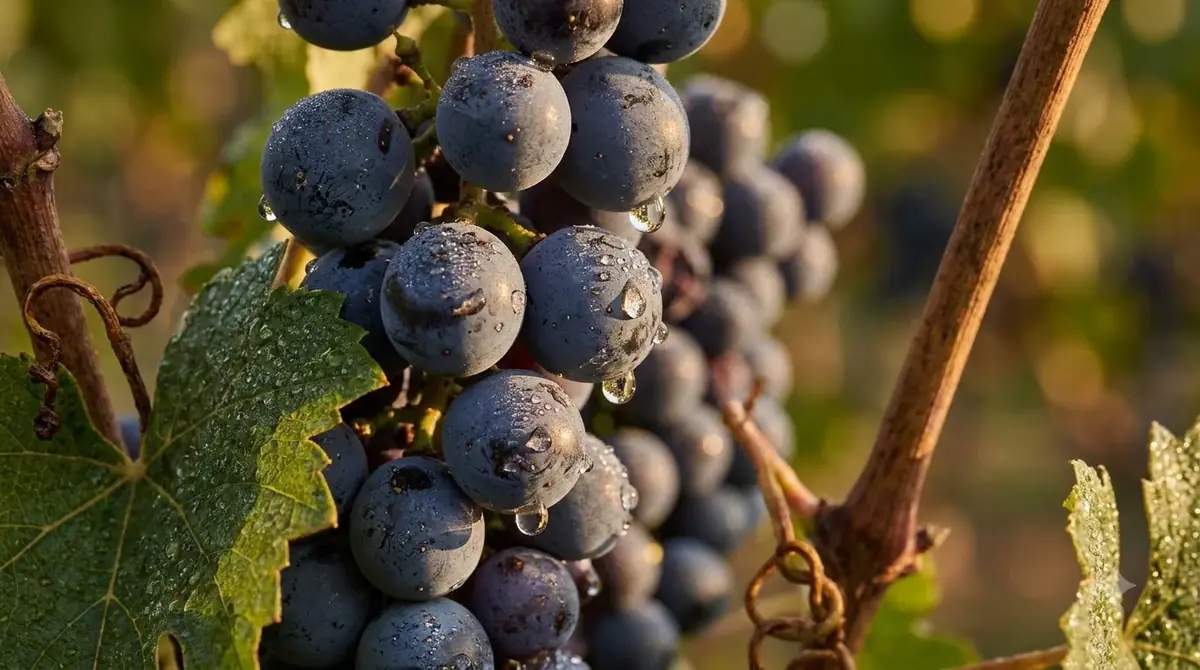
The chianti grape is Sangiovese, and the wine takes its name from the Tuscan region where it grows. Sangiovese is a red grape with thin skins and bright acidity, and it is the most widely planted variety in Tuscany. Reviewers at Decanter describe the variety as one that has kept its character for centuries, which is why it still anchors the regional identity.
Chianti is best understood as a place-based wine rather than a single grape wine. Producers can use other permitted varieties in the blend, so the label does not guarantee a 100 percent Sangiovese bottle. Still, Sangiovese sets the structure, color and aroma in nearly every Chianti you will find on a US shelf.
If you usually drink white wine, the difference is easy to see. A white grape such as catarratto grape produces a wine with a very different body and aroma profile. Chianti offers the opposite experience, with red fruit, savory notes and firm tannins.
Sangiovese and the Chianti Blending Rules
Sangiovese is the anchor of the Chianti blend, and the rules set a minimum share for it. According to the regional rules summarized by Decanter, basic Chianti DOCG wines must contain at least 70 percent Sangiovese. Chianti Classico has a higher floor, which means its wines are more Sangiovese-focused.
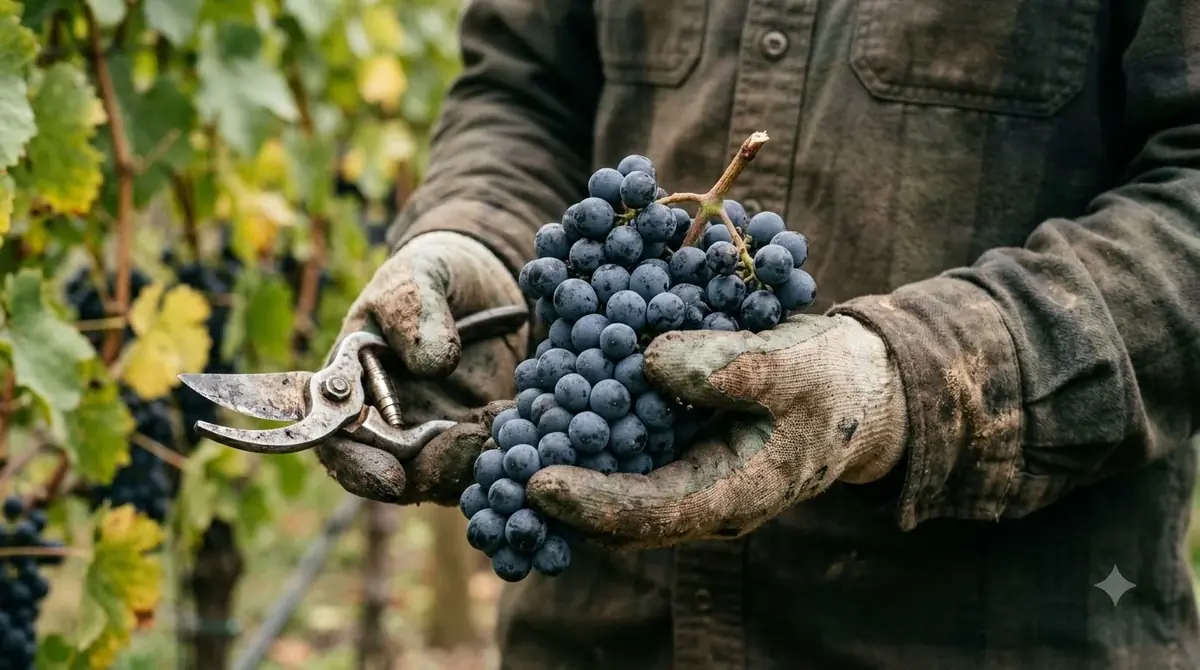
The remaining portion of the blend can include local red varieties such as Canaiolo and Colorino, along with some international reds. Chianti DOCG also allows a limited amount of white grapes, while Chianti Classico no longer permits white varieties. These details matter because they change how the wine tastes and ages.
For the full list of permitted varieties and the current ageing rules, the Decanter guide to National Chianti Day picks breaks down the differences between the two DOCGs in plain terms. Check the label for the DOCG name and read the producer’s back label for the grape mix.
Chianti Regions, Sub-zones and Styles
Chianti DOCG covers a large area of Tuscany, stretching from around Pisa to Siena. It is divided into seven sub-zones, and each has its own character. Wineries can label a wine simply as Chianti or name a specific sub-zone when they want a more focused, terroir-driven bottle.
Chianti Rufina is the smallest sub-zone but is widely regarded as one of the most consistent. Its vineyards sit at higher elevation and benefit from breezes that move through a mountain pass, which tends to produce elegant, fresh wines. Chianti Colli Senesi, around Siena, is often described as warmer and more approachable, with softer tannins.
The remaining sub-zones usually produce lighter, fruit-driven wines that are meant for drinking young. Look at the front label for the sub-zone name if you want a specific style. If the bottle only says Chianti DOCG, the wine may come from any part of the wider zone.
Chianti Flavor Profile and Style
Most Chianti shows red cherry, plum and dried herb flavors with bright, lively acidity. Sangiovese often brings savory notes such as dried sage, tomato leaf and a touch of earth, which give the wine its food-friendly edge. Tannins are usually firm but not overpowering in basic examples.
Wines labeled Superiore or Riserva usually have more structure and a more complex nose. Riserva wines spend time in wood before bottling, which can add spice, vanilla and smoky notes. Basic Chianti tends to be simpler and fruitier, designed for everyday drinking.
Style also depends on the producer. Some winemakers favor fresh, fruit-forward bottles, while others aim for a more traditional, earthy profile. Reading a tasting note from a source you trust can help you pick the style you want before you buy.
Chianti Classico vs. Chianti: What the Label Means
Chianti Classico is the historic heart of the region, and it has its own DOCG. The two wines are related, but the rules and the typical style are not identical. Chianti Classico producers face a higher Sangiovese minimum and longer required ageing for the annata wines.
The table below compares the two in general terms. Use it as a starting point, then check the specific bottle for its classification and vintage.
| Feature | Chianti DOCG | Chianti Classico DOCG |
|---|---|---|
| Minimum Sangiovese | At least 70 percent | Higher than basic Chianti |
| Geographic area | Wide zone with seven sub-zones | Original hilly zone between Florence and Siena |
| White grapes allowed | A small share is permitted | Not permitted |
| Typical style | Fresh, fruity and approachable | More structured, with deeper earth and spice |
| Top tiers | Superiore and Riserva | Annata, Riserva and Gran Selezione |
Chianti Classico bottles often carry the black rooster symbol on the neck, which marks the producer’s membership in the consortium. The classification on the label tells you how long the wine was aged. For more on the Classico tiers, the Decanter Chianti Classico guide explains which styles suit drinking now and which suit cellaring.
Tip: If you want an easy weeknight red, look for a basic Chianti from a sub-zone you recognize. For a special dinner, a Riserva or Classico Riserva usually offers more depth.
Food Pairings, Buying and Storing Chianti
Chianti pairs well with food because its acidity and savory notes match tomato sauces, grilled meats and aged cheeses. The wine’s firm tannins cut through rich dishes, which is why it has long been served with Italian home cooking. Lighter styles suit simple pasta and antipasti, while Riserva wines suit roasted meats and game.
When you shop, read the front label first. Confirm the DOCG name, the sub-zone if listed, and whether the bottle is a basic Chianti, Superiore or Riserva. Check the back label or the producer’s site for the grape blend, and use wine shop staff as a resource for recommendations within your budget.
Store Chianti in a cool, dark place away from heat and light. Basic bottles are meant to be drunk within a year or two of the vintage, while Riserva and Classico Riserva can age longer. Serve reds slightly cool rather than hot, and open the bottle a short time before pouring if the wine tastes tight. Enjoy it responsibly, and pace your glasses with food.
Frequently Asked Questions
What grape is used to make Chianti?
Chianti is built mainly on Sangiovese, a red grape grown across Tuscany. Basic Chianti DOCG wines must contain at least 70 percent Sangiovese. The remaining share can include other permitted red varieties and a limited amount of white grapes.
Is Chianti the same as Chianti Classico?
No. Chianti Classico comes from the original historic zone and has its own DOCG with stricter rules. Its Sangiovese minimum is higher, and white grapes are not permitted. Check the label to see which DOCG the bottle belongs to.
What does Riserva mean on a Chianti label?
Riserva signals a wine that has been aged longer than the basic category and usually spends time in wood before bottling. Riserva wines tend to be more complex and structured. They are often better suited to cellaring or a special meal.
What should I look for when buying Chianti?
Start with the DOCG name and the classification, such as Chianti, Superiore or Riserva. A named sub-zone can point to a specific style. Read a recent tasting note from a source you trust to match the bottle to the flavor you enjoy.
Chianti is easiest to understand once you know that Sangiovese is the grape and the label describes the place and the rules. For more background on the wider category, visit Wine by Type and compare styles before you choose your next bottle.
More in Wine Types & Grapes
 Zinfandel Sugar Content: Dry Red vs. White Zinfandel GramsUpdated Nov 21, 2026
 Best Zinfandel Substitute Options for Sipping and CookingUpdated Nov 21, 2026
 Zweigelt Food Pairing: Best Dishes, Cheeses, and Serving TipsUpdated Nov 21, 2026
 Zinfandel Tannins Explained: How Structure Shapes Every BottleUpdated Nov 21, 2026
 Zinfandel Sweetness Level: Dry Red vs. Sweet White Zin ExplainedUpdated Nov 21, 2026
 Xinomavro Food Pairing: Best Dishes, Styles, and Serving TipsUpdated Nov 21, 2026