

We may earn a commission when you buy through links on this page, at no extra cost to you. Learn more.
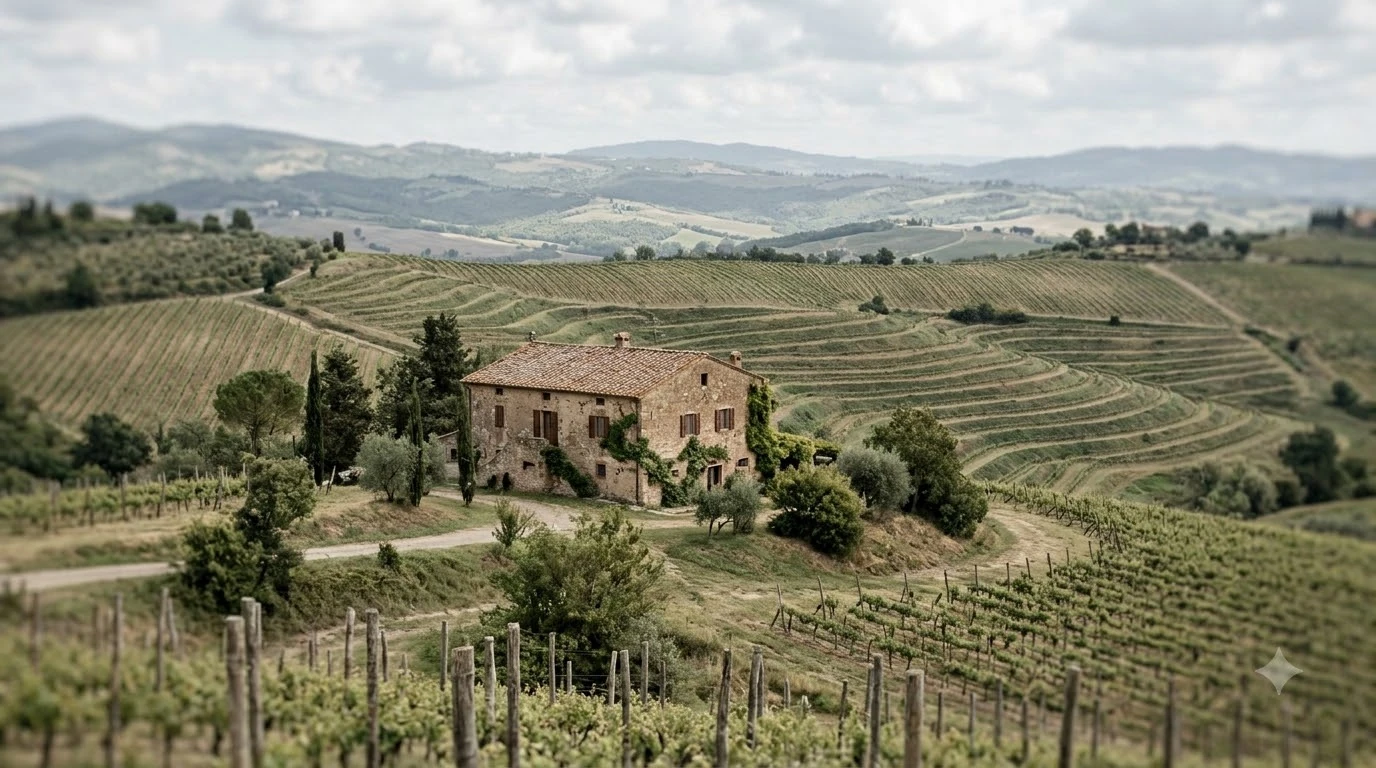
If you are wondering what is ribera del duero, it is a prestigious wine region in northern Spain’s Castilla y León plateau, celebrated for full-bodied, age-worthy red wines made primarily from Tempranillo. Known locally as Tinto Fino or Tinta del País, this grape thrives along the Duero River at high altitudes where scorching summer days and cold nights build deep color, concentrated dark fruit, and firm tannins. Although people have made wine along these riverbanks for thousands of years, the area earned official Denominación de Origen status in 1982 and quickly became Spain’s premier rival to Rioja.
Walking into an American wine shop, you will often see bottles from this region standing alongside Napa Cabernet Sauvignon or Bordeaux for drinkers who love structured, savory reds. Understanding how the land, oak aging laws, and local grape varieties shape the bottle in your glass makes choosing and enjoying these Spanish classics much easier.
Overview of the Ribera del Duero Region
Ribera del Duero stretches along a dramatic east-to-west corridor of the Duero River valley roughly two hours north of Madrid. The appellation gained official Denominación de Origen status in 1982 after decades of groundwork by visionary local growers and historic estates.
Unlike coastal wine regions moderated by ocean breezes, Ribera del Duero sits locked behind a ring of mountains on Spain’s high northern plateau. According to Wine Enthusiast’s Ribera del Duero guide, the region averages only 15 to 20 inches of rainfall per year and experiences extreme temperature swings between hot, dry summers and long, freezing winters. Spring frosts remain a constant threat into late April or May, while autumn temperatures drop sharply once the sun sets.
Those harsh diurnal shifts between hot afternoons and chilly nights do something remarkable inside the vineyard. Warm sunlight pushes the grapes to full phenolic ripeness, generating lush blackberry and plum flavors alongside high natural alcohol levels around 14.5 percent ABV in many classic reds. At the same time, cold nighttime air preserves bright, mouthwatering acidity that keeps the finished wine from ever feeling heavy or jammy.
The soil beneath the vines adds another layer of structure and tension. Rather than fertile valley loam, growers work lean mixtures of clay, sand, limestone, marl, and chalk, often topped with round river stones. Clay lends mid-palate weight and density, while active limestone contributes a stony, mineral edge that sets top bottles apart from warmer-climate reds.
Sub-Regions and Core Wine Towns
Spanning four provinces within Castilla y León—Burgos, Valladolid, Soria, and Segovia—the appellation covers diverse terrain along the river corridor. As detailed in Decanter’s regional profile of Ribera del Duero, the vineyard area divides naturally around three core winemaking towns: Peñafiel, Roa, and San Esteban de Gormaz.
Peñafiel, located in the Valladolid sector toward the western half of the region, sits beneath a famous hilltop castle and forms the historic heartland of luxury estates. Vineyards around Peñafiel and neighboring Pesquera de Duero benefit from slightly warmer ripening conditions and limestone-rich slopes that yield plush, opulent reds with velvety concentration. Many of the region’s most celebrated cellars line the stretch of road running west from Peñafiel toward Tudela de Duero.
Moving east into the province of Burgos, the town of Roa serves as the administrative home of the region’s regulatory council, the Consejo Regulador. Surrounding villages such as La Aguilera and Anguix feature rolling clay-limestone hills and pockets of century-old bush vines. Wines from this central zone tend to balance generous dark fruit with firm, structural tannins and aromatic lift.
Further east in the province of Soria, San Esteban de Gormaz marks the highest, coolest, and most marginal zone of the entire appellation. Here, iron-rich red sand and gravel overlie white limestone, pushing harvest dates weeks later than in the west. Reds from Soria show a leaner, more laser-focused profile with crisp acidity, floral aromatics, and fine-grained grip that appeals to fans of cooler-climate wines.
Key Grapes, Styles, and Aging Classifications
Red wine dominates Ribera del Duero, with Tempranillo accounting for roughly 95 percent of all vineyard plantings across the appellation. Local vintners call their thick-skinned clone of the ribera del duero grape Tinto Fino or Tinta del País, prized for its small berries and deep pigmentation.
Appellation rules allow winemakers to bottle pure 100 percent Tempranillo or blend in small proportions of Cabernet Sauvignon, Merlot, Malbec, and Garnacha Tinta. These international Bordeaux varieties arrived in the nineteenth century and still add structure, herbal complexity, or plush mid-palate texture to select cuvées. Alongside the reds, the region also permits crisp rosé (rosado) wines and white wines crafted from the native Albillo Mayor grape, which offers golden texture and savory orchard-fruit depth.
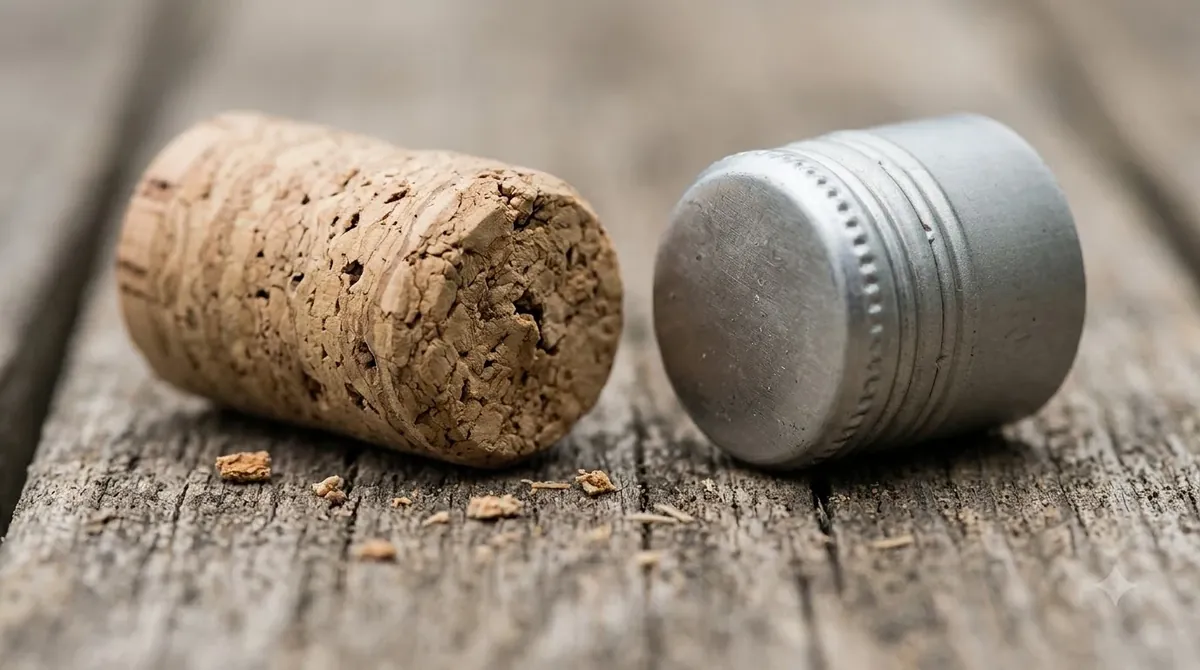
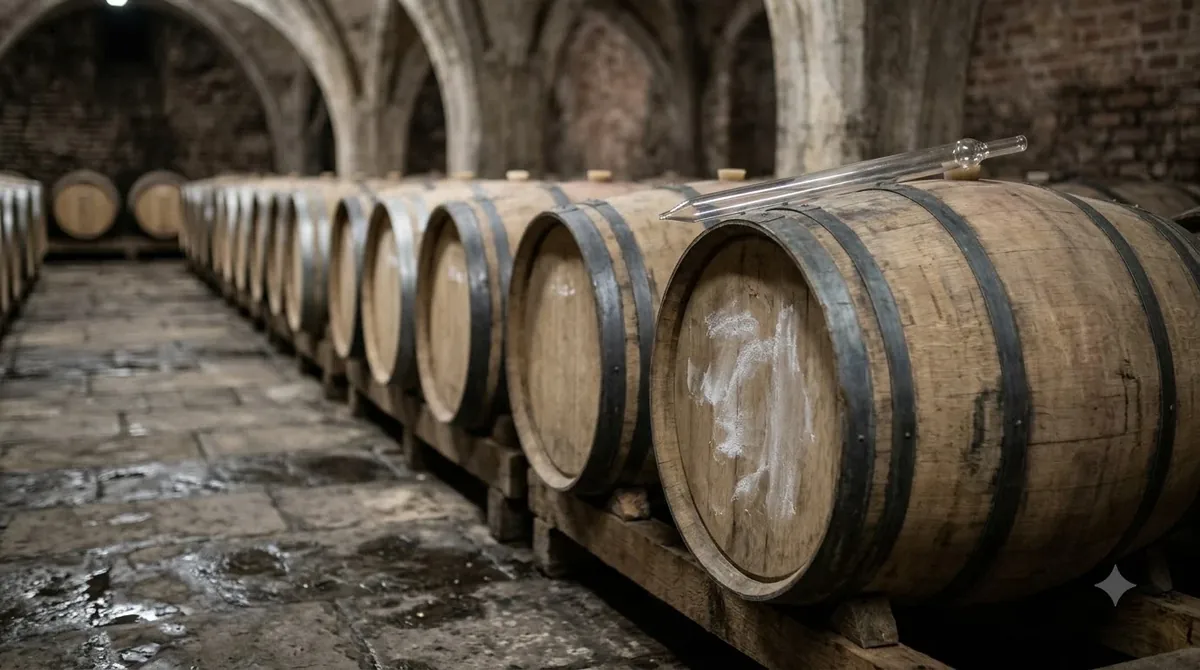
To understand what is inside any bottle before pulling the cork, look at the back label for the official aging classification enforced by the Consejo Regulador. Unlike regions where aging terms are optional marketing phrases, Ribera del Duero legally mandates minimum barrel and bottle aging periods for each tier.
| Aging Tier | Total Minimum Aging | Minimum Oak Barrel Aging | Typical Flavor Profile |
|---|---|---|---|
| Joven (or Roble) | No legal minimum (often under 12 months) | 0 to 4 months | Bright blackberry, black cherry, fresh acidity, minimal oak spice |
| Crianza | 24 months | 12 months | Ripe dark fruit layered with vanilla, toast, and sweet baking spices |
| Reserva | 36 months | 12 months | Concentrated plum, espresso, cedar, leather, and integrated tannins |
| Gran Reserva | 60 months | 24 months | Dried fig, tobacco leaf, forest floor, savory spice, and silky structure |
Beyond traditional classifications, many modern winemakers release single-vineyard or proprietary cuvées labeled simply as Cosecha (vintage) so they can tailor barrel aging to the fruit rather than a strict calendar. If you want to explore the specific ribera del duero tasting notes across young and aged styles, comparing a fresh Roble side-by-side with a Crianza shows just how dramatically oak transforms Tinto Fino.
Notable Producers to Know
Although Ribera del Duero is home to roughly 300 wineries—most of them small family operations producing just a few thousand cases annually—a handful of benchmark estates define the region’s global reputation. Their work spans historic nineteenth-century traditions, cooperative milestones, and cutting-edge single-vineyard farming.
Vega Sicilia stands as the undisputed historical icon of the valley, having planted Bordeaux varieties alongside Tempranillo in the 1860s long before the DO existed. Its flagship wine, Único, ages for roughly a decade in wood and bottle before release, demonstrating that Ribera reds can rival top Bordeaux over thirty or forty years. Nearby, Dominio de Pingus, founded in the 1990s by Danish winemaker Peter Sisseck, proved that tiny yields from old bush vines could achieve cult status worldwide.
Several foundational estates helped build the modern appellation and remain widely available in American wine shops today. Bodegas Protos, founded in 1927 in Peñafiel as a growers’ cooperative, literally gave the region its name, while Tinto Pesquera championed 100 percent Tempranillo bottlings in the 1970s. Other respected names frequently highlighted by international critics include Pago de Carraovejas, Bodegas Emilio Moro, Bodegas Arzuaga, Bodega Matarromera, and Aalto Bodegas y Viñedos.
A newer wave of small-scale growers has also turned attention toward high-altitude parcels, organic viticulture, and gentler oak regimens. Producers such as Dominio de Es in Soria, Quinta Milú in La Aguilera, and Goyo García Viadero focus on old vines, neutral casks, and limestone soils to emphasize freshness and site character over heavy new-oak toast.
How to Serve and Pair Ribera del Duero
Because classic Ribera del Duero reds combine full body, firm tannins, and around 14.5 percent alcohol, serving temperature makes a noticeable difference in the glass. Pouring the wine slightly cooler than standard American room temperature keeps the fruit crisp and prevents the alcohol from feeling warm on the finish.
Aim to serve red Ribera del Duero between 60 and 65 degrees Fahrenheit, while chilled rosado and Albillo Mayor whites shine best around 50 to 54 degrees Fahrenheit. For Crianza, Reserva, and Gran Reserva bottles, decanting for 45 to 90 minutes allows tight tannins to soften and lets secondary notes of violet, licorice, cedar, and leather open up.
Tip: Put your bottle of red Ribera del Duero in the refrigerator for 20 to 25 minutes before dinner so it hits the ideal cellar range of 60 to 65 degrees Fahrenheit instead of warm room temperature.
At the dinner table, Ribera del Duero is built for rich, savory proteins that tame its muscular tannic grip. In Castilla y León, the classic local match is lechazo asado—milk-fed roast lamb cooked in a wood-fired oven until the skin turns crisp and the meat falls off the bone. Grilled ribeye steak, herb-crusted rack of lamb, braised beef short ribs, and roasted pork loin all work wonderfully with the wine’s dark fruit and smoky oak spice, while aged Manchego cheese makes an effortless appetizer pairing.
How to Buy a Great Bottle
Shopping for Ribera del Duero becomes straightforward once you match the aging tier on the label to the occasion and your preferred style of red wine. If you want an approachable weeknight bottle to pour with burgers, grilled sausages, or hearty pasta, look for a Joven or Roble from a recent vintage, which delivers vibrant blackberry fruit without heavy oak.
For weekend dinners or gifting, Crianza represents the sweet spot of the appellation, offering twelve months of oak aging that rounds out the tannins while keeping lively dark cherry energy intact. Collectors or fans of complex, mature reds should seek out Reserva and Gran Reserva bottles, which arrive on retail shelves already aged for three to five years. If you enjoy comparing different expressions across Wine by Type, pairing a structured Ribera del Duero Crianza with a softer, lighter Spanish white like the airen grape highlights the dramatic stylistic range across central Spain.
Vintage variation also plays a meaningful role because Ribera del Duero experiences continental weather extremes. Benchmark harvests such as 2010, 2011, 2015, 2019, and 2021 produced deeply concentrated, balanced wines built for long cellaring, whereas warmer years like 2020 offer plush, generous fruit that drinks smoothly right away.
Frequently Asked Questions
What grape is Ribera del Duero made from?
Ribera del Duero red wines are made primarily from Tempranillo, which accounts for roughly 95 percent of the region’s vineyards and is known locally as Tinto Fino or Tinta del País. Winemakers may also blend in small amounts of Cabernet Sauvignon, Merlot, Malbec, or Garnacha Tinta, while the native white grape Albillo Mayor is used for local white wines.
Is Ribera del Duero wine dry or sweet?
Ribera del Duero wines are dry, full-bodied wines with very little residual sugar. Their ripe blackberry, black cherry, and plum flavors can give a lush, generous impression on the mid-palate, but firm tannins and lively natural acidity keep the finish crisp and savory.
How is Ribera del Duero different from Rioja?
Both regions rely on Tempranillo, but Ribera del Duero sits at higher elevations with a harsher continental climate, producing darker, fuller-bodied, and more tannic reds than traditional Rioja. Additionally, Ribera del Duero winemakers frequently favor French oak barrels alongside American oak, whereas classic Rioja relies heavily on American oak for coconut and dill aromatics.
How long should you decant Ribera del Duero?
Young Joven or Roble bottles need only 15 to 20 minutes of air in the glass, while structured Crianza, Reserva, and Gran Reserva wines benefit from 45 to 90 minutes in a decanter. Giving older or tightly wound bottles time to breathe softens the firm tannins and brings out complex aromas of espresso, dried herbs, and spice.
Whether you start with a fruit-driven Roble or open a cellar-aged Reserva alongside a grilled steak, Ribera del Duero offers one of Spain’s most rewarding red wine experiences. Keep an eye on the aging tier on the back label and give the bottle a slight chill before pouring to taste Tinto Fino at its expressive best.
More in Wine Types & Grapes
 Zinfandel Sugar Content: Dry Red vs. White Zinfandel GramsUpdated Nov 21, 2026
 Best Zinfandel Substitute Options for Sipping and CookingUpdated Nov 21, 2026
 Zweigelt Food Pairing: Best Dishes, Cheeses, and Serving TipsUpdated Nov 21, 2026
 Zinfandel Tannins Explained: How Structure Shapes Every BottleUpdated Nov 21, 2026
 Zinfandel Sweetness Level: Dry Red vs. Sweet White Zin ExplainedUpdated Nov 21, 2026
 Xinomavro Food Pairing: Best Dishes, Styles, and Serving TipsUpdated Nov 21, 2026