

We may earn a commission when you buy through links on this page, at no extra cost to you. Learn more.
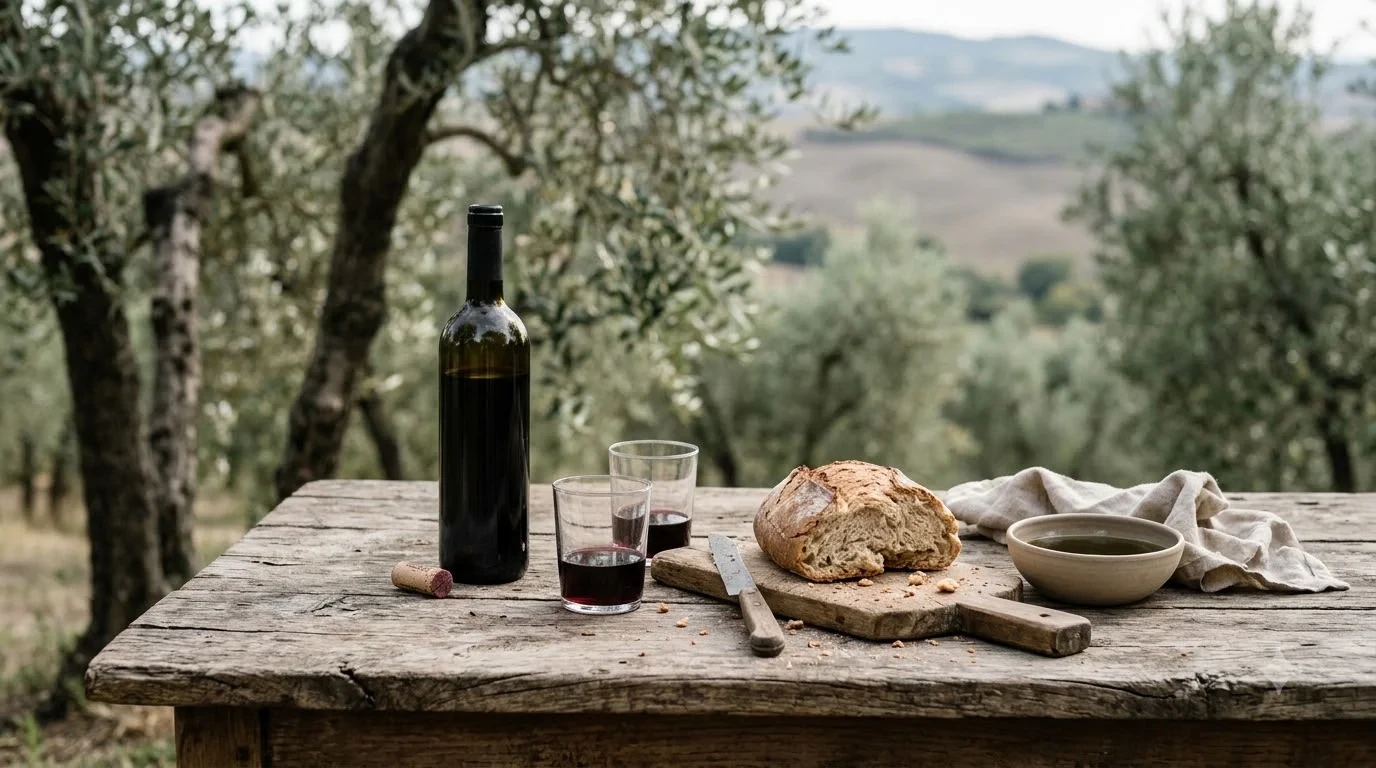
Frog’s Leap wine comes from Frog’s Leap Winery in Rutherford, in the Napa Valley, a producer founded in 1981 and known for its Sauvignon Blanc and Cabernet Sauvignon. The winery farms its vineyards organically and uses dry-farmed, non-irrigated soils, and its range also includes Chardonnay, Zinfandel, Merlot, and Riesling. This guide explains who makes Frog’s Leap, how its best-known wines taste, and how to serve and pair them.
Frog’s Leap is an easy name to remember, and that makes it a common search for people who want a Napa Valley wine with a clear identity. The winery has a story that goes beyond the label, from its founding site to its farming choices. Knowing that background helps you understand what is in the glass.
Who makes Frog’s Leap wine
According to the Wikipedia entry on the winery, Frog’s Leap was established in 1981 by John Williams and Larry Turley on a site along Mills Creek known as Frog Farm. The name combines “Frog Farm” with “Stag’s Leap,” the Napa district where Williams had his first winemaking job. John Williams remains the owner and winemaker, which gives the brand a clear link between the person who owns the winery and the wines that come out of it.
The winery is based in Rutherford, in the Rutherford AVA of the Napa Valley. After 1994, the operation moved to the Red Barn Ranch in Rutherford. The company’s own site gives its address on Conn Creek Road in Rutherford, which matches the Napa Valley location described in the Wikipedia entry.
The first release, according to the same source, was about 700 cases of Sauvignon Blanc. That small beginning is part of the winery’s identity, and the brand has since grown into a wider range while keeping its focus on the Napa Valley.
Organic farming and the Frog’s Leap approach
Frog’s Leap is known for its farming approach as much as for its wines. The winery’s own site says that its wines are organically farmed in non-irrigated soils, and it presents this as part of a wider commitment to regenerative agriculture. Wikipedia reports that the winery uses organically grown grapes and dry-farmed vineyards, along with compost and cover crops.
The same source says the winery was reportedly the first in Napa to produce wine from certified organically grown grapes. The claim is worth noting as a reported first rather than a settled fact. What is clear is that organic and dry farming are central to how the estate describes its work.
The winery also installed a solar system in 2005 that the Wikipedia entry says produces about 85 percent of the site’s energy use. For a shopper, these details are not a guarantee of taste, but they explain the estate’s priorities and help you understand why the winery is often discussed alongside sustainable Napa producers.
The main wines, and how they taste
Frog’s Leap is best known for Sauvignon Blanc and Cabernet Sauvignon. Its listed varietals also include Chardonnay, Zinfandel, Petite Sirah, Merlot, Cabernet Franc, Valdiguié, and Riesling, according to the Wikipedia entry. The winery’s own site lists a Cabernet Sauvignon, a Sauvignon Blanc, and a Zinfandel among its current wines, so the core range is still built around these styles.
Cabernet Sauvignon is the red that most people will look for. According to Wine Folly’s Cabernet Sauvignon guide, the grape is dark in color and dry, with flavors that often include black cherry, black currant, cedar, and baking spices. Typical bottlings sit around 13.5 to 15 percent ABV, and warm-climate examples like those from Napa can reach the upper end of that range.
| Frog’s Leap style | What to expect | Good with |
|---|---|---|
| Sauvignon Blanc | Fresh and aromatic, with bright acidity and citrus and green notes | Salads, goat cheese, grilled fish |
| Cabernet Sauvignon | Full-bodied, dark fruit, firm tannins | Grilled steak, lamb, rich stews |
| Zinfandel | Ripe, generous fruit with a warm, spicy character | Barbecue, burgers, tomato-based dishes |
| Chardonnay | Fuller white with more texture | Roast chicken, creamy pasta, pork |
The table describes general patterns for each variety rather than a tasting note for a specific vintage. Winemaking choices and each year’s weather shape the final wine, so the label’s varietal and vintage remain the most reliable guides.
How to serve Frog’s Leap wine
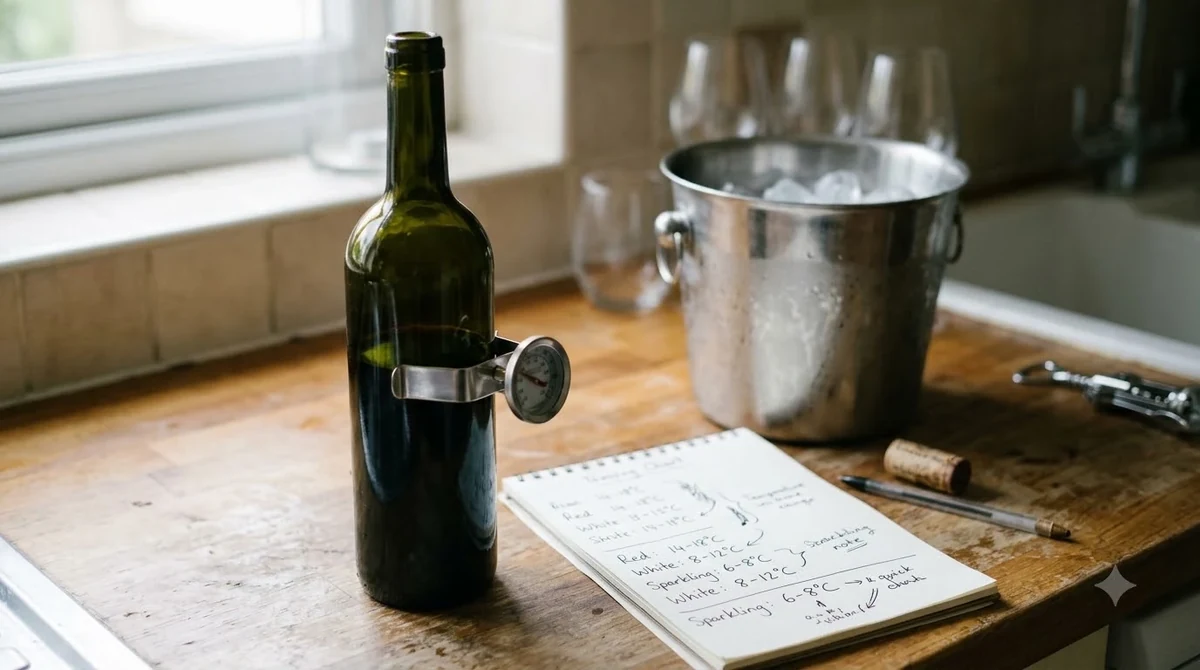
Serving temperature matters for both whites and reds. For Sauvignon Blanc, a cool glass keeps the aromas lively and the acidity crisp. For Cabernet Sauvignon, Wine Folly suggests serving the wine between 60 and 68 degrees Fahrenheit, a cooler range than many people expect. A red served too warm can taste heavy and hot from the alcohol.
A structured Cabernet benefits from a short period of decanting. The same Wine Folly guide suggests about an hour, which lets the aromas open and softens the tannins a little. A large glass gives the wine room to breathe and makes the aroma easier to read.
Keep bottles in a cool, dark place out of direct sunlight. A young Cabernet can be cellared for a long time, and Wine Folly notes that the grape can age for ten years or more, though you should check any guidance from the winery for a specific vintage.
Food pairings for Frog’s Leap wine
Sauvignon Blanc is an easy partner for seafood, salads, and dishes with herbs and citrus. Its acidity cuts through rich or creamy sauces and keeps the palate fresh. A grilled fish with lemon or a goat cheese salad is a simple and reliable match.
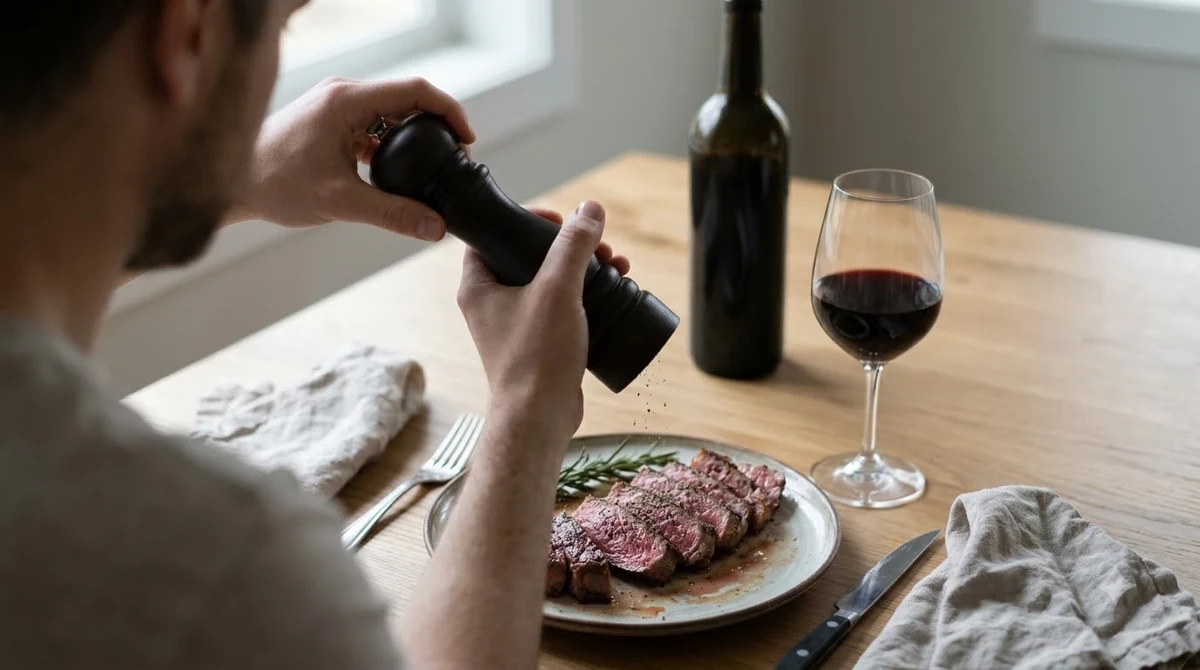
Cabernet Sauvignon needs food. VinePair notes that the wine’s acidity, tannins, and alcohol can feel overwhelming on their own, while a meal balances them. Grilled steak, roast lamb, and braised dishes with a bit of fat work well because the richness softens the tannins and the wine cleans up the palate.
Zinfandel is more relaxed. Its ripe fruit and spice suit barbecue, burgers, and tomato-based dishes. Chardonnay handles roast chicken and creamy pasta well, since its fuller texture can match a sauce without feeling thin.
How to choose a Frog’s Leap bottle for dinner
If you want a white for a warm evening, start with the Sauvignon Blanc. If the table will have grilled red meat, a Cabernet Sauvignon fits the main course. If you are hosting a mixed crowd, offering a white and a red covers most tastes and gives guests a choice.
Read the label for the varietal and the vintage. A Napa Sauvignon Blanc and a Napa Cabernet can have very different structure, so the bottle you choose should match the food as well as the mood. Think about how many people you are serving and whether you want to open one bottle or two.
When you visit a wine shop or restaurant, you can ask staff whether they have a recent vintage. Since the winery’s range changes from year to year, a current release will show the producer’s style more clearly than an older bottle.
Who Frog’s Leap suits
Frog’s Leap suits drinkers who want a Napa Valley wine with a clear farming story and a range built on a few well-known varieties. It appeals to people who care about organic and dry-farmed grapes, and it is a good choice for diners who want a Sauvignon Blanc for warm days and a Cabernet for heavier meals.
Shoppers who prefer very large, heavily oaked reds may find the style more restrained. For a wider look at how producers differ, the wine brands guide is a useful starting point, and the Antinori red wine guide offers another perspective on a red from a different region.
Frequently Asked Questions
What is Frog’s Leap known for?
Frog’s Leap is known for Sauvignon Blanc and Cabernet Sauvignon, and for its organic and dry-farmed approach in Rutherford, in the Napa Valley.
Where is Frog’s Leap Winery located?
The winery is in Rutherford, California, in the Napa Valley. The company’s site gives its address on Conn Creek Road in Rutherford.
Is Frog’s Leap wine organic?
The winery says its wines are organically farmed in non-irrigated soils, and Wikipedia reports that it uses organically grown grapes and dry-farmed vineyards. Check the specific bottle label for any certification details.
What temperature should Frog’s Leap Cabernet be served at?
Wine Folly suggests serving Cabernet Sauvignon between 60 and 68 degrees Fahrenheit. Slightly cool is better than warm, because warmth makes the alcohol feel stronger.
Frog’s Leap wine offers a clear Napa Valley choice for anyone who values organic farming and a focused range of wines. Serve the Sauvignon Blanc cool, decant a young Cabernet, and match the bottle to the meal. For more context on producers, the wine brands guide is a good next step.
More in Wine Brands
 Underwood Wine Price: Compare Bottles, Cans, and Pack SizesUpdated Nov 21, 2026
 Zenato Wine Price: Compare Styles and Choose the Right BottleUpdated Nov 21, 2026
 Zuccardi Wine Price: Compare Bottles and Find the Right RangeUpdated Nov 21, 2026
 Yellow Tail Moscato Review: Taste, Sweetness and Serving TipsUpdated Nov 21, 2026
 Wolf Blass Yellow Label Review: Choose Your Best StyleUpdated Nov 21, 2026
 Wolffer Estate Rose Review: Choose the Right Bottle for Your TableUpdated Nov 21, 2026