


We may earn a commission when you buy through links on this page, at no extra cost to you. Learn more.
If you are wondering what is peach wine, it is a fruit-based alcoholic beverage fermented either entirely from ripe peaches or crafted as a grape wine infused with natural peach juice and flavorings. Depending on the production method, commercial and homemade bottles range from light, low-alcohol spritzers around 5 percent ABV to structured, full-strength country wines hitting 11.5 to 12 percent ABV. Most expressions lean off-dry to sweet with vibrant stone-fruit aromatics, though skilled winemakers also produce crisp, dry versions that mirror aromatic white wines.
Unlike traditional wines made exclusively from Vitis vinifera grapes, peach wine belongs to the broader category of fruit wines, a tradition deeply rooted in orchard regions across North America and Europe. Whether poured as an afternoon patio refresher or paired alongside smoky summer barbecue, understanding how peaches behave during fermentation explains why these bottles taste so distinct from standard grape-based pours.
What Is Peach Wine and How Is It Made?
At its core, peach wine is produced by fermenting the sugars of fresh peaches—or a blend of peaches, cane sugar, and grape must—with wine yeast until alcohol develops. Because ripe peaches naturally contain lower sugar levels and less fermentable juice than wine grapes, winemakers almost always supplement the fruit with cane sugar or blend it with a neutral white wine base to achieve balanced alcohol and body.
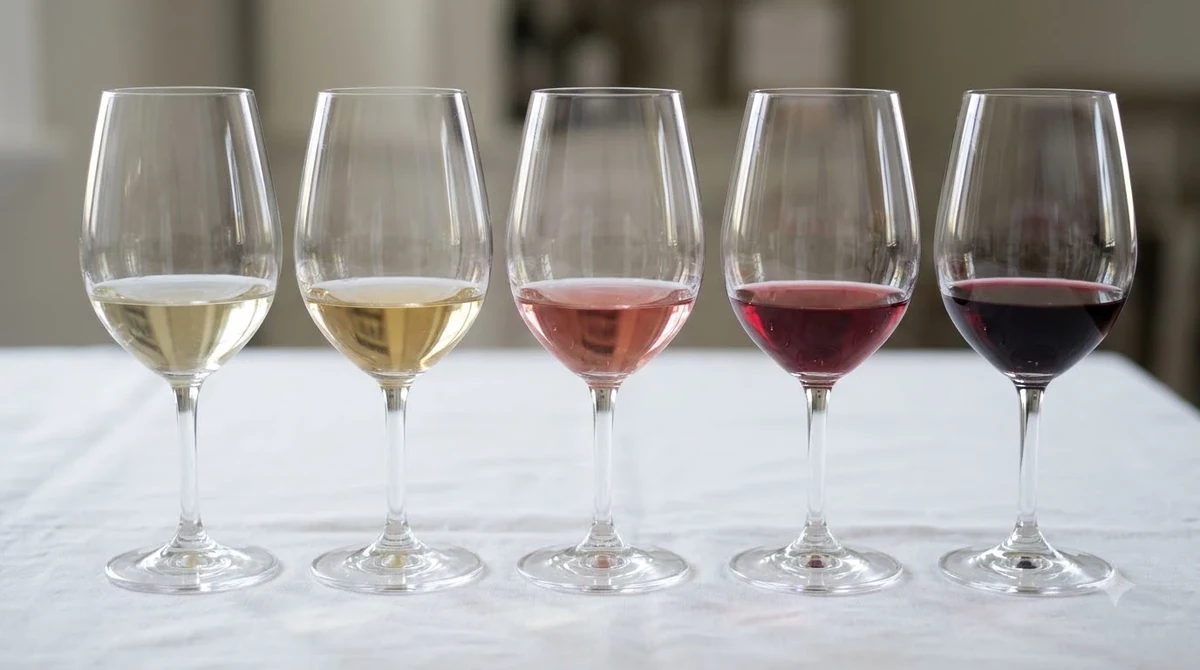
There are two distinct paths producers take when crafting peach wine for the market. Pure fruit winemakers start with whole, ripe peaches—removing the pits while keeping the skins intact to contribute natural color, subtle tannins, and phenolic grip. As detailed in WineMaker Magazine’s guide to stone-fruit winemaking, commercial fruit producers typically use around five pounds of fresh peaches per gallon, adding cane sugar to bring the must to a target starting gravity alongside pectic enzyme to break down fruit solids and prevent haziness. After primary fermentation with clean, neutral yeast strains like EC-1118, the wine is racked off the pulp and often back-sweetened slightly before bottling to balance its natural acidity.
The second major category consists of peach-infused grape wines, which dominate grocery store shelves and casual tasting rooms. In this style, a winemaker ferments an aromatic or neutral white grape—such as Moscato, Riesling, or airen grape—and blends in natural peach juice or essence prior to bottling. While pure fermented peach wines showcase earthy, fermented orchard depth and a soft golden-coral hue drawn from red-blushed peach skins, grape-based peach wines prioritize bright, immediate fruitiness and lower alcohol levels.
Flavor Profile and Styles of Peach Wine
Peach wine spans a spectrum from bone-dry and crisp to lusciously sweet and lightly effervescent, anchored by unmistakable aromas of sun-ripened yellow and white peaches. While grape wines occasionally exhibit secondary stone-fruit notes, a true peach wine places ripe orchard character front and center from the first swirl.
Dry and off-dry expressions often surprise drinkers who expect syrupy sweetness. When fermented completely dry without heavy back-sweetening, pure peach wine loses its overt confectionary edge and reveals delicate floral notes, honeysuckle, almond skin, and a clean, mineral-like finish. Because peaches carry bright natural acidity—typically landing around a pH of 3.35 to 3.5 in well-balanced harvests—dry styles feel brisk and refreshing on the palate, sharing structural similarities with high-acid whites like arinto wine.
Sweet and sparkling styles represent the most widely recognized side of the category. Semi-sweet bottlings retain noticeable residual sugar that amplifies the sensation of biting into a fresh summer freestone peach, often accompanied by secondary hints of apricot, nectarine, and citrus blossom. Many Italian-inspired and domestic patio wines also introduce a gentle frizzante sparkle, keeping the alcohol low—frequently between 5 and 6 percent ABV—so the sweetness feels lively rather than cloying.
| Style Category | Base Ingredients | Typical ABV | Sweetness Level | Key Tasting Notes |
|---|---|---|---|---|
| Pure Orchard Peach Wine | 100% peaches, cane sugar, water | 11% – 12.5% | Dry to Semi-Sweet | Ripe peach flesh, subtle skin tannin, honeysuckle, earthy finish |
| Peach-Infused White Wine | White wine base + peach juice/extract | 8% – 11% | Off-Dry to Sweet | Fresh peach nectar, crisp apple, citrus zest, clean palate |
| Sparkling Peach Moscato | Moscato grapes + natural peach flavor | 5% – 6.5% | Sweet | Candied peach, apricot, orange blossom, gentle fizz |
| Dessert / Late-Harvest Style | Concentrated peaches + added sugar | 12% – 14% | Richly Sweet | Peach jam, honey, baked stone fruit, viscous mouthfeel |
Where Peach Wine Is Produced
Unlike regulated European appellations tied to specific soil types and grape varieties, peach wine production thrives wherever commercial peach orchards and regional farm wineries overlap. Across the United States, states famed for their summer stone-fruit harvests—including Georgia, South Carolina, New Jersey, Michigan, and New Hampshire—host dozens of family-owned wineries dedicated to fermenting local harvests.
In the American South and Mid-Atlantic, peach wine has long served as a staple of seasonal agritourism. Farm wineries in these regions source freestone varieties directly from neighboring growers during peak summer months, freezing or crushing the fruit immediately to preserve volatile aromatics. Because stone fruit spoils rapidly compared to thick-skinned wine grapes, proximity between the orchard and the fermentation tank is critical for clean flavor.
Beyond North America, European producers—particularly in Italy and Eastern Europe—craft popular peach-flavored grape wines and orchard fruit wines. Italian wineries frequently pair aromatic Piedmontese varieties like Moscato or brachetto grape with natural peach extracts to create low-alcohol, lightly sparkling bottles built for warm-weather aperitif culture, while agricultural regions along the Black Sea coast produce traditional, fuller-bodied stone-fruit dessert wines.
How to Serve Peach Wine
Peach wine should always be served well-chilled, ideally between 45°F and 50°F (7°C to 10°C), to keep its fruit aromas vibrant and prevent residual sugar from feeling heavy. Serving it straight from a standard kitchen refrigerator—which typically sits around 38°F—can temporarily mute its delicate floral aromatics, so letting the bottle rest on the counter for ten minutes before pouring allows the bouquet to open up.

Glassware plays a subtle but helpful role in highlighting the wine’s character. A standard stemmed white wine glass or a tulip-shaped flute works best, as the narrower bowl concentrates volatile stone-fruit esters toward the nose while directing the wine cleanly across the palate. Holding the glass by the stem rather than the bowl prevents body heat from warming the pour too quickly during outdoor gatherings.
Because peach wine is crafted for fresh, immediate enjoyment rather than long-term cellar aging, no decanting is necessary. Unopened bottles should be stored upright in a cool, dark cabinet away from direct sunlight and temperature swings. Once opened, seal the bottle tightly with a cork or vacuum stopper and keep it refrigerated; still peach wines hold their freshness for three to five days, while sparkling versions should be finished within two days before the carbonation fades.
Tip: For casual backyard gatherings or hot summer afternoons, freeze whole peach slices and drop two or three into your glass instead of ice cubes—they keep the wine chilled without diluting its flavor.
Food Pairings for Peach Wine
Peach wine shines at the dining table when paired with salty, smoky, or moderately spicy dishes that contrast with its ripe stone-fruit sweetness and bright acidity. While many drinkers instinctively reserve fruit wines for pastries and vanilla ice cream, savory pairings often bring out far more complexity in the glass.
Smoky barbecue and roasted meats are natural partners for off-dry and semi-sweet peach wines. Pulled pork, baby back ribs, and herb-grilled chicken breasts benefit from the classic culinary affinity between pork, poultry, and stone fruit. When pairing with barbecue, keep heavily sweetened sauces on the lighter side so the dish remains savory enough to balance the wine’s natural fruitiness.
Spicy cuisines also benefit from a chilled pour of peach wine. Dishes seasoned with jalapeño, cayenne, or Thai chili—such as spicy shrimp tacos, buffalo wings, or mild red curry—can feel overwhelmingly hot alongside high-alcohol, tannic red wines. A low-ABV, slightly sweet peach wine cools the palate between bites while harmonizing with fresh garnishes like cilantro, lime, and pickled onions. As noted in Wine Enthusiast’s guide to pairing wine with peaches, stone fruit also shares natural affinities with ginger, nuts, basil, and creamy dairy—making soft-ripened Brie, goat cheese crostini, and prosciutto-wrapped melon effortless appetizer matches.
How to Choose a Quality Bottle
Selecting a well-made peach wine starts with reading the back label closely to verify whether the bottle is fermented from real fruit or flavored artificially. Look for clear wording such as “100% peach wine,” “fermented from fresh peaches,” or “white wine with natural peach juice,” and steer clear of bottles that list artificial flavors, corn syrup, or synthetic dyes.
Checking the alcohol by volume (ABV) offers an immediate clue to the wine’s body and production method before you ever pull the cork. Bottles sitting at 5 to 6.5 percent ABV are almost always light, sweet, grape-based spritzers meant for casual sipping or brunch cocktails. Bottles bottled at 11 to 12.5 percent ABV indicate a full fermentation, usually signaling a true orchard fruit wine with greater texture, drier balance, and more food-pairing versatility.
Finally, inspect the bottle’s appearance and vintage if one is listed. Peach wine is meant to be consumed young, ideally within one to two years of bottling, while its fresh orchard aromatics remain bright. Favor bottles packaged in clear or light-tinted glass that show a luminous pale gold, straw, or soft coral hue—avoiding any bottle whose color has turned dull brown or amber, which suggests oxidation from prolonged shelf storage. Exploring broader Wine by Type guides can also help you compare fruit wines against aromatic white varietals when planning your next tasting.
Frequently Asked Questions
Is peach wine always sweet?
No, peach wine is not always sweet, though semi-sweet and sweet styles are the most common commercially. Winemakers can ferment peaches completely dry, producing a crisp, floral wine with bright acidity and subtle almond-skin notes. Checking the ABV and residual sugar notes on the back label helps indicate whether a bottle leans dry or dessert-style.
Does peach wine contain actual grapes?
It depends on how the bottle is made. Traditional orchard peach wines are fermented entirely from fresh peaches, sugar, and water with zero grapes involved. However, many commercial peach wines—especially low-ABV sparkling styles—use a white grape wine base such as Moscato blended with natural peach juice or essence.
What is the typical alcohol content of peach wine?
Pure fermented peach wines typically fall between 11 percent and 12.5 percent ABV, similar to standard white table wines. By contrast, lightly sparkling peach-flavored grape wines and spritzers generally sit much lower, ranging from 5 percent to 6.5 percent ABV.
Can you use peach wine in cocktails or sangria?
Yes, peach wine works exceptionally well as a base for warm-weather cocktails and white sangria. Chilled semi-sweet peach wine pairs effortlessly with dry sparkling wine for a quick Bellini-style spritz, or with sliced stone fruit, fresh berries, and a splash of club soda for a refreshing pitcher drink.
Whether crafted from whole orchard harvests in rural tasting rooms or blended into a breezy Italian spritzer, peach wine offers an approachable, aromatic alternative to conventional grape varietals. Paying attention to whether a bottle is pure fermented fruit or grape-based—and serving it properly chilled alongside savory, smoky, or lightly spiced dishes—lets you experience the full range of what stone-fruit winemaking can bring to the table.
More in Wine Types & Grapes
 Zinfandel Sugar Content: Dry Red vs. White Zinfandel GramsUpdated Nov 21, 2026
 Best Zinfandel Substitute Options for Sipping and CookingUpdated Nov 21, 2026
 Zweigelt Food Pairing: Best Dishes, Cheeses, and Serving TipsUpdated Nov 21, 2026
 Zinfandel Tannins Explained: How Structure Shapes Every BottleUpdated Nov 21, 2026
 Zinfandel Sweetness Level: Dry Red vs. Sweet White Zin ExplainedUpdated Nov 21, 2026
 Xinomavro Food Pairing: Best Dishes, Styles, and Serving TipsUpdated Nov 21, 2026