

We may earn a commission when you buy through links on this page, at no extra cost to you. Learn more.
What is orange muscat? It is a fragrant white wine grape variety—scientifically a crossing of Muscat Blanc à Petits Grains and Chasselas—prized for its intense aromas of orange blossom, apricot, and candied citrus peel. Unlike skin-contact “orange wine,” orange muscat gets its name from its vivid citrus perfume rather than its color. Winemakers craft it into styles ranging from crisp, dry whites to lightly sparkling bottlings and rich, fortified dessert wines.
Because the word “orange” appears in the title, plenty of shoppers pick up a bottle expecting an amber-hued, tannic skin-contact pour. Instead, they discover one of the most expressive members of the broader Muscat family, offering bright acidity, lush stone fruit, and floral aromatics that work equally well alongside spicy takeout or a slice of almond cake.
What It Is
Orange muscat is a distinct Vitis vinifera white grape cultivar rather than a flavored wine or a specific winemaking technique. According to Wine-Searcher, DNA profiling confirmed that the grape is a natural or historic crossing between Muscat Blanc à Petits Grains and the Swiss table-and-wine variety Chasselas. While its exact birthplace remains debated between France and Italy, growers have cultivated it for generations under regional names that celebrate its signature scent.
In France, the grape goes by Muscat Fleur d’Orange or Muscat Fleur d’Oranger, which translates directly to “orange blossom muscat.” Across the border in northern Italy’s Veneto region, vintners call it Moscato Fior d’Arancio, carrying the exact same botanical meaning. Despite belonging to the vast Muscat clan—which spans hundreds of related varieties—orange muscat stands apart thanks to a higher concentration of aromatic compounds called monoterpenes, alongside naturally higher phenolic content in its skins that contributes a subtle, pleasant citrus-pith bitterness.
This distinction also helps clear up one of the most common points of confusion in the wine aisle. Standard orange wine can be made from any white grape fermented on its skins until the juice turns amber, whereas orange muscat is the actual grape variety itself. Producers can ferment orange muscat juice cleanly off the skins for a pale gold wine, or give it brief skin contact to amplify those marmalade and floral notes.
Flavor and Styles
The defining trait of orange muscat is an unmistakable nose of fresh orange blossom, tangerine zest, honeysuckle, and ripe apricot. On the palate, the grape typically delivers medium body, low tannin, and medium-to-high acidity that keeps even its sweetest expressions feeling lively rather than heavy or syrupy.
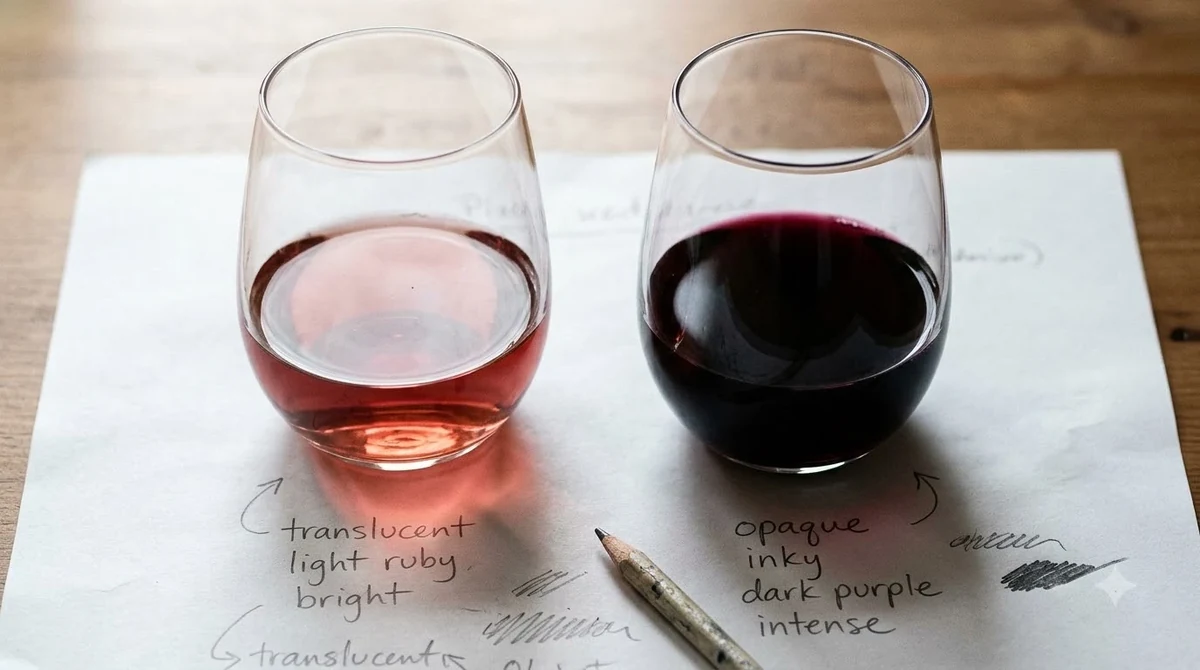
Depending on when the grapes are harvested and how the winemaker handles fermentation, orange muscat appears in three primary styles on retail shelves:
- Dry and Off-Dry Table Wines: Fermented until most or all of the natural grape sugar converts to alcohol, dry orange muscat smells intensely sweet and floral on the nose while finishing crisp, zesty, and refreshing. Off-dry versions retain a touch of residual sugar that rounds out the citrus peel bitterness and highlights white peach and ginger notes.
- Lightly Sparkling (Frizzante): Particularly popular in northern Italy’s Colli Euganei DOCG, lightly fizzy bottlings capture bright mandarin, pear, and white flower aromatics at lower alcohol levels, making them effortless warm-weather aperitifs.
- Late-Harvest and Fortified Dessert Wines: When left on the vine to concentrate sugars or fortified with neutral grape spirit during fermentation, orange muscat transforms into a luscious golden nectar. Reviewers at Wine Enthusiast and other publications frequently note flavors of bitter orange marmalade, poached apricot, toasted almond, and honey balanced by brisk natural acidity.
| Style | Sweetness Level | Typical Alcohol (ABV) | Key Tasting Notes |
|---|---|---|---|
| Dry Still | Dry | Medium (around 12% to 13.5%) | Orange blossom, lemon zest, white peach, subtle pith |
| Off-Dry / Frizzante | Semi-sweet | Low to Medium (around 5.5% to 11%) | Tangerine, honeysuckle, fresh apricot, crisp pear |
| Fortified / Late Harvest | Sweet | Elevated (around 15%) | Orange marmalade, honey, toasted almond, candied peel |
Where It Grows
Although orange muscat likely originated in Europe, its modern reputation has been shaped primarily by New World vineyards in the United States and Australia. As Wine Enthusiast notes, the grape was once relatively common in France and Italy, yet today it is most widely celebrated in California, Washington, Oregon, and pockets of Australia.
California remains the spiritual home of modern varietal orange muscat. In the early 1980s, winemaker Andrew Quady discovered an overlooked block of orange muscat vines in California’s San Joaquin Valley and used the fruit to create Essensia, a lightly fortified dessert wine that put the grape on the American map. Today, growers across Madera, Lodi, Amador County, Paso Robles, and Mendocino cultivate the grape, taking advantage of warm daytime sunshine to ripen the fruit and cool nighttime breezes to lock in natural acidity.
Further north in the Pacific Northwest, Washington’s Columbia Valley and Yakima Valley—along with Oregon’s Columbia Gorge—produce vibrant, aromatic bottlings that often lean toward crisp dry or delicately off-dry profiles. Meanwhile, Italy still maintains a cherished stronghold in the Euganean Hills (Colli Euganei) of Veneto, where Moscato Fior d’Arancio is bottled as both a fragrant sparkling wine and a rich passito dessert wine made from air-dried grapes, and around ten wineries in Australia continue to bottle small-lot examples.
How to Serve
Serving orange muscat at the right temperature ensures its delicate floral aromatics shine without letting sweetness or alcohol overwhelm the palate. Dry, off-dry, and lightly sparkling versions show best well chilled, while rich fortified bottlings benefit from a slightly gentler chill so their complex marmalade and nut aromas can open up.
For dry and off-dry still wines, aim for a refrigerator chill of 45 to 50 degrees Fahrenheit and pour into a standard tulip-shaped white wine glass. The tapered bowl funnels the heady orange blossom and stone-fruit perfume straight toward your nose while keeping the wine cool in the glass.
If you are pouring a fortified or late-harvest orange muscat, let the bottle warm slightly out of the fridge to around 50 to 55 degrees Fahrenheit and use a smaller dessert wine or cordial glass. A standard three-ounce dessert pour is plenty, as the concentrated citrus, honey, and spice notes coat the palate generously. Once opened, dry styles keep well in the refrigerator with a tight stopper for three to five days, whereas fortified versions can stay fresh in the fridge for several weeks.
Tip: If a bottle of fortified orange muscat tastes too sweet straight from the pantry, chill it down for an hour before serving—cooler temperatures sharpen its natural citrus acidity and keep the finish crisp.
Food Pairing
Orange muscat’s combination of fragrant fruit, bright acidity, and gentle citrus-pith edge makes it remarkably adaptable at the dinner table. Rather than saving it strictly for the final course, you can match dry and off-dry bottles with savory, spiced, or salty dishes that contrast the grape’s natural perfume.
Dry and off-dry orange muscat excels alongside aromatic Asian and Latin American cuisines. The floral tangerine and apricot notes cool down the chili heat in Thai green curry, Sichuan noodles, or spicy carnitas tacos, while the crisp acidity cleanses the palate between bites. Lighter styles also pair neatly with seared scallops, crab cakes, or roasted pork tenderloin glazed with citrus and herbs.
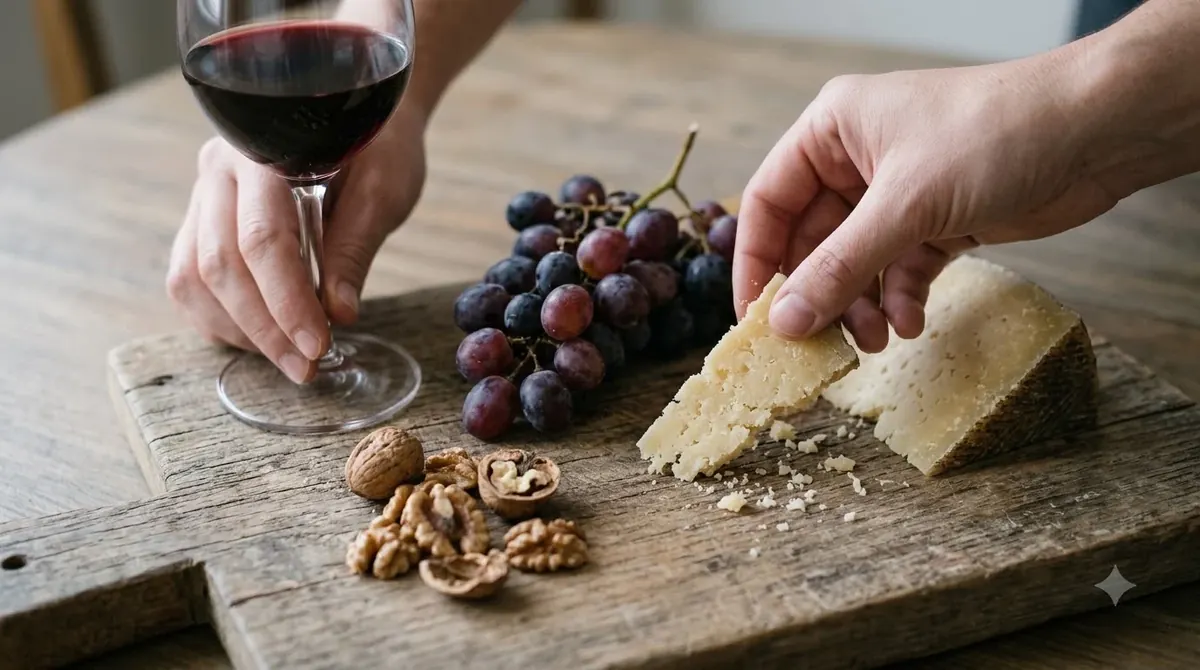
When serving sweet, late-harvest, or fortified orange muscat, match the wine’s weight with either fruit-driven desserts or salty, pungent cheeses. Classic sweet pairings include apricot galettes, peach cobbler, almond biscotti, vanilla panna cotta, and dark chocolate truffles laced with candied orange peel. For a savory counterpoint after dinner, set out wedges of salty blue cheese like Gorgonzola or Roquefort—the interplay between creamy, briny cheese and sweet orange marmalade wine is effortless.
How to Choose a Bottle
Because producers make orange muscat in wildly different sweetness levels, checking three clues on the label before you buy will help you bring home the exact style you want. Unlike some grapes that always taste dry, orange muscat requires a quick look at alcohol percentage, bottle size, and regional terms.
- Check the Alcohol by Volume (ABV): Alcohol is your clearest clue to sweetness. Bottles hovering between 5.5 and 10 percent ABV are typically lightly sweet and refreshing; bottles between 12 and 13.5 percent ABV are usually dry or barely off-dry; and bottles at 15 percent ABV or higher are almost always fortified dessert wines.
- Look at the Bottle Format: Many late-harvest and fortified orange muscats are sold in 375ml half-bottles designed for after-dinner pouring. Standard 750ml bottles are more common for dry table wines and lightly sparkling Italian styles, though a few flagship fortified producers offer both sizes.
- Scan for Style Keywords and Synonyms: Words like “Late Harvest,” “Essensia,” “Passito,” or “Dessert Wine” signal rich sweetness. Conversely, labels from Washington State, Oregon, or California that list “Dry Orange Muscat” or omit dessert terminology generally lean crisp and food-friendly, while Italian bottles labeled “Moscato Fior d’Arancio” often feature gentle effervescence.
If you are exploring the broader family of aromatic grapes across Wine by Type, comparing orange muscat side by side with a classic muscat blanc wine or a fuller-bodied muscat of alexandria wine is a great way to taste how each cultivar expresses citrus, floral, and stone-fruit aromatics differently.
Frequently Asked Questions
Is orange muscat the same thing as orange wine?
No, they are completely different concepts. Orange muscat is a specific white grape variety named for its strong orange-blossom aroma, whereas orange wine is a winemaking style made by fermenting any white grape with its skins to create an amber color and grippy tannins.
Is orange muscat wine always sweet?
No, although sweet fortified and late-harvest bottles are the most famous examples, winemakers also produce completely dry and lightly off-dry orange muscat. Checking the back label for residual sugar notes or looking at the ABV helps confirm whether a bottle is dry or sweet.
Does orange muscat contain real oranges or citrus juice?
No, orange muscat is made purely from fermented wine grapes without any added oranges, juice, or flavorings. Its vivid tangerine, orange blossom, and marmalade notes come naturally from aromatic compounds in the grape skins.
How do you pronounce orange muscat?
You pronounce it “OR-inj MUS-kat,” with the second word rhyming with “muskrat” minus the “r.” If you want to practice regional variations like Moscato or Muscadet, check out our quick guide on how to pronounce muscat.
Whether poured crisp and dry next to spicy weeknight noodles or sipped chilled alongside an almond tart, orange muscat offers an unmistakable burst of citrus blossom that stands out in any glass. Keep an eye on the ABV and label cues when shopping, and you will easily find a bottle tailored to your table.
More in Wine Types & Grapes
 What Is Pinot Noir Rose? Flavor, Styles, and Serving GuideUpdated Nov 21, 2026
 What Is Peach Wine? Styles, Flavor, Serving, and PairingsUpdated Nov 21, 2026
 What Is Negroamaro? Your Guide to Puglia’s Bold Red WineUpdated Nov 21, 2026
 What Is Lagrein? Alto Adige’s Bold Alpine Red Grape ExplainedUpdated Nov 21, 2026
 What Is Nerello Mascalese? Sicily’s Volcanic Red Grape ExplainedUpdated Nov 21, 2026
 What Is Moschofilero? A Guide to Greece’s Aromatic White WineUpdated Nov 21, 2026