


We may earn a commission when you buy through links on this page, at no extra cost to you. Learn more.
Muscat blanc wine is an aromatic white wine made from Muscat Blanc, also called Muscat Blanc à Petits Grains, and it can be dry, sweet, sparkling, or fortified. Its signature scents often include orange blossom, honeysuckle, citrus, peach, and fresh grapes. The best-known expression is the gently sparkling Moscato d’Asti from Piedmont, Italy, but the grape produces much more than one sweet style.
Muscat Blanc deserves a closer look because its perfume can be unmistakable while its texture, sweetness, and alcohol level vary widely. Understanding the grape name, regional styles, and label terms makes it easier to choose a bottle for an aperitif, a meal, or dessert.
What Muscat Blanc Wine Is
Muscat Blanc is a white wine grape in the Muscat family, a group known for intense floral and fruit aromas. It is also called Muscat Blanc à Petits Grains, Moscato Bianco, and Muscat Canelli; these names can point to the same grape, although regional labeling traditions differ.
The grape is a member of Vitis vinifera, the European wine-grape species, and the University of California, Davis Foundation Plant Services lists Greece as its country of origin. The French name Muscat à petits grains refers to the grape’s small berries. It has been cultivated around the Mediterranean for centuries, and many wine references regard it as one of the oldest members of the Muscat family. Its fragrant character is the defining feature: the aroma is often apparent before the wine reaches the palate.
One point of confusion is that “Muscat” is a family name rather than a guarantee of one exact variety. Muscat of Alexandria and Muscat Ottonel are different grapes, even though they can also produce wines labeled or described as Muscat. The Wine Institute notes that California Muscat wines may be made from Muscat Blanc, Muscat of Alexandria, Orange Muscat, and other varieties. To learn more about the vine itself, see this overview of the muscat blanc grape.
Aroma, Flavor, and Sweetness
The most reliable tasting clue is a pronounced floral, citrus, and fresh-fruit aroma. Depending on the region and winemaking, Muscat Blanc can smell like orange blossom, honeysuckle, jasmine, mandarin, lemon peel, pear, peach, apricot, or ripe table grapes.
On the palate, lighter examples tend to feel lively and direct, with juicy fruit and a clean finish. Moscato d’Asti often combines peach and pear flavors with a soft fizz and a gently sweet finish. A dry Muscat Blanc may still smell richly perfumed, but its finish is crisp or savory rather than sugary. In other words, an intense fruit aroma does not necessarily mean the wine contains a high amount of residual sugar.
Sweetness can range from bone-dry to dessert-level. Dry bottlings may carry citrus zest, herbs, and a slightly bitter peel note; off-dry examples usually balance ripe fruit with freshness; sweeter wines can show honey, candied orange, apricot, and syrupy texture. The grape’s fragrance is consistent, but the balance between sweetness, acidity, alcohol, and body changes with harvest ripeness and cellar decisions. The word “Moscato” on a front label is therefore not enough by itself to predict exactly how sweet a bottle will taste.
Regions and Appellations to Know
Piedmont in northwestern Italy is the reference point for Moscato Bianco, especially the Moscato d’Asti and Asti wines associated with the hills around Asti, Alessandria, and Cuneo. Muscat Blanc also has important homes in southern France, Alsace, Spain, and California, where climate and local traditions create quite different interpretations.
In Piedmont, the Asti DOCG production zone covers 51 municipalities across the provinces of Asti, Alessandria, and Cuneo, according to the Asti wine consortium. Its production specification sets a maximum grape yield of 10 metric tons per hectare. Moscato d’Asti is the familiar sweet, lightly sparkling expression, while Asti Spumante is made in a more fully sparkling style and can be produced at different sweetness levels. The wines are built around the grape’s natural perfume, often recalling wisteria, acacia, sage, peach, and orange blossom.
Southern France offers a broader range of dry and sweet Muscat wines. Roussillon and Languedoc are known for fortified Muscat styles, including Muscat de Rivesaltes and Muscat de Frontignan, while Muscat de Beaumes-de-Venise is associated with the Rhône Valley. In Alsace, Muscat is commonly made as a dry aromatic white. Spain uses names such as Moscatel, and California producers bottle both dry and sweet Muscat wines. Wine Enthusiast also identifies California, Oregon, France, and Spain as places where Muscat grapes are grown, showing that the grape is not tied to one country or taste profile.
For a practical guide to the range of grapes and wine styles beyond this variety, browse wine by type. Regional names can tell you a great deal, but the exact style still depends on the local appellation rules and the producer’s approach.
Winemaking Styles and What They Mean
Muscat Blanc is unusually flexible in the cellar: producers can ferment it to dryness, preserve some natural grape sugar, retain a little carbon dioxide, dry the fruit before fermentation, or fortify the wine. These choices explain why one bottle can be a refreshing aperitif while another belongs beside a dessert course.
Still dry and off-dry wines are fermented until most or all of the grape sugar has turned into alcohol, or fermentation is stopped with some sugar remaining. Dry wines emphasize citrus, herbs, and floral notes; off-dry examples carry a rounder peach or pear character. Some producers use skin contact, lees stirring, or barrel aging to add texture, spice, or weight, particularly in fuller dry examples from southern France, Spain, or California.
Lightly sparkling wines retain carbon dioxide during fermentation or are made under pressure. Moscato d’Asti is partially fermented in a pressure tank, and fermentation is stopped at about 5% alcohol by volume, according to the Asti consortium. Wine Enthusiast describes the style as typically around 5% to 6% alcohol, with sweetness, light body, and gentle bubbles. Asti Spumante is the more fully sparkling counterpart. Pét-nat Muscat is another option: it is bottled during its first fermentation, so the resulting bubbles are generally softer than those in a traditionally made sparkling wine.
Passito and fortified wines take the grape in a richer direction. For passito, harvested grapes are dried to concentrate flavor and sugar before fermentation; some Italian examples are made from fruit dried for days or months. Fortified Muscat wines receive grape spirit during or after fermentation, preserving sweetness and adding warmth. The result can be amber, honeyed, and intense, with dried apricot, orange peel, and spice. Decanter’s overview of Moscato styles describes both dry Sicilian Muscat and concentrated passito wines.
| Wine or example | Verified number | What it tells you |
|---|---|---|
| Moscato d’Asti DOCG | About 5% ABV at fermentation stop | Partial fermentation preserves sweetness and a gentle sparkle. |
| Moscato d’Asti DOCG | 4.5% minimum actual ABV | The appellation specification sets a minimum; individual bottles can be higher. |
| Asti Spumante DOCG, sweet style | 7% minimum actual ABV | The sweet Asti category is stronger than the typical Moscato d’Asti. |
| Vignalta Alpianae Passito, Veneto | 4 months of grape drying; 18 months in French oak | A specific passito example shows how drying and barrel maturation build richness. |
The figures describe named appellations or a specific wine, not universal rules for every bottle made from Muscat Blanc. For more examples of how the variety changes with dryness, body, and cellar choices, see Wine Enthusiast’s guide to Moscato styles.
Food Pairings for Dry and Sweet Bottles
Match the wine’s sweetness and acidity to the food rather than pairing every Muscat with dessert. Dry Muscat works well with aromatic herbs, seafood, and lighter savory dishes, while sweeter versions are at their best with foods that are equally sweet or less sweet than the wine.
A dry bottle can pair with grilled prawns, smoked trout, chicken with lemon, green salads, or fresh goat cheese. Its floral aromas complement herbs such as mint, basil, and tarragon, while citrus notes suit dishes finished with lemon or orange. Decanter recommends dry Moscato with white meats, smoked fish, and lighter terrines. Choose a clean, dry style for delicate fish; a richer, skin-contact Muscat can stand up to roasted vegetables, grilled seafood, or dishes with a little more texture.
For sweet Muscat, try fruit tarts, almond cake, peach cobbler, lemon meringue pie, or a bowl of fresh berries. The wine should be at least as sweet as the dessert, otherwise the wine may taste thin or sharply acidic beside it. Salty foods can also make a useful contrast: blue cheese, aged sheep’s cheese, prosciutto, and salted nuts bring out the fruit while tempering the impression of sweetness. Moscato d’Asti is an easy partner for fruit-based desserts, brunch pastries, and mildly spicy dishes that do not overwhelm its delicate bubbles.
For spicy food, choose a lower-alcohol, gently sweet style rather than a powerful fortified Muscat. Sweetness can soften chili’s bite, but high alcohol can make heat feel stronger, so a warm, high-alcohol fortified wine is usually less forgiving with hot peppers. Avoid pairing tannic red wine with oily fish; that problem is less relevant to Muscat Blanc, which is a white grape, but it is useful to keep in mind when planning a mixed wine menu.
Serving, Storing, and Choosing a Bottle
Serve Muscat Blanc according to its style: light, gently sparkling wines should be cold, dry whites should be cool rather than icy, and richer dessert wines benefit from a little more warmth in the glass. A suitable temperature helps preserve the perfume without muting the wine’s texture.
For Moscato d’Asti and other lightly sparkling Muscat wines, aim for about 40–45°F. Serve light, dry Muscat around 45–50°F, and fuller or skin-contact versions closer to 50–55°F. Sweet dessert Muscat is usually best around 43–50°F. Use a small white-wine glass for still versions and a regular tulip-shaped sparkling glass for fizzy examples; a narrow flute can make the bubbles last, but a slightly wider bowl gives the floral aromas more room to open.
Choose by the style words and the region. “Sec” or “dry” signals a drier profile in many French bottlings; “Moscato d’Asti” points to a sweet, low-alcohol, lightly sparkling wine; “Passito” indicates dried-grape sweetness; and “Vin Doux Naturel” signals a fortified sweet wine in French regions. On a restaurant list, ask whether the wine is still or sparkling and whether it is dry, off-dry, or sweet. For more serving details on an aromatic white, this guide to how to serve sauvignon blanc offers a useful comparison, though Muscat’s bubbles and sweetness may call for a colder pour.
Tip: Chill a bottle of Moscato d’Asti in the refrigerator for a few hours, then open it just before serving. Keep the bottle cold between pours so the light fizz stays lively, and use smaller pours if the wine is sweet.
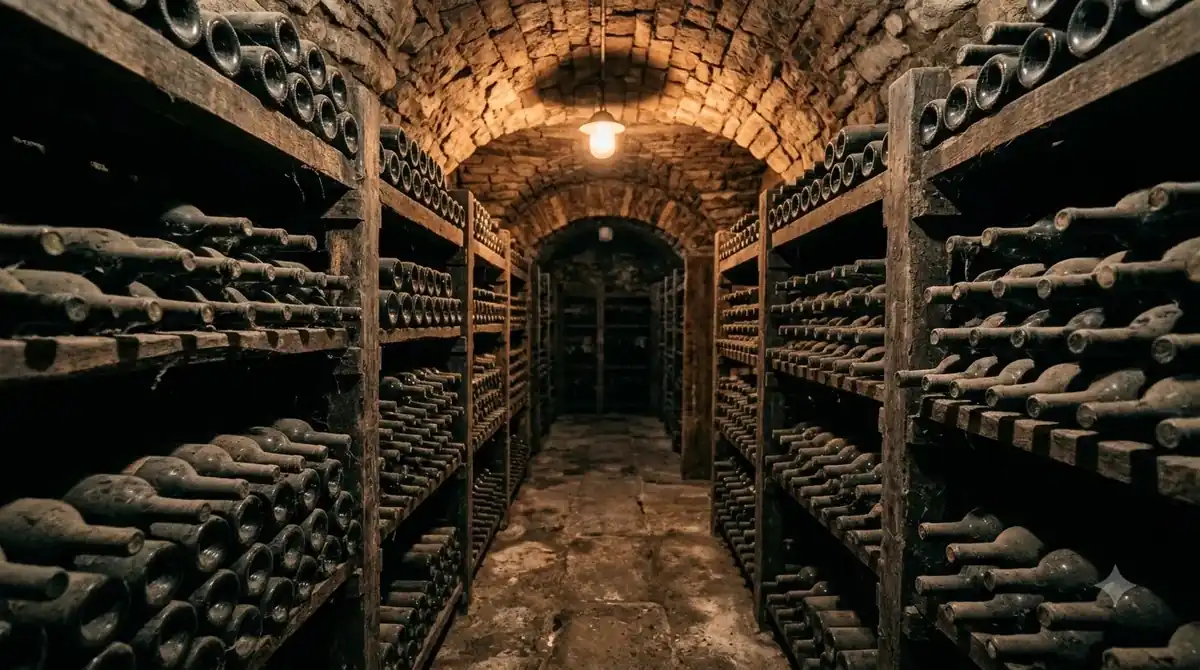
Store unopened bottles in a cool, dark place away from heat and temperature swings. For longer storage, keep cork-finished bottles on their side at around 55°F; most fresh, aromatic Muscat is made to be enjoyed young rather than held for many years. After opening, reseal the bottle and refrigerate it. A still Muscat is generally best within three to five days, while a sparkling bottle usually keeps its liveliness for one to three days with a proper sparkling-wine stopper.
Frequently Asked Questions
These answers clear up common questions about grape names, label terms, and the production details behind famous Moscato wines.
What does DOCG mean on a Moscato d’Asti label?
DOCG stands for Denominazione di Origine Controllata e Garantita, an Italian designation that ties a wine to a defined origin and production rules. The Asti designation received DOCG status in 1993 and covers both Asti Spumante and Moscato d’Asti.
Why do some labels say Muscat Canelli?
Muscat Canelli is an established synonym for Muscat blanc, not a separate Muscat variety. The University of California, Davis Foundation Plant Services lists “Muscat blanc (Muscat Canelli)” among the names approved for U.S. labeling.
Why is Moscato d’Asti harvested by hand?
The Asti consortium says the aromatic compound linalool reaches its highest concentration in the final weeks before the grapes are picked in early September. Harvesting by hand helps keep the bunches intact and protect the grape aromas.
What does linalool contribute to Muscat Blanc?
Linalool is a naturally occurring terpene associated with floral aromas in grapes and other plants. In Muscat, it is one of the compounds behind the flower-like perfume that can suggest orange blossom and other fragrant botanicals.
Is Muscat Blanc grown only for winemaking?
No. The University of California, Davis Foundation Plant Services lists both table grapes and wine grapes among its uses. That means the variety is recognized for fresh-fruit use as well as for producing aromatic wines.
Muscat Blanc is a useful grape to know because its aromatic signature remains clear across a wide range of styles, from crisp dry whites to softly sparkling Moscato d’Asti and concentrated dessert wines. Start with the sweetness and texture you enjoy, then use the region and label terms to find the expression that suits the occasion.
More in Wine Types & Grapes
 Zinfandel Sugar Content: Dry Red vs. White Zinfandel GramsUpdated Nov 21, 2026
 Best Zinfandel Substitute Options for Sipping and CookingUpdated Nov 21, 2026
 Zweigelt Food Pairing: Best Dishes, Cheeses, and Serving TipsUpdated Nov 21, 2026
 Zinfandel Tannins Explained: How Structure Shapes Every BottleUpdated Nov 21, 2026
 Zinfandel Sweetness Level: Dry Red vs. Sweet White Zin ExplainedUpdated Nov 21, 2026
 Xinomavro Food Pairing: Best Dishes, Styles, and Serving TipsUpdated Nov 21, 2026