

We may earn a commission when you buy through links on this page, at no extra cost to you. Learn more.
Louis Roederer wine is Champagne from Louis Roederer, a family-owned house in Reims, France, founded in 1776 and known for its non-vintage Brut Premier and its prestige cuvée Cristal. The house makes sparkling wine from Chardonnay, Pinot Noir, and Pinot Meunier, and it farms a large share of the grapes it uses on its own estate. This guide explains what the house is, how its main bottlings differ, and how to serve and pair them well.
Many shoppers see the name on a shelf and are not sure whether it is a still wine, a rosé, or a sparkler. Louis Roederer is a Champagne house, so the wines are sparkling and made under the rules of the Champagne region. Knowing that helps you choose the right bottle for a celebration, a holiday table, or a simple dinner.
Who Louis Roederer is
According to the Wikipedia entry on the house, Louis Roederer was founded in 1776 as Dubois Père and Fils. The founder’s heir later renamed it in 1833, and the company has stayed in family hands, with ownership still held by the Rouzaud descendants. It is one of the few independent, family-run Champagne houses that remains large enough to ship widely.
The house holds about 240 hectares of vineyards and grows roughly two-thirds of the grapes it needs. Of that vineyard land, about 75 hectares are farmed biodynamically. The same source says the house ships more than 3.5 million bottles a year to over 100 countries, which gives a sense of how the brand reaches shops and restaurants far from Reims.
The house also has a long link with the Russian court. Tsar Nicholas II named it the official wine supplier to the Imperial Court, and the early twentieth century brought financial strain from the Russian Revolution and U.S. Prohibition.
The main bottlings, compared
Louis Roederer makes several wines, but most shoppers meet three of them: the non-vintage Brut Premier, the prestige Cristal, and the rosé styles. Each one answers a different need, from an everyday celebration to a special occasion.
| Bottling | Style | Grape blend or key fact |
|---|---|---|
| Brut Premier | Non-vintage flagship, dry | About 40% Pinot Noir, 40% Chardonnay, 20% Pinot Meunier; makes up roughly 70 to 80% of production |
| Cristal | Prestige cuvée | About 40% Chardonnay and 60% Pinot Noir; first created in 1876 for Tsar Alexander II |
| Rosé Vintage | Vintage rosé | About 70% Pinot Noir and 30% Chardonnay, made by saignée |
The blend figures come from the house’s own description as summarized on Wikipedia. Blends change from one vintage to the next, so the table is a guide to the general approach rather than a fixed recipe for each bottle.
How Champagne grapes shape the taste
Champagne is a blend of three grapes: Chardonnay, Pinot Noir, and Pinot Meunier. According to Wine Folly’s Champagne guide, the blend is what gives the wine its range of flavors. Chardonnay tends to bring a lighter, more citrus and chalk-like edge, while Pinot Noir and Pinot Meunier add structure, body, and red-fruit notes when they are pressed carefully.
Because Louis Roederer’s flagship is a blend of all three grapes, it aims for a balanced style that works across many occasions. A Cristal with a heavier Chardonnay and Pinot Noir mix tends to show more depth and length, which is why it is kept for special meals and gifts.
The Wine Folly guide also notes that the most treasured Champagne wines age for a minimum of three years. Age on the cellar floor softens the bubbles and adds the toasty, bready notes many drinkers associate with a well-kept sparkler.
How to serve Louis Roederer Champagne
Serving temperature makes a noticeable difference with Champagne. Wine Folly recommends serving it between 38 and 45 degrees Fahrenheit, which is cold enough to keep the bubbles lively and the flavors crisp without numbing them. If a bottle has been sitting at room temperature, return it to the refrigerator before serving rather than pouring it warm.
The same guide recommends a flute glass. A tall, narrow flute helps the bubbles last and concentrates the aroma. A wide, shallow glass lets the wine lose its fizz faster and can make the aromas harder to notice. Pour slowly down the side of the glass to keep the foam manageable.
Once opened, reseal the bottle with a proper stopper and keep it chilled. Champagne loses its fizz over time once opened, so pour only what you expect to finish.
Food pairings that suit Louis Roederer
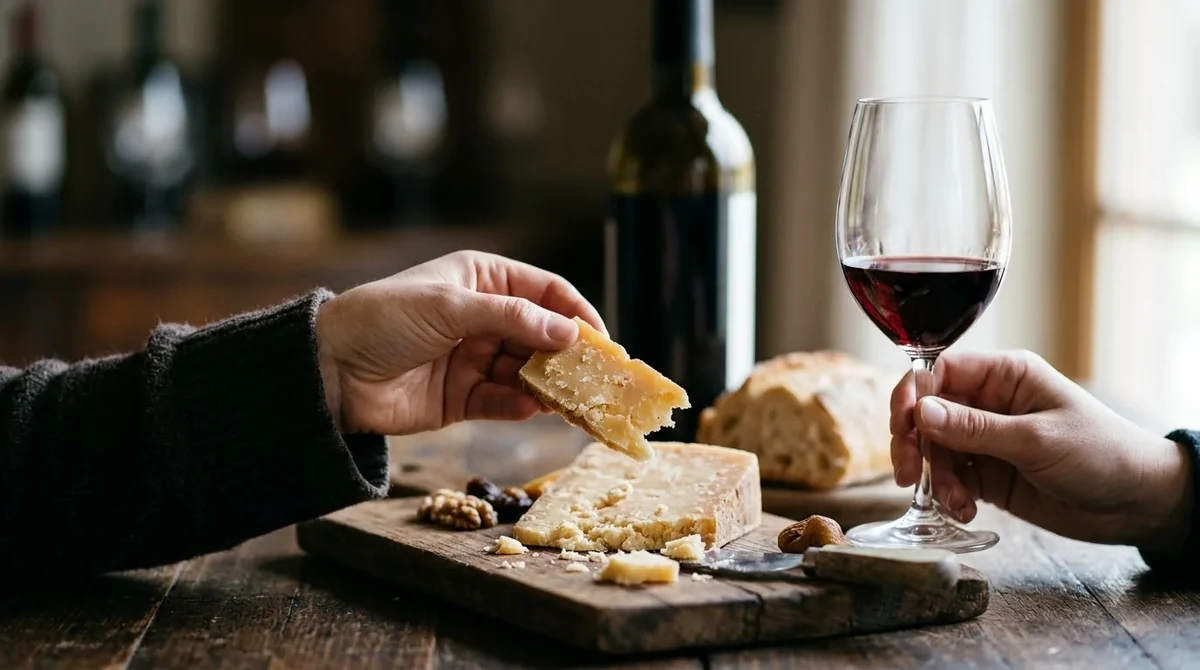
Champagne is one of the most flexible wines at the table, and the Brut Premier style works with a wide range of dishes. Its acidity and bubbles cut through fried food, so it is a natural match for fried chicken, crispy fish, and salty snacks. It also pairs well with oysters, sushi, and soft cheeses.
The fuller and more structured Cristal style can handle richer foods, such as roast poultry with cream sauces or mushroom dishes. Rosé Champagne works well with grilled salmon, charcuterie, and berry desserts, since its red-fruit character echoes the flavors on the plate.
When in doubt, match the wine’s weight to the dish. Lighter sparklers suit light starters, while richer bottles belong with the main course.
How to choose a bottle for your occasion
For a casual celebration or a gathering where several people will be pouring, a Brut Premier is a sensible choice because it is versatile and easy to share. For a toast at a milestone dinner, a prestige cuvée such as Cristal gives you a wine with more depth and a longer finish. Rosé is a good pick when you want color on the table or a bottle that pairs with a wider range of foods.
It also helps to think about the rest of the meal. If the menu is heavy and rich, a fuller sparkler can keep pace with it. If the meal is light, a crisp Brut Premier will not overwhelm delicate flavors.
Read the label to confirm whether you are buying a non-vintage or vintage bottling. Non-vintage wines are blended from several years for consistency, while vintage wines reflect a single harvest. Both are valid choices, but they taste different and are priced differently, so check the label before you pick up the bottle.
Who Louis Roederer suits
Louis Roederer is a good fit for people who want a classic Champagne with a clear house identity and a long history. It suits celebrations, holiday tables, and gifts, and it is also a practical choice for someone who wants one sparkling wine that works with many courses. Shoppers who prefer a sweeter sparkler should check the label for a sweetness term before buying, since the dry styles are the ones most often discussed here.
If you are comparing options within the wider category, you can explore the wine brands guide for more context on how producers differ. For a still red alternative to compare with Champagne at a dinner, the Antinori red wine guide covers a different style of bottle.
Frequently Asked Questions
Is Louis Roederer wine Champagne?
Yes. Louis Roederer is a Champagne house in Reims, France, and its sparkling wines are made under the Champagne rules. The bottles are sparkling rather than still, and they carry the Champagne name on the label.
What is the difference between Brut Premier and Cristal?
Brut Premier is the house’s non-vintage flagship, blended for a consistent style each year. Cristal is a prestige cuvée with a different grape mix and a higher level of depth and length, and it is usually reserved for special occasions.
How cold should Louis Roederer Champagne be served?
Wine Folly recommends serving Champagne between 38 and 45 degrees Fahrenheit. That range keeps the bubbles lively and the flavors clean, and it is a good target for most bottles in the range.
What food goes well with Champagne from this house?
Brut Premier works with fried foods, shellfish, sushi, and soft cheeses. Rosé pairs well with grilled fish, charcuterie, and berry desserts, while Cristal suits richer dishes such as roast poultry with cream sauces.
Louis Roederer is a reliable choice when you want a classic Champagne from a family-run house with a long history. Serve it cold in a flute, match the style to the menu, and check the label for vintage or non-vintage. For more background on wine brands, return to the wine brands guide whenever you are comparing bottles.
More in Wine Brands
 Underwood Wine Price: Compare Bottles, Cans, and Pack SizesUpdated Nov 21, 2026
 Zenato Wine Price: Compare Styles and Choose the Right BottleUpdated Nov 21, 2026
 Zuccardi Wine Price: Compare Bottles and Find the Right RangeUpdated Nov 21, 2026
 Yellow Tail Moscato Review: Taste, Sweetness and Serving TipsUpdated Nov 21, 2026
 Wolf Blass Yellow Label Review: Choose Your Best StyleUpdated Nov 21, 2026
 Wolffer Estate Rose Review: Choose the Right Bottle for Your TableUpdated Nov 21, 2026