

We may earn a commission when you buy through links on this page, at no extra cost to you. Learn more.
If you have ever wondered what is kabinett on a German wine label, it is the lightest, most delicate tier of Germany’s official Prädikatswein quality classification. Made from fully ripe grapes harvested at the start of the main autumn picking, these wines cannot be chaptalized and typically feature crisp acidity, light body, and moderate alcohol between 7 and 11.5 percent ABV. Despite common assumptions, a bottle labeled Kabinett is not automatically sweet, as winemakers craft the style anywhere from bone-dry to delicately off-dry or fruity-sweet.
Walking down the German wine aisle can feel intimidating when labels list unfamiliar classifications alongside vineyard names and grape varieties. Once you understand how ripeness tiers work, however, Kabinett becomes one of the easiest and most rewarding styles to order at a restaurant or pick up for dinner. You can explore how this crisp white fits into the broader spectrum of global bottles in our Wine by Type overview, or read on to learn what makes Kabinett distinct in the glass.
What Is Kabinett?
Kabinett represents the entry level of Germany’s six-tier Prädikatswein system, which ranks quality wines strictly by the natural sugar ripeness of the grapes at harvest rather than by vineyard prestige or oak aging. Under German wine law established in 1971, producers cannot add extra sugar before fermentation—a process known as chaptalization—to any Prädikatswein, ensuring that every drop reflects genuine vineyard ripeness.
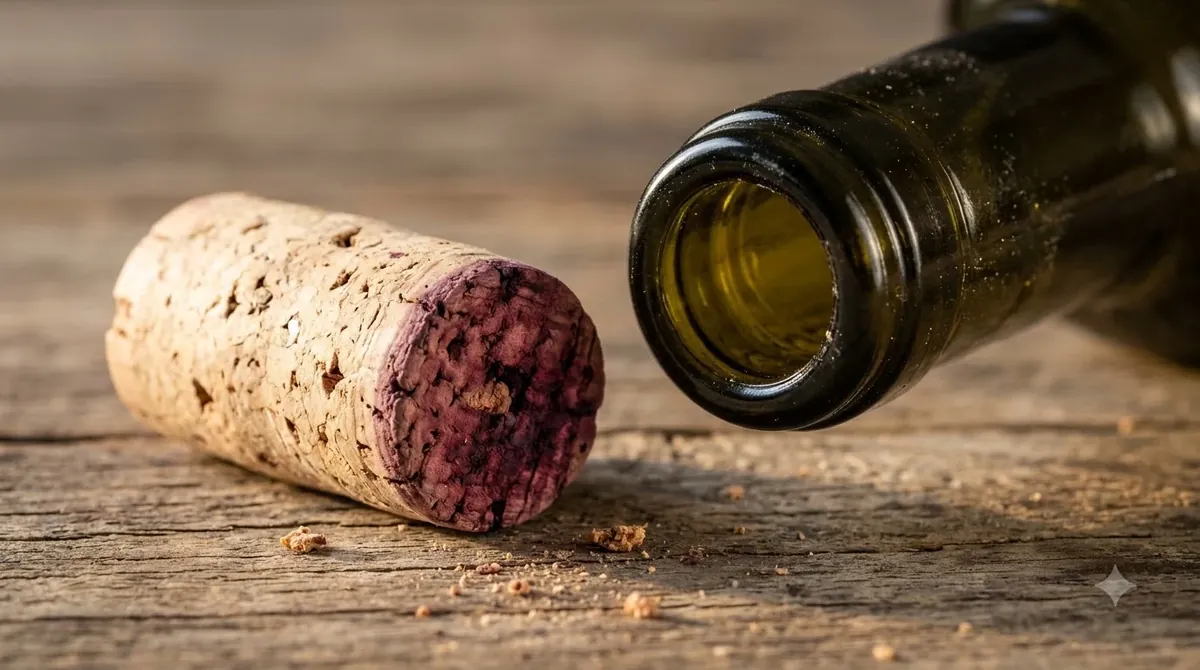
The word itself traces back more than three centuries to the Rheingau estate Schloss Vollrads. According to Wine Enthusiast, Count Johann Erwein of Greiffenclau commissioned a small “cabinet cellar” in 1716 to store the finest barrels of each vintage. For over two hundred years, the term served as an extra mark of distinction for long-matured wines before modern regulations redefined it as the lightest ripeness category.
To earn the Kabinett designation today, grape must must reach a minimum density measured on the Oechsle scale, typically between 67 and 82 degrees Oechsle depending on the growing region and variety. Because growers pick these grapes earlier than those destined for Spätlese or Auslese, the fruit retains piercing natural acidity and lower potential alcohol. That combination gives the finished wine a light-footed energy that sets it apart from heavier white wines.
Flavor Profile and Styles
Most Kabinett wines deliver bright aromas of green apple, lime zest, white peach, and wet slate, balanced by razor-sharp acidity and a featherlight frame. While Riesling is by far the flagship grape for this category, the designation describes harvest ripeness rather than a single varietal or fixed sweetness level.
A persistent myth among shoppers is that every bottle of Kabinett tastes syrupy or dessert-like. In reality, the winemaker decides how much natural grape sugar remains unfermented in the tank. Dry versions labeled Trocken ferment nearly all their sugar into alcohol, leaving a crisp, mineral-driven white with around 10 to 11.5 percent ABV. Off-dry bottles labeled Feinherb or Halbtrocken retain a subtle kiss of fruitiness, while classic fruity-sweet expressions balance noticeable residual sugar against electric citrus acidity at roughly 7 to 9 percent ABV.
Riesling dominates the category because its naturally high acidity keeps even sweeter bottlings feeling snappy rather than cloying. However, German growers also produce dry, earthy Silvaner Kabinett in Franconia, intensely aromatic Scheurebe Kabinett bursting with grapefruit and blackcurrant notes, and rare, pale-ruby Spätburgunder (Pinot Noir) Kabinett. If you enjoy light-bodied, refreshing European whites with bright citrus snap, you might also appreciate the arinto wine style from Portugal or crisp Spanish whites made from the airen grape.
| Prädikat Tier | Harvest Timing | Typical Body | Common Sweetness Range | Typical Alcohol (ABV) |
|---|---|---|---|---|
| Kabinett | Main harvest (earliest Prädikat) | Light and delicate | Dry, off-dry, or fruity-sweet | 7% – 11.5% |
| Spätlese | Late harvest (picked later) | Light-medium to medium | Dry to noticeably sweet | 7.5% – 12.5% |
| Auslese | Selected very ripe bunches | Medium to full | Usually sweet (rarely dry) | 7% – 13% |
| Beerenauslese | Individually selected overripe berries | Full and rich | Lusciously sweet dessert wine | 5.5% – 8% |
Where Kabinett Grows
Although Kabinett can be produced across any of Germany’s thirteen official quality wine regions, the style reaches its pinnacle in cool northern valleys where steep slopes maximize sunlight while chilly nights preserve brisk acidity. Each region imparts a distinct personality to the finished wine depending on its soil composition and microclimate.
The Mosel valley is widely considered the spiritual home of classic fruity-sweet and off-dry Kabinett. Vines clinging to steep, blue and red Devonian slate hillsides above the winding river yield ethereal Rieslings defined by laser-like acidity, green apple brightness, and unmistakable wet-stone minerality. Neighboring sub-regions along the Saar and Ruwer tributaries produce even racier, more herbal examples in cool vintages.
Further south and east, warmer conditions and different bedrock shift the profile toward greater body and stone-fruit richness. In the Rheingau, south-facing slopes along the Rhine produce structured, peach-and-citrus Kabinett with a firmer backbone. Meanwhile, the Nahe offers a middle ground of volcanic and slate soils that give wines both floral lift and spicy complexity, and the warmer Pfalz and Rheinhessen regions excel at crisp, dry Trocken bottlings.
How to Serve and Store Kabinett
Serving Kabinett at the right temperature is essential because excessive warmth dulls its lively acidity while extreme cold mutes its delicate floral and orchard-fruit aromatics. A light chill brings out both its refreshing snap and its nuanced mineral character.
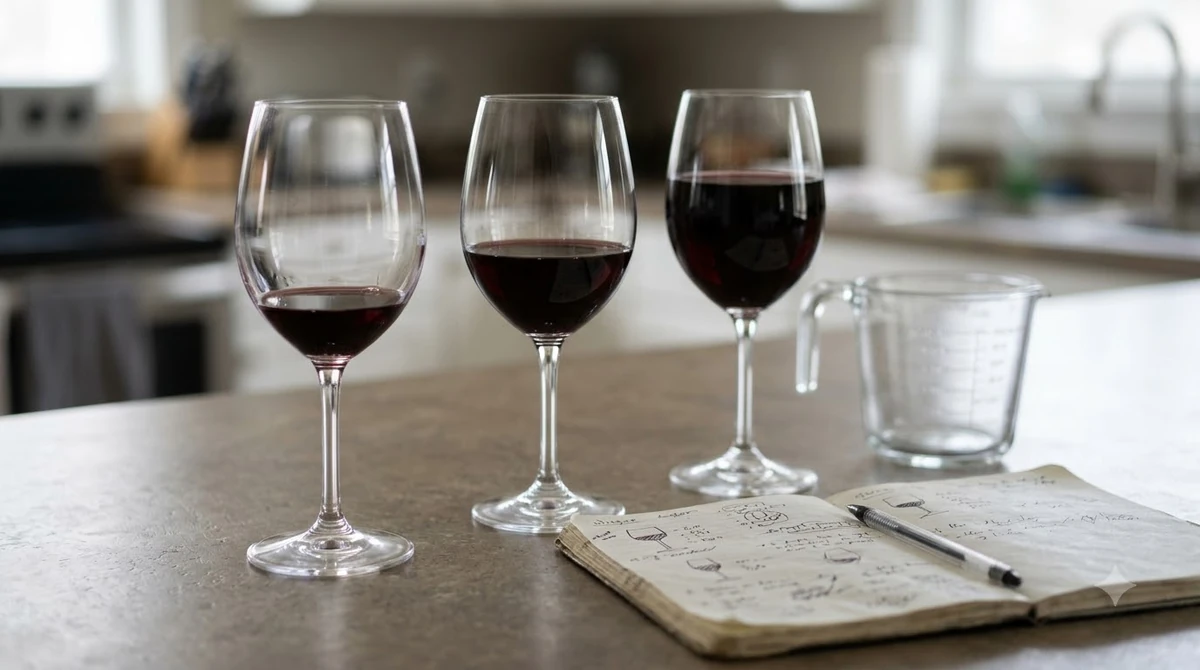
According to Wine Folly, light-bodied German Prädikat Rieslings show best when served fridge-cold around 43°F (6°C) for off-dry and sweet styles, while bone-dry Trocken bottlings open up nicely slightly warmer between 45°F and 50°F (7°C to 10°C). Pulling a bottle straight from a standard kitchen refrigerator and letting it sit on the counter for ten minutes usually lands it right in the ideal window. Pour the wine into a standard tulip-shaped white wine glass with a medium bowl so the floral aromatics concentrate toward the rim.
Young Kabinett is designed for immediate enjoyment within one to five years of the vintage date, when its green apple, lime, and white blossom notes are at their freshest. However, top-tier Riesling Kabinett from reputable estates possesses enough natural acidity and extract to age gracefully in a cool, dark cellar for ten to twenty years. Over a decade or more, the bright citrus fruit evolves into complex layers of wildflower honey, beeswax, dried apricot, and the classic petrol nuance prized by seasoned collectors.
Tip: If a bottle of Kabinett seems muted right after pouring, give it ten minutes in the glass to warm up slightly so its stone-fruit and floral aromas can bloom.
Food Pairing Ideas
Thanks to its combination of zesty acidity, light body, and low alcohol, Kabinett ranks among the most versatile food wines on the table. Matching the sweetness level of the bottle to the intensity and spice of your meal makes pairing effortless.
Dry Kabinett Trocken acts like a squeeze of fresh lemon over delicate seafood and crisp green dishes. Pair it with raw oysters, steamed mussels, pan-seared trout, sushi, or spring salads dressed with citrus vinaigrette. Its low alcohol never overwhelms subtle flavors, and its high acid cuts cleanly through rich butter sauces or light goat cheese.
Off-dry and classic fruity-sweet Kabinett shine alongside dishes that punish heavier, high-alcohol wines. A touch of residual sugar cools the burn of chili heat in Thai green curry, Sichuan noodles, Indian vindaloo, or spicy Mexican tacos, while echoing sweet-savory glazes on roast pork belly, glazed ham, or duck breast. If you enjoy pairing gently sweet, low-alcohol wines with food, you will find a similar crowd-pleasing charm in lightly sparkling red brachetto grape wines served alongside fruit tarts.
How to Choose a Bottle
Reading a German wine label becomes straightforward once you scan for three key clues: the grape variety, the sweetness indicator, and the producer or vineyard name. Knowing how those elements fit together helps you avoid accidentally buying a sweet bottle when you want something crisp and dry.
First, look for the word Trocken if you want a dry wine, or Feinherb if you prefer just a hint of off-dry softness. If neither word appears alongside Kabinett—especially on a bottle from the Mosel—expect a noticeably sweet, fruit-forward profile balanced by brisk acidity. Checking the alcohol percentage on the front or back label offers another reliable hint: bottles between 7.5 and 9 percent ABV almost always carry noticeable residual sweetness, whereas those around 10.5 to 11.5 percent ABV have fermented much drier.
Second, pay attention to the eagle emblem of the VDP (Verband Deutscher Prädikatsweingüter) on the capsule or label. Estates belonging to this association adhere to stricter harvest and yield standards than baseline German wine law, ensuring concentrated flavor even in lighter vintages. Look for classic Mosel, Nahe, or Rheingau village and vineyard names—such as Wehlener Sonnenuhr, Oberhäuser Leistenberg, or Scharzhofberger—when you want a benchmark expression of traditional Kabinett elegance.
Frequently Asked Questions
Is Kabinett wine always sweet?
No, Kabinett is not always sweet. The term measures the natural sugar ripeness of the grapes when they are picked, not how much sugar remains in the finished wine. Winemakers produce Kabinett in bone-dry (Trocken), off-dry (Feinherb), and classic fruity-sweet styles.
What is the difference between Kabinett and Spätlese?
The main difference comes down to harvest timing and grape ripeness. Kabinett grapes are picked earlier at the start of the main harvest, yielding lighter, crisper wines with lower alcohol, while Spätlese (“late harvest”) grapes hang on the vine longer to accumulate more sugar, resulting in fuller body and richer fruit intensity.
What does Kabinett taste like?
A typical Riesling Kabinett tastes crisp, light-bodied, and refreshing, with bright flavors of green apple, lime, white peach, and wet slate minerality. Even in sweeter versions, mouthwatering natural acidity keeps the finish clean and lively rather than heavy or syrupy.
How much alcohol is in Kabinett wine?
Kabinett wines are noticeably lower in alcohol than most table wines, usually ranging from 7 percent to 11.5 percent ABV. Fruity-sweet bottles typically sit around 7.5 to 9 percent ABV because fermentation is stopped early, while dry Kabinett Trocken bottles usually reach 10 to 11.5 percent ABV.
Whether you prefer a bone-dry white for raw oysters or a delicately sweet pour for spicy takeout, Kabinett proves that great wine does not need high alcohol or heavy oak to leave a lasting impression. Keep an eye on the ABV and sweetness cues on the label, chill the bottle lightly, and enjoy one of Germany’s most versatile culinary companions.
More in Wine Types & Grapes
 Zinfandel Sugar Content: Dry Red vs. White Zinfandel GramsUpdated Nov 21, 2026
 Best Zinfandel Substitute Options for Sipping and CookingUpdated Nov 21, 2026
 Zweigelt Food Pairing: Best Dishes, Cheeses, and Serving TipsUpdated Nov 21, 2026
 Zinfandel Tannins Explained: How Structure Shapes Every BottleUpdated Nov 21, 2026
 Zinfandel Sweetness Level: Dry Red vs. Sweet White Zin ExplainedUpdated Nov 21, 2026
 Xinomavro Food Pairing: Best Dishes, Styles, and Serving TipsUpdated Nov 21, 2026