
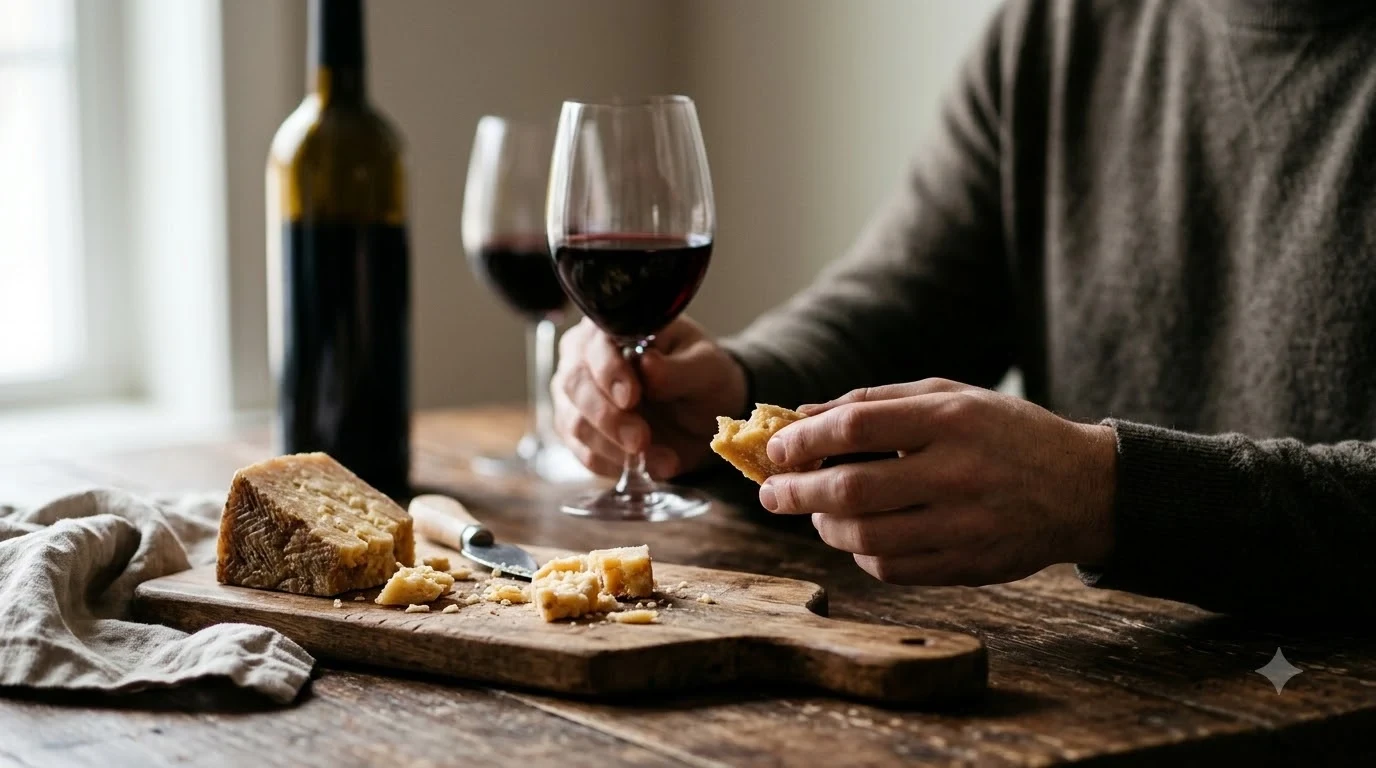

We may earn a commission when you buy through links on this page, at no extra cost to you. Learn more.
Emilia Romagna wine is best known for Lambrusco, a red grape usually made into a light, slightly sparkling wine that is meant to be drunk young. Dry versions are now common, sweet styles still exist, and the wine’s high acidity and berry flavors make it one of the most food-friendly red wines in Italy. If you want to try one bottle from the region, choose a dry Lambrusco and serve it with a simple meal.
This guide focuses on the wines themselves: what Lambrusco tastes like, how the grape and its blends work, how to read a label, and how to serve and pair these bottles at home. For a broader map of the region and its DOC zones, see our separate Emilia Romagna wine region guide.
What makes the region’s wine distinctive
Most of Emilia-Romagna’s best-known wine is built around Lambrusco. The grape is a red variety, and the wine made from it is light in body, fresh in style, and often slightly fizzy. That combination sets it apart from the still, heavier reds that many American drinkers expect from Italy.
The region also has other wines, including Sangiovese from Romagna and white Albana, but Lambrusco is the one that most people will encounter first. Understanding it gives you a good starting point for the rest of the region’s bottles.
Lambrusco: the grape and its blends
Lambrusco is both a grape and the wine made from it. Several varieties carry the name, and the Wikipedia article on Lambrusco lists six commonly found ones: Grasparossa, Maestri, Marani, Montericco, Salamino, and Sorbara. Salamino is the most widely planted. Over 60 Lambrusco varieties have been identified across Italy, so the name covers a large family of grapes rather than a single one.
Most wines blend several Lambrusco varieties, and blends can include up to 15 percent other grapes, such as Ancellotta, which is often used to deepen the color. The blend matters for taste. A Sorbara-led wine tends to be lighter and more fragrant, while a Grasparossa-led wine is usually deeper in color and more tannic.
Frizzante, dry, and sweet: the three faces of Lambrusco
The most highly rated Lambrusco wines are frizzante reds, which means they have a light sparkle and are designed to be drunk young. Their flavors are usually bright and berry-led, with high acidity that keeps the wine fresh and lively. Dry versions often show strawberry notes and a slight bitter finish that pairs well with food.
Sweet Lambrusco is also made, and it has a long commercial history. The grape itself is not especially sweet, so commercial sweet versions are sweetened through partial fermentation or by adding rectified concentrated grape must. Wikipedia notes that over 13 million cases were exported to the United States in 1985, at the peak of sweet Lambrusco’s popularity, which helps explain why many American drinkers still picture the sweet style first.
| Style | What to expect | Best with |
|---|---|---|
| Dry (secco) | Fresh, berry notes, slight bitter finish | Salumi, pizza, fried dough, roast meats |
| Off-dry (amabile) | Soft sweetness balanced by acidity | Charcuterie, spicy dishes, casual meals |
| Sweet (dolce) | Rich, very sweet, lower acidity impression | Dessert or sweet snacks |
How the sparkle is made
Lambrusco is rarely made in champagne style. Instead, the typical method is the Charmat process, a second fermentation carried out in a pressurized tank rather than in the bottle. That approach keeps the fruit fresh and produces the lively, fizzy character that defines many Lambrusco bottles.
Some producers have also made white and rosé versions of the wine. Wikipedia reports that these were made in the 1970s and 1980s by limiting skin contact during winemaking, though red remains the signature style. Knowing this helps explain why the category includes more than one color.
Serving Emilia Romagna wine at home
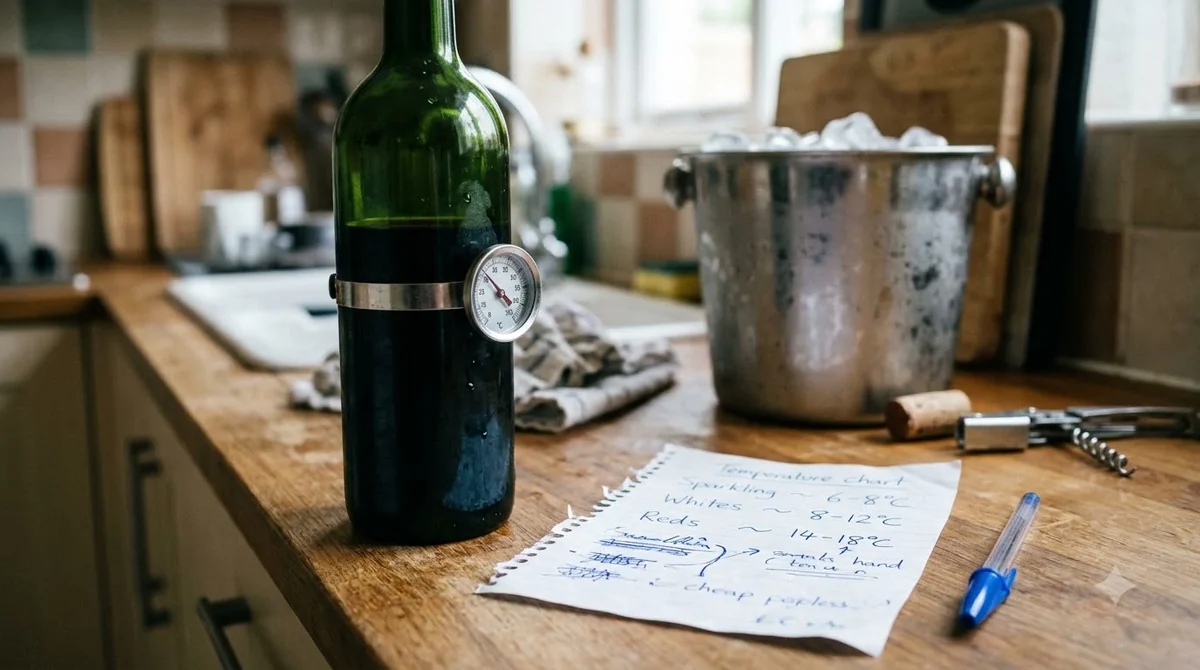
Lambrusco is meant to be enjoyed fresh and without fuss. Serve it cool rather than warm, since the fruit and acidity show best at a cooler temperature. A standard wine glass is fine, and a slightly larger glass gives the fizz room to show. You do not need to decant it, and it is best opened and enjoyed over a meal rather than saved for a special occasion.
Because Lambrusco is light and fizzy, it works well as an everyday wine for a relaxed table. Pour it for guests who like sparkling wine, or as an alternative for those who find still reds too heavy with a casual dinner.
Pairing Lambrusco with food
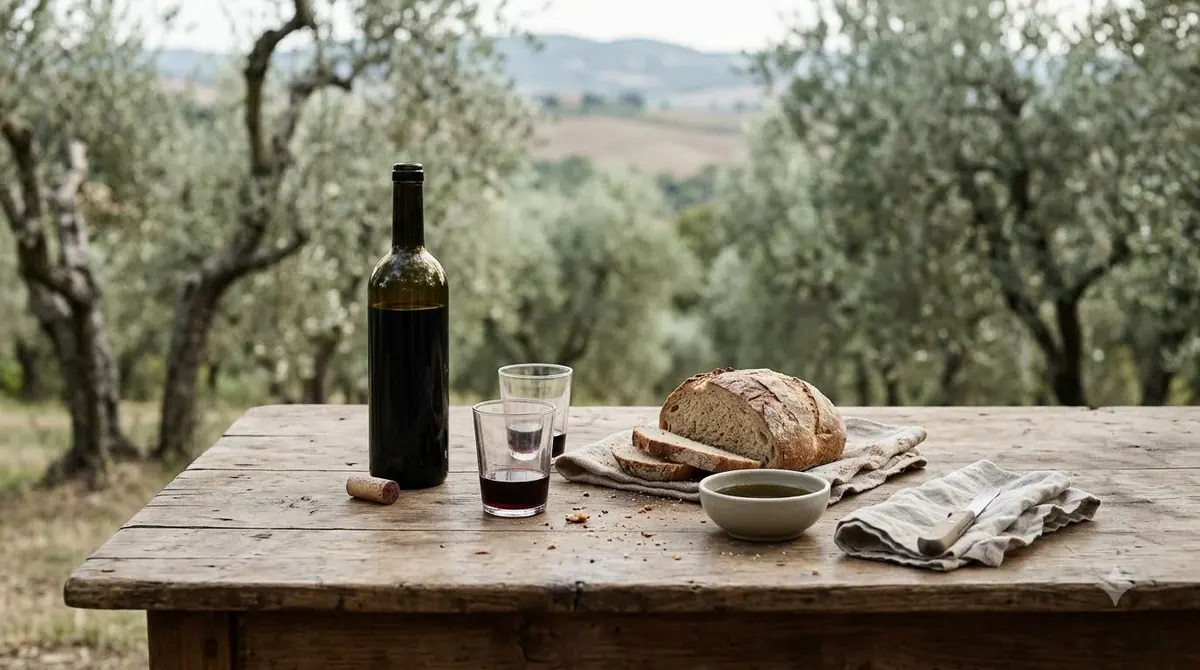
Lambrusco is commonly paired with the foods of Emilia, including gnocco fritto, the fried dough served with cured meats, and a range of salami and other salumi. The wine’s acidity cuts through fat and salt, which makes it a useful partner for rich dishes that might overwhelm a heavier red.
Outside traditional Emilian menus, dry Lambrusco also works with pizza, roast pork, and sausages. The sweeter styles suit desserts and sweet snacks, but dry bottles are the better choice for most dinners. A good rule is to match a dry Lambrusco with savory food and a sweet one with dessert.
Tip: If you are serving Lambrusco for a mixed group, open a dry bottle for the main meal and keep an off-dry or sweet bottle for dessert. This lets guests try both styles without choosing one.
How to read a Lambrusco label
The label gives you three useful clues. First, look for the dryness word, such as secco, amabile, or dolce, since it tells you what the wine will taste like. Second, check the grape or the zone name, which often signals the style. Third, look for the producer name, because small producers can differ widely in how they make the same grape.
When two bottles look similar, compare the dryness first and the zone second. A dry Sorbara and a dry Grasparossa will taste different even though both are Lambrusco, so the zone helps you choose between them. If the label is unclear, ask a shop staff member, who can usually explain the difference quickly.
Keep your expectations realistic when you compare bottles. Lambrusco is meant to be a fresh, everyday wine rather than a long-aged one, so most bottles are best within a short period after release. Check the vintage on the label, and choose the most recent bottle you can find for the freshest fruit and the liveliest fizz. Once opened, keep the bottle cool and drink it within a day or two, since the fizz fades over time.
Frequently Asked Questions
Is Emilia Romagna wine always sparkling?
No. Lambrusco is often slightly sparkling, but the region also makes still wines, including Sangiovese from Romagna and white Albana.
Is Lambrusco a sweet wine?
It can be. Lambrusco is made in dry, off-dry, and sweet styles, and dry versions are increasingly common. Check the dryness word on the label before you buy.
What food goes well with Lambrusco?
Dry Lambrusco pairs well with cured meats, pizza, fried dough, and roast meats. Its acidity helps cut through rich, salty food.
How should I serve Lambrusco?
Serve it cool in a standard wine glass. It is meant to be enjoyed fresh, so there is no need to age or decant it.
Emilia Romagna wine is an easy and rewarding place to start with Italian reds. Pick a dry Lambrusco, serve it cool with a simple meal, and compare it later with the region’s Sangiovese. For more on the region’s geography and DOC zones, see our Emilia Romagna wine region guide, or browse the Alentejo wine guide to compare another region’s reds. For a detailed background on the grape, the Lambrusco entry on Wikipedia is a good next read.
More in Wine Regions
 Willcox Wine Trail: Discover Arizona’s High-Elevation Wine CountryUpdated Nov 20, 2026
 Yakima Valley Wine Region: Find the Best Styles to TryUpdated Nov 20, 2026
 Vosne Romanee Wine Tasting: Identify Aromas and Choose Better PairingsUpdated Nov 20, 2026
 Yakima Valley Wine Festival: Find the Best Seasonal Wine EventsUpdated Nov 20, 2026
 Wales Vineyards: Discover Cool-Climate Wines and Where to VisitUpdated Nov 20, 2026
 Yountville Wine Festival: Discover Napa Wines and Local FoodUpdated Nov 20, 2026