

We may earn a commission when you buy through links on this page, at no extra cost to you. Learn more.
Chateau Haut Brion wine is a red from Pessac in the Graves region of Bordeaux, and it is the only First Growth in the Pessac-Léognan appellation. The estate is rated Premier Grand Cru Classé in the 1855 classification and makes a Merlot-and-Cabernet blend with a small amount of Cabernet Franc and Petit Verdot. Its white wine, made mostly from Sémillon and Sauvignon Blanc, is one of the most famous dry whites in Bordeaux.
This guide explains what sets Chateau Haut-Brion apart from other Bordeaux estates, what goes into the bottle, how the wine is served and what to look for when you buy. It is written for shoppers who see the name on a wine list and want a clear starting point.
Where Chateau Haut-Brion sits and why it matters
The estate is in Pessac, just outside the city of Bordeaux, in the north of the Graves region. Its position in the Graves gives it a different soil and climate profile from the Médoc estates on the other side of the Garonne. In the 1855 classification, Haut-Brion was rated Premier Grand Cru Classé, and it is the only Graves estate among the First Growths.
That history is one reason the estate is so often cited in discussions of Bordeaux. Vines were first recorded on the land in 1423, and the first vintage is listed as 1525. The Pontac family owned the estate from 1533 and developed it into a top claret for the English market. King Charles II’s cellar book recorded the wine in 1660, and Samuel Pepys tasted it in 1663.
The modern chapter began in 1935, when American banker Clarence Dillon bought the estate. Domaine Clarence Dillon still owns Haut-Brion today. Its prices have been consistently higher than those of any other Bordeaux wine since the nineteenth century, which says a lot about how collectors and merchants have viewed the estate over time.
Thomas Jefferson bought six cases in 1787, which is recorded as the first First Growth imported to the United States. The 1970 vintage placed fourth in the 1976 “Judgment of Paris” tasting, a result that brought the estate wider attention outside France.
Those milestones give the estate a long paper trail. For a buyer, the practical takeaway is that the château name has been attached to the same Pessac property for centuries. The real questions are the bottling, the vintage and the storage history of the bottle in front of you.
The vineyard and the blend
The estate works about 51 hectares in total, with 48.35 hectares of red varieties and 2.87 hectares of white. The red blend is 45.4% Merlot, 43.9% Cabernet Sauvignon, 9.7% Cabernet Franc and 1% Petit Verdot. That balance of Merlot and Cabernet is closer to the Pomerol and right-bank style than to the Cabernet-heavy Pauillac wines on the Left Bank.
The white is made from 52.6% Sémillon and 47.4% Sauvignon Blanc. Haut-Brion Blanc is a dry white, and the estate also makes a second white, La Clarté de Haut-Brion. Those white bottlings are a reminder that the estate is about more than its famous red.
| Bottling | Main grapes and shares | What it is known for |
|---|---|---|
| Chateau Haut-Brion (red) | 45.4% Merlot, 43.9% Cabernet Sauvignon, 9.7% Cabernet Franc, 1% Petit Verdot | Structure, depth and long aging |
| Le Clarence de Haut-Brion | Second red, renamed with the 2007 vintage | A second wine from the same estate |
| Chateau Haut-Brion Blanc | 52.6% Sémillon, 47.4% Sauvignon Blanc | A dry white with a rich texture |
The second red, Le Clarence de Haut-Brion, was formerly called Château Bahans Haut-Brion and was renamed with the 2007 vintage. It gives shoppers a way to taste the estate’s style at a different level, and it is often the bottle people buy when they want the house character without the full price of the first label.
Flavor and style to expect
A Merlot-and-Cabernet blend from Pessac usually shows dark fruit, cedar, graphite and fine, layered tannin. The Merlot share gives the wine a softer front, while the Cabernet Sauvignon adds length. Younger bottles can taste closed, and many collectors wait years before opening them.
For the Merlot side of the blend, Wine Folly’s Merlot guide describes the variety as softer and less astringent than Cabernet Sauvignon, with medium-high tannins, medium acidity and a medium-full body. That profile helps explain why a Merlot-rich Bordeaux can feel supple even when it is built to age.
The dry white bottlings behave differently. A Sémillon and Sauvignon Blanc blend usually shows citrus, stone fruit and a textured middle, and it reads as richer than a typical crisp white. Shoppers who normally reach for a light white may find it better suited to a special dinner than to a casual glass, and that is a useful way to think about the whole range.
Tip: Vintage changes everything at this estate. Ask a merchant about the year on the label, because a warm year and a cool year can produce very different bottles.
How to serve and pair the wine
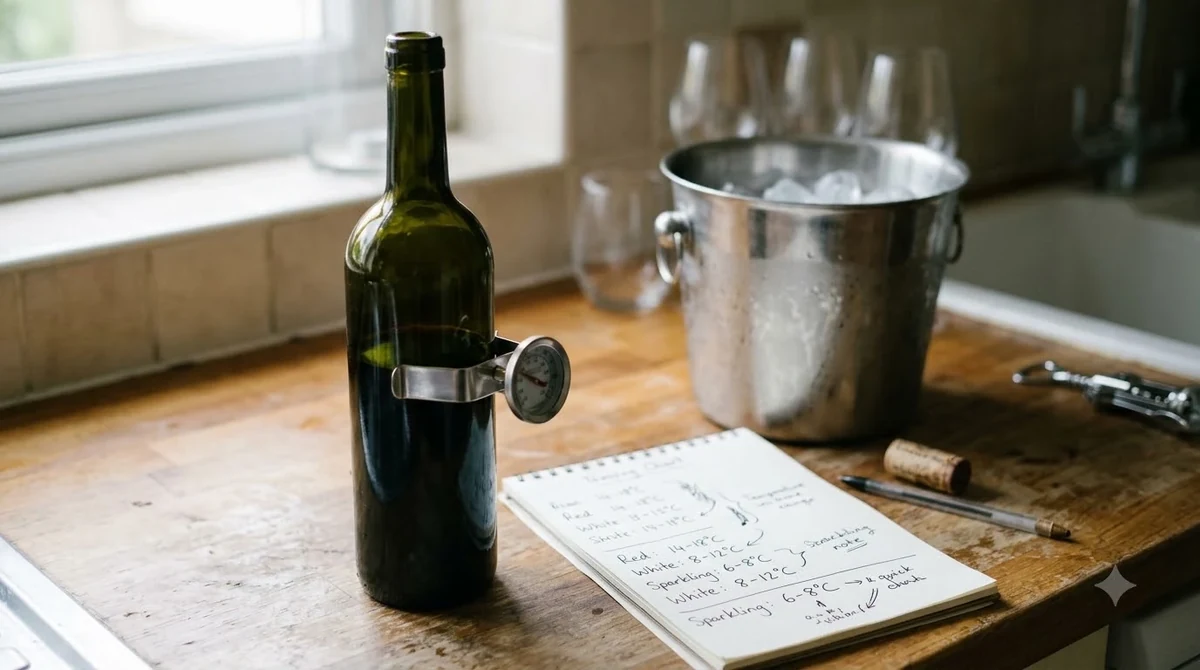
Serve red Haut-Brion slightly below room temperature, around 60 to 68°F (15 to 20°C), and use a large glass so the aroma can open. For younger bottles, decanting for about 30 minutes can help the fruit and tannin settle. Older bottles usually need a gentler approach, with a slow pour and a careful check of the sediment.
The wine suits rich, savory food. Roast beef, lamb, veal and steak with a peppercorn or red wine sauce are classic matches. Wine Folly lists roast turkey and beef short rib as good partners for Merlot-dominant Bordeaux, which makes the estate’s red a useful bottle for a holiday table.
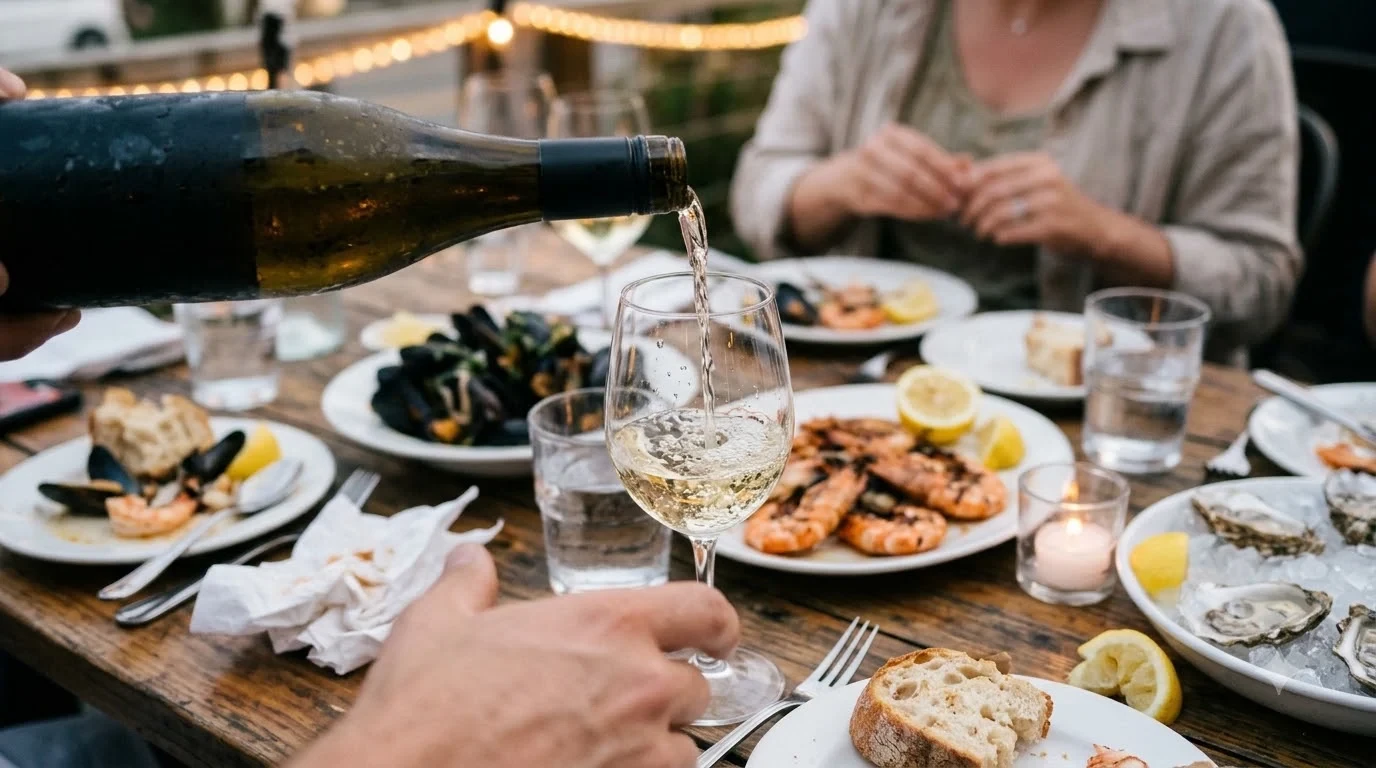
The dry whites suit a different kind of meal. Their Sémillon and Sauvignon Blanc structure works well with seafood, poultry and creamy dishes. Serve them slightly cool, but not ice cold, so the texture and fruit can show.
How to choose and keep a bottle
Check the château name, the vintage and the bottling before you buy. The red, the second red and the dry whites all carry the Haut-Brion name, so the label should match the style you want. Retailers sometimes spell the name with or without the hyphen, so compare the listing with the label.
Store bottles on their side in a cool, dark place with steady temperature. A wine fridge keeps the temperature stable. If you plan to hold a bottle for many years, ask a specialist about the current vintage rather than relying on general rules. For a Left Bank comparison, the Chateau Palmer wine guide covers a Margaux estate with a Merlot-heavy blend, and the Chateau Lynch Bages wine guide covers a Cabernet-led Pauillac.
Frequently Asked Questions
Is Chateau Haut-Brion a Bordeaux wine?
Yes. The estate is in Pessac, in the Graves region near the city of Bordeaux. It is the only First Growth in the Pessac-Léognan appellation.
What grapes go into Chateau Haut-Brion?
The red is mostly Merlot and Cabernet Sauvignon, with a smaller share of Cabernet Franc and Petit Verdot. The dry white is made from Sémillon and Sauvignon Blanc.
What is Le Clarence de Haut-Brion?
It is the estate’s second red wine. It was formerly called Château Bahans Haut-Brion and was renamed with the 2007 vintage, so older labels may show the earlier name.
How should I serve Chateau Haut-Brion red?
Serve it slightly below room temperature, around 60 to 68°F (15 to 20°C), in a large glass. A young bottle can benefit from decanting for about 30 minutes.
Chateau Haut-Brion is a good reference point for Graves and for Bordeaux as a whole. Knowing the grape split, the history and the difference between the red and white bottlings will help you read a label and choose the right bottle for your table. To explore other producers, browse our wine brands section.
More in Wine Brands
 Underwood Wine Price: Compare Bottles, Cans, and Pack SizesUpdated Nov 21, 2026
 Zenato Wine Price: Compare Styles and Choose the Right BottleUpdated Nov 21, 2026
 Zuccardi Wine Price: Compare Bottles and Find the Right RangeUpdated Nov 21, 2026
 Yellow Tail Moscato Review: Taste, Sweetness and Serving TipsUpdated Nov 21, 2026
 Wolf Blass Yellow Label Review: Choose Your Best StyleUpdated Nov 21, 2026
 Wolffer Estate Rose Review: Choose the Right Bottle for Your TableUpdated Nov 21, 2026