

We may earn a commission when you buy through links on this page, at no extra cost to you. Learn more.
If you are wondering what is godello, it is a dry, medium-bodied white wine grape native to northwestern Spain and northern Portugal that is prized for bright citrus flavors, crisp acidity, and distinct stony minerality. Grown primarily in Galicia’s Valdeorras region, this historic Iberian variety has experienced a major revival after nearly disappearing in the twentieth century. Wine educators and sommeliers frequently compare oak-aged and lees-aged expressions of Godello to White Burgundy because of their textural richness and structural balance.
While Albariño long held the spotlight among Spanish white wines, Godello has steadily earned a dedicated following among drinkers seeking something with more mid-palate weight and age-worthy complexity. Understanding how this grape grows, how winemakers shape it in the cellar, and how to serve it at the table makes it much easier to pick a bottle suited to your palate or dinner menu.
What It Is
Pronounced “go-day-yo,” Godello is an indigenous Iberian white grape variety belonging to the broader category of Wine by Type known for producing dry, non-aromatic to moderately aromatic white wines with brisk natural acidity. In northern Portugal, particularly within the Douro and Dão regions, the exact same grape is legally recognized under the synonym Gouveio, and it also appears locally as Verdelho du Dão or Godella.
Despite its ancient roots in northwestern Iberia, Godello nearly vanished during the mid-twentieth century. Following the devastation of the phylloxera louse and subsequent post-war agricultural shifts, many growers uprooted low-yielding native vines in favor of higher-yielding varieties like Palomino and Garnacha Tintorera. By the early 1970s, only a few hundred hectares of Godello remained scattered across steep, isolated hillsides in Galicia.
A coordinated restoration effort led by local viticulturists and regional authorities in Valdeorras during the 1970s—widely known as the REVIVAL project—brought the grape back from the brink of extinction. Growers systematically grafted and replanted hillside vineyards with pure Godello cuttings, rediscovering that low-fertility slate and granite soils coaxed remarkable concentration out of the vine. According to Wine Folly, global plantings have rebounded to roughly 3,474 acres across Spain and Portugal, and single-vineyard bottles from Galicia now rank among Spain’s highest-scoring white wines.
Flavor and Styles
In the glass, Godello typically displays a pale straw to translucent bright yellow color and delivers a layered profile of green apple, pear, lemon zest, grapefruit, quince, and wet stone. Depending on cellar decisions, winemakers produce everything from brisk, unoaked stainless-steel bottlings to creamy, barrel-fermented wines with toasted almond and brioche nuances.
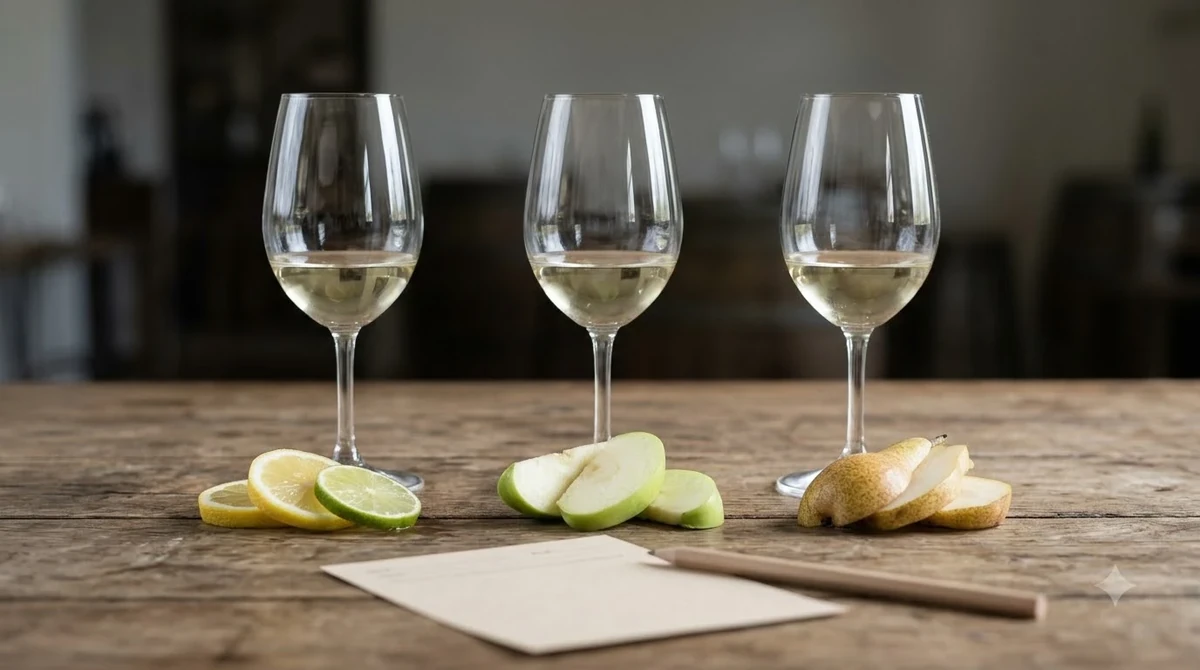
At its core, an unoaked young Godello emphasizes orchard fruit, citrus pith, white flowers, and a subtle herbal note reminiscent of fennel or anise. Reviewers at Wine Enthusiast and other major publications routinely highlight the grape’s firm acid backbone and characteristic crushed-gravel or saline finish. That mineral tension keeps the wine feeling refreshing even when alcohol levels reach between 13% and 14.5% ABV, preventing the palate from ever tasting heavy or flabby.
Winemakers who want to highlight Godello’s natural viscosity often turn to sur lie aging, a technique in which the finished wine rests on dead yeast cells for several months with periodic stirring. Lees contact softens the sharp edges of young acidity and builds a round, silky mouthfeel without masking the grape’s regional character. When fermented or matured in neutral or lightly toasted French oak barrels, Godello develops additional layers of hazelnut, beeswax, and baked pear, giving it the structural gravitas that draws comparisons to Chablis and Premier Cru White Burgundy.
If you want to explore specific fruit, floral, and mineral descriptors in greater detail, our breakdown of godello tasting notes covers how climate and oak influence what you smell and taste in the glass.
Where It Grows
Godello thrives in the cool, transitional climate of northwestern Spain—most notably in Galicia’s Valdeorras, Monterrei, and Ribeira Sacra appellations—as well as neighboring Bierzo in Castilla y León and the Douro Valley in Portugal. Unlike coastal Rías Baixas, which receives heavy Atlantic rainfall, these inland valleys sit slightly sheltered by mountain ranges, offering warm daytime sunshine paired with chilly nights.
Valdeorras, whose name translates to “Valley of Gold” in reference to ancient Roman gold mining, is universally regarded as the spiritual and qualitative home of Godello. Vineyards here climb steep slopes along the Sil River at elevations ranging from roughly 1,000 to over 2,200 feet above sea level. The soils consist primarily of decomposed slate, granite, and alluvial gravel, forcing vine roots to dig deep for water and nutrients while naturally restricting yields.
Across the border in Portugal, Gouveio plays a dual role in both dry white table wines and white Port blends within the Douro’s terraced schist vineyards. Meanwhile, in Spain’s Bierzo DO and Monterrei DO, producers bottle both varietal Godello and field blends alongside local grapes like Doña Blanca and Treixadura. Compared to high-volume central Spanish varieties such as the airen grape, which thrives in hot, arid plains, Godello demands cooler temperatures and well-drained hillsides to preserve its signature acidity.
| Region / Appellation | Country | Primary Soil Types | Typical Wine Style |
|---|---|---|---|
| Valdeorras DO | Spain (Galicia) | Slate, granite, alluvial gravel | Structured, mineral-driven, often lees- or oak-aged |
| Monterrei DO | Spain (Galicia) | Granite, slate, clay | Ripe orchard fruit, medium-to-full body, aromatic |
| Ribeira Sacra DO | Spain (Galicia) | Steep schist and granite terraces | Crisp, high-acid, savory and herbal |
| Bierzo DO | Spain (Castilla y León) | Quartzite, slate, clay | Balanced citrus and stone fruit, textural |
| Douro DOC (as Gouveio) | Portugal | Terraced schist | Concentrated stone fruit, firm structure, dry or fortified |
How to Serve
Godello is best served chilled at 48°F to 54°F (9°C to 12°C) in a medium-sized white wine glass that concentrates its subtle citrus, floral, and mineral aromas. Serving the wine too cold—straight out of a standard kitchen refrigerator set near 38°F—mutes its delicate bouquet and exaggerates its natural bitterness.
For crisp, unoaked bottlings intended for immediate enjoyment, aim for the cooler end of that range, around 46°F to 50°F (8°C to 10°C). Removing the bottle from the refrigerator roughly 15 to 20 minutes before pouring allows the aromatics of green apple, lemon blossom, and crushed stone to open up cleanly without sacrificing refreshment. Standard tulip-shaped white wine glasses work well for these lively, stainless-steel expressions.
Barrel-fermented, lees-aged, or older single-vineyard Godello bottles benefit from slightly warmer service between 50°F and 55°F (10°C to 13°C) and a wider-bowled glass similar to what you would use for Chardonnay. Giving mature or oaked examples 20 to 30 minutes of air in the glass—or a brief decant—helps release nuanced notes of toasted almond, fennel, and wet slate. While most entry-level Godello wines are best enjoyed within two to four years of the vintage date, top single-vineyard examples from Valdeorras can age gracefully in a cool cellar for five to ten years.
Tip: If you chill an oak-aged Godello in a standard refrigerator, pull it out 20 minutes before dinner so its creamy lees texture and subtle nutty aromatics can fully express themselves.
Food Pairing
Thanks to its combination of lively acidity, medium body, and savory mineral undertones, Godello is an exceptionally versatile food wine that bridges the gap between crisp shellfish whites and richer poultry dishes. It handles delicate seafood without overpowering it while possessing enough mid-palate weight to stand up to cream sauces, butter, and roasted herbs.
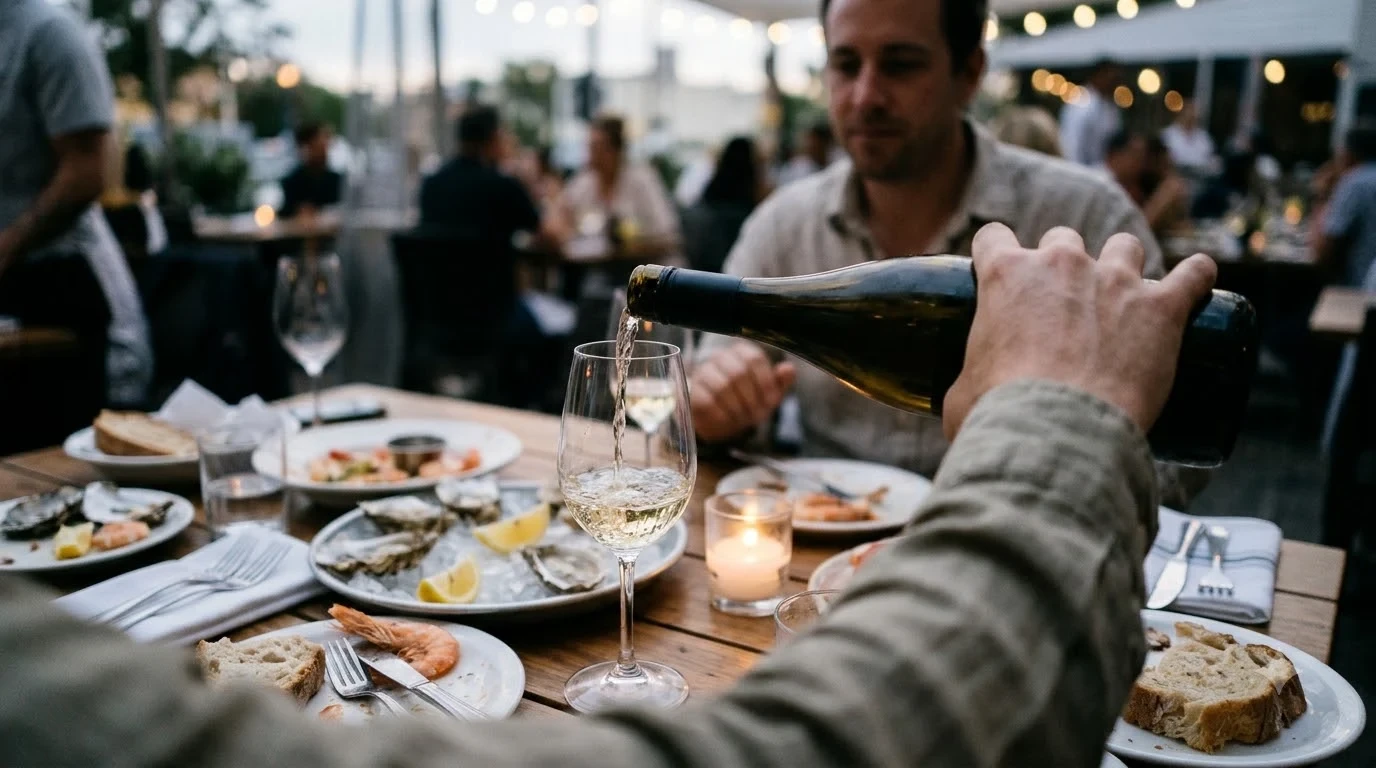
In its native Galicia, Godello is a classic companion to traditional regional fare such as pulpo a la gallega (tender octopus dressed with olive oil, sea salt, and smoked paprika), razor clams, grilled scallops, and line-caught hake. The wine’s citrus zest and saline edge cut cleanly through rich olive oil and briny shellfish juices, cleansing the palate between bites.
When pouring an oak-aged or lees-aged Godello, you can expand your menu toward heartier dishes that would overwhelm lighter whites like Pinot Grigio. Roast chicken with lemon and tarragon, pork tenderloin with apples, creamy mushroom risotto, lobster with drawn butter, and semi-firm sheep’s milk cheeses like Manchego or Idiazabal all harmonize naturally with Godello’s nutty, textural finish. For specific recipes and menu ideas, check out our guide to godello food pairing.
How to Choose a Bottle
Selecting a great bottle of Godello comes down to checking the appellation on the front label, looking for cellar cues like sobre lías, and matching the vintage age to your preferred style. Because production remains relatively small compared to mainstream white grapes, reading a few key Spanish wine terms on the label will tell you exactly what to expect inside.
First, look at the Denomination of Origin (DO) listed on the bottle. Wines labeled Valdeorras DO generally deliver the purest, most mineral-driven benchmark for the grape, often showing brisk acidity and a stony finish. Bottles from Monterrei DO or Bierzo DO tend to offer slightly riper orchard and stone fruit character, making them approachable choices if you enjoy rounder, fruit-forward white wines.
Second, scan the label for winemaking indicators that signal texture and body. If a bottle mentions sobre lías (aged on the lees) or fermentado en barrica (barrel-fermented), expect a richer, creamier wine with hints of toasted nuts and spice. Conversely, if neither term appears, the wine was likely fermented and aged purely in stainless steel, promising crisp, zesty citrus and green apple flavors. Checking the vintage year is equally helpful: choose the most recent one to three vintages for bright, everyday freshness, or seek out older bottles from reputable Valdeorras estates when you want complex, honeyed bottle development.
Frequently Asked Questions
Is Godello a dry or sweet wine?
Godello is almost always vinified as a completely dry white wine. Although ripe orchard fruit aromas like pear, quince, and yellow apple can give an initial impression of sweetness on the nose, the palate finishes crisp, savory, and bone-dry with brisk acidity.
How does Godello compare to Albariño and Chardonnay?
Godello sits comfortably between Albariño and Chardonnay in body and texture. It shares Albariño’s bright Galician acidity and saline minerality, but offers fuller mid-palate weight and less overt floral aroma, making lees-aged examples feel much closer to a crisp White Burgundy or unbuttered Chardonnay.
What is the difference between Godello and Gouveio?
Godello and Gouveio are the exact same grape variety known by different regional names across the Iberian border. In northwestern Spain, it is called Godello, whereas in northern Portugal’s Douro and Dão regions, winemakers label it Gouveio.
Can Godello age in the bottle?
Most fresh, unoaked Godello wines are made to be enjoyed within two to four years of the vintage date while their citrus and floral notes are brightest. However, top lees-aged and barrel-fermented single-vineyard bottlings from Valdeorras have the acid structure and concentration to evolve gracefully for five to ten years.
Whether you prefer a zesty, stainless-steel white for weeknight seafood or a richly textured, lees-aged bottle suited for roast poultry, Godello offers a compelling balance of freshness and depth. Exploring bottles from Valdeorras and neighboring northwestern Iberian regions is one of the most rewarding ways to experience modern Spanish white winemaking.
More in Wine Types & Grapes
 Zinfandel Sugar Content: Dry Red vs. White Zinfandel GramsUpdated Nov 21, 2026
 Best Zinfandel Substitute Options for Sipping and CookingUpdated Nov 21, 2026
 Zweigelt Food Pairing: Best Dishes, Cheeses, and Serving TipsUpdated Nov 21, 2026
 Zinfandel Tannins Explained: How Structure Shapes Every BottleUpdated Nov 21, 2026
 Zinfandel Sweetness Level: Dry Red vs. Sweet White Zin ExplainedUpdated Nov 21, 2026
 Xinomavro Food Pairing: Best Dishes, Styles, and Serving TipsUpdated Nov 21, 2026