

We may earn a commission when you buy through links on this page, at no extra cost to you. Learn more.
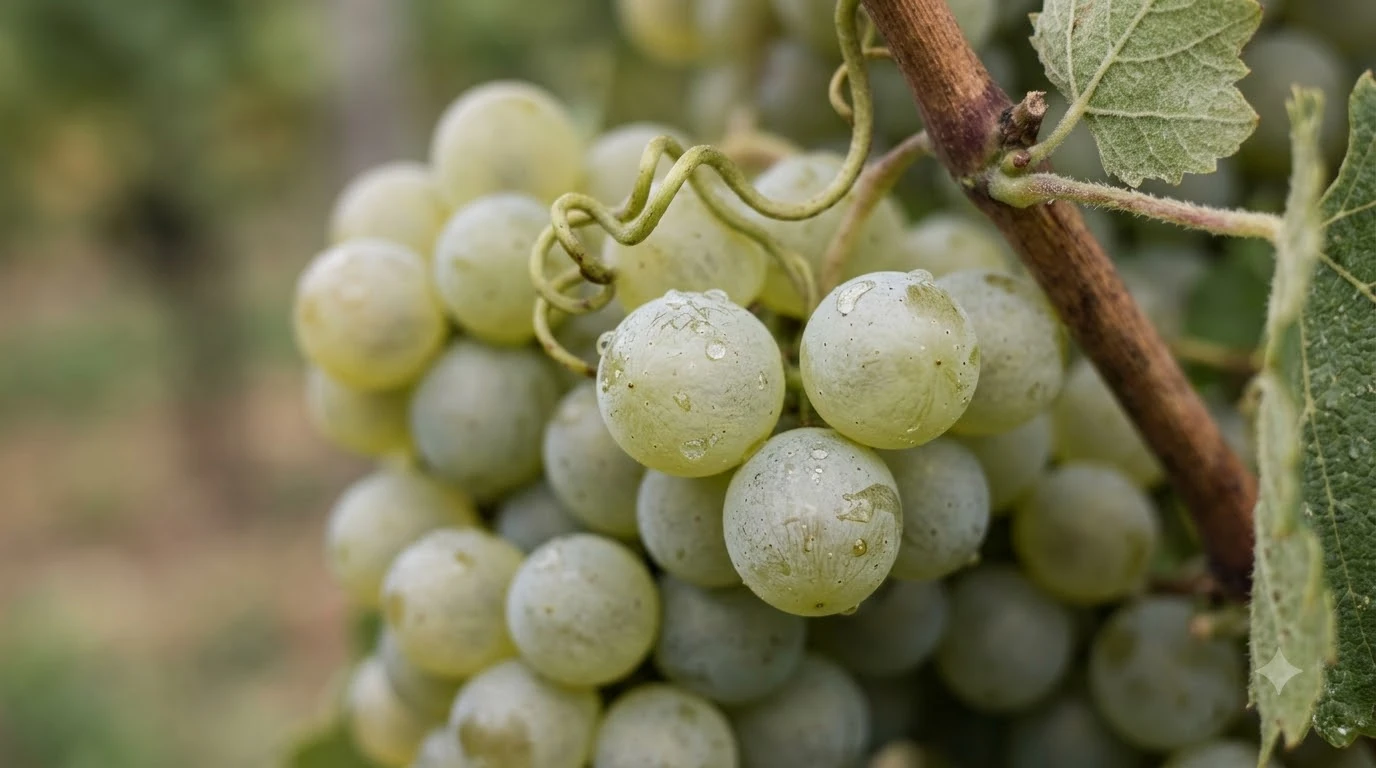
What is Garganega? It is an indigenous white wine grape from northeastern Italy, best known as the primary grape behind Soave. Grown extensively in the Veneto region near Verona, it produces dry white wines with medium-light body, zero tannins, medium-high acidity, and flavors of white peach, honeydew melon, tangerine zest, marjoram, and green almond. Depending on where it is grown and how it is aged, Garganega ranges from crisp, everyday pours to age-worthy hillside whites and sweet dried-grape dessert wines.
Although Garganega ranks among Italy’s most widely planted white varieties, shoppers rarely see the grape’s name printed on the front of a bottle. Instead, it hides in plain sight behind classic regional appellations—making it one of the most rewarding discoveries in the Wine by Type aisle once you know what to look for.
What It Is
Garganega is a thick-skinned, late-ripening white grape native to northern Italy that serves as the backbone of Soave and neighboring Gambellara. Under Italian wine law, wines labeled Soave DOC must contain at least 70 percent Garganega, with the remaining 30 percent typically made up of Trebbiano di Soave for brisk acidity or small amounts of Chardonnay for roundness.
Genetic testing has revealed two important pieces of the grape’s family tree. First, DNA profiling confirmed that Garganega is identical to Grecanico Dorato, a white variety widely planted across Sicily, linking two regions more than 1,200 kilometers apart. Second, researchers have identified Garganega as a parent grape to several notable Italian varieties, including Trebbiano Toscano, establishing its deep historical roots in Italian viticulture.
Because regional appellation names take precedence over varietal labeling across most of Italy, wine drinkers often enjoy Garganega without realizing it. If you are unsure how to pronounce Garganega when ordering at a restaurant or chatting with a merchant, break it into four syllables with the stress on the second syllable: gar-GAH-neh-gah. Once you connect the grape’s name to Soave on the label, navigating Italian white wine shelves becomes far easier.
Flavor and Styles
In the glass, dry Garganega delivers a medium-light body, bright medium-high acidity, zero tannins, and an alcohol by volume typically between 11.5 and 13.5 percent. Younger bottlings fermented in stainless steel lean crisp and floral, while hillside versions aged on their lees or in large neutral oak barrels develop a creamier texture and subtle nuttiness.
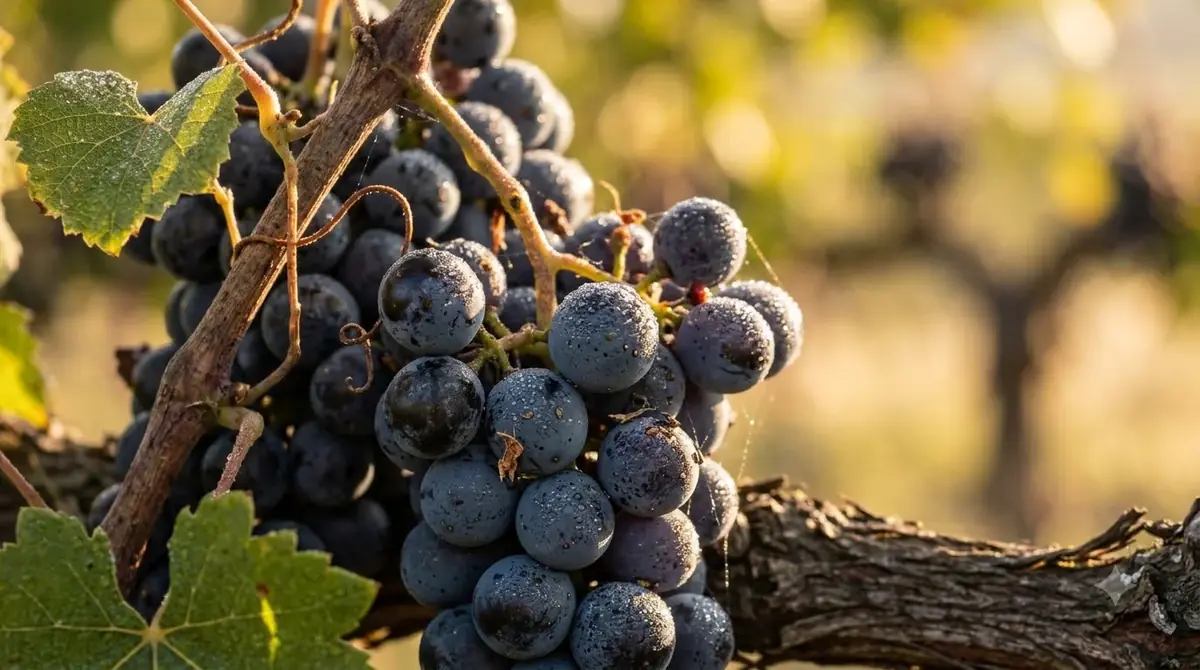
According to Wine Folly’s guide to Garganega, the grape’s core flavor profile centers on white peach, honeydew melon, tangerine zest, sweet marjoram, and a distinct saline minerality. A signature hallmark of quality Garganega is a clean, slightly bitter green almond or blanched almond finish that keeps the wine refreshing rather than overtly fruity. As top hillside bottles age for four to six years—or up to ten years in exceptional vintages—those fresh citrus and orchard notes evolve into toasted almond, honey, and baked apple.
Beyond dry still whites, winemakers use Garganega to craft sparkling wines and one of Italy’s most prized dessert styles: Recioto di Soave DOCG. For Recioto, winemakers harvest the thickest-skinned, healthiest grape clusters and air-dry them on mats or racks for several months using the traditional appassimento method. As water evaporates, sugars and acids concentrate, resulting in a luscious, golden sweet wine balanced by Garganega’s natural citrus snap. You can explore more detailed Garganega tasting notes across both dry and sweet bottlings to see how winemaking shapes the glass.
| Style or Appellation | Vineyard & Aging Profile | Key Tasting Notes | Typical ABV |
|---|---|---|---|
| Soave DOC (Valley Floor) | Alluvial plains; stainless steel fermentation for freshness | Green apple, lemon, light melon, crisp and dry | 11.0%–12.5% |
| Soave Classico DOC (Hillside) | Volcanic basalt and limestone slopes; lees or neutral oak aging | White peach, tangerine, marjoram, saline, bitter almond | 12.0%–13.5% |
| Gambellara DOC | Volcanic hills east of Soave; still or lightly sparkling styles | Citrus blossom, white pear, wet stone, dry almond finish | 11.5%–13.0% |
| Recioto di Soave DOCG | Air-dried grapes (appassimento); concentrated sweet dessert wine | Apricot jam, candied orange peel, honey, bright acidity | 12.0%–14.0% |
| Sicilian Grecanico | Warm Mediterranean climate; stainless steel or amphora aging | Tangy citrus, yellow plum, garden herbs, savory spice | 12.0%–13.5% |
Where It Grows
Garganega’s spiritual and commercial heartland lies in the Veneto region of northeastern Italy, specifically in the rolling hills east of Verona. Combined plantings of Garganega and Grecanico across Italy exceed 11,000 hectares, with the finest expressions rooted in the historic Soave Classico zone and neighboring Gambellara.
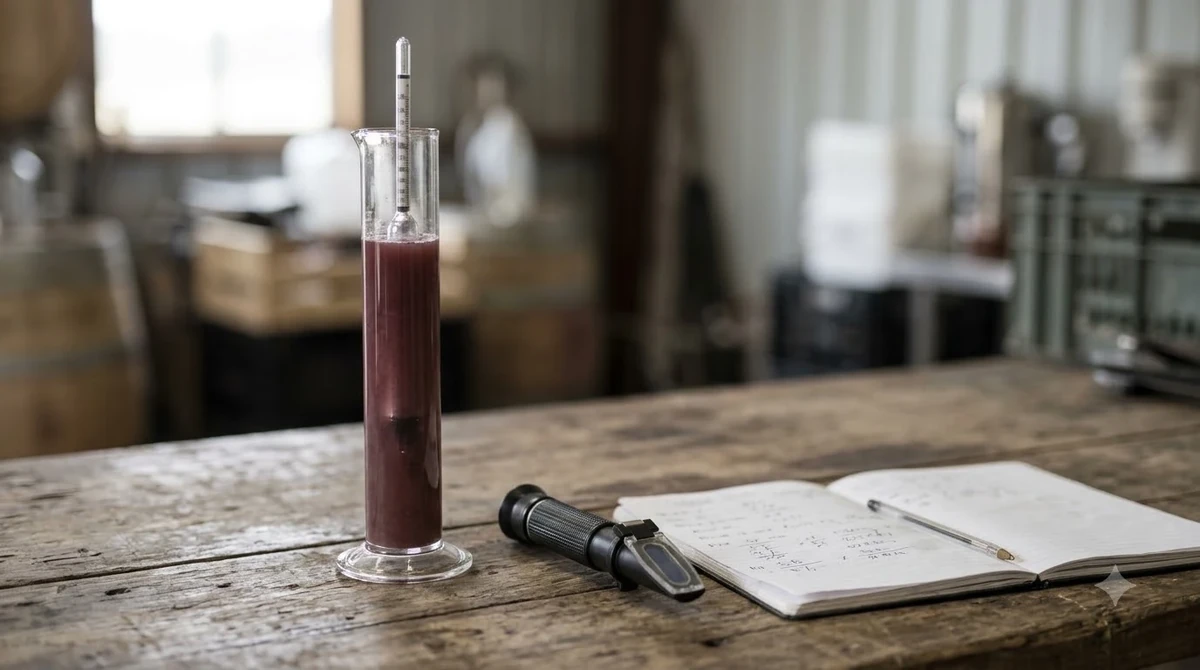
Soil composition plays a dramatic role in how Garganega tastes from one hillside to the next. In the central Soave Classico zone, vines grow on steep slopes of decomposed volcanic basalt mixed with calcareous limestone. These mineral-rich volcanic soils retain moisture during warm summers and impart the smoky, saline, and flinty tension that separates serious hillside Soave from simple, high-yield wines grown on the sandy valley floor below.
Outside the Veneto, the grape thrives under its synonym Grecanico Dorato across western and central Sicily, including the Alcamo DOC and Sicilia DOC, where warm sunshine brings out riper yellow fruit and tangy herbal spice. Smaller plantings also appear in Umbria, Friuli, and Lombardy—where Garganega contributes to the crisp white blends of Bianco di Custoza—as well as pioneering pockets in Australia’s Barossa Valley, where the first vines outside Italy were planted in 2004.
How to Serve
Serve dry Garganega chilled to between 45 and 50 degrees Fahrenheit (7 to 10 degrees Celsius), which keeps its brisk acidity lively without muting its delicate floral and herbal aromatics. Richer, oak-aged Soave Classico bottlings benefit from sitting at the warmer end of that range, around 50 degrees Fahrenheit, so their nutty and honeyed layers can open up in the glass.
Pour dry styles into a standard medium-bowled white wine glass, which channels aromas of white blossom and citrus zest toward the nose while directing the wine to the center of the palate. If you open a young, tightly wound hillside Soave Classico, giving it 15 to 20 minutes of air in the glass—or a brief splash into a decanter—helps soften any initial reductive edges and brings forward the white peach and marjoram notes.
For sweet Recioto di Soave, serve the wine slightly cooler, around 45 to 48 degrees Fahrenheit, in a smaller dessert wine glass to concentrate its dried apricot and honey aromatics. Most everyday Soave DOC bottles are meant to be enjoyed within one to three years of the vintage date, whereas single-vineyard Soave Classico bottlings from top estates can reward five to ten years of cool cellar storage.
Tip: Avoid serving high-end Soave Classico straight from an ice bucket; extreme cold masks its subtle volcanic minerality and toasted almond complexity, making a layered hillside wine taste flat.
Food Pairing
Thanks to its lively acidity, savory herbal undertones, and light-to-medium weight, Garganega is one of the most versatile dinner-table white wines in Italy. It bridges the gap between super-crisp Pinot Grigio and richer, oaked Chardonnay, meaning it can handle delicate seafood without overpowering it while still standing up to creamy sauces.
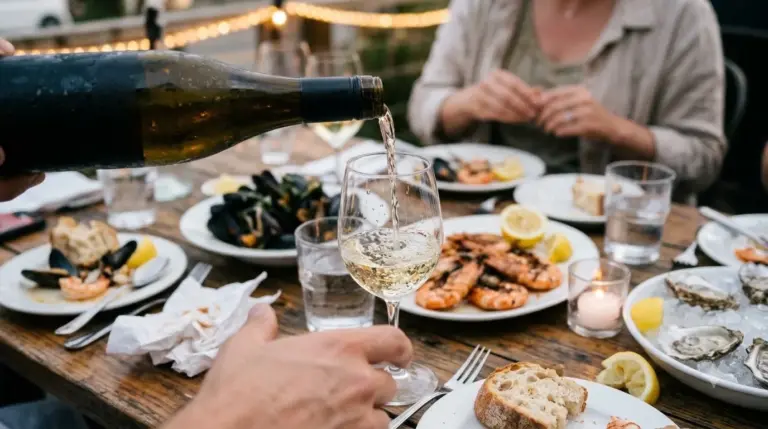
In its native Veneto, Garganega is the classic partner for Venetian seafood specialties such as shrimp scampi, seared scallops, grilled sea bass, and baccalà (creamed salt cod). The wine’s natural notes of sweet marjoram and lemon zest echo fresh culinary herbs, making it an easy match for asparagus risotto, lemon-herb roast chicken, pasta with pesto or clams, and spring vegetable frittatas. Even mildly spiced Asian dishes—such as vegetable spring rolls, ginger-steamed fish, or mild coconut curries—work well alongside Garganega’s stone-fruit character.
When pairing sweet Recioto di Soave, look toward Italian almond biscotti, aged gorgonzola or parmigiano-reggiano, or fruit tarts baked with apricot and peach. For more menu inspiration and specific dish ideas, check out our full guide to Garganega food pairing.
How to Choose a Bottle
Because the word Garganega rarely appears in large print on the front label, buying great examples comes down to reading regional cues and producer names. If you want an affordable, easy-drinking white for weeknight pasta or aperitifs, a basic Soave DOC from a reliable estate delivers clean citrus and green apple refreshment.
When you want greater depth, texture, and aging potential, look for the words “Soave Classico” or “Soave Superiore” on the label, which indicate lower yields and grapes harvested from the historic volcanic hillsides. As noted in Wine-Searcher’s overview of Garganega, benchmark producers to watch for include Pieropan, Gini, Inama, Suavia, Cantine Pra, and Anselmi (who bottles his hillside Garganega under the Veneto IGT designation). If you enjoy exploring Mediterranean whites, also keep an eye out for Sicilian bottles labeled Grecanico for a sunnier, slightly spicier take on the exact same grape.
Frequently Asked Questions
Is Garganega the same thing as Soave?
Soave is the wine region (DOC) in northern Italy, while Garganega is the primary grape variety used to make it. By law, Soave wines must contain at least 70 percent Garganega, and many top producers craft their Soave Classico bottlings from 100 percent Garganega.
Is Garganega wine sweet or dry?
Nearly all still Garganega wines, including Soave and Soave Classico, are completely dry with crisp acidity and a clean almond finish. The main exception is Recioto di Soave DOCG, a traditional sweet dessert wine made by air-drying harvested Garganega grapes before fermentation.
How does Garganega compare to Pinot Grigio and Chardonnay?
Garganega typically offers more aromatic complexity, herbal nuance, and mineral grip than standard Italian Pinot Grigio, while remaining lighter and brighter than oaked Chardonnay. Its signature combination of white peach, marjoram, and a subtly bitter almond finish sets it apart from both grapes.
Does Garganega age well in the bottle?
Simple valley-floor Soave is best enjoyed young within one to three years of harvest for its fresh citrus and floral notes. However, hillside Soave Classico wines from volcanic soils regularly age well for five to ten years, developing rich flavors of honey, toasted almond, and tangerine.
Whether poured crisp and young on a warm afternoon or uncorked after a few years in the cellar alongside a rich seafood risotto, Garganega rewards curious wine drinkers with clarity and character. Learning to spot its regional aliases on the shelf opens the door to some of northern Italy’s most food-friendly and expressive white wines.
More in Wine Types & Grapes
 What Is Kerner? Everything to Know About This Aromatic White WineUpdated Nov 21, 2026
 What Is Kabinett Wine? Styles, Sweetness, and Food PairingsUpdated Nov 21, 2026
 What Is GSM Blend? How Grenache, Syrah, and Mourvèdre Work TogetherUpdated Nov 21, 2026
 What Is Fortified Red Wine? Styles, Flavors, and Serving TipsUpdated Nov 21, 2026
 What Is Godello? Guide to Spain’s Crisp Mineral White WineUpdated Nov 21, 2026
 What Is Furmint? A Guide to Hungary’s Versatile White GrapeUpdated Nov 21, 2026