

We may earn a commission when you buy through links on this page, at no extra cost to you. Learn more.
If you are wondering what is friulano, it is a dry, medium-bodied white wine grape—officially known as Sauvignonasse—most famous in northeastern Italy’s Friuli-Venezia Giulia region. Formerly called Tocai Friulano until a 2007 European Union naming ruling, the grape produces crisp, savory wines marked by green pear, white peach, wild herbs, and a signature bitter-almond finish. It serves as the flagship white variety of Friuli and is widely prized for its versatility at the dinner table.
While Pinot Grigio often steals the spotlight on Italian wine lists, locals in northeastern Italy reach for Friulano when they want a white wine with genuine texture, herbal complexity, and food-friendly structure. Understanding how this grape behaves in the vineyard and the cellar makes it easy to spot a great bottle on any retail shelf.
What it is
Friulano is an ancient green-skinned Vitis vinifera wine grape native to northeastern Italy and neighboring Slovenia, carrying the official botanical name Sauvignonasse. Despite sharing part of its name with Sauvignon Blanc and having been mistaken for it in South America for decades, the two varieties have no genetic relationship.
For centuries, Italian growers and drinkers knew the grape as Tocai or Tocai Friulano, with historical records in Friuli dating back to at least the 1600s and possibly the 12th century. That long-standing title sparked a decades-long legal dispute with Hungary, which sought exclusive protection for its famous sweet wine, Tokaji, made from unrelated grapes like Furmint. In 2007, following a European Court of Justice ruling, Italian producers dropped the Tocai prefix and adopted the name Friulano.
Across the border in Slovenia, winemakers responded to the same ruling in a playfully defiant way. After briefly labeling the grape Sauvignonasse or Zeleni Sauvignon, Slovenian producers officially adopted the name Jakot in 2013—spelling Tokaj backward. In northern Italy’s Veneto region, you may also see the grape labeled locally as Tai.
In the vineyard, Friulano is prized for yielding wines with a plush, almost viscous mid-palate balanced by refreshing acidity. Its berries have notably thin skins, making the vines sensitive to damp weather and fungal rot if left unmonitored, though careful canopy management and timely September harvests keep the fruit healthy and concentrated.
Flavor and styles
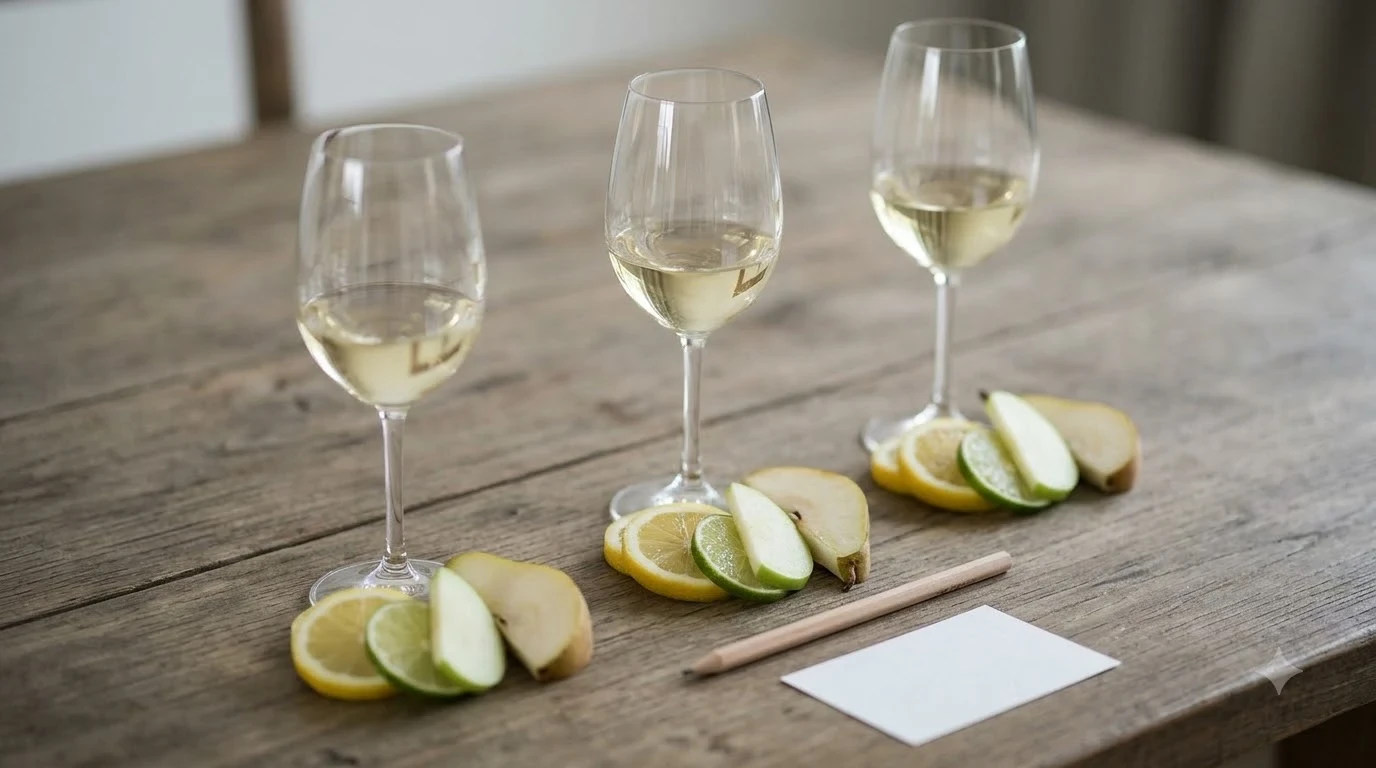
Friulano typically pours a pale straw yellow with faint greenish highlights and delivers a dry, savory profile built around orchard fruit, fresh herbs, and crushed-stone minerality. On the finish, nearly every well-made example leaves a subtle, pleasant hint of bitter almond that sets it apart from simpler Italian whites.
According to tasting notes from Wine Folly, primary aromatics center on grapefruit, green pear, white peach, and tarragon layered over crushed gravel. Unlike Sauvignon Blanc, which bursts with pungent pyrazines and tropical passionfruit, Friulano is semi-aromatic. Its perfume is quieter and more floral, relying on texture, gentle salinity, and herbal depth rather than loud fruit.
Winemakers craft the grape in three distinct expressions depending on their cellar philosophy:
- Crisp and unoaked: Fermented and aged in stainless steel tanks, this everyday style emphasizes bright citrus, pear, white blossoms, and brisk mineral cut.
- Lees-aged and barrel-fermented: Top hillside estates often age the wine on its spent yeast lees or in neutral oak casks, creating a richer, creamier texture with baked pear, toasted nut, and honeyed complexity.
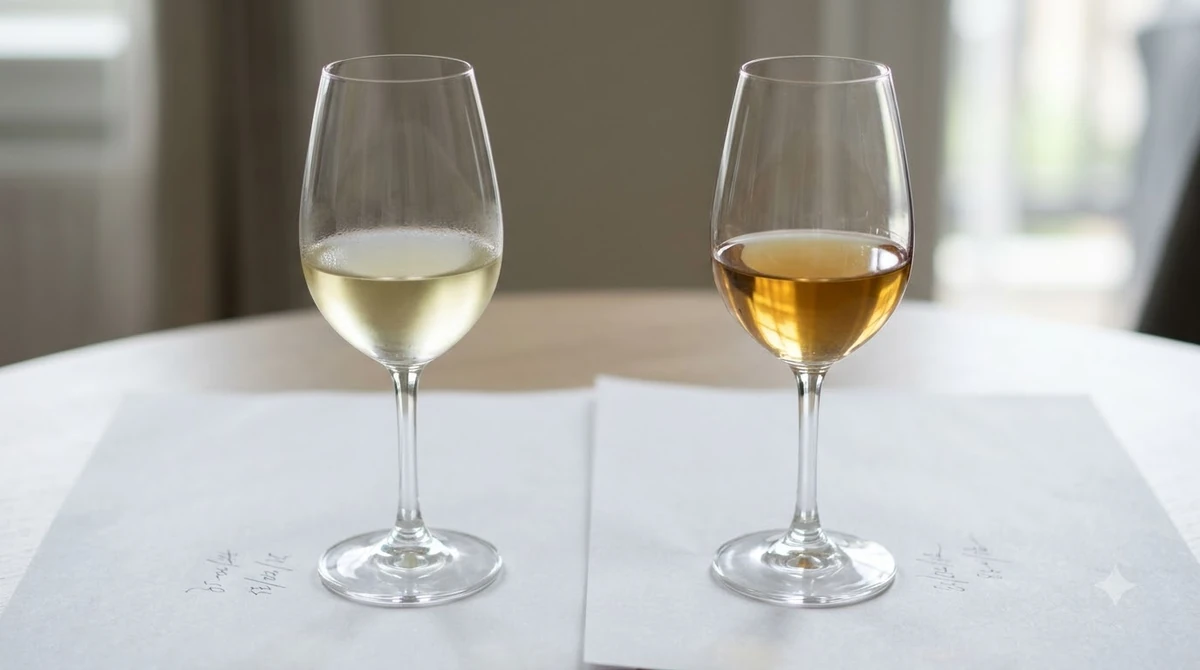
- Skin-contact (orange) wine: Along the Italian-Slovenian border, traditionalist producers ferment crushed Friulano grapes with their skins for days or weeks, yielding amber-hued wines with fine tannins, dried apricot notes, and intense savory grip.
Alcohol levels vary noticeably by style and site, ranging from a breezy 12.5 percent ABV in lighter steel-fermented bottlings up to 14.5 percent ABV in ripe, concentrated single-vineyard selections.
| Style | Winemaking Approach | Body & Texture | Key Tasting Notes |
|---|---|---|---|
| Classic Stainless Steel | Temperature-controlled steel fermentation, no oak | Light-to-medium, crisp and clean | Green pear, grapefruit, tarragon, bitter almond |
| Lees & Oak Aged | Extended lees contact or maturation in oak barrels | Medium-to-full, creamy and structured | Ripe white peach, cooked pear, flint, toasted almond |
| Skin-Contact (Orange) | Maceration on grape skins with native yeasts | Full, grippy, lightly tannic | Dried stone fruit, wild herbs, tea leaf, pronounced salinity |
Where it grows
Friulano achieves its finest expression in Friuli-Venezia Giulia, a compact northeastern Italian region wedged between the Adriatic Sea, the Dolomite foothills, and the Slovenian border. Cool Alpine breezes collide here with warm maritime air, creating dramatic day-to-night temperature swings that lock in freshness while allowing the grapes to ripen fully.
Within Friuli, soil type divides the wines into two clear camps. In the flat alluvial plains of Friuli Grave and Friuli Isonzo, stony, gravel-rich riverbeds produce clean, energetic, approachable bottlings meant for early drinking. Up in the steeper border hills of Collio and Friuli Colli Orientali, vines root into layered marl and sandstone known locally as ponca, yielding concentrated, mineral-driven Friulano capable of aging gracefully for years.
Beyond Italy and Slovenia’s neighboring Goriška Brda and Vipava Valley, Friulano has a fascinating footprint in South America. French immigrants carried cuttings to Chile in the 19th century under the mistaken belief that the vines were Sauvignon Blanc. Ampelographers only untangled the mix-up in the 1990s, reclassifying Chile’s plantings as Sauvignon Vert. While many Chilean growers subsequently replanted with true Sauvignon Blanc, pockets of old-vine Sauvignon Vert still survive. Small, boutique plantings also exist in Australia’s Alpine Valleys and Victoria, whereas vines labeled Sauvignon Vert in California are generally unrelated Muscadelle.
How to serve
Serve Friulano chilled to between 50°F and 54°F (10°C to 12°C) so its delicate herbal aromatics and rounded texture can open up without feeling muted. Pulling a bottle straight from a standard refrigerator and letting it sit on the counter for 15 to 20 minutes usually lands it right in that ideal window.
A standard tulip-shaped white wine glass works well for crisp, stainless-steel bottlings by directing citrus and floral notes toward the nose. If you open an oak-aged hillside reserve or a skin-contact orange expression, switch to a slightly wider universal or Chardonnay-style bowl and give the wine 20 to 30 minutes of air in the glass or a decanter to soften its grip and release deeper flinty, nutty layers.
Most entry-level Friulano bottlings are crafted to be enjoyed within three to five years of the vintage date while their orchard fruit and almond snap remain vibrant. Single-vineyard selections from Collio or Colli Orientali, however, frequently reward five to eight years in a cool cellar, evolving honeyed, beeswax, and savory mineral notes over time. Once opened, re-cork the bottle and keep it in the refrigerator, where it will stay fresh for up to three days.
Tip: Avoid serving Friulano ice-cold straight from an ice bucket; temperatures below 45°F flatten its signature white-peach fruit and exaggerate the natural almond bitterness on the finish.
Food pairing
Friulano is widely celebrated by sommeliers as one of the most adaptable dinner-table whites in Italy, thanks to its medium body, gentle acidity, and savory herbal backbone. As educators at VinePair point out, its depth and clean finish even make it a standout Thanksgiving white wine alongside roasted poultry and savory sides.
At home in Friuli, the classic regional pairing is thinly sliced Prosciutto di San Daniele served with lightly aged Montasio cheese. The wine’s creamy mid-palate coats the saltiness of the cured ham while its crisp mineral finish cleanses the palate between bites. It is equally at home with grilled sea bass, crab cakes, shrimp risotto, and roast chicken finished with herbs and lemon.
Where Friulano truly outshines many competing white wines is alongside notoriously tricky green vegetables. Because its own aromatic profile leans toward tarragon, wild grasses, and crushed stone rather than sweet fruit, it pairs effortlessly with shaved fennel salads, roasted asparagus, sautéed green beans, braised artichokes, and Brussels sprouts. If you want to compare how other lesser-known European whites handle bright food pairings, explore our guides to the crisp Arinto wine from Portugal or Spain’s light-bodied Airén grape.
How to choose a bottle
Shopping for Friulano becomes straightforward once you know how to read the regional designations on an Italian front label. Because producers rarely put winemaking notes on the front of the bottle, the appellation name gives you the clearest clue about what is inside.
Look for bottles labeled Friuli DOC or Friuli Grave DOC when you want a bright, refreshing aperitif or a weekday dinner white. These wines typically undergo cool stainless-steel fermentation, stay lower in alcohol, and emphasize crisp pear, citrus, and clean minerality.
Choose labels bearing Collio DOC or Friuli Colli Orientali DOC when you want a richer, more complex bottle for a special meal. Harvested from steep hillside vineyards, these bottlings frequently see extended lees aging or partial barrel maturation, resulting in deeper stone-fruit flavor, a fuller mouthfeel, and longer aging potential.
Check the vintage date on the neck or back label before buying. Unless you are intentionally purchasing a structured reserve bottling from a top hillside estate, look for a vintage from the past two to three years so the wine’s fresh herbal and floral energy is still at its peak. You can also browse our broader overview of Wine by Type to see how dry Italian whites stack up against aromatic and full-bodied categories worldwide.
Frequently Asked Questions
Is Friulano the same grape as Sauvignon Blanc?
No, Friulano and Sauvignon Blanc are completely distinct grape varieties with no direct genetic link. Although Friulano’s official name is Sauvignonasse and it was mistakenly grown as Sauvignon Blanc in Chile until the 1990s, Friulano is less pungent, fuller in texture, and marked by orchard fruit and almond rather than grassy gooseberry notes.
Why did Tocai Friulano change its name to Friulano?
In 2007, a European Union court ruling prohibited Italian winemakers from using the word Tocai to prevent consumer confusion with Hungary’s protected Tokaji dessert wines. Even though the Italian grape had been called Tocai for centuries and shares no genetic relationship with Hungarian Tokaji grapes, producers in Friuli dropped the prefix and shortened the name to Friulano.
Is Friulano a dry or sweet wine?
Friulano is almost always made as a crisp, fully dry white wine. While ripe white peach and pear aromas can give the mid-palate a rounded, generous impression, fermentations are carried out to dryness and finished with refreshing mineral acidity and a dry almond snap.
What does Friulano taste like compared to Pinot Grigio?
Friulano is generally fuller-bodied, more textural, and more herb-driven than standard Italian Pinot Grigio. Where Pinot Grigio leans toward simple lemon and green apple flavors, Friulano layers white peach, pear, tarragon, and crushed-stone minerality over a plush mid-palate with a signature bitter-almond finish.
Whether you pour a crisp, steel-fermented bottling alongside weeknight seafood or uncork a hillside Collio reserve with cured meats and roasted vegetables, Friulano offers an expressive look into northeastern Italy’s winemaking heritage. Keep an eye out for the name on your next wine shop visit if you enjoy dry whites with savory character and genuine versatility at the table.
More in Wine Types & Grapes
 Zinfandel Sugar Content: Dry Red vs. White Zinfandel GramsUpdated Nov 21, 2026
 Best Zinfandel Substitute Options for Sipping and CookingUpdated Nov 21, 2026
 Zweigelt Food Pairing: Best Dishes, Cheeses, and Serving TipsUpdated Nov 21, 2026
 Zinfandel Tannins Explained: How Structure Shapes Every BottleUpdated Nov 21, 2026
 Zinfandel Sweetness Level: Dry Red vs. Sweet White Zin ExplainedUpdated Nov 21, 2026
 Xinomavro Food Pairing: Best Dishes, Styles, and Serving TipsUpdated Nov 21, 2026