

We may earn a commission when you buy through links on this page, at no extra cost to you. Learn more.
What is cortese? Cortese is an indigenous white wine grape native to northwestern Italy’s Piedmont region, where it serves as the sole grape behind the crisp, dry white wine Gavi DOCG. Known for its mouthwatering acidity, light to medium body, and restrained aromas of green apple, Meyer lemon, white peach, and crushed stone, it typically finishes with a distinct hint of almond and saline minerality. Most bottles are fermented in stainless steel to preserve fresh citrus energy, though top single-vineyard versions can age for several years.
While Piedmont is world-famous for powerhouse red wines built from Nebbiolo, Cortese provides a bright, coastal-influenced counterweight from the region’s southeastern hills. Understanding this grape means looking past varietal labels—since Italian bottles rarely print the grape name—and exploring the Wine by Type landscape of dry, mineral-driven Italian whites.
What it is
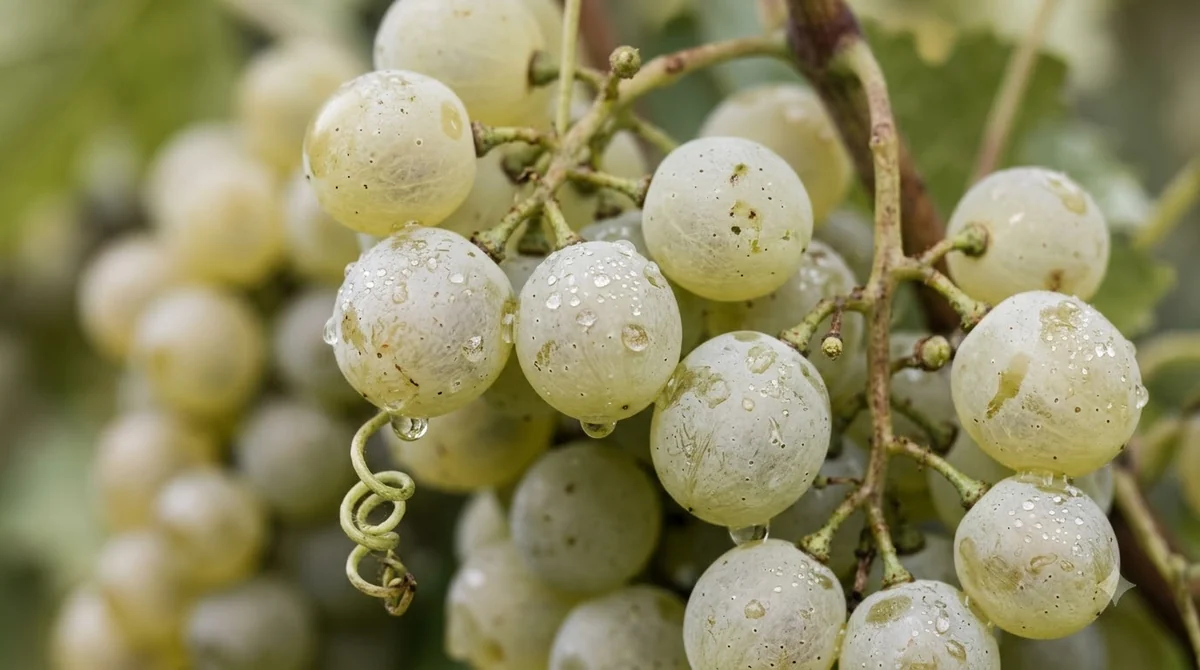
Cortese is an ancient white-skinned grape variety (Vitis vinifera) cultivated in northern Italy for centuries, with written records dating back to the seventeenth century. Its name is widely linked to the Italian word cortese, meaning courteous or gracious, a fitting nod to its clean, food-friendly profile, though some ampelographers also connect the root to corto (short) for its compact grape bunches.
In the modern wine world, Cortese is synonymous with Gavi, also labeled as Cortese di Gavi DOCG. Under Italian appellation law, wines carrying the Gavi DOCG designation must be made from 100 percent Cortese grapes. Because European wine labels prioritize geographic origin over grape variety, shoppers frequently drink Cortese without realizing it, recognizing the bottle strictly by the town of Gavi printed on the front.
In the vineyard, Cortese is vigorous and naturally high-yielding, requiring careful canopy management and green harvesting to concentrate flavor. One of its defining viticultural traits is its ability to retain bracing natural acidity even during warm growing seasons, keeping the resulting wines taut and linear rather than heavy or flabby. For readers still getting comfortable with Italian wine terminology, our quick guide on how to pronounce cortese breaks down the phonetic stress so you can order it with confidence.
Flavor and styles
Cortese produces dry, light- to medium-bodied white wines defined by high acidity, zero noticeable tannins, and moderate alcohol levels ranging from 11.5 to 13.5 percent ABV. Rather than overwhelming the palate with tropical fruit or heavy oak, it relies on subtlety, tension, and a clean mineral finish.
As Wine Folly’s guide to Cortese highlights, primary aromas center on Meyer lemon, Gala apple, honeydew melon, and delicate white blossoms. Beneath the orchard fruit sits a signature stony, seashell-like salinity paired with a gentle bitter-almond note on the close. Compared to standard Pinot Grigio, Cortese carries sharper natural acidity and a more pronounced chalky grip; compared to Sauvignon Blanc, it is far less herbaceous and pungent.
Winemakers craft Cortese in three primary expressions depending on cellar choices:
- Unoaked Steel-Fermented: The benchmark style, fermented at cool temperatures in stainless steel without malolactic fermentation to lock in zesty lime, green apple skin, and brisk freshness.
- Lees-Aged and Riserva: Select hillside bottlings spend extended time on fine lees—and occasionally a small percentage in neutral or lightly toasted barrels—developing creamier mid-palate texture, brioche nuances, and roasted hazelnut complexity.
- Sparkling (Spumante): A smaller slice of production is turned into dry sparkling wine using either the tank method or traditional bottle fermentation, capitalizing on the grape’s natural acid spine.
| Style | Winemaking Approach | Key Tasting Notes | Aging Window |
|---|---|---|---|
| Classic Gavi / Cortese DOC | Stainless steel, cool fermentation, no oak | Lemon zest, green apple, white flowers, crisp saline finish | 1 to 3 years |
| Gavi di Gavi / Single Vineyard | Selected hillside plots, extended lees contact | White peach, wet stone, crushed almond, fuller mid-palate | 3 to 5 years |
| Gavi Riserva | Minimum 12 months aging, occasional barrel influence | Baked orchard fruit, brioche, toasted hazelnut, beeswax | 5 to 8 years |
| Spumante (Sparkling) | Secondary fermentation in tank or bottle | Green pear, citrus blossom, lively mousse, dry finish | 1 to 3 years |
Where it grows
Cortese is overwhelmingly concentrated in northwestern Italy’s Piedmont region, specifically in the rolling hills of Alessandria province near the border with coastal Liguria. Outside northern Italy, commercial plantings are rare, making Cortese a true regional specialist rather than a global traveler.
The heartland of the grape is the Gavi DOCG zone, centered around the historic town of Gavi and ten surrounding communes. Situated between the Apennine foothills and the Ligurian Sea, these vineyards benefit from cooling maritime breezes colliding with continental mountain air. The soils shift from chalky white marl and limestone in the central communes to iron-rich red clay further north, directly shaping whether a bottle leans lean and stony or slightly rounder in fruit.
Beyond Gavi, Cortese is grown across neighboring Piedmont appellations such as Colli Tortonesi, Monferrato, and Piemonte DOC, where it yields approachable, fruit-forward whites meant for everyday drinking. Small pockets also appear across the regional border in Lombardy’s Oltrepò Pavese and parts of Veneto, where the grape is often blended with local varieties for crisp table wines. Like Spain’s airen grape, which remained rooted in its domestic heartland for generations, Cortese thrives best in the specific microclimate where it evolved.
How to serve
Serve Cortese well chilled between 45 and 55 degrees Fahrenheit (7 to 12 degrees Celsius) in a standard tulip-shaped white wine glass. Serving it slightly warmer than ice-cold refrigerator temperatures ensures the delicate floral and almond aromatics open up instead of getting muted by the chill.
Young, stainless-steel bottlings require no decanting—simply pull the cork or unscrew the cap, pour, and enjoy while the citrus aromatics are at their brightest. If you are opening an older single-vineyard Gavi or a Riserva that has spent time on the lees, letting the wine sit in the glass for ten to fifteen minutes helps release deeper notes of beeswax, white peach, and roasted nuts.
Most Cortese is crafted for early consumption within one to three years of the vintage date, when its electric acidity is front and center. However, International Wine Challenge insights on Gavi note that structured examples from top vineyard sites and Riserva bottlings can age gracefully for five years or longer, trading primary green-apple snap for honeyed depth.
Tip: If your bottle has been sitting in a standard kitchen refrigerator at 38 degrees Fahrenheit, take it out 15 minutes before pouring so its subtle stone-fruit and mineral notes can emerge.
Food pairing
Because Gavi sits just inland from the port city of Genoa, Cortese evolved alongside the seafood- and herb-driven cuisine of the Italian Riviera. Its sharp acidity slices through olive oil and rich shellfish, while its saline undertone mirrors briny coastal ingredients.
Traditional Ligurian dishes offer the most natural culinary matches. Trofie pasta tossed with fresh basil pesto, pine nuts, and Parmigiano-Reggiano plays directly into the wine’s herbal and nutty register without weighing down the palate. Grilled sea bass, pan-seared scallops, raw oysters, fried calamari, and steamed mussels with garlic and white wine all thrive alongside Cortese’s lemon-driven lift.
Away from the coast, Cortese works effortlessly with vegetable-centric plates and fresh cheeses. Asparagus risotto, zucchini blossoms, artichoke salads, and mild goat or sheep’s milk cheeses find a clean partner in its crisp structure. Just avoid heavy cream sauces, smoked meats, or fiery chili heat, which will overpower the grape’s restrained aromatic profile—much like pairing delicate dishes with crisp arinto wine from Portugal.
How to choose a bottle
Shopping for Cortese starts with reading Italian appellation cues rather than searching the front label for the grape name. Knowing how regional classifications work will steer you straight toward the style and concentration level you want on the table.
If you want the benchmark expression, look for bottles labeled Gavi DOCG or Cortese di Gavi DOCG. When the label specifically reads Gavi di Gavi, it indicates the grapes were grown strictly within the boundaries of the core commune of Gavi itself, an area prized for calcareous marl soils and pronounced mineral tension. For an everyday weeknight pour with softer fruit and lighter minerality, look for Piemonte Cortese DOC or Colli Tortonesi Cortese.
Check the vintage year and closure type on the shelf. For standard steel-fermented bottles, prioritize the most recent one or two vintages available so you capture peak citrus vibrancy. Screw caps are increasingly common among quality-minded producers for young releases, protecting the wine’s delicate aromatics from oxidation, while natural cork remains standard for lees-aged single-vineyard selections and Riserva bottlings.
Frequently Asked Questions
Is Cortese wine dry or sweet?
Cortese is almost exclusively made as a bone-dry white wine with no noticeable residual sugar. Its high natural acidity gives it a crisp, mouthwatering sensation that emphasizes citrus zest and stony minerality rather than sweetness.
Are Gavi and Cortese the same thing?
Cortese is the name of the white wine grape variety, while Gavi is the famous wine region in southeastern Piedmont where that grape grows best. By law, Gavi DOCG wine must be made from 100 percent Cortese grapes, so every bottle of Gavi is a Cortese wine.
How does Cortese compare to Pinot Grigio?
Both grapes produce dry, light-bodied northern Italian white wines, but Cortese typically has higher natural acidity, a sharper citrus edge, and a more distinct salty, almond-tinged finish. Pinot Grigio often leans slightly softer on the palate with rounder pear and floral notes.
Does Cortese age well in the cellar?
Most entry-level Cortese and Gavi wines are designed to be enjoyed fresh within one to three years of harvest. However, top single-vineyard bottlings and Gavi Riserva wines aged on the lees can develop rich hazelnut, honey, and beeswax notes over five to eight years.
Cortese rewards drinkers who appreciate precision, freshness, and understated mineral character over loud oak or heavy fruit. Whether poured chilled alongside summer seafood or uncorked with a bowl of basil pesto pasta, this northern Italian classic proves how compelling a restrained white grape can be.
More in Wine Types & Grapes
 Zinfandel Sugar Content: Dry Red vs. White Zinfandel GramsUpdated Nov 21, 2026
 Best Zinfandel Substitute Options for Sipping and CookingUpdated Nov 21, 2026
 Zweigelt Food Pairing: Best Dishes, Cheeses, and Serving TipsUpdated Nov 21, 2026
 Zinfandel Tannins Explained: How Structure Shapes Every BottleUpdated Nov 21, 2026
 Zinfandel Sweetness Level: Dry Red vs. Sweet White Zin ExplainedUpdated Nov 21, 2026
 Xinomavro Food Pairing: Best Dishes, Styles, and Serving TipsUpdated Nov 21, 2026