

We may earn a commission when you buy through links on this page, at no extra cost to you. Learn more.
Nova Scotia wine is wine produced in the Canadian province of Nova Scotia, where vines have been grown since the 1600s and modern wineries rely on cold-hardy hybrid grapes and the crisp Tidal Bay style. The main growing areas are the Annapolis Valley, the Gaspereau Valley, the South Shore and the Malagash Peninsula, with some vineyards also on Cape Breton Island.
This guide covers the history of Nova Scotia winemaking, the grapes that grow well in a cool maritime climate, the Tidal Bay appellation, and how to choose and serve a bottle. It is written for readers who want to understand what makes this region different from warmer wine countries before they try a bottle. The history and figures here come from the Nova Scotia wine entry on Wikipedia, which draws on the province’s wine association and government announcements.
Where Nova Scotia Wine Is Grown
Nova Scotia’s wine country is spread across a few distinct areas. The Annapolis Valley is the best known of these areas, and the first commercial winery opened there. The Gaspereau Valley, the South Shore and the Malagash Peninsula each have their own microclimates, and some growers also work vineyards on Cape Breton Island at the northeastern end of the province.
Climate varies from one site to another because of nearby water, slope and soil. Coastal influence moderates the air, and winters are cold enough that hybrid varieties remain the usual choice for many growers. A figure often cited for the province is that temperatures rarely fall below minus 23 degrees Celsius, which is cold enough to rule out many vinifera varieties but mild enough to support a range of other grapes.
Because conditions shift so much across the province, the choice of site matters as much as the choice of grape. Growers select slopes and soils that drain well and hold heat, and they pick varieties that ripen before the autumn rains arrive.
A Brief History of Nova Scotia Winemaking
Grape growing in the province is documented from the 1600s, when vines were planted in Annapolis Royal. For centuries that was a small, local activity. Commercial winemaking started much later, in 1979, when Grand Pré Winery opened in Grand-Pré in the Annapolis Valley.
Jost Vineyards followed in the early 1980s on the Malagash Point peninsula, and it is described as the province’s longest-running winery. The Wine Association of Nova Scotia was created in 2003 to represent the region’s producers and to promote their wines. Since then the industry has grown steadily, with more wineries opening and more growers planting vines.
The provincial government has also backed the sector. In December 2015 it announced funding aimed at doubling production by 2020. Figures reported around that time showed 70 grape growers, nearly two dozen wineries and 632 acres (256 hectares) of vineyards in the province. Those numbers are from 2015, so current totals may be different, but they show the scale the industry was working from.
The Grapes That Grow Well Here
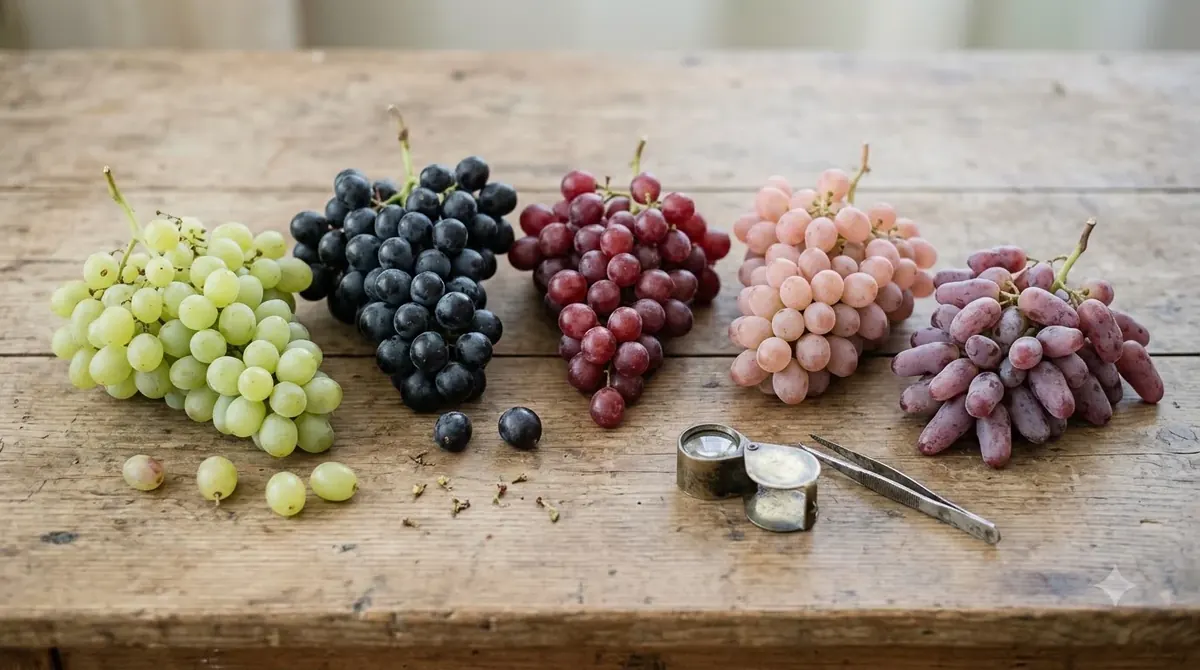
Hybrid grapes have dominated Nova Scotia’s vineyards because they are cold hardy and resist disease better than many traditional European varieties. The best-known hybrids in the region include L’Acadie Blanc, Seyval Blanc, Baco Noir and Maréchal Foch. Each gives a different style, from bright and citrusy whites to fruity, savory reds.
European vinifera grapes are grown too. Chardonnay, Pinot Noir and Riesling have seen moderate success in recent years, and winemakers continue to test which sites suit them best. Many local producers see these grapes as the next stage of the region’s development, while the hybrids remain the foundation of the industry.
| Feature | What to know |
|---|---|
| Main regions | Annapolis Valley, Gaspereau Valley, South Shore, Malagash Peninsula |
| Core grapes | L’Acadie Blanc, Seyval Blanc, Baco Noir, Maréchal Foch |
| Vinifera grapes | Chardonnay, Pinot Noir, Riesling (moderate success) |
| Signature style | Tidal Bay, a crisp white blend |
| First commercial winery | Grand Pré Winery, 1979 |
Tidal Bay and the Appellation
Tidal Bay is the province’s signature wine, and it is protected by its own appellation. The appellation was created in 2011 by the province’s wineries and the Wine Association of Nova Scotia, with the first vintage released in 2012. The style is designed to be fresh and food friendly, and it has become the most recognizable Nova Scotia bottle for many buyers.
The rules are specific. A Tidal Bay wine must contain at least 51 percent of L’Acadie Blanc, Seyval Blanc, Vidal or Geisenheim 318 grapes, and sixteen other varieties are also allowed. Every wine is checked by blind tasting before it can carry the appellation name, which gives buyers a consistent benchmark across producers.
How to Choose a Nova Scotia Wine
Start with the appellation. A bottle labeled Tidal Bay is a reliable place to begin, because the appellation sets the grape mix and the tasting check. For readers who want to explore beyond the signature wine, look at the grape on the label. Hybrid reds such as Baco Noir or Maréchal Foch show a different character from Pinot Noir, and a Chardonnay from a cool site will taste leaner than one from a warm region.
Because the industry is young and spread across several valleys, the producer matters. Compare two or three wineries before deciding on a favorite, and read the winery’s notes on where the grapes were grown. That information tells you more about the wine than the provincial label alone. The wine regions guide on this site explains how cool growing areas differ from warmer ones, which is useful background here.
How to Serve and Pair Nova Scotia Wine
Tidal Bay and other crisp whites are best served chilled. Keep the bottle cool between pours, and avoid letting it warm up on the table, since the bright acidity is what makes the style work. Hybrid reds such as Baco Noir can be served slightly cooler than a heavy red, and a short time in the glass helps the fruit show.
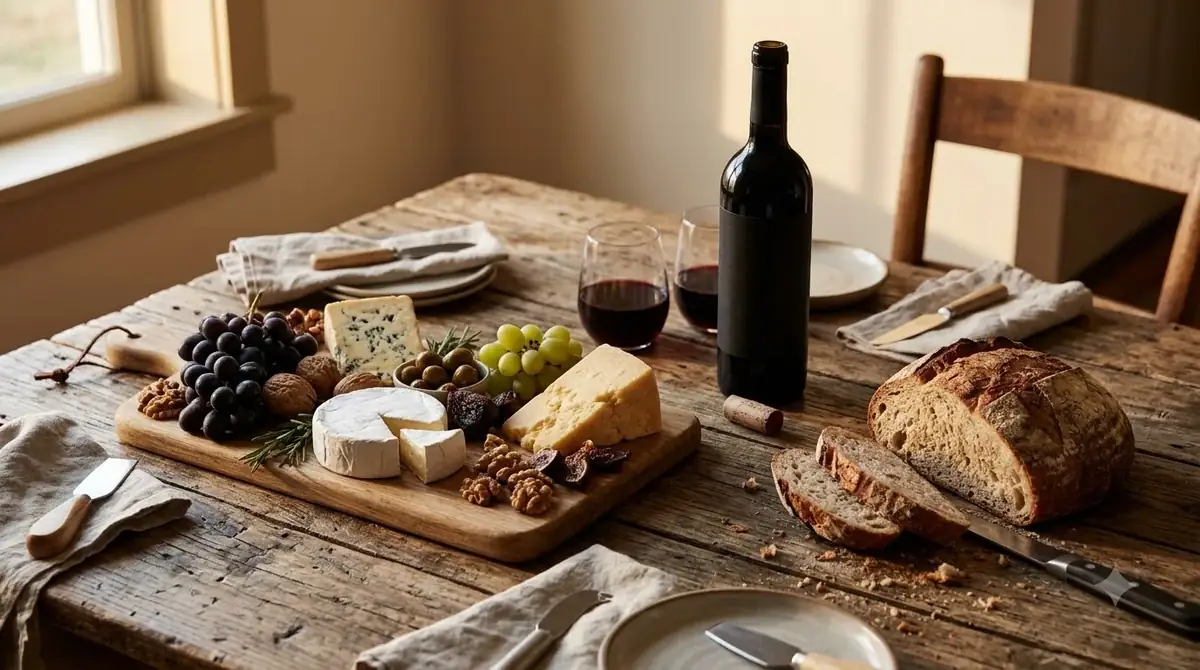
Tidal Bay pairs well with seafood, which fits the province’s coastal location. Oysters, mussels and white fish are natural matches, and a light cheese or a fresh salad also works. The hybrid reds suit roast poultry, mushroom dishes and lighter cuts of pork. Chardonnay and Pinot Noir from the region follow the same logic as their counterparts elsewhere: match the richness of the food to the weight of the wine.
Frequently Asked Questions
What is Tidal Bay?
Tidal Bay is a white wine appellation from Nova Scotia, created in 2011 with its first vintage in 2012. It must contain at least 51 percent of L’Acadie Blanc, Seyval Blanc, Vidal or Geisenheim 318 grapes, and every wine is checked by blind tasting before it carries the name.
Is Nova Scotia wine made from hybrid grapes?
Mostly, yes. Hybrid varieties such as L’Acadie Blanc, Seyval Blanc, Baco Noir and Maréchal Foch have dominated because they handle the cold and resist disease well. Vinifera grapes such as Chardonnay, Pinot Noir and Riesling are grown as well, with moderate success.
Where are the main wine regions in Nova Scotia?
The main regions are the Annapolis Valley, the Gaspereau Valley, the South Shore and the Malagash Peninsula. Some vineyards are also planted on Cape Breton Island.
When did commercial winemaking start in Nova Scotia?
Commercial winemaking began in 1979, when Grand Pré Winery opened in Grand-Pré in the Annapolis Valley. Vines had been grown in the province much earlier, with plantings documented from the 1600s in Annapolis Royal.
Nova Scotia is a good region to explore if you like cool-climate wines with bright acidity. For a comparison with another cold-climate wine area, read about Alaska wine, which also works within a cold climate and a limited set of suitable grapes. Start with a Tidal Bay, then move on to a hybrid red or a Chardonnay to see how the region’s styles fit together.
More in Wine Regions
 Willcox Wine Trail: Discover Arizona’s High-Elevation Wine CountryUpdated Nov 20, 2026
 Yakima Valley Wine Region: Find the Best Styles to TryUpdated Nov 20, 2026
 Vosne Romanee Wine Tasting: Identify Aromas and Choose Better PairingsUpdated Nov 20, 2026
 Yakima Valley Wine Festival: Find the Best Seasonal Wine EventsUpdated Nov 20, 2026
 Wales Vineyards: Discover Cool-Climate Wines and Where to VisitUpdated Nov 20, 2026
 Yountville Wine Festival: Discover Napa Wines and Local FoodUpdated Nov 20, 2026