

We may earn a commission when you buy through links on this page, at no extra cost to you. Learn more.
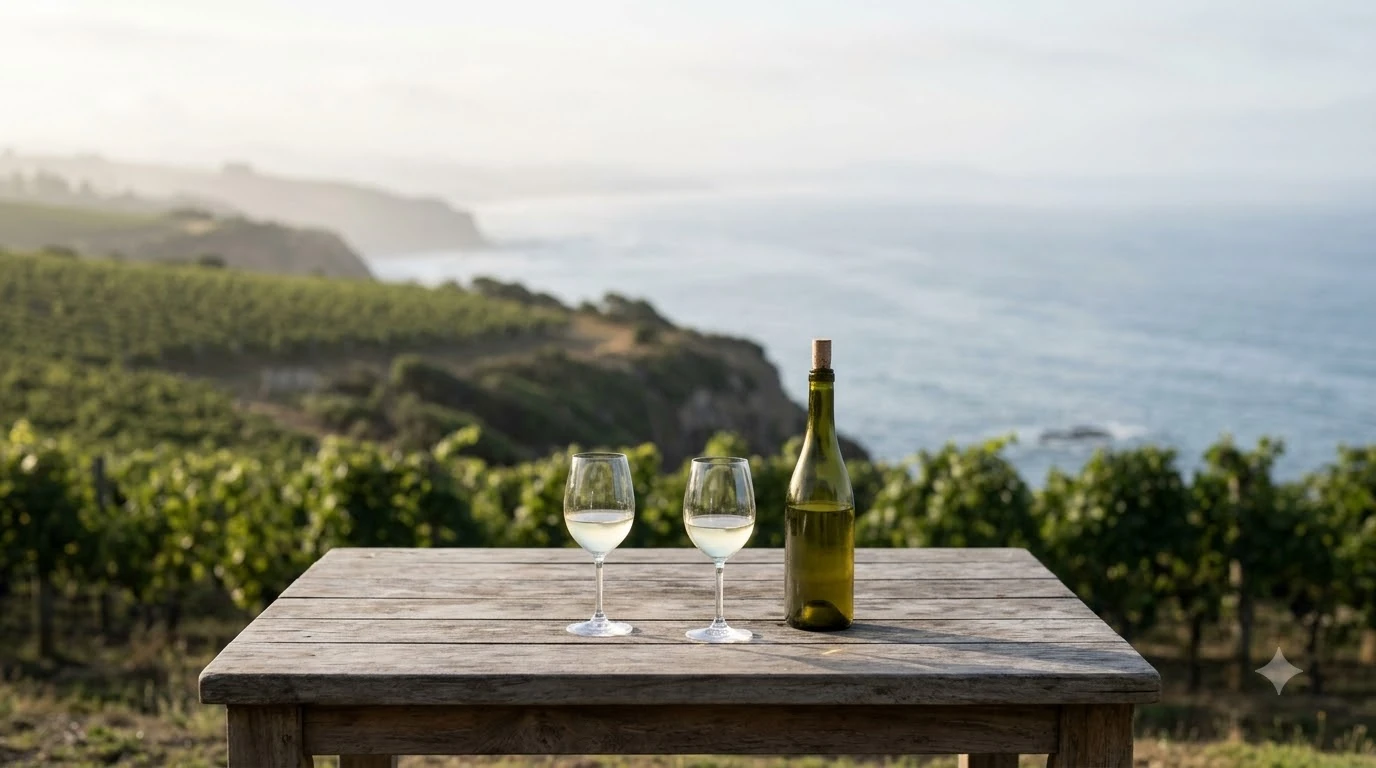
Nova Scotia wine country is a cool-climate wine region in eastern Canada, best known for crisp Tidal Bay whites, traditional-method sparkling wines, and scenic vineyards around the Annapolis and Gaspereau valleys. The Atlantic Ocean and Bay of Fundy moderate the growing environment, helping grapes retain lively acidity. Visitors can build a trip around Wolfville, Grand-Pré, and nearby winery clusters, then explore smaller wine areas farther across the province.
Nova Scotia’s wines have a strong sense of place: fresh fruit, bright acidity, and a maritime edge that suits local seafood. The province is more than a single vineyard corridor, but the Annapolis Valley is the easiest starting point for a first visit. Understanding the region’s landscape, grape varieties, appellation rules, and distances between tasting rooms makes it easier to choose the right bottles and plan a rewarding route.
How the Atlantic Climate Shapes Nova Scotia Wine
Nova Scotia’s wine identity begins with its proximity to the sea. Wine Growers Nova Scotia says vineyards are never more than 20 kilometers from the ocean, while the Bay of Fundy, Northumberland Strait, and Atlantic waters moderate temperatures across the growing areas. The province sits near the cool-climate limit for grape growing, so growers favor varieties that can ripen in a relatively short season while keeping acidity.
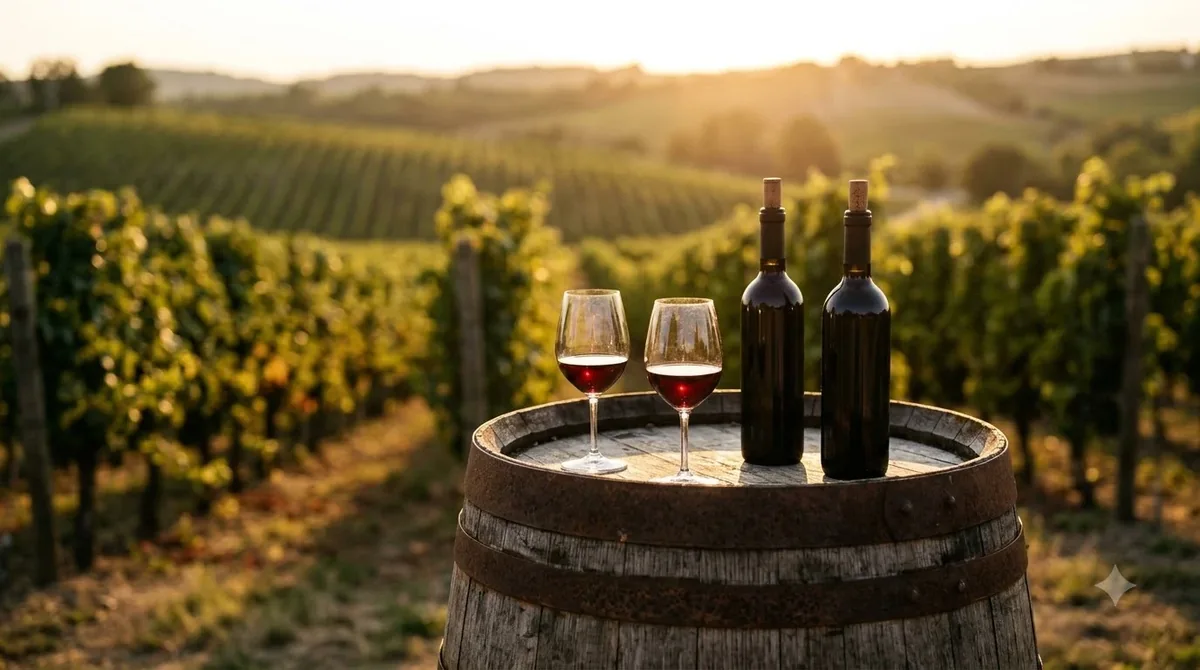
The Annapolis Valley offers a particularly useful example of how local geography affects wine. The valley stretches west of Halifax between the North and South Mountains, and that sheltered corridor protects vineyards from some coastal extremes. Glacial deposits create well-drained soils, while long summer daylight gives vines time to develop flavor. In the nearby Gaspereau Valley, south-facing slopes along the Gaspereau River capture sunlight and warmth; North Mountain provides additional shelter. These differences can show up in ripeness, texture, and the balance between fruit and acidity even when two wines come from neighboring vineyards.
Maritime conditions help explain the region’s freshness. The producer association points to ancient seabed soils, sandstone and slate, ocean influence, and powerful tides. These factors do not make every wine taste salty, but they help explain why bright acidity, aromatic whites, and sparkling wines are regional calling cards. Vineyard exposures and soil profiles still vary from place to place.
Grapes and Wine Styles to Look For
Nova Scotia is best known for aromatic white wines and sparkling wine, although the province also makes rosé and red wines. L’Acadie Blanc is the signature local grape, joined by varieties such as Seyval Blanc, Vidal, and Geisenheim 318 in the region’s white-wine vocabulary. Chardonnay, Riesling, Pinot Noir, Baco Noir, Marquette, and New York Muscat add further styles and blending options.
L’Acadie Blanc is especially important because it is suited to the region’s cool growing conditions and is central to the Tidal Bay identity. In a still wine, expect a brisk, refreshing profile rather than a heavy, oak-led style. Seyval Blanc and Vidal can contribute crispness and fruit, while Riesling brings aromatic lift and naturally high acidity. Chardonnay appears both as a still wine and as a component of sparkling blends, where acidity and structure are valuable.
Sparkling, white, rosé, and red
Sparkling wine is one of the province’s most distinctive strengths. Gaspereau Valley producers work with Chardonnay and Pinot Noir as well as L’Acadie Blanc, and the cool climate helps retain the acidity needed for balanced bubbles. Some wines are made by the traditional method, in which the second fermentation takes place in the bottle; others use different production approaches, so the category is not one single style. Look for both nonvintage and vintage bottlings, and compare the fruit profile, lees character, and dosage rather than assuming all Nova Scotia sparkling wine tastes alike.
Still whites range from bone-dry to off-dry and sweeter examples. Rosé is versatile with shellfish or grilled salmon. Red wines are a smaller but interesting part of the scene: Pinot Noir can show a lighter side, while Baco Noir and Marquette offer different fruit and structure. The producer association describes experiments with an Amarone-inspired technique to give Marquette fuller structure.
What Tidal Bay Means on the Label
Tidal Bay is Nova Scotia’s signature white-wine appellation, created to express the region’s cool climate and maritime character. It is not simply a generic name for any local white wine: producers must use 100% Nova Scotia-grown grapes, follow defined production rules, and submit each vintage for approval by an independent tasting panel.
The style is designed around lively acidity, fresh green-fruit character, and a mineral impression, with relatively low alcohol. The majority of the wine must come from specified signature grapes, including L’Acadie Blanc, Seyval, Vidal, or Geisenheim 318. Other approved varieties may be used as supporting components, but they cannot dominate the finished wine. The rules are intended to create a recognizable regional profile while allowing each winery to express its own blend and vineyard character.
| Rule or feature | Tidal Bay standard | Why it matters |
|---|---|---|
| Grape origin | 100% Nova Scotia-grown | Keeps the appellation tied to local vineyards |
| Alcohol | No more than 11% ABV | Supports a fresh, lighter-bodied style |
| Vineyard yield threshold | 4 tonnes per acre | Sets a yield threshold for the appellation |
| Annual review | 5-person independent panel | Each vintage must pass an assessment |
According to the Tidal Bay appellation standards, wines are generally vinified in inert containers such as stainless steel to protect freshness. The rules allow up to 20% new oak, but an overtly oaky result can be rejected by the tasting panel. Minimum acidity and maximum sugar requirements also help maintain balance. A wine that carries the Tidal Bay name therefore has a more specific promise than a bottle labeled only as Nova Scotia white wine.
Wineries were producing Tidal Bay from 2011, while the producer association records its formal launch in June 2012. Try it alongside local Riesling or sparkling wine to compare styles shaped by the same maritime climate.
Wine-Growing Areas and Producers to Know
The Annapolis Valley is the province’s largest and best-known wine area, and it is where many first-time visitors should concentrate their time. Nearby Gaspereau Valley is a particularly important pocket for sparkling wine, while other vineyards extend to the Avon River Valley, Bear River, Malagash Peninsula, LaHave River Valley, and Marble Mountain in Cape Breton. Wine Growers Nova Scotia counts more than 70 grape growers and over 800 acres under vine across seven areas, each with its own combination of exposure, soil, and maritime influence.
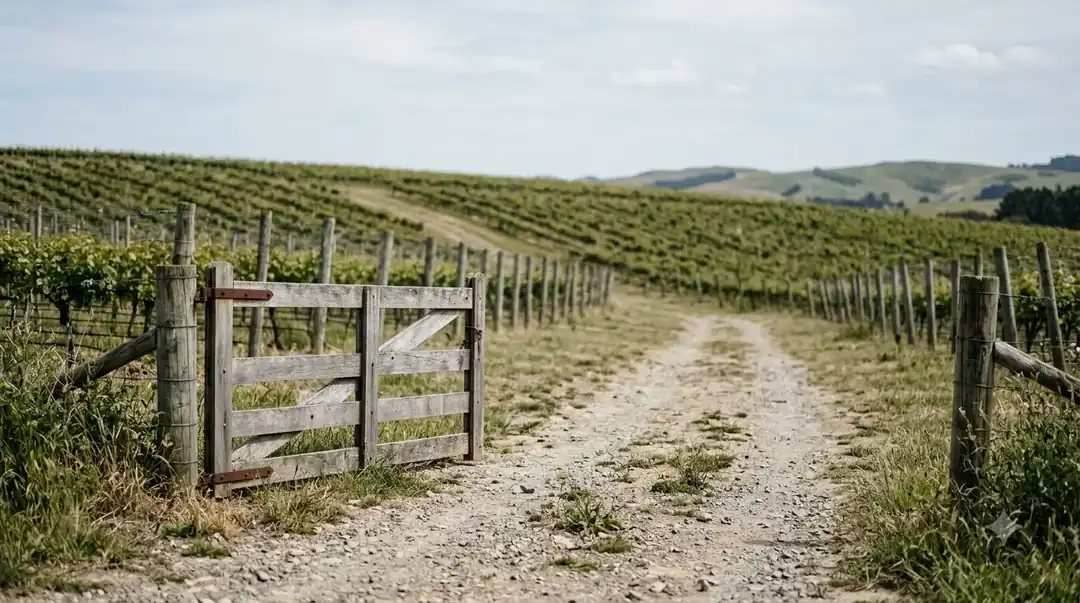
Within the Annapolis Valley, Wolfville makes a convenient base because it sits close to wineries, restaurants, cafés, and farm markets. Domaine de Grand Pré connects wine tourism with the Grand-Pré landscape and Acadian history. Lightfoot & Wolfville is known for organic and biodynamic viticulture, while Blomidon Estate, Mercator Vineyards, and Planters Ridge offer other ways to compare local wine styles and settings. This concentration makes it possible to taste several producers without crossing the whole province in one day.
Gaspereau Valley lies within the broader Annapolis Valley but has a distinct identity of its own. Benjamin Bridge, L’Acadie Vineyards, Gaspereau Vineyards, and Luckett Vineyards are among the names associated with the area. The valley’s south-facing slopes and sheltered position help preserve acidity, a useful foundation for traditional-method sparkling wine. The wider province has more to offer as well: Jost Vineyards is on the Malagash Peninsula, Avondale Sky and Lost Bell Wines are in the Avon River Valley, and Bear River Vineyards represents the Bear River area. Winery locations and visitor facilities change, so use the current winery directory when mapping a route.
For a broader overview of subregions and their distinct growing conditions, explore this guide to the Nova Scotia wine region. A dedicated Nova Scotia vineyards directory can also help narrow the list by location and tasting experience. These resources are useful for distinguishing a close cluster of valley wineries from a longer drive to a coastal producer.
Planning a Nova Scotia Wine Country Visit
A relaxed first trip usually works best with two or three winery visits in a day, rather than trying to cover every producer on a map. Base the itinerary around Wolfville or another Annapolis Valley community, then add Grand-Pré, a farm market, or a meal featuring local seafood. Tourism Nova Scotia outlines a three- to four-day food-and-wine itinerary centered on Wolfville, Grand-Pré, wineries, and local producers; even a shorter visit can borrow that unhurried approach.
Spring brings blossoms, summer suits vineyard patios, and September and October offer harvest atmosphere and fall color. Opening dates, tasting formats, food service, and tours differ by winery. Reserve guided tastings or meals ahead, especially for groups, and confirm visitor hours before setting out; not every tasting room operates year-round.
Build a practical route
For a one-day introduction, choose two wineries around Wolfville and Grand-Pré; for two days, add Gaspereau Valley and its sparkling-wine specialists. A three- or four-day visit can include a farther-flung wine area, a coastal drive, and more time for food and cultural sites. Cape Breton and the South Shore are not quick side trips from Wolfville. Visitors who prefer not to drive can seek guided tours with transportation from Halifax or the Annapolis Valley. Ask whether the booking includes tasting, a production tour, transport, and a meal, as these may be separate. For event-focused travel, review the calendar for the Nova Scotia wine festival and confirm dates and ticket details with its organizer.
Start with the province’s Wine Growers Nova Scotia overview for a regional introduction, then check each winery’s own information for current tasting options. A trip plan should leave room for weather and seasonal adjustments. Coastal conditions can change quickly, and a schedule with three thoughtful stops is usually more enjoyable than a tight itinerary built around too many reservations.
Food Pairings, Serving Temperatures, and Taking Bottles Home
Nova Scotia wine is easy to pair with the region’s seafood, but the same wines can work with vegetables, poultry, and richer dishes when acidity and weight are considered. Tidal Bay’s freshness makes it a natural match for oysters, scallops, lobster, and simply prepared white fish. Sparkling wine is also versatile at the table because bubbles and acidity refresh the palate between bites.
Match the wine’s acidity to the food’s acidity: a dish with lemon, vinegar, or tomato usually needs a wine with equal or higher acidity. Salt and fat soften the impression of tannin, which can help a structured red alongside a fatty roast or aged cheese. Avoid pairing a tannic red with oily fish, where the combination can taste metallic or harsh. Chili heat is amplified by alcohol and tannin, so a lower-alcohol white or gently off-dry wine is usually a safer choice for spicy dishes.
Use these temperature ranges as a starting point: sparkling wine is best served at 40–50°F, light whites and rosé at 45–50°F, and fuller-bodied whites at 50–55°F. Light reds can be served slightly cool at 55–60°F, while full-bodied reds are better around 60–65°F. Chilling a bottle briefly is often more useful than serving every wine at room temperature, especially in a warm dining room.
Tip: Chill a Tidal Bay or sparkling wine before guests arrive, then let it warm slightly in the glass. A small change in temperature can make the aromas easier to notice without losing the wine’s crisp edge.
For a tasting at home, pour about 5 ounces per glass; a standard 750-milliliter bottle provides roughly five pours. Store unopened bottles on their sides in a cool, steady place near 55°F, away from direct light and vibration. Once opened, keep still wines in the refrigerator and aim to finish them within 3–5 days. Sparkling wine generally keeps for 1–3 days with a proper sparkling-wine stopper. These are practical windows rather than guarantees: delicate aromatics fade sooner, while wines with more structure may hold their character longer.
Frequently Asked Questions
These answers cover practical details that can help first-time visitors and wine shoppers get more from the region. They focus on timing, labels, and local specialties that are easy to overlook when planning from a distance.
Is Nova Scotia wine country close to Halifax?
The Annapolis Valley is west of Halifax and is commonly reached as a day trip or overnight stay. The drive to Wolfville is roughly 100 kilometers, depending on the route and starting point. Allow extra time for rural roads and winery stops.
Are Nova Scotia wines served outside winery tasting rooms?
Yes. Tourism Nova Scotia notes that restaurants across the province often feature local wines alongside fresh seafood and regional cuisine. Ask for a Nova Scotia pour by name, particularly Tidal Bay, to sample the region without visiting a vineyard.
Can I visit several wineries without driving between them?
During its operating season, the Magic Winery Bus offers a hop-on, hop-off option in the Wolfville area, with stops at up to four wineries. Tourism Nova Scotia describes both a British double-decker bus and a motorcoach format, so check the current operator schedule before building a day around it.
Why include Grand-Pré on a wine-country itinerary?
Grand-Pré National Historic Site sits within the Landscape of Grand-Pré UNESCO World Heritage Site, which commemorates the history and displacement of the Acadian people. It adds a cultural stop between vineyard visits and gives context to the Annapolis Valley’s long agricultural history.
Are Digby scallops a good match for Nova Scotia wine?
Yes. Digby scallops are a well-known regional specialty, and their delicate sweetness works well with a crisp Tidal Bay or traditional-method sparkling wine. A bright, high-acid white can refresh the palate without overwhelming the scallops’ subtle flavor.
Nova Scotia wine country rewards visitors who take time to taste across styles and places, from Tidal Bay and sparkling wines in the Annapolis Valley to smaller producers along the province’s other coasts. Start with Wolfville and Gaspereau, leave room for local food and history, and bring home a bottle that captures the style you enjoyed most. For more background, browse the broader Wine Regions collection before planning your next wine trip.
More in Wine Regions
 Willcox Wine Trail: Discover Arizona’s High-Elevation Wine CountryUpdated Nov 20, 2026
 Yakima Valley Wine Region: Find the Best Styles to TryUpdated Nov 20, 2026
 Vosne Romanee Wine Tasting: Identify Aromas and Choose Better PairingsUpdated Nov 20, 2026
 Yakima Valley Wine Festival: Find the Best Seasonal Wine EventsUpdated Nov 20, 2026
 Wales Vineyards: Discover Cool-Climate Wines and Where to VisitUpdated Nov 20, 2026
 Yountville Wine Festival: Discover Napa Wines and Local FoodUpdated Nov 20, 2026