

We may earn a commission when you buy through links on this page, at no extra cost to you. Learn more.
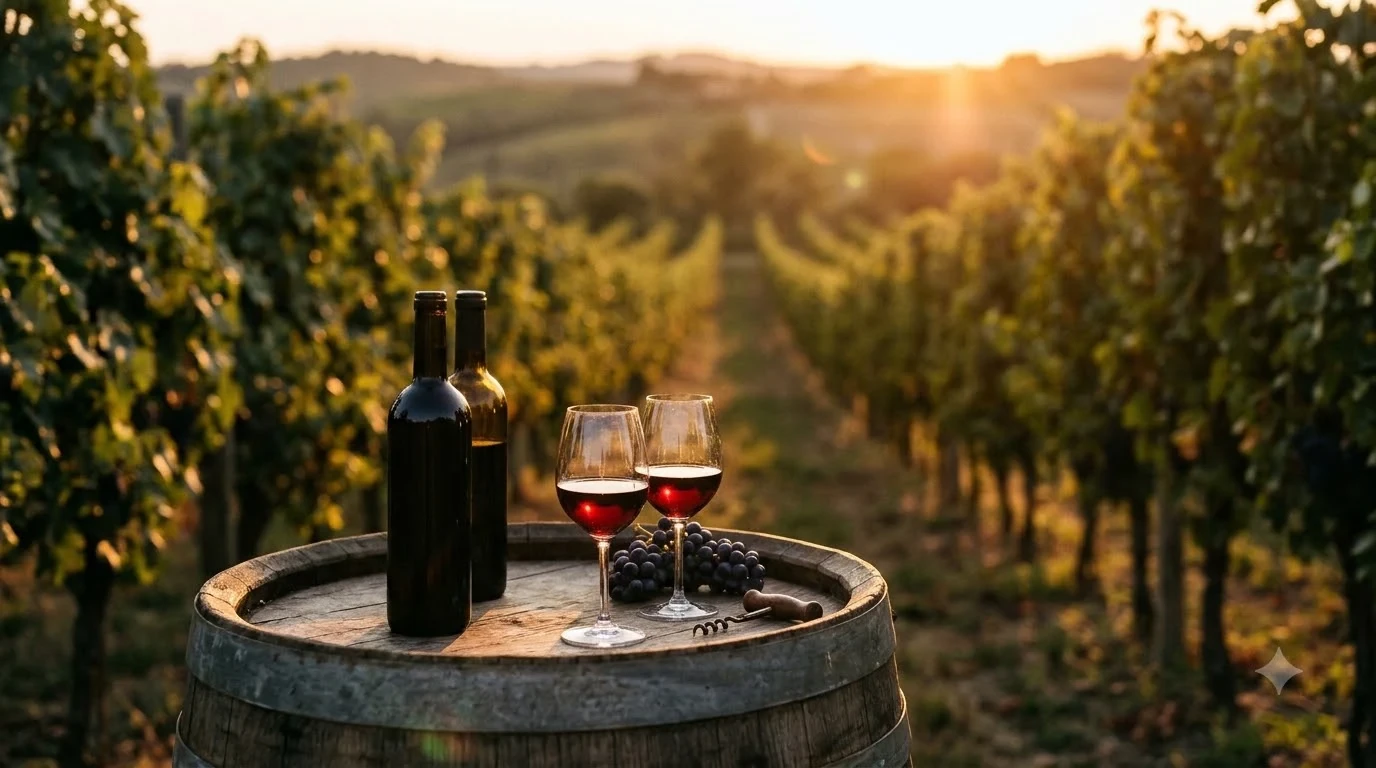
Nova Scotia vineyards are known for producing crisp, aromatic white wines, distinctive Tidal Bay blends, and elegant traditional-method sparkling wines shaped by Canada’s cool Atlantic climate. Located across seven wine-growing regions, these vineyards benefit from maritime influences, a relatively long autumn, and grape varieties selected for cooler conditions. L’Acadie Blanc, Seyval Blanc, Chardonnay, Pinot Noir, and winter-hardy hybrids help define the province’s distinctive wine identity.
Nova Scotia might not be the first place that comes to mind when considering Canadian wine, but its Atlantic coastline has helped create a fascinating wine-growing environment. The province’s vineyards combine cool temperatures, distinctive soils, and a relatively long growing season to produce wines with freshness and pronounced acidity. From the Annapolis Valley to the Malagash Peninsula, visitors can discover small wineries, vineyard tasting rooms, sparkling wine specialists, and bottles that reflect the character of the Maritime provinces.
Where Nova Scotia Vineyards Are Located
Nova Scotia has seven recognized wine-growing regions, each with its own combination of geography, growing conditions, and vineyard character. The Annapolis Valley and Gaspereau Valley are particularly important, while coastal areas such as Malagash and Cape Breton offer different expressions of the province’s maritime environment.
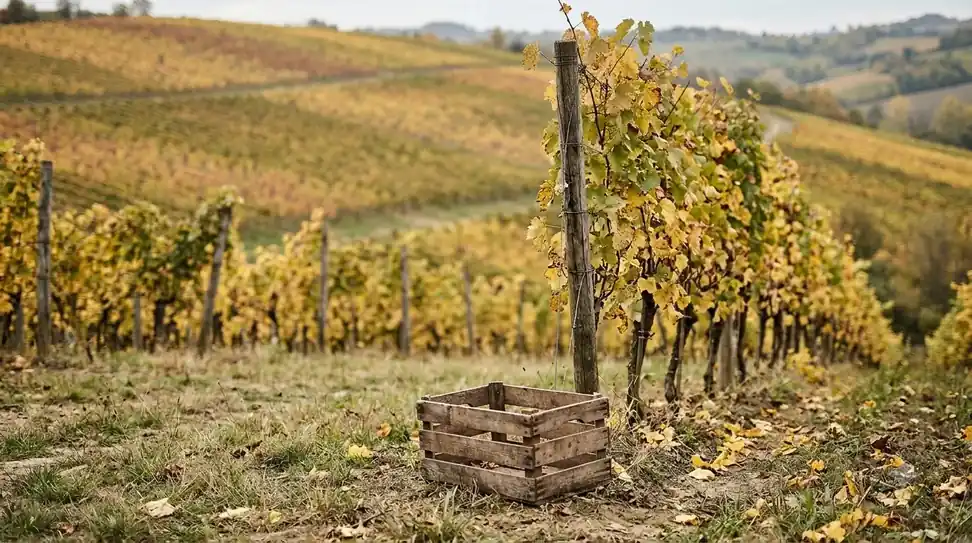
The Annapolis Valley is the best-known starting point for exploring Nova Scotia wine. Located west of Halifax, this broad agricultural valley benefits from the protection of surrounding mountain ranges and the moderating influence of the Bay of Fundy. Its vineyards produce a variety of white, red, rosé, and sparkling wines. The area is also associated with the historic Grand Pré wine industry, which helped establish commercial winemaking in the province.
The Gaspereau Valley is another important destination, particularly for visitors interested in cool-climate wines. Its distinctive landscape and proximity to the Minas Basin create conditions that favor aromatic whites and sparkling wine grapes. The region is closely associated with wineries such as Benjamin Bridge, Gaspereau Vineyards, and other producers working with local grape varieties.
Beyond these two established areas, the province’s other growing regions include the Avon Valley, Malagash Peninsula, LaHave River Valley, Bear River, and Marble Mountain on Cape Breton Island. Malagash is particularly notable because Jost Vineyards established an early commercial presence there. These regions help demonstrate that Nova Scotia wine is not limited to one valley or one vineyard style.
The seven regions offer different experiences for visitors. Some wineries are surrounded by broad agricultural landscapes, while others have views of coastal waters or rolling hills. Exploring more than one area provides a better understanding of the province’s wine-growing diversity.
Tip: Start with the Annapolis Valley if you have only one day for wine tasting. Its concentration of wineries makes it easier to compare Tidal Bay blends, sparkling wines, and local red varieties without spending the entire day driving.
For additional travel planning, the Nova Scotia wine country experience includes more than winery visits. Visitors can combine tastings with local seafood, agricultural attractions, scenic drives, and stops in historic communities.
Climate and Terroir: Why the Atlantic Matters
Nova Scotia’s maritime climate is one of the biggest influences on its wines. Cool temperatures, ocean moderation, and an extended autumn allow grapes to develop flavor while retaining the acidity that gives many regional wines their refreshing character.
One particularly interesting geographical feature is the province’s proximity to the Atlantic Ocean and Bay of Fundy. Wine Growers Nova Scotia notes that no vineyard in the province is more than approximately 20 kilometers from the ocean. These nearby bodies of water help moderate winter conditions and influence temperatures throughout the growing season.
The Bay of Fundy is especially important. Its tidal range can reach approximately 53.5 feet, creating distinctive coastal conditions around the Annapolis and Gaspereau valleys. Summer breezes help cool vineyard sites, while relatively mild maritime influences can extend the autumn growing period. This combination gives grape growers additional time to develop ripeness.
For grape varieties used in sparkling wine, that extended growing season is particularly useful. Grapes can develop additional flavor and aromatic maturity without losing all of their natural acidity. This balance is one reason Nova Scotia has attracted attention from traditional-method sparkling wine producers.
However, the climate also creates significant challenges. Winter temperatures can damage vines, while humidity increases the importance of vineyard disease management. Growers must select suitable vineyard locations, manage canopies carefully, and choose varieties that can ripen reliably before the growing season ends.
Hybrid grapes have consequently played a major role in the province’s development. These varieties combine characteristics from European wine grapes and hardier North American species. They can offer better cold tolerance and disease resistance than many traditional European varieties, making them useful in Nova Scotia’s conditions.
According to the discussion of Nova Scotia’s wine industry in Wine Enthusiast’s overview of the province’s sparkling wines, the region’s maritime environment helps preserve the acidity that is central to its wine identity.
The result is a regional style that often favors freshness over heavy extraction or high alcohol. White wines tend to emphasize citrus, green apple, pear, and mineral notes. Sparkling wines offer lively acidity, while red wines frequently display bright fruit and moderate tannin rather than the powerful structure associated with warmer wine regions.
Signature Grapes and Wines to Look For
Nova Scotia grows both hybrid and European grape varieties, but its strongest identity comes from grapes that perform well in cool conditions. L’Acadie Blanc, Seyval Blanc, Vidal, Marechal Foch, and Baco Noir are useful starting points for understanding local wine styles.
L’Acadie Blanc is often regarded as Nova Scotia’s signature white grape. It produces crisp, aromatic wines with apple, citrus, and mineral characteristics. Depending on the producer, it can appear as a fresh still white, a fuller wine with lees aging, or part of a sparkling blend. Its versatility makes it particularly important to the local industry.
Seyval Blanc is another widely used cool-climate hybrid. It generally produces fresh, light- to medium-bodied wines with citrus and pear notes. Its lively acidity makes it a natural match for seafood, salads, and lighter poultry dishes. Some producers use it in blends, while others highlight the grape on its own.
Vidal is associated with aromatic white wines and dessert wine production. Its ability to withstand cold conditions makes it useful in a region where winter temperatures can be demanding. Vidal is also an important grape for Canadian icewine, where frozen grapes produce concentrated sweetness and acidity.
Chardonnay has an important role in Nova Scotia’s sparkling wine development. It can contribute citrus, green apple, and a firm acidic structure. Some producers also make still Chardonnay, including wines with oak influence or lees aging. Its performance depends on suitable vineyard sites and careful attention to the growing season.
Pinot Noir is another European variety with particular relevance to sparkling wine. It is more challenging to grow than many hybrids because of its susceptibility to disease and winter injury, but successful examples can provide attractive red fruit, earthy notes, and freshness. Pinot Noir also appears in traditional-method sparkling blends.
For red wine drinkers, several hybrids deserve attention:
- Marechal Foch: A winter-hardy red grape producing deeply colored wines with berry fruit, pepper, and sometimes bell pepper characteristics.
- Baco Noir: Known for dark color, pronounced acidity, mixed berry and plum flavors, and distinctive smoky notes.
- Lucie Kuhlmann: An early-ripening variety that can produce full-flavored reds with berry fruit and smoky or slightly spicy characteristics.
- Leon Millot: A hybrid that can produce medium-bodied wines with black cherry, berry, and pepper characteristics.
These wines can be quite different from familiar Cabernet Sauvignon or Merlot. Their emphasis is often on fresh fruit, acidity, and moderate tannin. They are particularly interesting alongside local dishes such as roast pork, lamb, beef stew, and tomato-based meals.
The province also grows aromatic varieties such as New York Muscat, Ortega, Riesling, and Geisenheim 318. These grapes contribute floral aromas, citrus character, and additional blending possibilities.
Tidal Bay: Nova Scotia’s Signature Appellation
Tidal Bay is the most recognizable wine designation associated with Nova Scotia. Introduced in 2011, it identifies a distinctive regional white wine style rather than a single grape variety. Every approved wine must meet specific production requirements and demonstrate the fresh, aromatic character associated with the province.
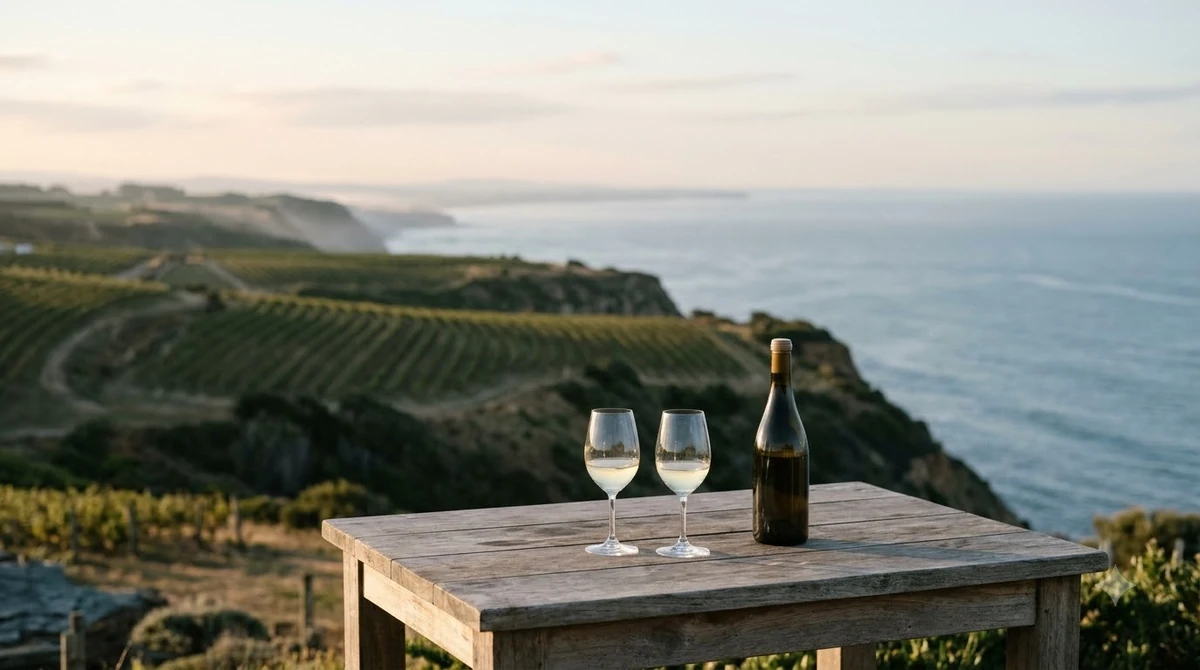
Unlike a varietal wine made primarily from one grape, Tidal Bay can be a blend of approved varieties. L’Acadie Blanc, Seyval, Vidal, and Geisenheim 318 are among the principal grapes used in its production. Other approved grapes can contribute additional aromatic complexity, but the finished wine must retain the intended regional character.
There are several important requirements for the designation:
- Origin: All grapes must be grown in Nova Scotia.
- Grape selection: The wine must use approved varieties, with the principal signature grapes forming the majority of the blend.
- Alcohol: The finished wine cannot exceed 11% alcohol by volume.
- Yield: The permitted vineyard yield threshold is four tonnes per acre.
- Production: Freshness is prioritized through the use of inert vessels such as stainless steel.
- Approval: Each vintage must pass an independent blind tasting assessment.
The tasting panel consists of five independent wine professionals, including writers, educators, and sommeliers. Its role is to assess whether each submitted wine meets the expected Tidal Bay profile. Approval is not automatic simply because a producer follows the permitted grape and production requirements.
In the glass, Tidal Bay generally offers fresh green apple, citrus, floral aromas, and a noticeable mineral character. Acidity is an important part of the style, giving the wines a refreshing finish and making them especially suitable for food.
One of the most useful ways to understand Tidal Bay is to compare bottles from different producers. Since blending decisions vary, one wine might emphasize citrus and crisp apple, while another shows more floral aromas or a softer texture. The common thread is freshness and a recognizable regional character.
The official Tidal Bay appellation requirements provide further information about permitted grapes, alcohol limits, vineyard yields, and the annual approval process.
For visitors, Tidal Bay is an excellent first bottle to order at a Nova Scotia winery. It offers a direct introduction to the province’s maritime conditions and provides a useful reference point when comparing other regional whites.
Nova Scotia Sparkling Wine and Traditional Winemaking
Nova Scotia has developed a particularly interesting reputation for sparkling wine. Its cool climate, extended autumn, and naturally high grape acidity provide useful conditions for producing traditional-method sparkling wines with freshness and structure.
The traditional method involves a second fermentation inside the bottle. This process creates the carbon dioxide responsible for the bubbles and allows the wine to develop additional complexity through contact with yeast sediment. It is the same fundamental production method used for Champagne and many other premium sparkling wines.
Chardonnay, Pinot Noir, and Pinot Meunier are important traditional sparkling wine grapes. Nova Scotia producers also work with L’Acadie Blanc and other hybrids, demonstrating that sparkling wine does not have to rely exclusively on classic European varieties.
One producer that has attracted considerable attention is Benjamin Bridge, located in the Gaspereau Valley. Its work with traditional-method sparkling wine has helped bring attention to the region’s ability to produce bottles with fine bubbles, bright acidity, and layered aromas.
Lightfoot & Wolfville is another producer worth exploring for visitors interested in the Annapolis Valley’s cool-climate wines. The region’s combination of coastal influence and agricultural landscapes provides an interesting setting for understanding the relationship between vineyard location and finished wine character.
Nova Scotia sparkling wines can offer citrus, green apple, pear, and sometimes toasted or brioche-like notes, depending on grape selection and aging. Bottles made with extended yeast contact can develop greater texture and more complex aromas.
They are versatile at the table. Their acidity and bubbles work well with oysters, scallops, fried seafood, smoked salmon, and soft cheeses. They can also be served as an aperitif before a seafood-focused meal.
Serving temperature makes a difference. Keep sparkling wines around 40–50°F to preserve their freshness and prevent the aromas from becoming overwhelmed by warmth. A standard 5-ounce pour also leaves enough room in the glass to appreciate the bubbles and aromas.
Although the province is especially recognized for sparkling wine, visitors should not overlook its still whites and rosés. These wines can provide a more straightforward expression of individual grape varieties and are often excellent choices for casual meals.
Best Wineries and Experiences for Visitors
Nova Scotia’s wineries offer more than bottles to purchase. Many combine vineyard views, guided tastings, local food, and opportunities to learn about the region’s cool-climate growing conditions. The Annapolis Valley and Gaspereau Valley are particularly convenient starting points for visitors planning a wine-focused trip.
Domaine de Grand Pré is an important name in the history of Nova Scotia wine. Roger Dial established the province’s first commercial winery there in 1980. Its place in the development of the modern wine industry makes it an interesting stop for visitors who want to understand how the region became an established wine destination.
Jost Vineyards, on the Malagash Peninsula, is another historically significant producer. The winery opened in 1985 and helped establish commercial wine production beyond the Annapolis Valley. Its location also offers a different perspective on the province’s coastal wine-growing areas.
Benjamin Bridge deserves attention from sparkling wine enthusiasts. Its traditional-method wines provide an opportunity to explore how Nova Scotia’s natural acidity can contribute to complex sparkling wine styles.
Lightfoot & Wolfville is a useful destination for visitors exploring the Gaspereau and Annapolis Valley wine landscape. Its vineyard setting provides a chance to appreciate the influence of local geography and the surrounding agricultural environment.
Other producers worth including in a regional tasting itinerary include Blomidon Estate Winery, Gaspereau Vineyards, Avondale Sky Winery, and Planters Ridge. Their wines can help illustrate the variety of grape selections and winemaking approaches found across the province.
When visiting multiple wineries, it helps to have a tasting plan rather than trying every available wine at every stop. Start with a regional white such as Tidal Bay, move to a still varietal wine, and finish with a sparkling or red wine. This order makes it easier to compare acidity, texture, and aromatic differences.
It is also useful to ask tasting-room staff about the grapes used in each wine. A producer may use the same variety in two different styles, such as a fresh stainless-steel white and a more textured lees-aged version. Comparing these bottles can reveal how winemaking decisions influence the final result.
Visitors should confirm tasting-room hours, tour availability, and seasonal services before traveling. Some winery experiences operate on limited schedules, and advance reservations may be necessary for guided tastings or group visits.
For a wider overview of regional experiences, the Nova Scotia wine region offers additional context about the province’s geography, vineyards, and distinctive wine styles. Visitors planning around local celebrations can also explore the Nova Scotia wine festival as part of a broader wine-focused itinerary.
Food Pairings, Serving Temperatures, and Buying Tips
Nova Scotia wines are particularly rewarding with seafood because their natural acidity can balance delicate flavors, salt, and rich textures. However, the province’s reds, rosés, and sparkling wines also work well with poultry, pork, cheeses, and hearty regional dishes.
Tidal Bay is a natural match for lobster, scallops, shrimp, and fried haddock. Its crisp acidity refreshes the palate between bites, while its citrus and green fruit characteristics complement the sweetness of shellfish. It is also a good choice with fresh goat cheese and lightly dressed salads.
L’Acadie Blanc and Seyval Blanc can accompany grilled fish, oysters, white fish tacos, and cream-based seafood dishes. For preparations with lemon or vinegar, wines with equally lively or higher acidity are generally better choices. Otherwise, the food can make the wine taste flat.
Nova Scotia sparkling wines are especially flexible. Serve them with oysters, sushi, fried seafood, and salty appetizers. The bubbles and acidity help balance fried textures, while the wine’s freshness prevents richer dishes from overwhelming the palate.
For red wine, consider Baco Noir or Marechal Foch with roast pork, grilled lamb, beef stew, and mushroom dishes. These varieties generally offer more moderate tannin than Cabernet Sauvignon, making them approachable with a wide range of meals.
Serving temperature should match the wine style:
| Wine Style | Suggested Temperature | Food Pairing |
|---|---|---|
| Tidal Bay and light whites | 45–50°F | Oysters, scallops, haddock |
| Fuller-bodied whites | 50–55°F | Roast chicken, creamy seafood pasta |
| Rosé | 45–50°F | Grilled shrimp, salads |
| Sparkling wine | 40–50°F | Oysters, fried seafood, appetizers |
| Light-bodied reds | 55–60°F | Salmon, mushrooms, roast pork |
| Fuller-bodied reds | 60–65°F | Lamb, beef stew, grilled meats |
| Icewine and sweet whites | 43–50°F | Fruit desserts, blue cheese |
When buying Nova Scotia wine, consider the grape variety, producer, and style rather than relying only on the regional name. A Tidal Bay bottle is a useful introduction to the appellation, while a L’Acadie Blanc varietal wine can provide a more focused look at the province’s signature white grape.
For sparkling wine, look for the traditional method if you want a bottle made with secondary fermentation in the bottle. This method can produce greater complexity and a finer texture than sparkling wines made through tank fermentation.
Sweet wine drinkers should also explore Nova Scotia icewine. Vidal, Ortega, and New York Muscat are among the varieties used in local production. Icewine grapes are harvested while frozen, often during nighttime conditions when temperatures reach approximately -8°C to -10°C. The resulting wine is concentrated, sweet, and balanced by acidity.
Storage matters after bringing a bottle home. Keep unopened wines in a cool, dark place near 55°F, ideally with cork-finished bottles stored on their sides. Once opened, refrigerate still wines and aim to finish them within approximately three to five days. Sparkling wine generally retains its best character for one to three days after opening when properly sealed.
Exploring Nova Scotia wine is also a useful way to understand how grape growing adapts to challenging environments. Rather than reproducing the styles of warmer regions, its producers have developed an identity based on freshness, aromatic detail, and the distinctive character of Atlantic Canada.
Frequently Asked Questions
How many vineyards are there in Nova Scotia?
The number of operating vineyards and wineries changes as producers establish, expand, or discontinue operations. The province’s industry includes independent grape growers who supply wineries as well as producers who grow and process their own fruit. For visitors, the provincial winery directories are the most useful way to identify currently operating tasting destinations.
Can Nova Scotia wine be found outside Canada?
Some Nova Scotia producers have received international attention, particularly for traditional-method sparkling wines. However, distribution outside Canada can be limited because the regional industry is relatively small. Availability depends on the producer, importer, and local wine market, so specialist wine retailers and Canadian wine importers are useful places to investigate.
Is Nova Scotia wine made entirely from hybrid grapes?
No. Although hybrids are important, the province also grows European vinifera varieties such as Chardonnay, Pinot Noir, Riesling, and Sauvignon Blanc. These grapes are generally more demanding to cultivate in the region’s climate, but they contribute to both still and sparkling wine production.
Does Nova Scotia produce organic wine?
Organic production depends on individual vineyard and winery practices rather than being a requirement of the regional appellation. Buyers interested in certified organic wine should look for the relevant certification on the bottle or producer information. Certification and vineyard practices are separate considerations from Tidal Bay approval.
What makes Nova Scotia icewine different from regular dessert wine?
Icewine is made from naturally frozen grapes harvested while still frozen on the vine. This concentrates the sugars and flavors because much of the water remains frozen during pressing. The result is a sweet wine with concentrated fruit character and acidity, rather than a dessert wine made by simply adding sweetness after fermentation.
Nova Scotia vineyards offer a distinctive alternative to better-known wine regions, with maritime conditions shaping fresh whites, characterful hybrid reds, icewine, and increasingly recognized sparkling wines. Start with a Tidal Bay, explore the Annapolis and Gaspereau valleys, and compare bottles from different producers to discover the province’s regional character. A focused tasting itinerary is an excellent way to appreciate what makes Atlantic Canadian wine different.
More in Wine Regions
 Willcox Wine Trail: Discover Arizona’s High-Elevation Wine CountryUpdated Nov 20, 2026
 Yakima Valley Wine Region: Find the Best Styles to TryUpdated Nov 20, 2026
 Vosne Romanee Wine Tasting: Identify Aromas and Choose Better PairingsUpdated Nov 20, 2026
 Yakima Valley Wine Festival: Find the Best Seasonal Wine EventsUpdated Nov 20, 2026
 Wales Vineyards: Discover Cool-Climate Wines and Where to VisitUpdated Nov 20, 2026
 Yountville Wine Festival: Discover Napa Wines and Local FoodUpdated Nov 20, 2026