

We may earn a commission when you buy through links on this page, at no extra cost to you. Learn more.
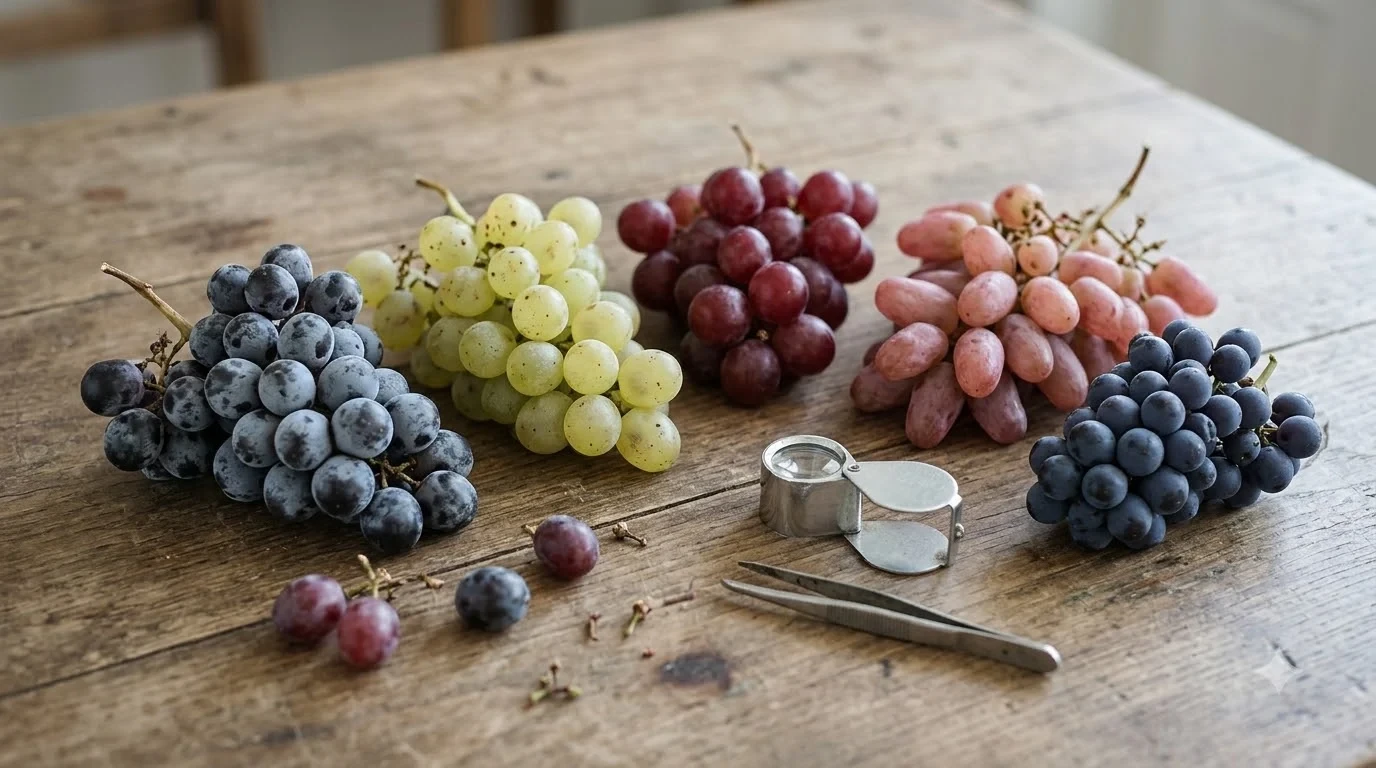
If you are wondering what is bonarda, it is Argentina’s second most widely planted red wine grape, known for producing smooth, fruit-forward red wines with soft tannins and moderate alcohol. Genetically identical to the French variety Douce Noir and California’s Charbono, Argentine Bonarda is completely unrelated to the Italian red grapes sold under the same name. It offers bright flavors of plum, cherry, and fig alongside subtle baking spices, making it an approachable alternative to heavier reds.
While Malbec commands the spotlight on most South American wine lists, Bonarda quietly occupies vast stretches of Argentine vineyard land. Historically used as a blending workhorse to add deep purple color and plush fruit to everyday table wines, this late-ripening variety has earned renewed respect from winemakers crafting expressive single-varietal bottles. Understanding how Argentine Bonarda differs from its Italian namesakes—and how to serve and pair it—opens up a whole category of versatile, easy-drinking red wine.
What Is Bonarda?
Bonarda is a dark-skinned red wine grape that thrives in Argentina’s sunny, arid wine regions, where it accounts for roughly 88 percent of global plantings. Despite carrying an Italian-sounding name brought over by European immigrants in the nineteenth century, DNA profiling confirmed that Argentine Bonarda is actually Douce Noir, an heirloom grape native to France’s Savoie region.
The confusion around the name stems from the fact that at least three distinct red grapes in northern Italy also go by Bonarda, including Bonarda Piemontese, Croatina (often bottled as Bonarda in Oltrepò Pavese), and Uva Rara. None of these Italian varieties share a genetic link with the Argentine vine. According to Wine Folly’s grape guide to Bonarda, if you purchase a bottle labeled Bonarda from outside Argentina, you are almost certainly drinking an unrelated Italian variety that tends to be lighter, sharper, or even slightly fizzy.
In the United States, particularly in California’s Napa Valley and Sierra Foothills, this exact same Douce Noir vine is cultivated under the name Charbono. California accounts for the remaining 12 percent of the world’s plantings outside South America. Across all three names—Bonarda, Douce Noir, and Charbono—the grape shares a signature trait: deep, inky pigmentation paired with naturally gentle tannins that make young wines remarkably smooth on the palate. If you are exploring Wine by Type, Bonarda sits comfortably in the medium-bodied red category alongside Merlot and Grenache.
Flavor Profile and Winemaking Styles
On the palate, Argentine Bonarda delivers an immediate burst of ripe dark and red fruit framed by juicy acidity, a medium body, and a low-tannin finish. Most bottles sit at a moderate alcohol level, rarely exceeding 13.5 percent ABV, which keeps the wine feeling lively rather than heavy.
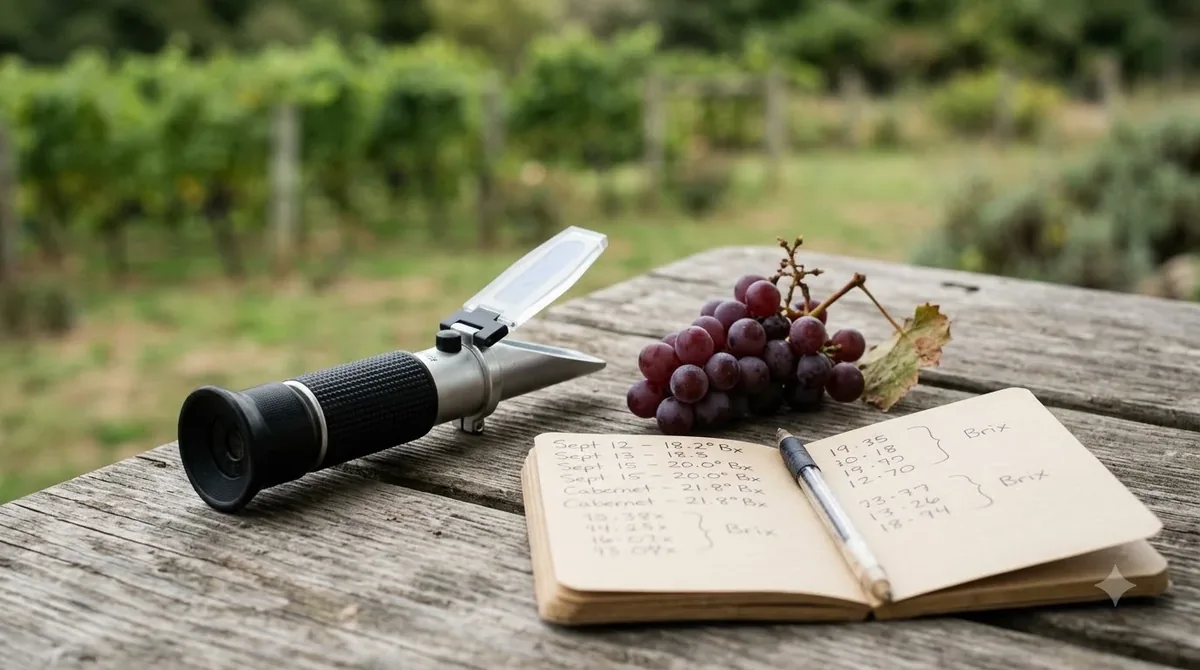
Primary fruit aromas center around cherry, plum sauce, blackberry, and dried fig, often accented by subtle notes of cardamom, clove, violet, and graphite. Reviewers at Wine Folly’s feature on Argentine Bonarda compare the drinking experience to an exotic Merlot, noting that its supple texture makes it an appealing choice for wine drinkers who dislike aggressive oak or mouth-drying astringency.
Today, Argentine producers vinify Bonarda in several distinct styles depending on vineyard elevation and cellar philosophy:
- Fresh, Unoaked Styles: Fermented in stainless steel or concrete tanks—sometimes using carbonic maceration—these bottles emphasize bright cranberry, cherry, and floral notes with crisp, refreshing acidity.
- Traditional Lightly Oaked Styles: Aged for six to twelve months in neutral or used oak barrels, these wines develop rounder edges along with hints of cocoa, vanilla, and sweet baking spice.
- High-Altitude Single-Vineyard Styles: Grown in cooler, elevated sites and often aged in concrete eggs without oak, these serious expressions show linear structure, herbal complexity, and dark forest fruit.
- Sparkling and Rosé Expressions: A growing number of winemakers craft pale pink sparkling wines, traditional-method Blanc de Noirs, and fizzy red styles that highlight the grape’s natural fruitiness.
| Feature | Argentine Bonarda | Argentine Malbec | Italian Bonarda (Croatina) |
|---|---|---|---|
| Genetic Identity | Douce Noir (Charbono) | Côt (Malbec) | Croatina or Bonarda Piemontese |
| Body | Medium | Full | Light to Medium |
| Tannins | Low and soft | Medium-high and firm | Medium with rustic grip |
| Primary Flavors | Plum sauce, cherry, fig, cardamom | Blackberry, black plum, violet, cocoa | Sour cherry, almond, dried herbs |
| Typical Oak Use | Little to none | Moderate to heavy | Minimal, often tank-fermented |
Where Bonarda Grows
Bonarda is a late-ripening grape that requires a long, warm growing season to reach full phenolic maturity, which makes Argentina’s sun-drenched desert vineyards an ideal habitat. Over 85 percent of the world’s Bonarda vines grow in Argentina, concentrated primarily in the Mendoza and San Juan provinces.
Within Mendoza, warm lower-elevation districts such as San Martín, Rivadavia, and Lavalle have long served as the heartland for Bonarda cultivation. Plenty of sunshine and fertile alluvial soils allow the vines to ripen reliably, yielding plush, fruit-driven wines. Further north, the arid valleys of San Juan and La Rioja also produce generous, sun-kissed expressions from old bush vines.
Over the past two decades, quality-focused producers have pushed Bonarda into cooler, higher-altitude sub-regions such as Luján de Cuyo—particularly Vistalba and Ugarteche—and the Uco Valley, including Tupungato and Altamira. At higher elevations, wider day-to-night temperature swings slow down sugar accumulation and preserve natural acidity, yielding Bonarda wines with lifted floral aromas, peppery spice, and finer tension. Outside Argentina, small pockets of old-vine Charbono survive in Napa Valley and Mendocino, while niche growers in France’s Savoie region are slowly reviving Douce Noir.
How to Serve Bonarda
Serving Bonarda slightly cooler than full-bodied reds preserves its vibrant fruit character and refreshing acidity. Aim for a serving temperature between 60 and 68 degrees Fahrenheit (15 to 20 degrees Celsius), leaning toward the cooler end of that range for unoaked or carbonic-macerated bottles.
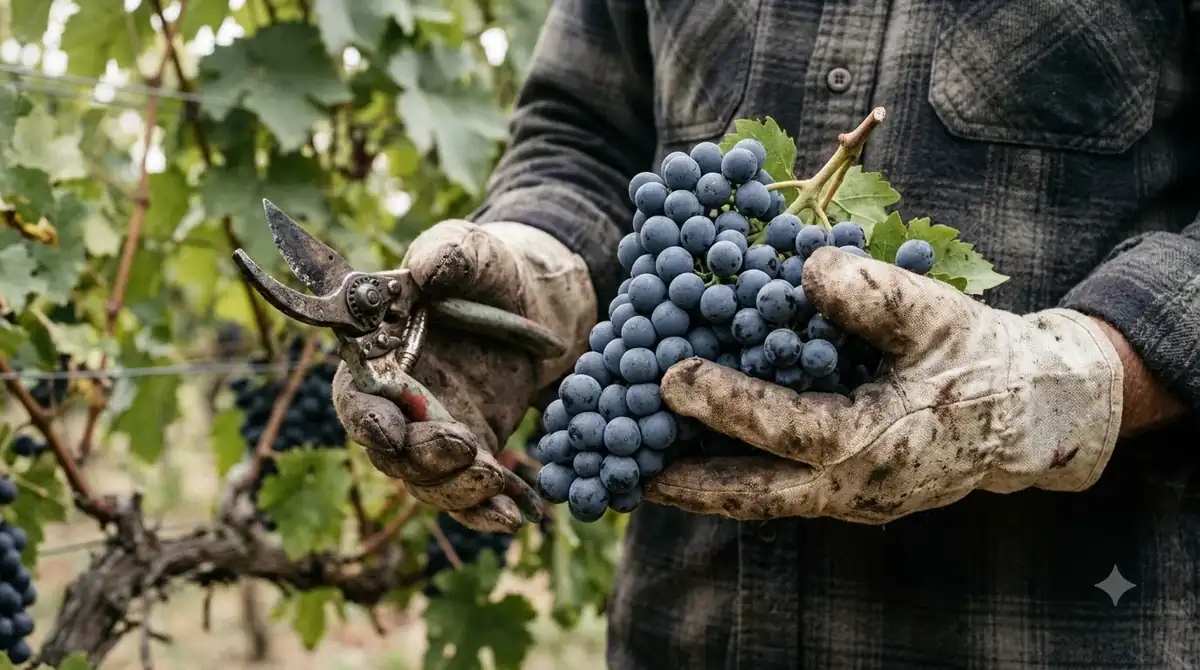
Putting a young, unoaked Bonarda in the refrigerator for about 20 to 30 minutes before opening brings out its juicy cherry and plum notes, especially during warmer months. If you are pouring an older, single-vineyard, or oak-aged bottle, serving it closer to 65 degrees Fahrenheit allows its darker fig, graphite, and spice layers to open up fully.
A standard universal red wine glass with a medium-sized bowl works well to concentrate Bonarda’s aromatic fruit and brown spice notes without overheating the wine in your hand. Most everyday Bonarda wines are ready to pour straight from the bottle, though giving more concentrated, old-vine bottlings about 30 minutes in a decanter softens any youthful edges. While fresh styles are best enjoyed within one to three years of vintage, top single-vineyard releases can age gracefully for five to ten years.
Tip: If you are serving an unoaked Bonarda on a warm afternoon, give the bottle 25 minutes in the fridge before pouring to highlight its crisp, Beaujolais-like juiciness.
Food Pairing with Bonarda
Because Bonarda combines bright acidity, lush dark fruit, and low tannins, it ranks among the most food-friendly red wines on the table. Without heavy oak or grippy astringency to clash with spices, it pairs effortlessly with savory, sweet-and-sour, and lightly spiced dishes.
In its homeland, Bonarda is a classic match for traditional Argentine fare such as beef empanadas, grilled chorizo, and wood-fired meats, where the wine’s juicy acidity cuts through rich fats while its soft texture complements smoky char. Beyond South American cuisine, its subtle cardamom and clove undertones shine alongside Mexican mole sauces, tacos al pastor, and curried potatoes.
The wine’s gentle structure also works well with tomato-based Italian classics like wood-fired pizza, spaghetti Bolognese, and roasted vegetable pasta. If you enjoy sweet-and-savory flavor profiles, try Bonarda with teriyaki-glazed pork, roasted duck, or dishes incorporating grilled pineapple and red bell peppers. For cheese boards, stick to mild and semi-soft cheeses like young Gouda, Havarti, or fresh mozzarella rather than pungent blue cheeses, which can overwhelm the wine’s delicate finish. You can explore more specific dish ideas in our bonarda food pairing guide.
How to Choose a Bottle of Bonarda
Shopping for Bonarda starts with checking the country of origin on the front label so you know which grape variety is inside the bottle. Bottles from Argentina—and California bottles labeled Charbono—contain the plush, dark-fruited Douce Noir grape, whereas bottles from Italy’s Piedmont or Lombardy regions contain unrelated Italian varieties.
Once you have confirmed an Argentine origin, look closely at the sub-region and winemaking cues on the back label to match the style to your palate. Wines labeled simply as Mendoza or San Juan typically deliver soft, ripe, fruit-forward profiles meant for casual weeknight drinking. If you prefer greater structure, herbal lift, and brighter acidity, seek out bottles from higher-altitude areas like the Uco Valley, Tupungato, or Luján de Cuyo.
Checking the alcohol percentage and oak aging notes also provides helpful clues before you buy. Bottles hovering around 12.5 to 13.5 percent ABV that mention concrete or stainless steel fermentation will taste fresher and lighter on their feet, while bottles noting French oak aging will offer deeper cocoa and vanilla notes. If you enjoy discovering lesser-known heritage grapes beyond mainstream varieties, you might also appreciate exploring white alternatives like the airen grape or crisp, mineral-driven arinto wine.
Frequently Asked Questions
Is Bonarda sweeter than Malbec?
No, Bonarda is fermented dry just like Malbec, meaning it contains virtually no residual sugar. However, because Bonarda has very soft tannins and abundant ripe cherry and plum flavors, it often creates a rounder, juicier impression on the palate than firmer, more tannic Malbec wines.
Are Argentine Bonarda and Italian Bonarda the same grape?
No, they are completely different grape varieties that share a name due to historical naming confusion. Argentine Bonarda is genetically identical to the French grape Douce Noir (and California’s Charbono), while Italian Bonarda refers to unrelated native grapes such as Croatina, Bonarda Piemontese, or Uva Rara.
Does Bonarda need to be decanted before drinking?
Most everyday, unoaked Bonarda wines do not require decanting and are ready to drink immediately upon opening. If you open a concentrated, old-vine, or oak-aged single-vineyard Bonarda, decanting it for about 30 minutes helps release its darker fig, graphite, and spice aromas.
How long can you age a bottle of Bonarda?
Fresh, fruit-forward Bonarda wines are crafted for early enjoyment and taste best within one to three years of their vintage date. Higher-altitude, old-vine, or lightly oaked examples possess enough natural acidity and concentration to develop nicely in the cellar for five to ten years.
Argentine Bonarda proves that a red wine does not need heavy oak or high alcohol to deliver generous flavor and serious versatility at the dinner table. Whether you pour a slightly chilled, unoaked bottle alongside midweek tacos or uncork a high-altitude single-vineyard expression with grilled meats, this smooth heritage variety rewards curious wine drinkers every time.
More in Wine Types & Grapes
 Zinfandel Sugar Content: Dry Red vs. White Zinfandel GramsUpdated Nov 21, 2026
 Best Zinfandel Substitute Options for Sipping and CookingUpdated Nov 21, 2026
 Zweigelt Food Pairing: Best Dishes, Cheeses, and Serving TipsUpdated Nov 21, 2026
 Zinfandel Tannins Explained: How Structure Shapes Every BottleUpdated Nov 21, 2026
 Zinfandel Sweetness Level: Dry Red vs. Sweet White Zin ExplainedUpdated Nov 21, 2026
 Xinomavro Food Pairing: Best Dishes, Styles, and Serving TipsUpdated Nov 21, 2026