

We may earn a commission when you buy through links on this page, at no extra cost to you. Learn more.
How to chill Champagne quickly? Use an ice bucket filled with equal parts ice and water, and turn the bottle a few times so the cold reaches the whole bottle. A bucket of icy water chills a bottle much faster than a refrigerator shelf, and it does it without the risk of forgetting a bottle in the freezer. The target is a cold, lively glass, not a frozen one.
This guide covers how to chill Champagne and other sparkling wine quickly, what temperature to aim for, and the mistakes that make bubbles go flat or the bottle hard to open. It also explains why a very cold bottle is not always the best serving choice for a bottle you plan to savor.
Why sparkling wine needs to be cold
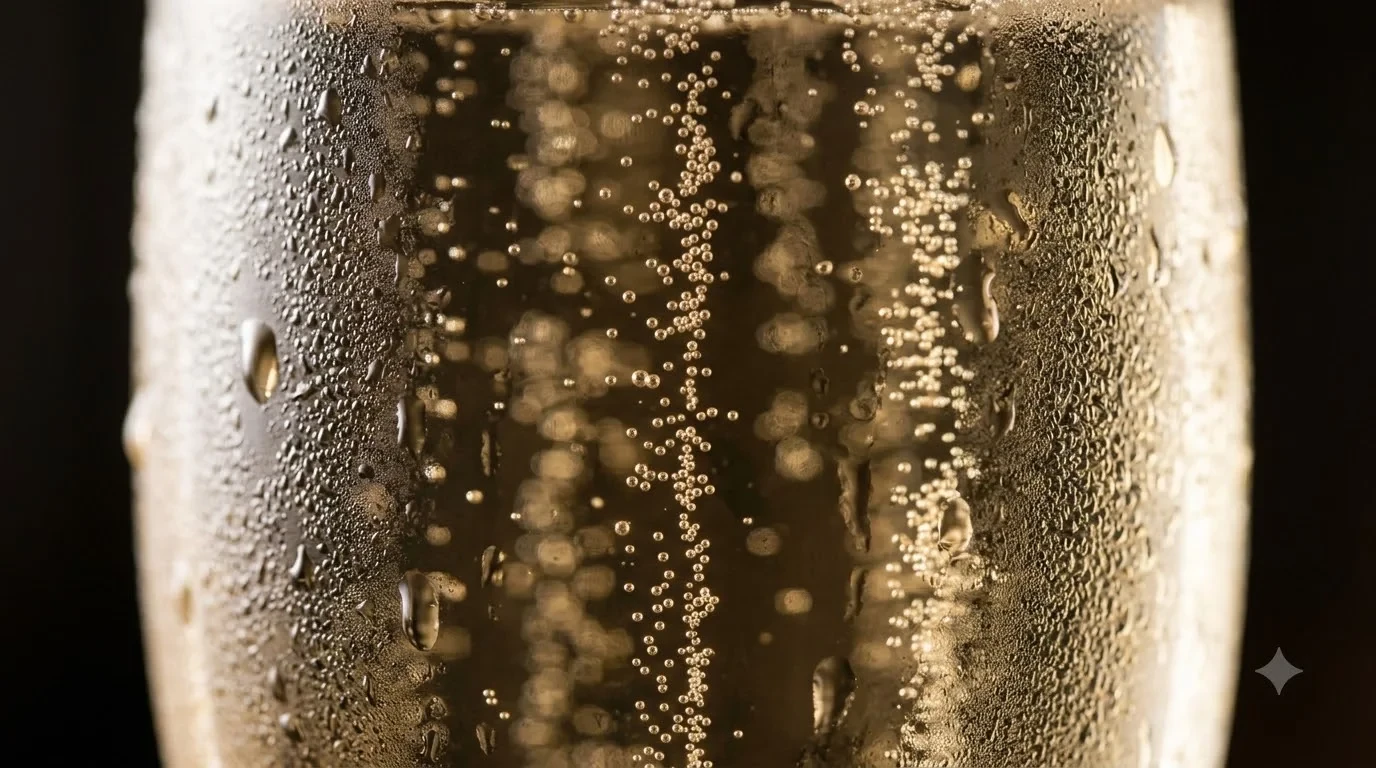
Sparkling wine is usually served colder than still wine. According to Wine Folly’s serving temperature guide, sparkling wines and light-bodied whites taste good at 38–45°F (3–7°C), a range the guide describes as ice cold. Cold keeps the carbonation lively, softens the sweetness, and makes the wine feel crisp on the palate. A warm bottle pours foamy and loses its sparkle quickly, which is why the chilling step matters so much before a celebration.
The goal is a bottle that is cold all the way through, not just on the outside. A bottle that is cold only on the surface will still pour warm in the middle, and the first glass often disappoints. That is why the way you chill matters as much as how long you chill.
The fastest method: ice and water
A bucket filled with ice and water is the quickest reliable method for most households. Fill the bucket with ice, add water until it reaches the top of the ice, and set the bottle in it neck-first or on its side. Turning the bottle every so often helps the cold reach all sides evenly. Because water conducts heat much better than air, this approach chills a bottle far faster than a refrigerator shelf, even though the fridge is the more familiar tool.
Many people add a handful of salt to the ice water, which lowers its freezing point and can speed chilling further. The effect is real, but it is modest, so the main gain comes from water and ice together. Salt is optional, and you can skip it if you have enough ice.
Methods to avoid when you are in a hurry
The freezer is the method most people reach for in a rush, and it is also the one that causes the most trouble. A bottle left in the freezer can freeze, expand, and break or push out its cork if it is forgotten, and a broken bottle of sparkling wine is a messy and dangerous problem. If you do use the freezer, set a timer and check the bottle often, keeping it only for a short time.
Shaking or spinning the bottle to speed chilling is another habit to avoid. Agitation can disturb the wine and make the bottle foam when opened. A gentle turn in an ice bucket is enough, and it does not stir up the sparkle.
How to chill the glass too
A cold bottle is only half the job. A warm flute or coupe warms the first pour and wastes some of the effort you put into chilling the bottle. Chilling the glasses in the refrigerator or freezer for a few minutes before serving keeps the wine cold longer after it is poured. Rinsing glasses with cold water and drying them is a quick alternative when you have no shelf space.
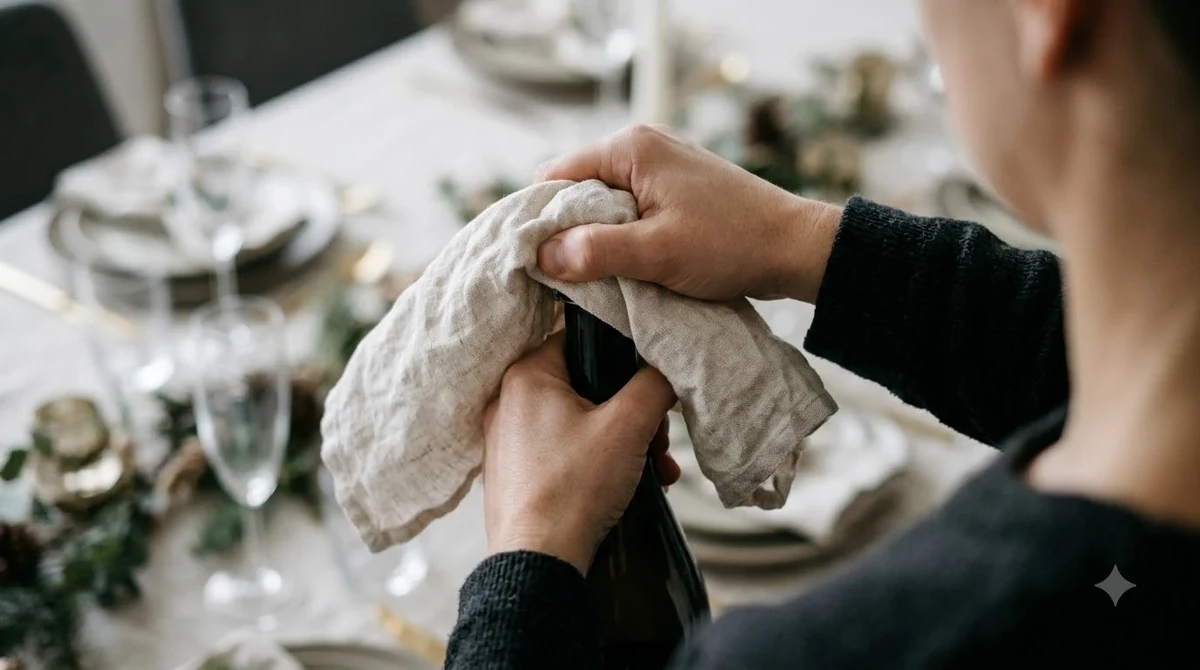
Once the bottle is out of the bucket, dry it before opening. Water on the glass can make the bottle slippery and harder to handle safely, and a dry bottle is easier to open quietly.
When very cold is not the best choice
Not every bottle of Champagne should be served as cold as possible. The same Wine Folly guide notes that higher-quality bottles, such as vintage Champagne, should warm up somewhat to release their aromas. Serving a prestige bottle ice cold can mute the bread, toast, and fruit notes that make it interesting. For everyday sparkling wine, the colder temperature suits the style, but for a special bottle, a slightly warmer serving temperature often shows more.
The guide also says cheaper wines can be served cooler, which tends to mute their flaws. That is a useful trick for everyday bottles, though it is less about showing off the wine and more about making a casual pour more pleasant.
How to keep the bubbles lively after chilling
Once the bottle is chilled, the main job is to keep it cold until the pour. Keep the bottle in the bucket or the refrigerator until you are ready, and return any leftover wine to the fridge with the stopper in place. A proper sparkling wine stopper slows the loss of bubbles, but it cannot stop it, so plan to finish an open bottle soon for the best texture.
When you pour, tilt the glass and pour slowly. Pouring too fast creates a foam that disappears quickly and leaves the wine flatter than it should be. A slow pour keeps more of the sparkle in the glass, and it is the simplest way to make a chilled bottle taste its best.
Common mistakes when chilling Champagne
The most common mistake is chilling for too little time. A bottle taken from a warm shelf and tucked into a bucket for only a few minutes will still be too warm inside, and the first glass will fizz and taste blunt. The second mistake is over-chilling a bottle until it is almost frozen, which dulls the aromas and makes the wine taste harsh on the finish.
Another frequent error is opening a warm bottle that has been shaken during transport. A bottle that has been moved around can gush when it is opened, and the simplest prevention is to let it rest quietly in the bucket before you start. Taking the time to chill and settle the bottle keeps the celebration neat.
Frequently Asked Questions
How do you chill Champagne fast without a freezer?
Put the bottle in a bucket of ice and water, with the water reaching the top of the ice, and turn it now and then. This chills a bottle much faster than a refrigerator and avoids the risk of freezing the bottle.
What temperature should Champagne be served at?
Sparkling wines are generally served around 38–45°F (3–7°C). Higher-quality vintage bottles are often served a little warmer, so their aromas can show more clearly.
Is it safe to put Champagne in the freezer?
It can be done for a short time, but it is risky. A forgotten bottle can freeze, expand, and break or push out its cork. Set a timer and check the bottle often if you use this method.
Does salt really chill wine faster?
Adding salt to ice water lowers its freezing point, which can speed chilling somewhat. The difference is modest, and plenty of ice and water works well without it.
A well-chilled bottle is the easiest way to make Champagne taste lively and bright. For more on the wine itself, the guide to where Champagne comes from explains the region and the method behind the bubbles, and the question of how to keep Champagne bubbly picks up where this guide leaves off. The general wine basics Q&A section covers related serving questions as well.
More in Wine Basics
 Which Rose Is Best for Your Taste, Budget, and Food PairingsUpdated Nov 21, 2026
 Is Cheap Wine Bad? How to Find Bottles Worth DrinkingUpdated Nov 21, 2026
 What To Write On A Wine Gift Tag: Thoughtful Messages For Every OccasionUpdated Nov 21, 2026
 Which Wine Is Best For Weight Loss? Compare Lower-Calorie ChoicesUpdated Nov 21, 2026
 What Is The Best Wine For Mimosas? Choose Bubbly That Balances Orange JuiceUpdated Nov 20, 2026
 Which Prosecco Is Best for Your Taste and OccasionUpdated Nov 20, 2026