

We may earn a commission when you buy through links on this page, at no extra cost to you. Learn more.
Robert Mondavi Private Selection wine is a Robert Mondavi-branded label from the Napa Valley house founded in 1966, and it is designed to give everyday buyers a taste of the family’s approach at a more approachable level. The winery’s own website focuses on its top Cabernet Sauvignons and does not describe this line in detail, so the back label is the most reliable guide to the grape, region, and vintage of each bottle. This guide explains the winery background, what to check on the label, how to serve these wines, and how to match them with food.
Robert Mondavi is one of the best-known names in California wine, and its labels often sit side by side on retail shelves. Private Selection is one of the names shoppers see most often. The sections below explain what is known about the house behind the label, how to read a bottle, how to serve it, and which meals suit it best.
The winery behind the Private Selection name
Robert Mondavi Winery was founded in 1966 with the goal of making Napa Valley wines that could stand alongside the finest in the world. The estate is located on the St. Helena Highway in Napa, and the winery is open for visits. That history is the reason the Mondavi name is linked to California’s wine country in the minds of most buyers.
The Private Selection name sits under that umbrella. The winery’s site does not spell out the composition or target style of this specific line, so it is more accurate to treat it as a Mondavi-branded label rather than a single estate wine with a fixed profile. That is a useful distinction when you compare it with the winery’s top bottles.
Because the producer’s site focuses on its premium Cabernet Sauvignons, the top Napa bottles give a sense of the house style. Those wines are described as structured, while the Fumé Blanc is described as vibrant. Those descriptions are a useful reference point when you think about what a Mondavi-branded bottle should taste like.
What to check on a Private Selection label
Because the line can vary by vintage and bottling, the label is the first thing to read. Look for four items: the grape or blend, the region or appellation, the vintage, and the alcohol level. The grape tells you the basic flavor, the region tells you the climate, and the vintage tells you how the wine may age.
If the label names a single grape, expect the flavor of that grape to lead. If it names a blend or a broad region, the wine is more likely to be built for consistency across vintages. Neither is better by default; the right choice depends on the meal and the mood.
| Label item | What it tells you | Why it matters |
|---|---|---|
| Grape or blend | The main flavors and body | Helps match the wine to food |
| Region or appellation | The climate and soil type | Explains the style and structure |
| Vintage | The growing season | Affects freshness and aging |
| Alcohol level | The body and warmth | Guides serving and pairing |
How to serve Private Selection wine
Serve reds at a cool room temperature, slightly below the warmth of a living room, and open the bottle about 15 to 20 minutes before pouring if it is a bigger, more structured red. Lighter reds can go straight from the cellar or wine fridge into the glass. Whites should be chilled, and rosé should be served cold but not icy.
The producer does not publish serving guidance for this line, so use general wine-service principles. A slightly cool red keeps the fruit lively and the tannins balanced, and a white served too cold can lose aroma. Adjust to your taste, since the right temperature is the one that tastes best to you.
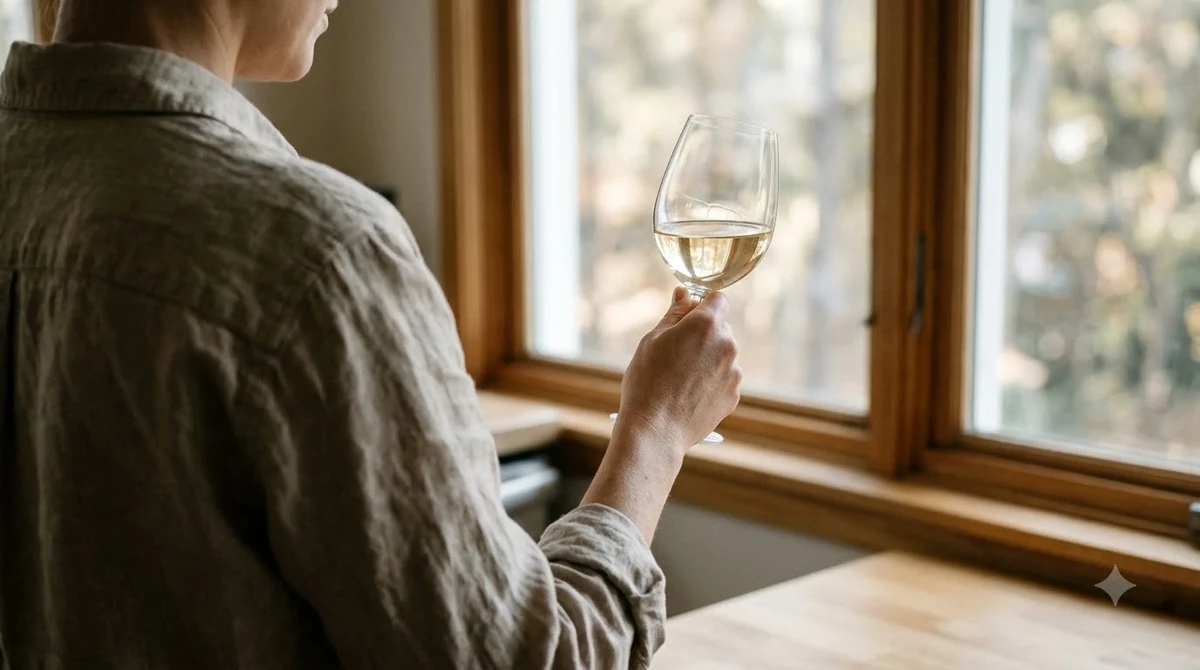
A decanter is useful for a young, tannic red, because it gives the wine air and softens the edges. For an everyday white or rosé, a decanter is unnecessary. Pour, taste, and adjust the next glass.
Tip: If you are not sure whether a bottle needs air, pour a small glass and taste it after ten minutes. If the tannins feel rough, give it more time in a decanter.
Food pairing ideas
Reds with firm structure pair well with roast meats, grilled steak, and hearty pasta sauces. The tannins in a Cabernet-style red soften when served with fat, so a rib roast or a lamb dish is a classic choice. Mushrooms, aged cheeses, and herb-rich sauces also suit a structured red.
Whites work with roast chicken, creamy pasta, and salads with citrus. Rosés suit lighter meals, grilled vegetables, and picnic spreads. For a mixed table, choose one red and one white so both meat and fish dishes have a match.
Who should buy Private Selection
This line suits buyers who want a recognizable name for a dinner, a gift, or a regular weeknight bottle. It is a practical choice if you already know the Mondavi style from the winery’s premium bottles and want to try a more accessible option. It is less suited to a buyer who wants detailed vineyard information on the label, since the producer’s website does not describe this line in that depth.
Buyers who host often may find this line useful for a mixed table. A single red and a single white cover most menus, and the label check described above helps you choose the pair without overthinking it. If you are buying as a gift, a bottle with a clear grape and region on the label is the safer choice, since the recipient can then see what they are drinking.
For a more specific Napa experience, compare a Private Selection bottle with the winery’s Cabernet Sauvignons. The gap in price and structure will show you how the house style changes from one tier to the next. The comparison also helps you decide how much to spend on the next bottle.
Common mistakes buyers make
The most common mistake is assuming all Mondavi-branded bottles taste the same. The premium Napa Cabernets, the Fumé Blanc, and the Private Selection line sit at different levels, so the label should guide the choice. Another mistake is serving a red too warm, which can make the alcohol feel dominant and hide the fruit.
A third mistake is opening a white or rosé too early. Pour it close to the meal, keep it cold, and it will hold its freshness through the first glass.
Frequently Asked Questions
Is Private Selection a Robert Mondavi wine?
Yes, the label carries the Robert Mondavi name. The winery’s own site focuses on its premium bottles, so check the back label of each Private Selection bottle for the grape, region, and vintage.
What grape is Private Selection made from?
It depends on the bottling. The label is the reliable source. The winery’s website does not describe this line’s grape blend in detail, so do not rely on a general assumption for a specific vintage.
Should Private Selection red be decanted?
A young, structured red benefits from about 15 to 20 minutes of air or a short decant. A lighter red can be poured straight away. Taste a small sample to decide.
Is Robert Mondavi Private Selection good with dinner?
It can be, especially a red with structure served with roasted meat, grilled steak, or mushroom dishes. A white suits seafood and roast chicken. Match the weight of the food to the weight of the wine.
To learn more about the winery itself, the Robert Mondavi Winery website lists its founding year, its Napa estate, and its premium Cabernet Sauvignons. For the house’s red wines, the Robert Mondavi red wine guide covers the Cabernet lineup, and the Wine Brands hub helps you compare labels.
More in Wine Brands
 Underwood Wine Price: Compare Bottles, Cans, and Pack SizesUpdated Nov 21, 2026
 Zenato Wine Price: Compare Styles and Choose the Right BottleUpdated Nov 21, 2026
 Zuccardi Wine Price: Compare Bottles and Find the Right RangeUpdated Nov 21, 2026
 Yellow Tail Moscato Review: Taste, Sweetness and Serving TipsUpdated Nov 21, 2026
 Wolf Blass Yellow Label Review: Choose Your Best StyleUpdated Nov 21, 2026
 Wolffer Estate Rose Review: Choose the Right Bottle for Your TableUpdated Nov 21, 2026