

We may earn a commission when you buy through links on this page, at no extra cost to you. Learn more.
Silver Oak Cabernet is a Cabernet Sauvignon from Silver Oak, a California winery founded in 1972 that ages its wines only in American oak. The brand makes its Cabernet at two estates, one in Alexander Valley and one in Napa Valley, and the two bottlings are labeled differently so you can tell them apart. The style is structured and fruit-forward, with a smooth vanilla-tinged finish that many drinkers associate with steakhouse dinners.
If you are comparing bottles of Cabernet on a restaurant list or a shop shelf, Silver Oak is one of the names that comes up often. This guide explains why the wine tastes the way it does, how the two regional bottlings differ, how to serve them, and which dishes suit them. It is written to help you choose a bottle with confidence rather than to pick a single winner.
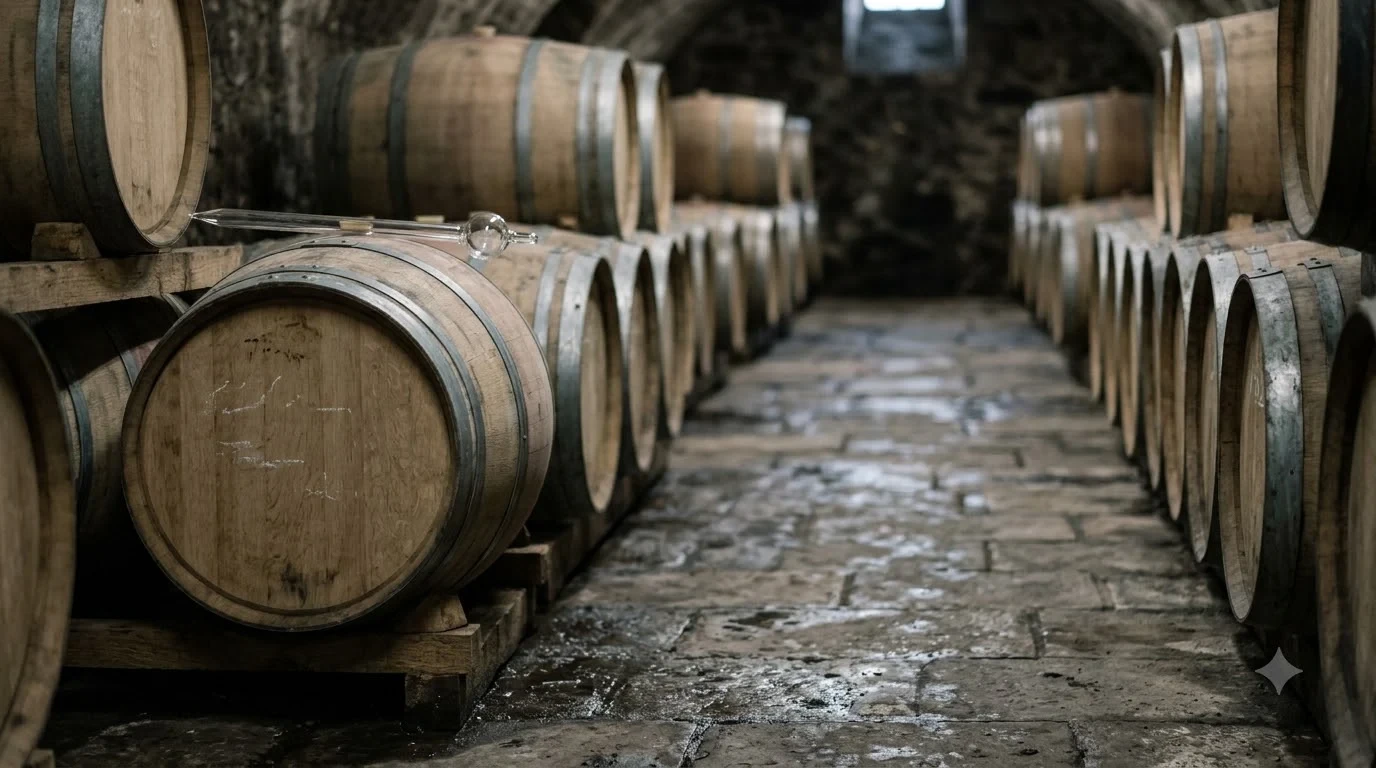
Why Silver Oak Ages Its Wine in American Oak
Silver Oak was founded in 1972 by Ray Duncan, an investor in California vineyards, and Justin Meyer, a winemaker trained by the Christian Brothers. Their shared goal was a Cabernet Sauvignon aged only in American oak, which was unusual for premium Napa wines at the time, when French oak was the standard. Meyer’s reasoning was that French oak gave Cabernet a tannic, grippy structure that he did not want, while American oak brought a silkier texture and a more vanilla-forward flavor.
That choice still defines the brand. Silver Oak owns The Oak cooperage in Missouri, which it acquired in 2015, and the company describes itself as the first North American winery to fully own an American oak cooperage. The result is a Cabernet with a recognizable oak character, which is the first thing most people notice in the glass.
Early on, the Cabernet came from vineyards that were not all in Napa. The first seven vintages were made from Alexander Valley fruit, and Napa Valley grapes first appeared in the 1979 vintage. That history is why the two bottlings have separate identities, and it is also why the brand focuses on consistent house character across both estates. Each estate has a different terroir, so the wines are meant to show regional differences while keeping the same oak-forward signature.
Alexander Valley and Napa Valley: Two Different Bottlings
Silver Oak makes its Cabernet at two estates, and the difference between them is the most useful thing to understand before you buy. The Alexander Valley wine comes from fruit grown in that northern Sonoma County valley, while the Napa Valley wine comes from vineyards in Napa. The brand says each estate has its own terroir, and reviewers often describe the Alexander Valley bottling as more savory and herbal, with a more elegant character. The Napa bottling tends to show riper, more structured fruit and a fuller body.
The two are easy to tell apart on the shelf. Alexander Valley labels and bottles carry a silver tone, while Napa Valley bottles use black. The brand has also changed bottle and label details over time, so it is worth reading the front label each time you buy rather than relying on a memory of a past vintage.
| Bottling | Typical character | Good with |
|---|---|---|
| Alexander Valley Cabernet | Savory and herbal notes, elegant structure | Roast beef, lamb, and mushroom-based dishes |
| Napa Valley Cabernet | Riper fruit, fuller body, firm structure | Seared steak, ribs, and rich braises |
Tip: If you are unsure which bottling you prefer, buy one of each and taste them side by side with the same meal. The difference in regional character becomes clear quickly.
Decanting is a useful option for a younger bottle that tastes tight when first opened. Pouring the wine into a decanter for 30 minutes or so exposes it to air, which can soften the tannins and lift the fruit. Older bottles usually do better with a gentle pour and less air, because they can lose their delicate character quickly once opened.
How to Serve Silver Oak Cabernet
Cabernet Sauvignon tastes best when it is served a little below room temperature rather than warm. Taking the bottle out of a cool cellar or the refrigerator a short while before pouring is usually enough to bring out the fruit without letting the alcohol dominate. Because the wine is structured, it benefits from a short rest in the glass to open up.
Use a large red wine glass so the aromas can gather, and pour a moderate amount to leave room for swirling. An opened bottle keeps reasonably well for a day or two when recorked and stored cool, although a structured Cabernet will show its best character during the first evening. If you have an older bottle with sediment, stand it upright for a day before opening and pour gently.
Food Pairings That Suit the Style
The brand is closely associated with steakhouse dining, and the wine’s structure does handle rich meat well. Seared steak, ribeye, and grilled burgers all match the firm tannins and dark fruit. The Alexander Valley bottling also works with roast lamb, mushroom dishes, and herb-forward sauces, because its savory notes complement those flavors.
A simple guide is to match the richness of the dish with the weight of the wine. Fatty cuts and hearty sauces suit a full Cabernet, while lighter dishes such as roast chicken need a gentler red or a different style altogether. Cheese works well too, with aged hard cheeses or a firm cheddar offering a good balance. For a closer look at how the brand describes its wines and their steakhouse reputation, the VinePair profile of Silver Oak gives useful context.

How to Choose the Right Bottle
Start by deciding what you want from the wine. If you enjoy a riper, more full-bodied Cabernet for a rich meal, the Napa Valley bottling is the natural choice. If you prefer a more savory, restrained style, the Alexander Valley bottling may suit you better. Both are made to be approachable in their early years and capable of longer aging, so you can match the bottle to the occasion.
Check the vintage on the label, because each year’s weather shapes the fruit and the balance of the finished wine. For a dinner party, a single bottle is usually enough, while a wine for a special meal or a gift may justify a little more planning. If you like the oak character but want to compare styles, the Silver Oak Wine guide covers the wider lineup beyond the Cabernet.
If you are comparing this brand with other well-known Cabernets, the Wine Brands section of this site lists similar producers, and the Caymus Cabernet page offers another point of comparison for a rich Napa-style red.
Frequently Asked Questions
Why does Silver Oak Cabernet taste of vanilla?
The wine is aged only in American oak, which tends to add vanilla and sweet spice notes. The founders chose American oak because they felt it gave a silkier texture than French oak, and that flavor is part of the house style.
What is the difference between the Alexander Valley and Napa Valley Cabernet?
The Alexander Valley bottling comes from fruit grown in that Sonoma County valley and is usually described as more savory and herbal. The Napa Valley bottling is typically riper and fuller. Both are labeled Cabernet Sauvignon, so check the regional name on the label.
Is Silver Oak Cabernet good for steak?
Yes, it is a common choice for steak because its firm tannins and dark fruit balance rich, grilled meat. The Napa bottling is often the more natural match for a bold cut, while the Alexander Valley works well with a lighter or herb-based preparation.
Can Silver Oak Cabernet be aged?
The brand describes its wines as approachable in youth and capable of long aging. Many people drink them within several years of release, but a bottle stored in a cool, dark place can develop more complexity over time. Check the producer’s current guidance for each vintage.
Silver Oak Cabernet is a dependable choice when you want a structured red with a clear oak signature. Start by comparing the Alexander Valley and Napa Valley bottlings, match the wine to a rich meal, and keep track of which style you prefer. For a related Cabernet from another producer, the Austin Hope Cabernet guide is a helpful next read.
More in Wine Brands
 Underwood Wine Price: Compare Bottles, Cans, and Pack SizesUpdated Nov 21, 2026
 Zenato Wine Price: Compare Styles and Choose the Right BottleUpdated Nov 21, 2026
 Zuccardi Wine Price: Compare Bottles and Find the Right RangeUpdated Nov 21, 2026
 Yellow Tail Moscato Review: Taste, Sweetness and Serving TipsUpdated Nov 21, 2026
 Wolf Blass Yellow Label Review: Choose Your Best StyleUpdated Nov 21, 2026
 Wolffer Estate Rose Review: Choose the Right Bottle for Your TableUpdated Nov 21, 2026