

We may earn a commission when you buy through links on this page, at no extra cost to you. Learn more.
Pio Cesare wine comes from a family winery in the historic center of Alba, Piedmont, and it is best known for Barolo and Barbaresco made from Nebbiolo. The estate also makes Barbera, Dolcetto, a Gavi white, and a Moscato d’Asti, so the range covers more than the famous Nebbiolo reds. This guide explains the winery’s background, how its main wines differ, how to serve Nebbiolo-based bottles, and what to look for when you buy a Pio Cesare label.
Piedmont is one of the most important red wine regions in Italy, and Pio Cesare is one of the names that shows up often in discussions of Barolo. The sections below cover the producer, the range, the Nebbiolo grape, serving, food matches, and how to choose a bottle that suits your meal.
Who makes Pio Cesare and where it is based
Pio Cesare was founded in 1881 in the historic center of Alba, the town at the heart of the Langhe hills. The winery has been run by the same family for five generations, and it still operates in the old town rather than in a remote estate. The producer’s address is on Via Cesare Balbo in Alba, and the building sits on the city’s old Roman walls.
The winery farms about 80 hectares, mainly in the Barolo and Barbaresco zones. Its stated philosophy centers on respect for the land, and it farms the vineyards with sustainable methods. That focus on the vineyard is the reason the single-vineyard bottles carry so much weight in the range.
Because the estate is spread across named crus, the wines show more than one style of Nebbiolo. A Barolo from one slope can taste different from a Barbaresco from another, even when both come from the same producer. Reading the vineyard name on the label is the quickest way to understand which style you are buying.
The Pio Cesare range at a glance
The lineup is broader than the two famous Nebbiolo reds. The table below groups the main wines as the producer presents them, so you can see the range before you choose a bottle for a particular occasion.
| Group | Wines named by the producer | Good for |
|---|---|---|
| Classic reds | Barolo “Pio,” Barbaresco “Pio,” Langhe Nebbiolo, Barbera d’Alba, Dolcetto d’Alba | Core dinners and everyday Piedmont reds |
| Single vineyards | Barolo “Mosconi,” Barolo “Ornato,” Barbaresco “Il Bricco,” Barbera d’Alba Superiore “Fides” (Vigna Mosconi) | Special meals and cellar bottles |
| Whites | “Piodilei” Langhe Chardonnay, “Derthona” Colli Tortonesi Timorasso Riserva, “Blanc” Langhe Sauvignon | Seafood, pasta, and lighter menus |
| Other styles | Gavi, Moscato d’Asti, Langhe Rosato, Vermouth di Torino, Barolo Chinato | Aperitivo and dessert pairings |
The table shows that Pio Cesare is not a one-grape house. The whites and the Gavi and Moscato bottles give a buyer an entry point to the producer without committing to a long-aging red.
What Nebbiolo tastes like
Nebbiolo is the grape behind Barolo and Barbaresco, and it is grown mostly in Piedmont. The wines are usually pale to medium in color for a red, with aromas of cherry, rose, leather, and anise. Some tasters also describe an earthy, clay-like note. Nebbiolo is bone-dry, with a medium-full body, medium-high acidity, and high tannins.
Those tannins are the reason these reds can seem tight when young. The structure is what allows Barolo and Barbaresco to age for a decade or more, but it also means the wines reward patience and a good meal. For a first Pio Cesare purchase, a Barbaresco or a Langhe Nebbiolo is often a more approachable starting point than the single-vineyard Barolos.
How to serve Nebbiolo-based wines
The recommended serving temperature for Nebbiolo is around 55 to 60°F (12 to 15°C), which is cooler than most people serve red wine at home. Serving the wine a little cool keeps the fruit and acidity in balance with the tannins, and it stops the alcohol from feeling heavy in the glass.
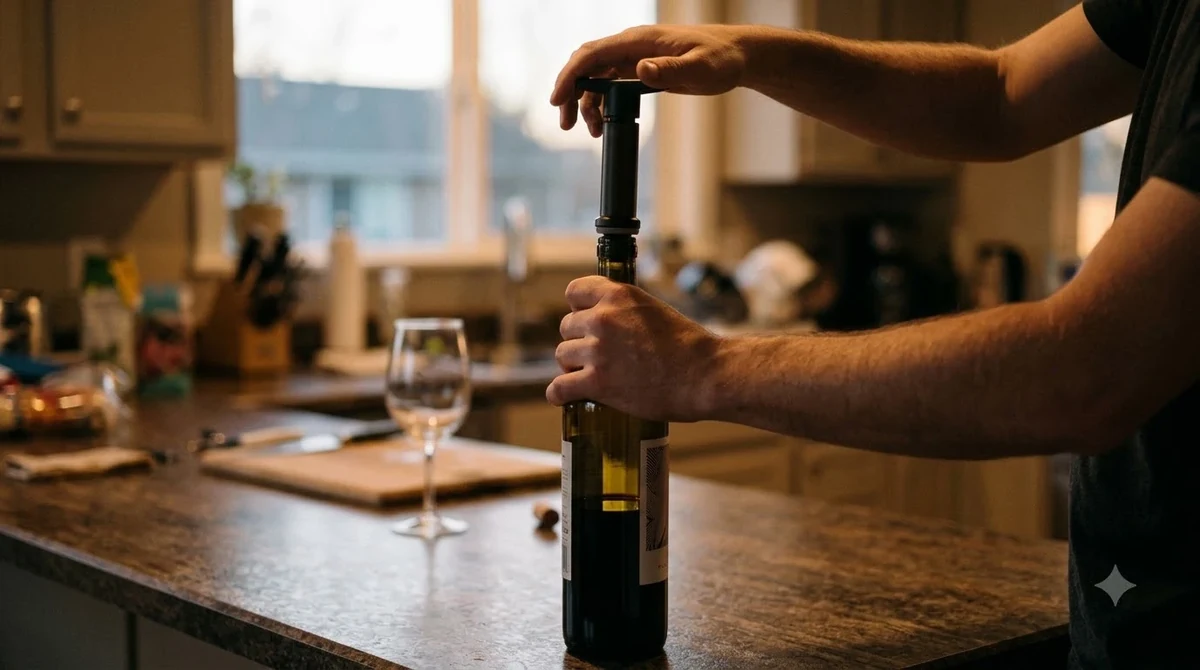
Decanting for about an hour is a common recommendation for young Nebbiolo. It gives the wine time to open and softens the grip of the tannins. Older bottles are different: a gentle decant to remove sediment is usually enough, and a long decant can flatten an aged wine. Use a wide glass with a generous bowl so the aromas can develop.
Tip: If you are opening a young Barolo, give it an hour in a decanter before you pour. If you are opening an older bottle, check the sediment first and decant gently.
Food pairing for Pio Cesare reds
Nebbiolo pairs best with rich food that has fat or cream, because fat softens the tannins and lets the fruit come through. Truffle risotto, butternut squash ravioli, braised meat, and aged cheeses are classic matches. The producer’s home region of Piedmont has many dishes built around butter, cream, and mushrooms, and those dishes suit the wine well.
The whites suit lighter food. Gavi works with seafood and fresh herbs, while the Chardonnay and Sauvignon whites fit roast chicken and vegetable starters. Moscato d’Asti is usually served with desserts or on its own in the afternoon, since its sweetness and light fizz make it a relaxed choice.
How to choose a Pio Cesare bottle
Begin with the meal. For a rich dinner with mushrooms or cream, a Barbaresco or a Barolo from the classic line makes sense. For an occasion where you want to show the vineyard, the single-vineyard bottles give more detail. For a quieter weeknight, the Langhe Nebbiolo and Barbera d’Alba are easier to drink young.
Check the vintage and the vineyard name on the label. The vintage affects how the wine will age, and the vineyard name tells you the style. If you plan to store the bottle, a Barolo from a good vintage can improve over several years, while the lighter reds are best within a few years of release.
Visiting the winery
The producer offers winery visits with tours and tastings, which can be booked through the “Visit the winery” section of its website. A visit is a good way to see the historic cellars in Alba and taste the range in one place. Booking ahead is a sensible step before you travel, since visit times are set by the winery.
Frequently Asked Questions
Is Pio Cesare the same as Barolo?
No. Barolo is a protected wine style from Piedmont, and Pio Cesare is a producer. The winery makes several Barolos, including the classic “Pio” and single-vineyard wines, along with other Piedmont styles.
What is the difference between Barolo and Barbaresco?
Both are made from Nebbiolo in Piedmont. The two zones differ in soil, climate, and vineyard exposure, which usually gives Barolo a firmer structure and Barbaresco a slightly softer style. Both benefit from decanting when young.
Should Pio Cesare red be served chilled?
It should be served cool rather than cold or warm. Around 55 to 60°F is a common recommendation for Nebbiolo, and a short rest in the glass helps the aromas open.
Can I age a Pio Cesare Barolo?
Barolo is one of the wines that can age well, often for ten years or more depending on the vintage and the vineyard. Store the bottle in a cool, dark place with steady temperature, and open it when the wine has softened and the tannins feel balanced.
For a reference on the grape itself, the Wine Folly Nebbiolo guide explains the flavor profile and food matches in more detail. If you are building a list of Italian reds, the Antinori red wine guide covers another Italian producer, and the Wine Brands hub lists more labels to compare.
More in Wine Brands
 Underwood Wine Price: Compare Bottles, Cans, and Pack SizesUpdated Nov 21, 2026
 Zenato Wine Price: Compare Styles and Choose the Right BottleUpdated Nov 21, 2026
 Zuccardi Wine Price: Compare Bottles and Find the Right RangeUpdated Nov 21, 2026
 Yellow Tail Moscato Review: Taste, Sweetness and Serving TipsUpdated Nov 21, 2026
 Wolf Blass Yellow Label Review: Choose Your Best StyleUpdated Nov 21, 2026
 Wolffer Estate Rose Review: Choose the Right Bottle for Your TableUpdated Nov 21, 2026