

We may earn a commission when you buy through links on this page, at no extra cost to you. Learn more.
When deciding what glass for dessert wine to use, reach for a small, tulip-shaped vessel with a 4- to 8-ounce capacity and a rim narrower than its bowl. This compact design accommodates standard 2- to 3-ounce pours while concentrating complex fruit, honey, and nutty aromas toward your nose. If you do not own dedicated stemware, a standard white wine glass or a tulip Champagne flute works reliably for most sweet and fortified bottles.
Serving sweet wine in an oversized red goblet makes a modest pour look lost at the bottom of the bowl and lets volatile alcohol vapors overwhelm delicate aromatics. Choosing the right stemware balances sweetness, acidity, and alcohol warmth so every sip tastes vibrant rather than cloying.
Why Dessert Wine Needs a Smaller Glass
Dessert wines pack intense sugar, concentrated aromatics, and often elevated alcohol levels into every sip, which means they are served in smaller portions than dry table wines. A dedicated dessert wine glass scales down the bowl volume to match a 2- to 3-ounce pour while keeping the rim close enough to your nose to deliver subtle scents.

Standard table wine glasses typically hold 12 to 20 ounces of liquid, leaving far too much empty headspace when filled with a 3-ounce dessert pour. In an oversized bowl, heavy sweet aromas dissipate before reaching your nose, while high-alcohol fortified wines release sharp ethanol vapors that sting the nostrils. A smaller vessel keeps the liquid surface closer to the rim, ensuring fragrant notes of apricot, marmalade, caramel, or dried fig arrive intact.
Portion control is an equally practical reason for downsized stemware. As Wine Folly’s wine glass guide points out, dessert wine glasses are intentionally crafted to be much smaller because many of the world’s top sweet wines carry high alcohol levels alongside rich residual sugar. A compact glass visually signals a measured serving, preventing guests from accidentally pouring a full 5- or 6-ounce table-wine portion of a 20% ABV fortified bottle.
Stemware geometry also shapes how liquid enters your mouth. A tapered rim narrows the stream of wine, directing it smoothly across the center of the palate rather than flooding the entire tongue at once. That focused flow highlights natural acidity, which keeps luscious bottles like Sauternes, Tokaji, and ice wine tasting crisp and balanced instead of syrupy.
Key Dessert Wine Glass Styles
Different styles of sweet and fortified wines benefit from distinct bowl proportions depending on their alcohol strength, effervescence, and aromatic profile. Most dedicated dessert stemware falls into four traditional shapes, each tailored to a specific category of after-dinner wine.
The Port glass is compact, typically holding around 6 to 8 ounces total, with a rounded lower bowl that tapers noticeably toward a narrow rim. According to Tasting Table’s overview of wine glasses, Port is rich and unctuous enough that a standard pour is roughly 3 ounces, and the tapered rim directs dark berry, fig, and walnut aromas upward while softening the perception of alcohol heat. This shape works equally well for Ruby Port, aged Tawny Port, Banyuls, and sweet Madeira.
The Sauternes glass features a slightly taller, tulip-inspired silhouette—sometimes narrowing near the base, widening through the middle, and tapering again at the lip—with a total capacity between 6 and 13 ounces depending on the maker. Designed originally for botrytized Bordeaux whites, this contour gives viscous, honeyed wines enough surface area to open up while preserving bright citrus and stone-fruit acidity. It is an ideal match for Sauternes, Hungarian Tokaji Aszú, German Beerenauslese, and late-harvest Riesling.
The traditional Sherry glass, known in Spain as a copita or catavinos, has a slender, straight-sided or gently tulip-shaped bowl holding about 4 to 6 ounces. Its narrow profile keeps chilled, delicate styles like Fino and Manzanilla cool while focusing oxidative, nutty, and dried-fruit notes in sweeter styles like Cream Sherry and Pedro Ximénez. Meanwhile, sparkling dessert wines such as Moscato d’Asti, Brachetto d’Acqui, and demi-sec Champagne belong in a tulip flute, which preserves fine bubbles without trapping delicate floral scents.
| Glass Style | Typical Capacity | Best Wine Styles | Ideal Pour Size |
|---|---|---|---|
| Port Glass | 6–8 oz | Ruby Port, Tawny Port, Madeira, Banyuls | 2–3 oz |
| Sauternes Glass | 6–13 oz | Sauternes, Tokaji Aszú, Ice Wine, Late-Harvest Whites | 2–3 oz |
| Sherry Copita | 4–6 oz | Fino, Amontillado, Cream Sherry, Pedro Ximénez | 2–3 oz |
| Tulip Flute | 6–8 oz | Moscato d’Asti, Brachetto d’Acqui, Sweet Sparkling | 3–4 oz |
Matching Glassware to Alcohol and Sweetness Levels
Selecting the right glass becomes much easier when you group dessert wines by how they are made rather than memorizing dozens of regional names. The biggest dividing line in sweet wine service is whether a bottle is unfortified or fortified, because alcohol strength dictates how much breathing room the wine can handle.
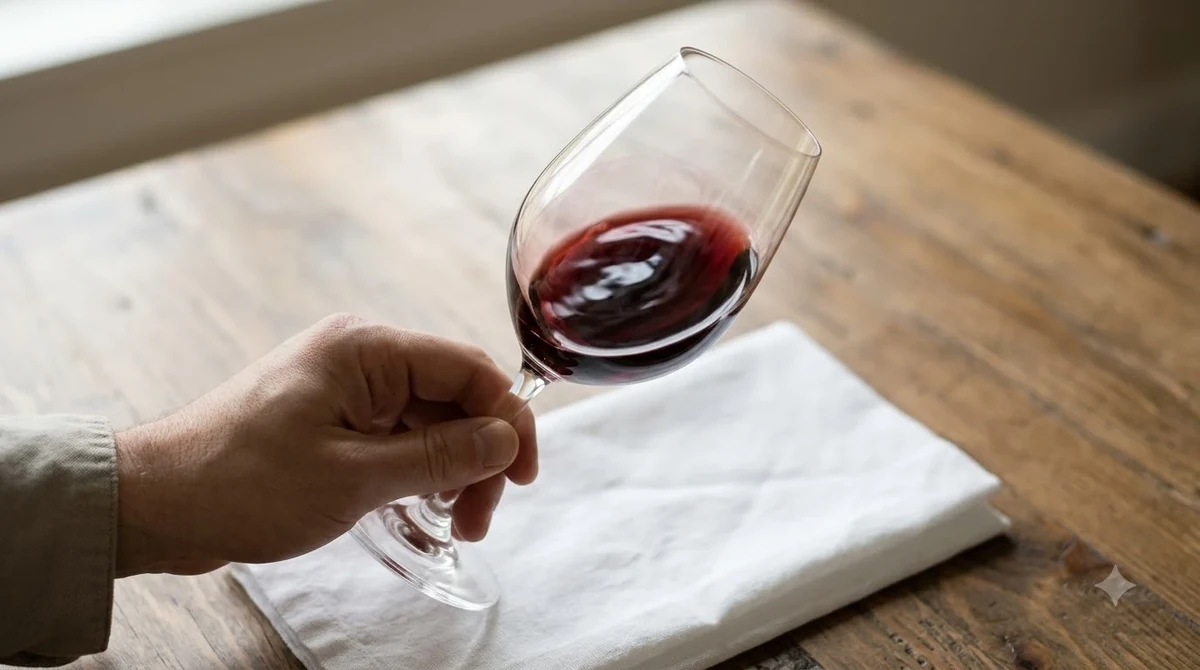
Unfortified sweet wines—such as late-harvest Gewürztraminer, German Auslese Riesling, Canadian ice wine, and Sauternes—rely on concentrated grape sugars and typically sit between 7% and 14% alcohol. Understanding dessert wine alcohol content helps explain why these bottles welcome a slightly wider tulip bowl. Because they do not carry a heavy blast of added grape spirit, a bit of extra bowl width lets floral, tropical, and honeyed aromatics bloom without alcohol overpowering the nose.
Fortified dessert wines—including Port, Marsala, sweet Madeira, and fortified Muscat—are arrested mid-fermentation with distilled grape brandy, pushing their strength to roughly 17% to 22% alcohol. In a wide-mouthed goblet, that extra spirit evaporates rapidly and creates a sharp, medicinal burn when you inhale. A smaller glass with a pronounced inward taper traps heavier fruit and caramel esters inside the bowl while letting lighter ethanol vapors disperse gently.
Viscosity and residual sugar also play a role in rim design. Ultra-sweet nectars like Pedro Ximénez Sherry or Trockenbeerenauslese coat the palate thickly, so a thin, smoothly cut rim prevents the wine from pooling clumsily on the lip. Avoiding thick, rolled rims helps the liquid glide evenly onto the tongue so natural acidity stays front and center.
What to Use If You Do Not Own Dessert Wine Glasses
You do not need to buy a dedicated set of specialty stemware just to enjoy an occasional bottle after dinner. Several everyday glasses already sitting in most kitchen cabinets perform remarkably well when poured with restraint.
A standard white wine glass is the single best all-purpose substitute for almost any still dessert wine. Its smaller U-shaped bowl and modest rim opening naturally mimic the proportions of a Sauternes glass, keeping chilled whites cool and focusing aromatics. If you are wondering what glass for red wine works best, you already know bold reds demand large, wide bowls—which is precisely why you should leave Cabernet or Burgundy stems in the cabinet and reach for white wine glassware instead, even when pouring ruby-hued Port.
A universal wine glass or an ISO tasting glass is another strong alternative, especially if you are hosting a dinner party and serving two different sweet wines side by side. Designed to evaluate every style fairly, these medium-sized tulip stems hold a 2.5-ounce pour gracefully and offer plenty of room for a gentle swirl. For lightly sparkling sweet wines like Moscato d’Asti, a standard Champagne flute or tulip glass keeps the spritz lively from first sip to last.
Skip wide cocktail coupes, rocks tumblers, and shot glasses whenever possible. A shallow coupe exposes too much surface area, causing chilled wines to warm up quickly and letting delicate aromas escape into the room. Rocks glasses lack the inward curve needed to gather scent, while tiny cordial glasses filled to the brim leave zero room to swirl or smell the wine before tasting.
Tip: Fill any glass only one-third full—about 2 to 3 ounces—so the remaining space above the wine can trap and concentrate aromas before you take a sip.
Serving Temperature, Pour Size, and Glassware Care
Even the finest crystal cannot rescue a dessert wine served at the wrong temperature or poured carelessly. Proper preparation works hand in hand with bowl shape to keep sweet wines lively and refreshing.
Temperature control starts before you ever reach for the cabinet. Knowing should dessert wine be chilled ensures you serve crisp late-harvest whites around 45°F to 50°F and richer Tawny Ports or Cream Sherries slightly cool, near 55°F to 60°F. Always choose stemmed glassware over stemless tumblers for sweet wines so the warmth of your hand does not heat the bowl and make the sugar taste heavy.
Because dessert wines are rich and concentrated, a standard 750 ml bottle yields roughly eight to twelve 2- to 3-ounce servings, while a half-bottle (375 ml) comfortably serves four to six guests. Pouring small measures leaves ample air space inside the upper half of the bowl, allowing you to swirl gently and release layered notes of roasted nuts, dried stone fruit, and baking spice without splashing.
Clean glassware is especially critical for sweet wines because residual sugar clings easily to crystal and dish soap residue ruins delicate aromatics. Rinse dessert stems with hot water soon after use, wash them with fragrance-free detergent, and dry them promptly with a lint-free microfiber cloth so water spots never cloud the glass. If you enjoy exploring different styles across the Wine by Type spectrum, keeping a clean set of small white or universal stems ready makes after-dinner pours effortless.
Frequently Asked Questions
Can I drink dessert wine out of a regular wine glass?
Yes, a standard white wine glass or universal wine glass works very well for dessert wine as long as you keep the pour small. Stick to a 2- to 3-ounce serving so the wine fills roughly a quarter to a third of the bowl, leaving space above the liquid to gather aromas. Avoid oversized red wine goblets, which dilute delicate scents and amplify alcohol vapors.
What is the difference between a Port glass and a Sauternes glass?
A Port glass is typically slightly smaller and features a more pronounced inward taper at the rim to contain higher alcohol levels around 19% to 22% ABV. A Sauternes glass usually has a slightly taller, tulip-shaped bowl that allows unfortified sweet white wines to open up while highlighting crisp acidity. In practice, either glass handles both styles comfortably at home.
How much dessert wine should you pour in a glass?
A standard serving of dessert wine is 2 to 3 ounces (60 to 90 ml), which is about half the size of a regular table wine pour. This smaller measure balances the higher sugar and alcohol intensity of sweet and fortified wines while leaving enough headroom in the glass for swirling and nosing.
Should dessert wine glasses have stems?
Stemmed glasses are strongly preferred for dessert wine because most sweet and fortified bottles are served chilled or slightly below room temperature. Holding a glass by the stem prevents body heat from warming the wine in the bowl, which can dull bright acidity and make sweet wines taste syrupy.
Whether you invest in dedicated Port and Sauternes stems or rely on a trusty set of white wine glasses, scaling down your glass and pour size transforms how sweet wine tastes. Keep the bowl compact, leave plenty of headroom for aromatics, and serve at the right temperature to let every layer of fruit, spice, and acidity shine.
More in Wine Types & Grapes
 What Glass for Sangria Works Best for Easy, Chilled ServingUpdated Nov 21, 2026
 What Does Vin Santo Taste Like? Flavor Profile, Styles, and Pairing GuideUpdated Nov 21, 2026
 What Glass for Sake Works Best to Unlock Every AromaUpdated Nov 21, 2026
 What Glass for Mulled Wine Keeps It Warm and Safe to HoldUpdated Nov 21, 2026
 What Glass for Mead: Choosing the Right Stemware for Every StyleUpdated Nov 21, 2026
 What Does Pouilly Fuisse Taste Like? Flavor Profile, Styles, and PairingsUpdated Nov 21, 2026