

We may earn a commission when you buy through links on this page, at no extra cost to you. Learn more.
The direct answer to “should dessert wine be chilled” is yes: most dessert wines should be served chilled, usually between 43°F and 50°F, so their sweetness stays balanced and their aromas remain fresh. Lighter styles such as Moscato d’Asti are best near the colder end, while richer Sauternes and Tokaji can show more detail a few degrees warmer. Fortified wines are the exception: tawny Port, vintage Port, Madeira, and sweet Sherry each have their own serving range.
The right temperature depends on what is in the glass, not simply on whether the wine tastes sweet. Use the style as your starting point, then let the wine warm slightly as you serve it rather than pouring it straight from an icy refrigerator.
The Best Temperature for Most Dessert Wines
For most unfortified white dessert wines, aim for 43°F to 50°F (6°C to 10°C). That range covers many late-harvest Rieslings, ice wines, sweet Chenin Blancs, Tokaji, and Sauternes, with lighter or fresher wines toward the cool end and richer, more complex bottles toward the warmer end.
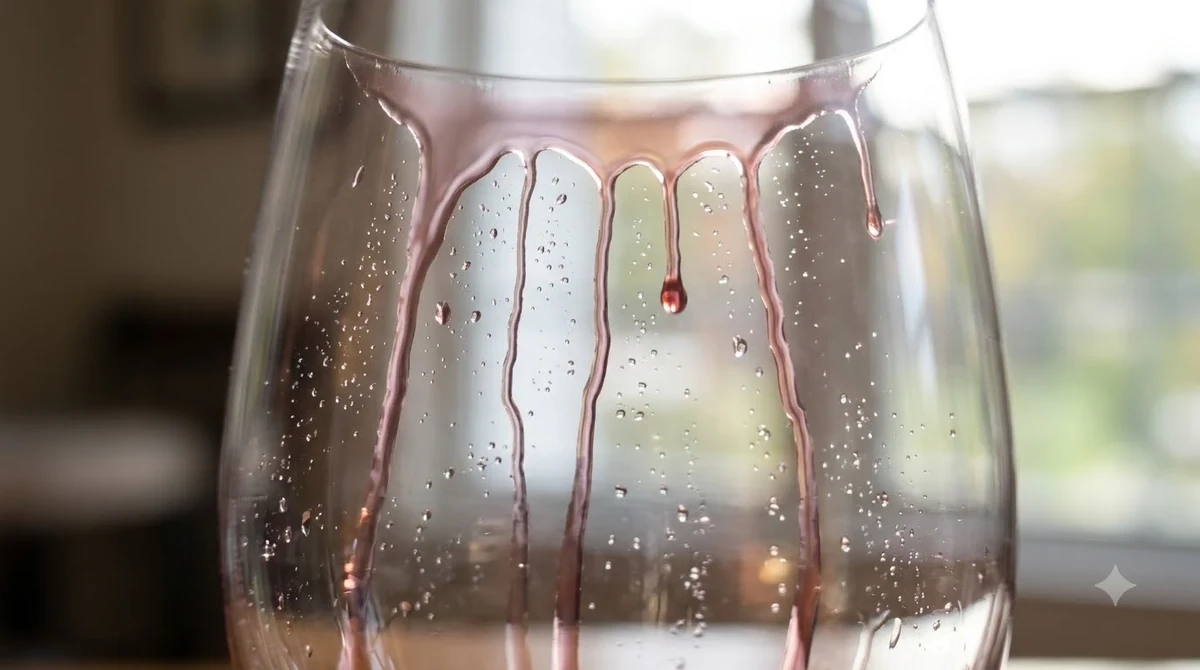
Chilling is useful because sweetness can feel heavy when a wine is warm. A moderate chill gives the wine a cleaner, more refreshing impression and helps its acidity balance concentrated fruit and residual sugar. The aim is not to hide the wine’s sweetness; it is to keep the sweetness from overwhelming the fruit, floral notes, and finish.
There is no single temperature that suits every bottle. The Wine Society recommends 6°C to 7°C (43°F to 45°F) for lighter Muscats and Moscato d’Asti, while its guidance places more complex sweet wines such as Tokaji, Loire Chenin, and premium Sauternes between 8°C and 11°C (46°F to 52°F). Château Coutet’s Aline Baly gives 9°C to 10°C (48°F to 50°F) as a serving point for Barsac, a Sauternes-area sweet wine. Taken together, these recommendations support a practical starting range rather than a rigid rule.
Think of 43°F to 50°F as the default for sweet whites, not as a requirement for every wine called dessert wine. Sweet reds and fortified wines have different structures and alcohol levels, so they can taste more balanced when served closer to cellar temperature. The style-specific guidance below helps you make that distinction.
Adjust the Chill to the Wine Style
The best serving temperature shifts with sweetness, body, acidity, and alcohol. Start with the ranges below, then make a small adjustment for the bottle’s weight and age.
| Wine style | Starting temperature | Examples and serving cue |
|---|---|---|
| Light, unfortified sweet whites | 43°F–47°F (6°C–8°C) | Moscato d’Asti and lighter Muscat; serve crisp and cool. |
| Rich sweet whites | 46°F–50°F (8°C–10°C) | Sauternes, Barsac, Tokaji, and late-harvest Chenin; allow aromas to open in the glass. |
| Ice wine | 43°F–50°F (6°C–10°C) | Riesling or Vidal ice wine; keep it chilled but not icy. |
| Fortified Muscat | 50°F–52°F (10°C–11°C) | Beaumes-de-Venise; serve cooler than most fortified reds. |
| Tawny Port and fino Sherry | 57°F–60°F (14°C–16°C) | Lightly chill delicate fortified styles to keep alcohol in check. |
| Ruby or vintage Port | 60°F–66°F (16°C–19°C) | Serve cool rather than warm; vintage Port may be served near the upper end. |
| Madeira | 54°F–61°F (12°C–16°C) | Sercial and Verdelho are cooler; Bual and Malmsey are warmer. |
These are practical starting points, not a strict legal standard. Wine Enthusiast puts delicate tawny Ports and fino Sherries at 57°F to 60°F, and Madeira and vintage Port near 66°F. Decanter’s Port specialist likewise distinguishes tawny Port, which should be slightly chilled, from ruby and reserve Port, which can be served around room temperature. Producers and sommeliers may make slightly different choices, particularly for older bottles.
Sweet Sherry is another category where the label name alone does not tell the whole story. Cream Sherry and sweet oloroso are best chilled, according to Bodegas Barbadillo’s Tim Holt in Decanter, while Pedro Ximénez (PX) can be poured over ice cream or served over crushed ice. Madeira is different again: Blandy’s recommends 12°C (54°F) for Sercial and Verdelho, and 15°C to 16°C (59°F to 61°F) for richer Bual and Malmsey. For a broader overview of styles, see our guide to Wine by Type.
Ice wine deserves the same careful approach as other sweet whites. Its concentrated grape flavor and lively acidity make a cool serving temperature refreshing, but a bottle served close to freezing can lose aromatic detail. For more specific guidance on that style, read should ice wine be chilled.
How Temperature Affects Sweetness, Acidity, and Aroma
Temperature changes the balance you perceive in a wine. A warmer dessert wine can seem richer, sweeter, and more alcoholic, while a cooler pour often feels firmer and fresher. The difference is easy to notice when comparing a floral Moscato with a dense Sauternes or a raisiny PX Sherry.
Very cold wine, however, is not automatically better. Chilling too far can mute aromas and make it harder to recognize details such as orange peel, apricot, honey, dried pineapple, ginger, or toasted nuts. That is why a rich sweet white often benefits from a few minutes in the glass: the wine warms gradually, and its aromas become easier to pick out without the whole bottle becoming warm.
Acidity is especially important in sweet wine. A wine with firm acidity can carry substantial sugar and still taste balanced, much as lemon juice brightens a rich dessert. A cooler serving temperature can make that freshness more apparent, but the goal is proportion rather than maximum cold. If a sweet Riesling tastes sharp and muted straight from the refrigerator, give it time to warm before deciding that the bottle lacks fruit.
Alcohol also matters. Fortified wines such as Port and some sweet Sherries contain more alcohol than many unfortified dessert whites. Serving a powerful fortified wine too warm can make the alcohol seem dominant, while a modest chill can keep the wine’s fruit and sweetness in better focus. This is one reason not to treat every red or amber dessert wine like a full-bodied dry red.
How to Chill a Bottle Without Overdoing It
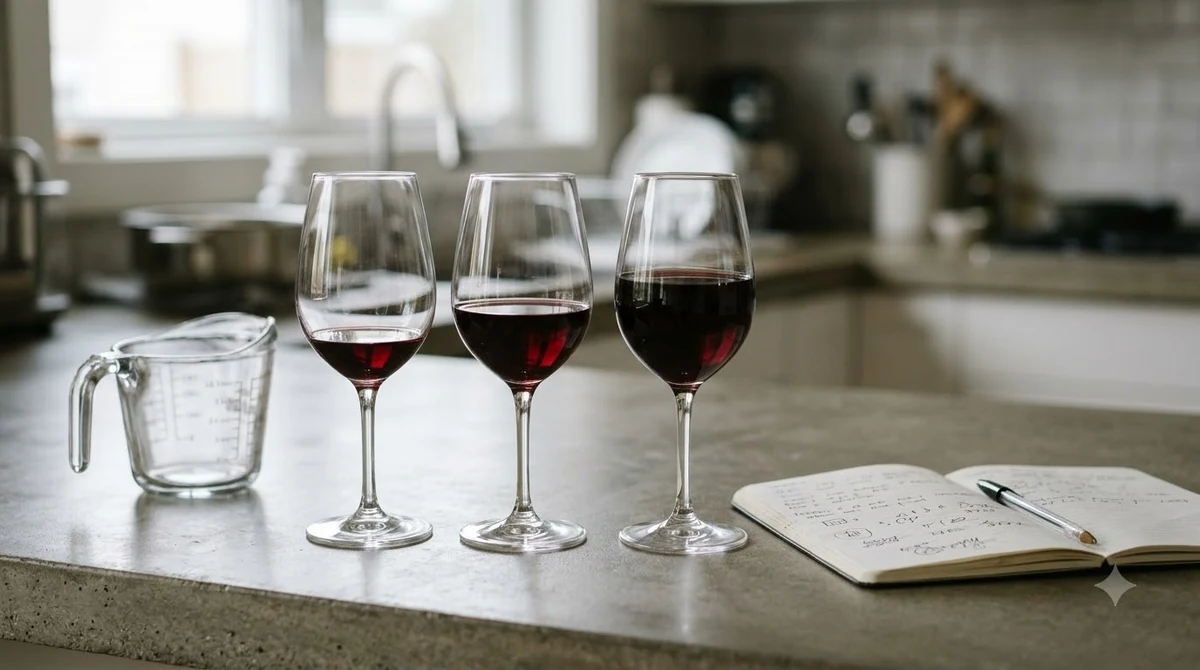
Use the refrigerator for a gradual chill and an ice-water bath when time is short. The Wine Society suggests allowing up to an hour in the refrigerator when a bottle starts at cellar temperature, and roughly another half-hour when it starts at a typical heated-room temperature.
For a bottle stored around 55°F, begin with about 45 to 60 minutes in the refrigerator for a light sweet white, then check the temperature if you have a wine thermometer. A richer Sauternes or Tokaji may need less time if it is already cool. These are starting estimates: refrigerator settings, bottle size, and the temperature of the room all affect how quickly the wine chills. An ice bucket can speed things up. Fill it with roughly equal parts ice and cold water, then submerge the bottle up to its shoulder; water transfers heat more efficiently than ice cubes alone. Check the bottle after 10 to 15 minutes rather than leaving it unattended. For a large-format bottle or a particularly warm starting point, allow a little longer and check again.
Tip: Chill the bottle a little below your target temperature if it will sit on the table for a while, but do not serve it straight from the freezer. Dessert wine warms in the glass, so a pour that begins cool can open up naturally during the meal.
Avoid using the freezer as your normal chilling method. It is easy to forget a bottle, and prolonged freezing can damage the wine or push out a cork. If a bottle has become too cold, let it stand at room temperature for several minutes and taste again. There is no need to heat it; gentle warming is easier to control. For sparkling dessert wines, use a colder approach because bubbles are part of the texture. A sweet sparkling wine such as demi-sec Champagne or Moscato d’Asti should be chilled much like other sparkling wine. Our guide to should sparkling wine be chilled covers the separate temperature range and serving details.
Choose the Right Glass and Pour Size
Use a small white wine glass or a tulip-shaped glass for most sweet whites and sweet Sherries. A bowl with room for the wine to release its aromas is more useful than an extremely small cordial glass, especially for complex wines such as Sauternes, Tokaji, or aged sweet Riesling.
Château Coutet’s Aline Baly favors white wine glasses for sweet Barsac rather than tiny dessert glasses. That choice makes practical sense: a slightly wider bowl lets aromas of citrus peel, stone fruit, honey, and spice gather above the wine. For a delicate sweet wine, a smaller tulip can still focus the bouquet, while a full-sized red wine glass may expose too much surface area and allow the wine to warm quickly.
Pour less than you would for a dry table wine. A modest two- to three-ounce pour gives a concentrated wine room to show its aromas and leaves space for a second serving if guests want one. Use a clean glass with no detergent scent, and hold it by the stem where possible so your hand does not warm the bowl unnecessarily. Port and Madeira can use a smaller fortified-wine glass, but a standard white wine glass is also suitable if it has enough room for the aromas. Decanter reports that vintage Port is the Port style that needs decanting; most ruby, reserve, and tawny Ports can be poured directly. If you open a mature vintage Port, separate any sediment carefully and serve it without letting the decanter sit open for hours. Serve a flight from lighter to stronger wines when offering several styles. A bright Moscato or late-harvest Riesling is easier to appreciate before a dense PX Sherry or rich vintage Port. A sweet sparkling wine can work as a palate-refreshing final glass, even after dessert, because its bubbles and acidity create a different finish from a still wine.
Pair Dessert Wine With Food, Not Just Dessert
The classic pairing rule is simple: the wine should be at least as sweet as the dessert. If the food is sweeter than the wine, the wine can taste thin, sharp, or bitter by comparison. Rich desserts also need a wine with enough acidity to keep each bite from feeling heavy. Match the flavor as well as the sugar level. Sauternes and Barsac can work with fruit tarts, fresh strawberries, and creamy desserts, but they also pair well with savory foods. Decanter quotes Château Coutet’s Aline Baly recommending lobster, shellfish starters, and roast chicken, as well as strawberries for dessert. The combination works because sweetness and acidity can balance salt, richness, and delicate seafood flavor.
Blue cheese is a classic partner for concentrated sweet whites and some fortified wines. The salty, savory character of aged cheese contrasts with sweetness, while the wine’s acidity helps refresh the palate. For a more restrained match, try an aged Gouda with a rich Austrian sweet wine, or serve late-harvest Riesling with fruit-based pastries rather than a dessert that is substantially sweeter than the wine. Port offers a different set of options. Tawny Port is comfortable alongside crème brûlée, ice cream, caramel, or a square of chocolate, while ruby and vintage Port can pair with dark chocolate and stronger cheeses. For PX Sherry, vanilla ice cream is a particularly easy match; pouring a little over the ice cream turns the wine into part of the dessert rather than simply a drink beside it.
Do not limit sweet wine to the final course. A moderately sweet Riesling can work with spicy food, because sweetness helps soften chile heat; choose a wine with enough acidity to keep the combination fresh. When serving a rich sweet wine with a sweet dessert or spicy dish, a slightly cooler pour can keep the pairing lively. For a chilled party drink rather than a concentrated dessert wine, see should sangria be chilled.
Frequently Asked Questions
These answers cover a few practical details that do not fit neatly into a temperature chart, from overnight chilling to the different ways winemakers create sweetness.
Can dessert wine be chilled overnight?
Yes. An unopened bottle can sit in the refrigerator overnight; the main concern is serving it at the right temperature rather than chilling it for a precise number of minutes. Take it out briefly before pouring if it feels colder than the recommended range.
How is ice wine made?
German Eiswein is made from grapes left on the vine until the first freeze. Ice forms in the berries, concentrating both sugar and acidity in the remaining juice, and the grapes are picked during freezing conditions.
Can dessert wine be served as an aperitif?
Yes. Moscato d’Asti is lightly effervescent and low in alcohol, and it can be enjoyed before a meal or with a sweet tart. Pineau des Charentes is another sweet wine that is traditionally served chilled as an aperitif.
Can dessert wine be aged for years?
Yes. Top botrytized wines such as Sauternes and Tokaji can age for decades when their concentration and acidity are in balance. With bottle age, they can develop deeper notes of marmalade, dried fruit, and spice.
How do sweet wines get their sweetness?
There are two broad methods: concentrating sugar by reducing the water in grapes, or stopping fermentation before yeast converts all the sugar into alcohol. Drying grapes, noble rot, and freezing on the vine concentrate grape sugars, while fortification adds spirit to stop fermentation.
Most dessert wines are at their best with a thoughtful chill, not a deep freeze. Start around 43°F to 50°F for sweet whites, then adjust for the wine’s richness and style; serve fortified wines on their own terms. A small pour in a suitable glass gives the wine time to open and makes it easier to enjoy the balance of fruit, acidity, sweetness, and spice.
More in Wine Types & Grapes
 Zinfandel Sugar Content: Dry Red vs. White Zinfandel GramsUpdated Nov 21, 2026
 Best Zinfandel Substitute Options for Sipping and CookingUpdated Nov 21, 2026
 Zweigelt Food Pairing: Best Dishes, Cheeses, and Serving TipsUpdated Nov 21, 2026
 Zinfandel Tannins Explained: How Structure Shapes Every BottleUpdated Nov 21, 2026
 Zinfandel Sweetness Level: Dry Red vs. Sweet White Zin ExplainedUpdated Nov 21, 2026
 Xinomavro Food Pairing: Best Dishes, Styles, and Serving TipsUpdated Nov 21, 2026