

We may earn a commission when you buy through links on this page, at no extra cost to you. Learn more.
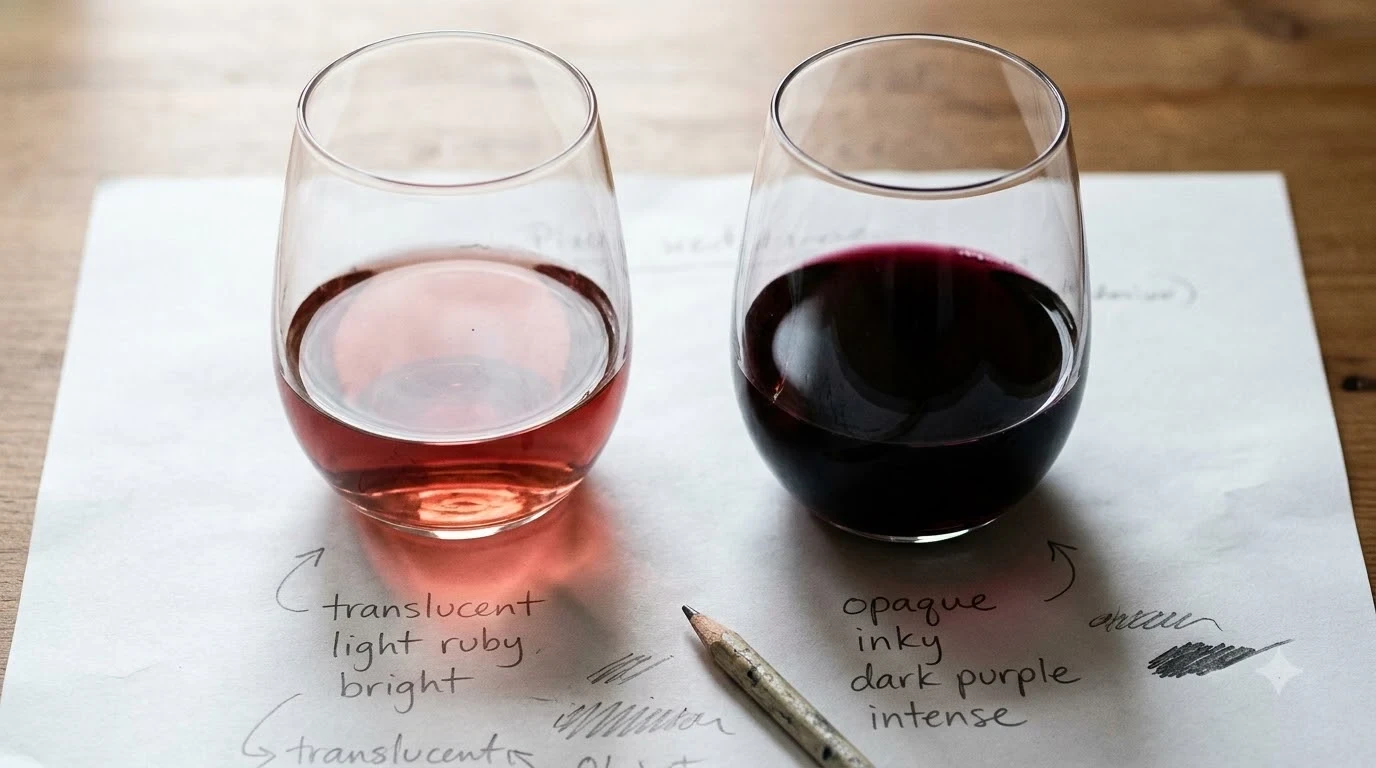
If you are wondering what does tannat taste like, expect an intensely dark, full-bodied dry red wine bursting with blackberry, black plum, and black currant flavors layered over black licorice, espresso, smoke, and dark chocolate. Because the grape carries unusually thick skins and up to five seeds per berry, it delivers powerful, grippy tannins balanced by bright, mouthwatering acidity and 13.5% to 15% ABV. Depending on where it is grown and how much oak it sees, the profile shifts from brooding, earthy, and firmly structured in southwest France to plush, velvety, and jammy in coastal Uruguay.
Pronounced “tahn-naht,” this deep-purple red wine gets its name from the very thing that defines its texture on your palate: tannin. Once known mostly to collectors of long-lived French reds, Tannat has stepped into the spotlight as Uruguay’s flagship grape, offering bold-red drinkers an exciting alternative to Cabernet Sauvignon, Petite Sirah, and Syrah.
What Tannat Is
Tannat is a dark-skinned red wine grape originally from the foothills of the Pyrenees in southwest France that now thrives across South America and pockets of the United States. Structurally, it sits at the very top of the red wine intensity scale, combining opaque ruby-purple color with high natural acidity and towering tannin levels.
The reason Tannat feels so assertive on your tongue comes down to basic grape anatomy. Most wine grapes contain two or three seeds per berry, whereas Tannat berries have unusually thick skins and often pack up to five seeds each. Since skins and seeds hold the polyphenol compounds that create astringency, even gentle pressing extracts a massive concentration of color, flavor, and grip.
In the winery, producers use specific techniques to tame that natural grip so the wine feels generous rather than harsh. Winemakers in both France and South America frequently rely on micro-oxygenation—introducing tiny, controlled amounts of oxygen during fermentation—and oak barrel aging to encourage harsh tannins to link together into softer, rounder chains. Others blend Tannat with softer grapes like Cabernet Franc, Merlot, or Syrah to round out the mid-palate while keeping Tannat’s dark fruit core intact.
Flavor Profile and Styles of Tannat
On the nose and palate, Tannat leads with concentrated dark fruit—think ripe blackberry, damson plum, black cherry, and cassis—framed by savory undertones of licorice, tobacco, black pepper, and woodsmoke. Its exact personality depends heavily on whether the winemaker leans toward traditional oak aging or modern, minimal-oak fruit expression.
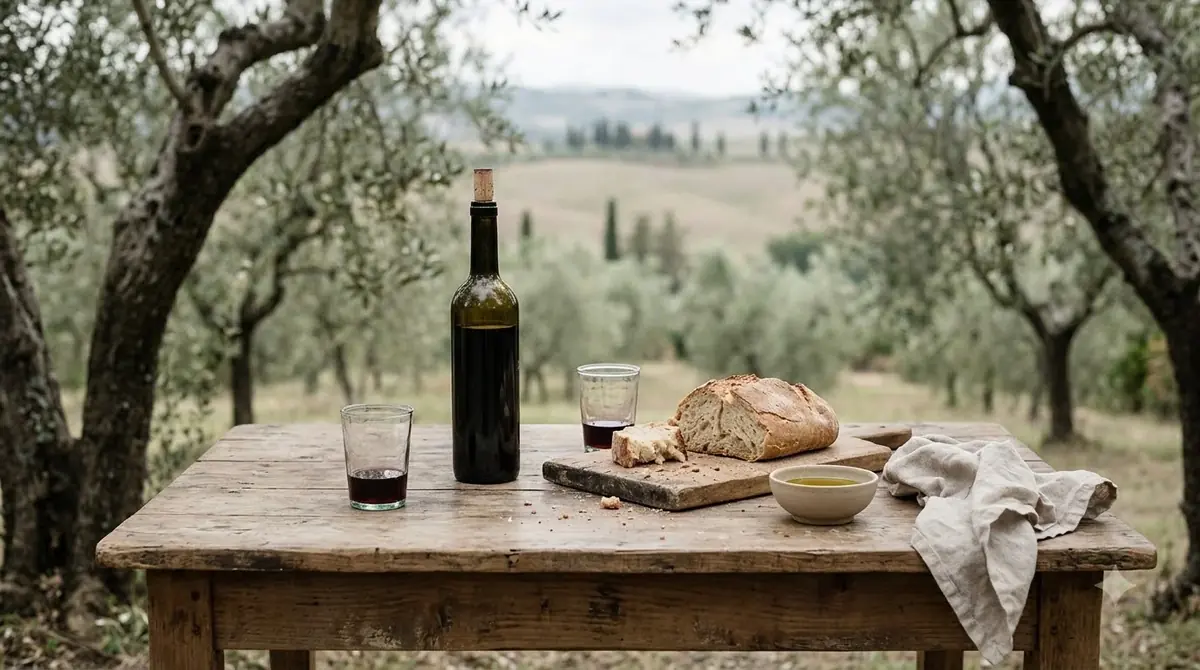
In a classic, barrel-aged style, oak maturation adds layers of vanilla, baking spice, roasted coffee beans, and bittersweet cocoa to the wine’s natural bramble fruit. As these bottles spend years in the cellar, the sharp edge of youth fades into complex secondary notes of cured meat, dried herbs, leather, and forest floor. According to Wine Folly’s guide to Tannat, extended aging allows the wine’s dense polyphenols to polymerize on their own, turning an initially astringent red into something remarkably smooth.
A newer wave of producers takes the opposite approach, fermenting Tannat in stainless steel or concrete with little to no new oak. These unoaked bottles highlight lively red raspberry, sour cherry, and violet aromas alongside bright, juicy acidity. While they still carry noticeable grip on the finish, they drink effortlessly right upon release rather than demanding a decade in a dark cellar.
If you are comparing Tannat to other red wines in your rack, it occupies a distinct middle ground between plush New World reds and structured Old World classics. It shares the dark cassis weight of Cabernet Sauvignon and the inky color of Petite Sirah, yet its snappy acidity keeps it feeling fresher on the finish than many warm-climate reds. For context across the broader spectrum of red and white styles, explore our guide to Wine by Type.
| Style or Origin | Primary Fruit Notes | Savory and Oak Notes | Tannin and Body |
|---|---|---|---|
| Madiran, France (Traditional) | Black currant, dark plum, wild blackberry | Smoke, leather, dried herbs, cedar, spice | Very high, firm tannins; full body; high acidity |
| Uruguay (Modern / Coastal) | Ripe blackberry, black cherry, blueberry compote | Dark chocolate, espresso, subtle vanilla, saline hint | Medium-high, plush tannins; full body; bright acidity |
| Unoaked / Young Tannat | Red raspberry, tart cherry, boysenberry | Violet, cracked black pepper, wet stone | Medium-high, crunchy tannins; medium-full body |
Where Tannat Grows Best
While Tannat originated in southwest France, it found a second homeland in Uruguay, and those two regions define the grape’s stylistic spectrum today. Small plantings in Argentina, California, Texas, and Virginia also showcase how adaptable the vine can be in warm, sunny climates.
In France, Tannat is the backbone of the Madiran AOC, tucked near the Pyrenees mountains. French appellation rules require Madiran reds to contain at least 60% Tannat, often blended with Cabernet Sauvignon or Cabernet Franc to temper its fierce structure. Cool nights and stony soils yield tightly wound, deeply savory wines with searing acidity and formidable tannins that reward five to fifteen years of bottle age.
Across the Atlantic, Basque immigrants introduced Tannat vines to Uruguay in the nineteenth century, where it was locally nicknamed Harriague. Today it is Uruguay’s most planted grape. Influenced by cooling breezes from the Atlantic Ocean and the Río de la Plata, Uruguayan vineyards—especially in Canelones and coastal Maldonado—produce a noticeably gentler expression. Reviewers at Decanter note that Uruguay’s maritime humidity, abundant sunshine, and different vine clones coax out riper dark fruit and softer, rounder tannins than traditional French versions.
Outside its two main strongholds, winemakers in Argentina’s high-altitude Salta region craft muscular, smoky Tannats with concentrated bramble fruit. In the United States, producers in Paso Robles, California, Texas Hill Country, and Virginia have embraced Tannat for its ability to hold onto crisp natural acidity even during hot summer growing seasons.
How to Serve Tannat
Serving Tannat at the right temperature and giving it proper aeration makes the difference between a mouth-drying sip and a layered, expressive glass. Serve it slightly cooler than room temperature, between 60°F and 68°F (15°C to 20°C), in a large, wide-bowled Bordeaux glass.
If a bottle of Tannat feels warm, the 13.5% to 15% alcohol can taste sharp and accentuate the bitterness of the tannins. Placing the bottle in the refrigerator for 15 to 20 minutes before pouring brings it right into the sweet spot where dark berry fruit shines and the structure feels balanced. A generous bowl also gives the dense aromatics room to swirl and open up.
Air is your best friend with any young Tannat. Pour the wine into a wide-bottomed decanter at least one hour before dinner—and up to two hours for a young Madiran. Oxygen softens the perception of astringency and unlocks secondary aromas of cocoa, dried flowers, and spice that stay locked up if you pour straight from a newly opened bottle.
Tip: Opening a bottle of Tannat on a weeknight without time to decant? Pour each glass 30 minutes before eating and give it a few vigorous swirls, or use an in-bottle aerator to soften the tannins quickly.
Best Food Pairings for Tannat
Tannat is built for rich, savory, protein-heavy dishes because fat and salt chemically soften firm tannins on your palate. Pairing it with light salads or delicate seafood will amplify its bitterness, while hearty meats make the wine taste noticeably fruitier and smoother.
In southwest France, the classic local match for Madiran is cassoulet—a slow-cooked casserole of white beans, duck confit, and pork sausage. The rendered fat coats your palate and tames the wine’s grip, while Tannat’s bright acidity cuts right through the richness so every bite tastes fresh.
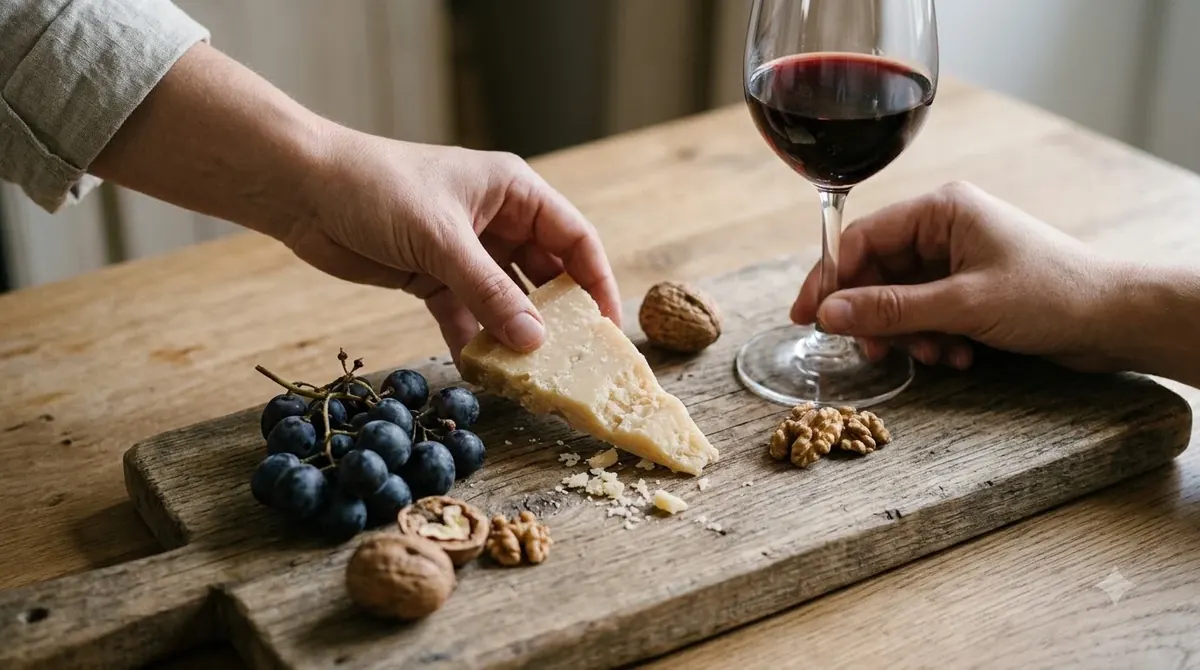
In Uruguay, Tannat is practically synonymous with asado, the traditional wood-fired barbecue featuring grilled ribeye, short ribs, and sausages. Charred crust, smoky fat, and coarse sea salt mirror the wine’s own smoky, dark-fruited character. If you are cooking vegetarian, fire-roasted portobello or porcini mushrooms, charred eggplant, and aged hard cheeses like Parmigiano-Reggiano, aged Gouda, or sharp cheddar deliver the exact umami and salt needed to keep Tannat in harmony.
How to Choose a Bottle of Tannat
Reading the origin and winemaking clues on the label will tell you immediately whether a bottle leans toward plush, approachable fruit or old-school cellar structure. Start by deciding whether you want to drink the wine tonight or age it for a few years.
For immediate enjoyment without a long decant, look for bottles labeled Uruguay, Canelones, or Maldonado, particularly terms like “Coastal” or “Roble” (which indicates lighter oak influence). Many Uruguayan producers also craft blends pairing Tannat with Merlot, Syrah, or Pinot Noir, which deliver dark berry richness with softer, velvety edges. If you prefer bright, energetic whites on lighter evenings, compare how coastal influence shapes acidity in our guide on what does chenin blanc taste like.
If you love bold, structured reds with earthy complexity and plan to pair them with a slow-braised roast, reach for a Madiran AOC from France or a Reserva bottling from Uruguay or Salta. Bottles with five to eight years of age already on the label are ideal if you want to experience Tannat’s leathery, spiced maturity without waiting. And if you ever find Tannat too heavy for everyday sipping, a lighter, cherry-driven Italian red—covered in our breakdown of what does corvina taste like—offers a gentler alternative.
Frequently Asked Questions
Is Tannat a sweet or dry red wine?
Tannat is almost always made as a fully dry red wine. Even though ripe versions from Uruguay burst with jammy blackberry and plum aromas, there is virtually no residual sugar left after fermentation. Its high tannins and brisk acidity give it a crisp, mouth-drying finish.
Does Tannat taste like Cabernet Sauvignon or Malbec?
Tannat sits right between the two in style, combining the dark cassis fruit and firm structure of Cabernet Sauvignon with the plush, inky color and juicy berry appeal of Malbec. Compared to Malbec, Tannat is noticeably more tannic and savory. Compared to Cabernet Sauvignon, it usually feels slightly brighter in acidity and displays more black licorice and smoke notes.
Why does Tannat feel so drying in my mouth?
That chalky, mouth-puckering sensation comes from Tannat’s exceptionally high polyphenol levels. Tannat grapes have thick skins and up to five seeds per berry instead of the usual two or three, releasing extra tannins during winemaking. Decanting the wine for an hour and serving it alongside fatty, salty foods immediately softens that grip.
Can you chill Tannat or use it in winter wine drinks?
Tannat should be served slightly cool at 60°F to 68°F rather than warm room temperature, though chilling it like a white wine will make its heavy tannins taste overly bitter. Because its tannins turn astringent when heated, it is rarely used for warm spiced punches—softer reds work much better, as explained in our guide on what does mulled wine taste like.
Whether you uncork a juicy, coastal bottle from Uruguay for weekend barbecue or decant a structured French Madiran beside a slow-cooked stew, Tannat rewards bold food and a little patience with oxygen. Start with a modern, fruit-forward bottling to get familiar with its dark berry and cocoa profile, and you may quickly find yourself reaching for it whenever Cabernet feels too predictable.
More in Wine Types & Grapes
 Zinfandel Sugar Content: Dry Red vs. White Zinfandel GramsUpdated Nov 21, 2026
 Best Zinfandel Substitute Options for Sipping and CookingUpdated Nov 21, 2026
 Zweigelt Food Pairing: Best Dishes, Cheeses, and Serving TipsUpdated Nov 21, 2026
 Zinfandel Tannins Explained: How Structure Shapes Every BottleUpdated Nov 21, 2026
 Zinfandel Sweetness Level: Dry Red vs. Sweet White Zin ExplainedUpdated Nov 21, 2026
 Xinomavro Food Pairing: Best Dishes, Styles, and Serving TipsUpdated Nov 21, 2026