
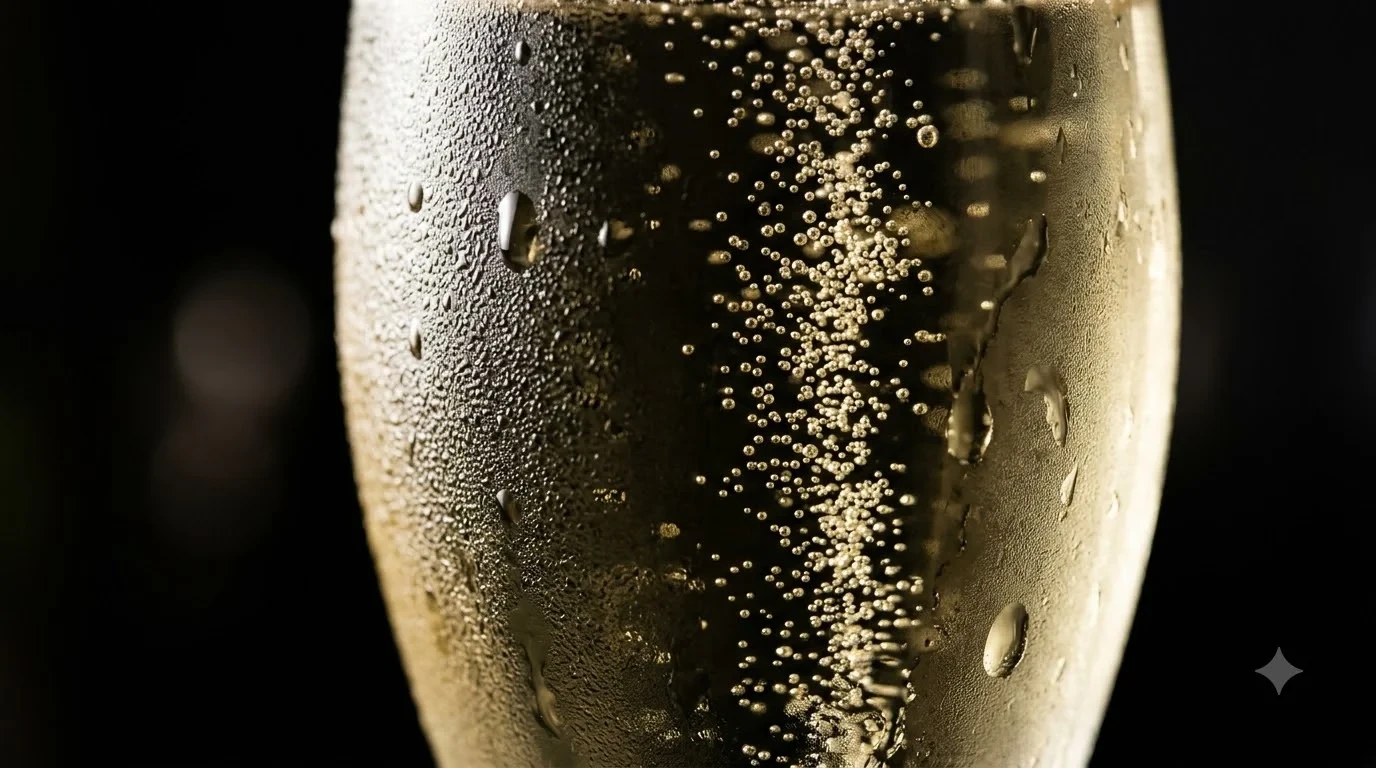

We may earn a commission when you buy through links on this page, at no extra cost to you. Learn more.
A sparkling sangria recipe swaps the still red wine of classic sangria for a sparkling wine, usually Spanish cava, and adds chopped fruit, orange juice and a little sweetener. The result is lighter and more effervescent than the traditional pitcher, and it works well for brunch, parties and warm afternoons. It is quick to make, and most of the work is chopping the fruit.
Sangria is one of the most adaptable wine drinks, and the sparkling version is one of the easiest to customize. Because it uses a bubbly base, it needs less sugar and less time to settle than a heavy red pitcher. This guide explains the basic ingredients, how to build the drink step by step, and how to change the fruit and sweetness to suit your taste.
What makes sangria sparkling
Traditional sangria is built on red wine. Spanish red such as Rioja is the classic choice, and the wine is mixed with chopped fruit, sugar and orange juice. Optional additions include brandy, sparkling water or a flavored liqueur. Those additions change the flavor and the strength of the drink.
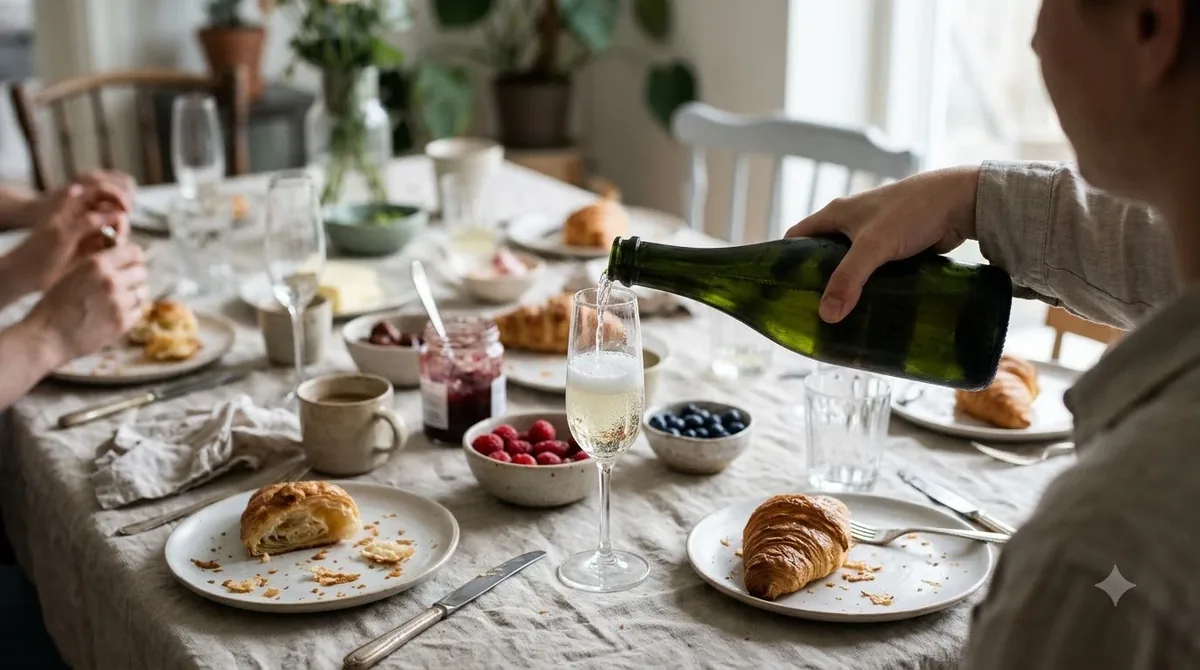
Sparkling sangria takes the same idea and changes the base. A drink called sangria de cava is made with Spain’s sparkling wine, which gives the pitcher its fizz. Sparkling water is also an optional addition to the basic recipe, so the bubbles can come from either source. Sparkling wine is the more traditional way to add lift, while sparkling water keeps the drink lighter in alcohol. Either way, the bubbles should be the last thing that touches the pitcher, so they stay lively in the glass.
Ingredients for a sparkling sangria
A simple sparkling sangria uses a short list of pantry and produce ingredients. The amounts depend on how many glasses you want, so think in proportions rather than fixed numbers. Start with one bottle of cava or another dry sparkling wine, then add the rest to taste.
| Ingredient | Role in the drink | How much |
|---|---|---|
| Cava or dry sparkling wine | The base and the source of bubbles | One bottle for a small pitcher |
| Orange juice | Brightness and a touch of sweetness | A splash, to taste |
| Sugar | Sweetness that balances the acidity | A spoonful at a time, to taste |
| Chopped fruit | Flavor and color, and it soaks up the drink | Peaches, apples, pears or berries |
| Brandy or orange liqueur | Optional depth and extra strength | A small splash |
| Sparkling water | Optional extra lightness | Add just before serving |
Choose fruit that holds its shape and gives off some juice. Peaches, nectarines and apples are common choices, and reference sources note that Spanish sangria often uses local fruit. Berries add color and tartness, while pears give a softer, rounder flavor.
How to make sparkling sangria step by step
Making sparkling sangria is simple, but the order matters. Add the bubbly last, so it does not lose its fizz before the drink reaches the glass.
- Chop the fruit. Cut the fruit into bite-size pieces, removing pits and cores. Keep the pieces a similar size so they release flavor evenly.
- Sweeten the fruit. Put the fruit in a pitcher, add a spoonful of sugar and a splash of orange juice, and stir gently to coat the pieces.
- Add the liqueur or brandy. If you are using one, add a small splash now so the fruit can soak in its flavor.
- Chill the base. Cover the pitcher and refrigerate it for a while so the fruit can macerate. Taste it before you add any bubbles.
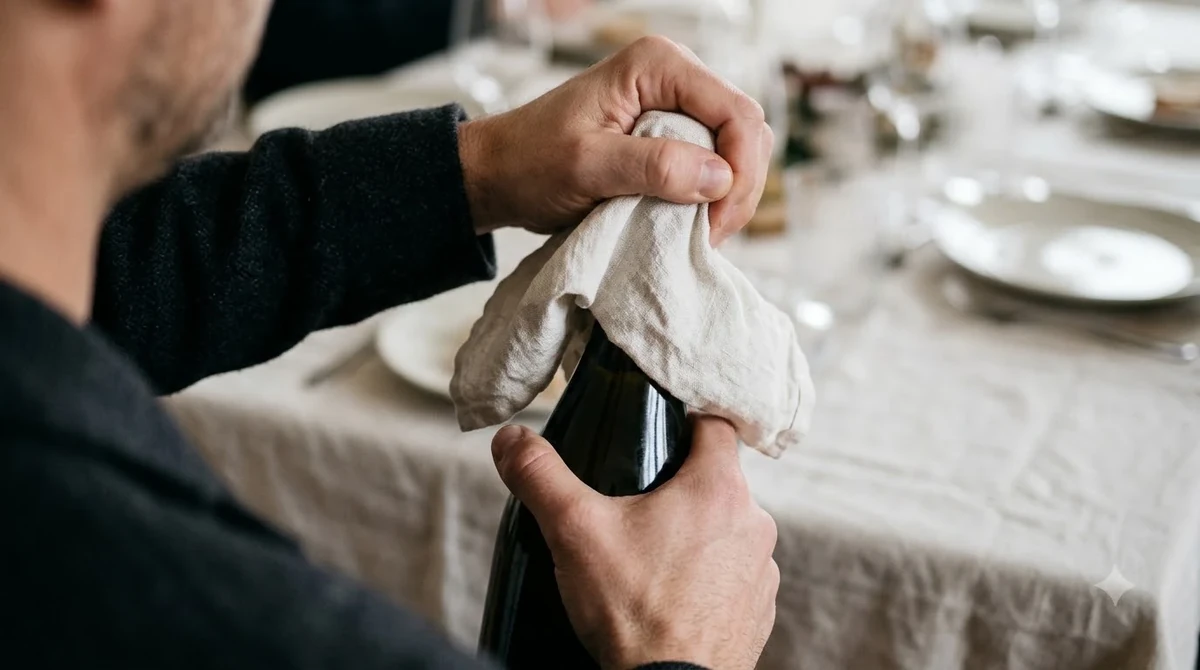
- Add the sparkling wine. Just before serving, pour in the cava or sparkling wine slowly down the side of the pitcher to keep the fizz.
- Top and serve. If the drink is too strong, add a little sparkling water. Pour over ice or serve chilled, with some fruit in each glass.
Sparkling sangria is best made in small batches. The fruit keeps releasing flavor, and the bubbles fade over time, so a drink made an hour ahead will taste different from one made just before guests arrive.
Variations on sparkling sangria
Once you know the basic method, you can change the drink in many ways. Traditional sangria is known for regional variation, and sources note that recipes differ widely even within Spain. That freedom makes it easy to suit a season or a crowd.
For a white version, use a dry white wine in place of the red, and choose fruit such as peaches and apples. Reference sources describe white sangria as a more recent innovation, and it pairs well with lighter food. For a non-alcoholic version, replace the wine with a soft drink, which is the approach used for the children’s version served at parties.
You can also change the fruit by season. Summer calls for berries and stone fruit, while autumn works well with apples and pears. If you want a more classic pitcher, see our sangria pitcher recipe for a still-wine version to compare.
Choosing the bubbly is the one decision that shapes the drink most. Cava is the Spanish sparkling wine used in the traditional sangria de cava, and its fresh, citrusy style suits the fruit well. A dry sparkling wine from another source works too, but avoid a very sweet bottle, because the fruit and orange juice already add sweetness. Taste the wine on its own first, and imagine it with the fruit before you commit to a pitcher.
The fruit you choose also changes the finished glass. Stone fruit gives a soft, rounded sweetness, while berries bring a sharper, more tart finish that stands up to the bubbles. Mixing two fruits, such as peaches and raspberries, gives you both, and it looks attractive in a clear pitcher.
Serving and food pairing
Sparkling sangria is a good match for light foods. Tapas, cheese boards, grilled seafood and fresh salads all work well, because the acidity and bubbles cut through rich or salty bites. The fruit in the glass also helps the drink suit appetizers without overpowering them.
Serve the drink in wine glasses or tumblers with a few pieces of the macerated fruit. Keep the pitcher chilled between pours, and add a fresh splash of sparkling wine to any glass that has been sitting for a while. For more ideas on pairings and recipes, visit the Wine Recipes & Cocktails section.
Tip: Sparkling sangria tastes best cold. If your pitcher is warm, chill the base before you add the bubbly, not after.
Frequently Asked Questions
What wine is used for sparkling sangria?
Cava, Spain’s sparkling wine, is the traditional choice, and a dry sparkling wine works well too. The drink is known as sangria de cava.
Can I use sparkling water instead of sparkling wine?
Yes. Sparkling water is an optional addition in the basic recipe and works for a lighter, lower-alcohol pitcher. The base wine then does most of the flavoring.
How far ahead can I make sparkling sangria?
Prepare the fruit and base a short time ahead, and add the sparkling wine just before serving. The bubbles fade quickly once the wine is poured into the pitcher.
What fruit is best for sparkling sangria?
Peaches, nectarines, apples, pears and berries all work well. Pick fruit that holds its shape and suits the season.
Sparkling sangria is one of the easiest ways to bring a party drink to the table. Start with a dry sparkling base, add fruit and a little sweetness, and add the bubbles last. For more background on the traditional drink, read about sangria’s origins in Spain and Portugal, and see our strawberry sangria recipe for a fruit-forward option.
More in Food & Wine Pairing
 Risotto With White Wine Recipe: Make a Creamy Dinner at HomeUpdated Nov 20, 2026
 Wassail With Wine Recipe for a Festive Spiced Holiday DrinkUpdated Nov 20, 2026
 Spritz Veneziano Recipe: Make a Classic Venetian Aperitivo at HomeUpdated Nov 20, 2026
 Summer Wine Punch Recipe for Easy Homemade EntertainingUpdated Nov 20, 2026
 Bishop Recipe: How to Make a Bright, Citrus-Forward Red Wine CocktailUpdated Nov 20, 2026
 Wine Cupcakes Recipe: Bake Rich Chocolate Cupcakes at HomeUpdated Nov 20, 2026