

We may earn a commission when you buy through links on this page, at no extra cost to you. Learn more.
A sangria pitcher recipe starts with a bottle of dry red wine, then adds chopped fruit, a sweetener, orange juice, and a splash of brandy or orange liqueur. Chilling the pitcher and letting the fruit rest in the wine for a few hours gives the best flavor, and the drink is served cold over ice.
This guide walks through a red sangria pitcher from start to finish. It covers the base wine, the fruit choices, how long to let the mix rest, and how to keep the pitcher tasting fresh when you serve a crowd. The method is adjustable, so you can use it as a starting point and change the sweetness and fruit to suit your guests.
What sangria is and why it works in a pitcher
Sangria is an alcoholic drink that originated in Spain and Portugal. According to the Wikipedia article on sangria, the base is almost always wine, typically red, and traditional recipes often use Spanish Rioja. The wine is mixed with fruit, sweetened with sugar and orange juice, and sometimes finished with brandy, sparkling water, or a flavored liqueur. It is usually served cold or chilled, which is why it suits a pitcher made ahead of time for a gathering.
The pitcher format works because the fruit and wine need time to meet. Sangria tastes flat if it is made and served immediately, while a pitcher left to rest in the refrigerator develops a rounder, fruitier flavor. That makes it an easy drink for parties, since the work happens before guests arrive.
Choosing the wine for the pitcher
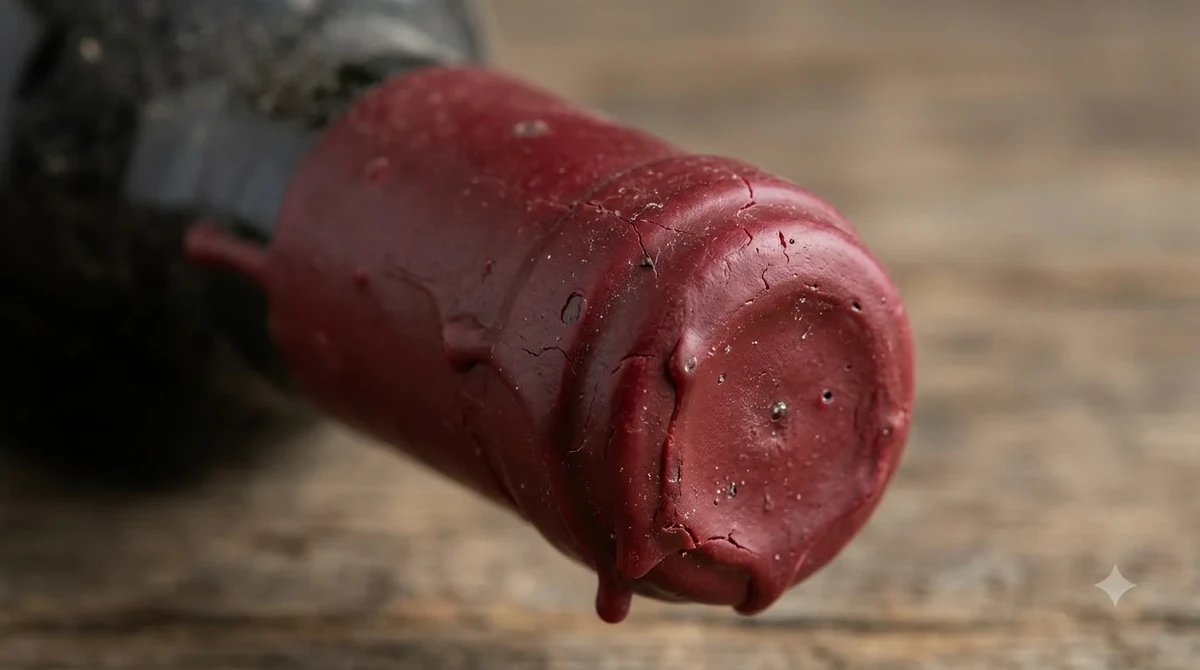
A dry red wine is the most reliable choice for a classic pitcher. Young Spanish reds and fruity wines from other regions both work well, since they bring enough body to stand up to the fruit and sweetener. The wine should be drinkable on its own, because its flavor will shape the whole pitcher. Very expensive bottles are not necessary, but very cheap wine can taste thin or sharp once it is mixed.
White and sparkling versions are popular too, and the Wikipedia article notes that white-wine sangria is a more recent innovation. If you choose a white base, pick a crisp, dry style and keep the added sugar modest. For a sparkling version, add the bubbles just before serving so the pitcher stays lively.
| Component | Role in the pitcher | Notes |
|---|---|---|
| Dry red wine | The base of the drink | One standard 750 ml bottle is a simple starting point |
| Fresh fruit | Flavor, color, and aroma | Chop into bite-size pieces so they soak up the wine |
| Sugar or simple syrup | Balances acidity and tannin | Add gradually and taste before serving |
| Orange juice | Fresh citrus and body | Adds sweetness along with the fruit |
| Brandy or orange liqueur | Warmth and depth | A small splash is enough for most pitchers |
| Sparkling water or soda | Lightness | Add right before serving if you want fizz |
Picking fruit that holds up in the wine
Fruit is where you can make the pitcher your own. Classic choices include orange, lemon, and lime for citrus, along with apple and pear for a crisp, mild fruit note. Peaches and berries are also popular, and the Wikipedia article notes that traditional sangria may be mixed with local fruits such as peaches. Pineapple adds a tropical twist, though it can make the drink sweeter over time.
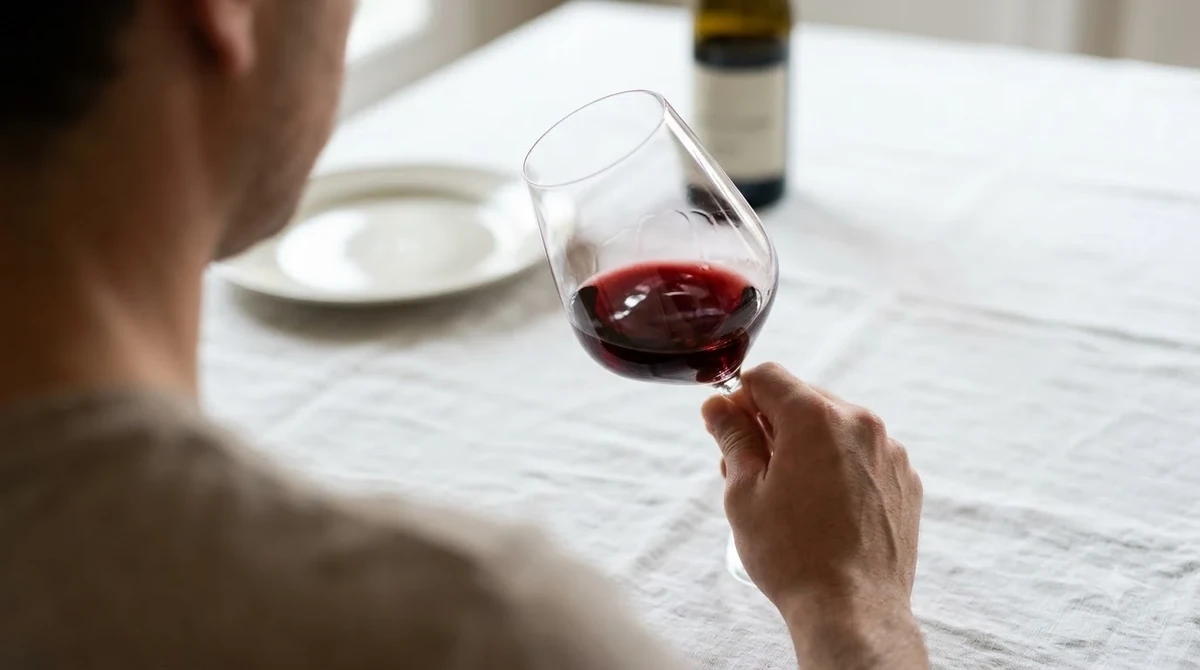
Cut the fruit into small, even pieces so it releases flavor evenly. Soft fruit such as berries and peaches should go in closer to serving, since it can break down and turn the pitcher cloudy if it sits too long. Firmer fruit like apples and oranges can rest in the wine for longer without losing shape.
How much sugar and citrus to use
Sugar is the easiest part of the recipe to overdo. Red wine is naturally dry and can taste sharp or tannic on its own, so a modest amount of sugar softens the edges without making the pitcher syrupy. Orange juice adds sweetness and acidity together, which means you may need less added sugar if you use plenty of it. Many home cooks sweeten gradually, stir, and taste again before adding more.
Fresh lemon or lime juice can brighten a pitcher that tastes flat. A small squeeze added at the end lifts the fruit and wine without changing the overall character of the drink. If the pitcher seems heavy, a splash of sparkling water will lighten the texture and make it more refreshing on a warm afternoon.
Step by step: how to build the pitcher
Building the pitcher in order keeps the flavors balanced and gives the fruit time to infuse. Start with the firmer fruit and sweetener, then add the wine and let everything rest in the refrigerator before finishing with the bubbles or extra fruit.
- Add the chopped firm fruit and sugar or simple syrup to a large pitcher, and stir gently so the sugar begins to dissolve.
- Pour in the orange juice and the dry red wine, then stir until the liquid is evenly mixed.
- Add a small splash of brandy or orange liqueur, adjusting the amount to taste.
- Cover and refrigerate for at least a few hours, so the fruit can soak and the flavors can blend.
- Before serving, add softer fruit and, if you like, a splash of sparkling water. Pour over ice in glasses.
Tips for a balanced pitcher
Taste the pitcher before serving and adjust it as needed. If the drink tastes too sharp, add a little more sugar or orange juice. If it tastes too sweet, a splash of wine or sparkling water will balance it out. Because the fruit keeps releasing flavor, a pitcher can taste different after a few hours, so it is worth checking again before the first round.
Ice is best added to the glass rather than to the whole pitcher. A large batch of ice in the pitcher will dilute the drink too quickly as it sits, while ice in each glass keeps the pitcher strong until the last serving.
Tip: Make the pitcher the day before a party for the best flavor, then add soft fruit and any sparkling water just before guests arrive.
What to serve with sangria
Sangria is naturally paired with light, savory foods. Tapas-style plates such as olives, cured meats, cheeses, and bread work well, since the fruit and acidity cut through richer bites. Grilled vegetables and simple seafood dishes are also good companions, because the drink’s fresh fruit flavors complement them without overpowering the food.
For a sweeter pairing, fresh fruit platters and mild cheeses make an easy match. The pitcher’s fruit and sugar echo the flavors on a dessert plate, so light cakes or fruit tarts can finish the meal well.
Frequently Asked Questions
How long does a sangria pitcher last in the refrigerator?
A sangria pitcher is best within a day or two. The fruit continues to release flavor, and softer fruit can break down over time. Add any sparkling water just before serving, since bubbles fade quickly.
Should sangria be served cold or at room temperature?
Sangria is usually served cold or chilled, according to the Wikipedia article on sangria. Keep the pitcher in the refrigerator until serving, and pour over ice to keep the drink cool.
Can I make sangria with white wine instead of red?
Yes. White-wine sangria is a common version, and it works best with a crisp, dry white. Use lighter fruit such as citrus, apple, or pear to match the wine’s style.
Is sangria the same as punch?
They are similar, but sangria has a specific base of wine and fruit with a Spanish and Portuguese origin. Punch is a broader category that can use many different bases, so sangria is one type of punch rather than the same drink.
If you want a sparkling option for the same kind of gathering, the sparkling sangria recipe adds a lighter finish. For a berry-forward version, the strawberry sangria recipe is a good match. If your group prefers a bubbly, orange-forward drink, the Aperol spritz pitcher recipe is another easy batch option. You can also browse the wine food pairing guide for more serving ideas.
More in Food & Wine Pairing
 Risotto With White Wine Recipe: Make a Creamy Dinner at HomeUpdated Nov 20, 2026
 Wassail With Wine Recipe for a Festive Spiced Holiday DrinkUpdated Nov 20, 2026
 Spritz Veneziano Recipe: Make a Classic Venetian Aperitivo at HomeUpdated Nov 20, 2026
 Summer Wine Punch Recipe for Easy Homemade EntertainingUpdated Nov 20, 2026
 Bishop Recipe: How to Make a Bright, Citrus-Forward Red Wine CocktailUpdated Nov 20, 2026
 Wine Cupcakes Recipe: Bake Rich Chocolate Cupcakes at HomeUpdated Nov 20, 2026