

We may earn a commission when you buy through links on this page, at no extra cost to you. Learn more.
Where does champagne come from? Champagne comes from the Champagne wine region in northeastern France, and only sparkling wine made there under the appellation rules can use the name. The region’s cool climate suits the grapes used to make it, and the wine gets its bubbles from a second fermentation inside the bottle. Understanding that origin explains both its taste and its price.
Many people use “champagne” for any bubbly wine, but the word has a specific meaning. It names a protected wine from one French region, made by one method and from a short list of approved grapes. This guide covers where Champagne comes from, which grapes go into it, how the bubbles form, and why the region matters so much to the final bottle.
Where the Champagne region is
Champagne is a French sparkling wine from the Champagne wine region in northeastern France. The region has a cool growing climate, and cool conditions help grapes keep their acidity. That acidity is one reason Champagne tastes crisp even when the wine is rich.
The name comes from the historic province of Champagne. Producers in the region manage a large vineyard area, which one reference source puts at about 32,000 hectares. Only wine grown and made within the appellation can carry the Champagne name, so a sparkling wine from a different region must use a different label, even if it is made by the same method.
Grapes used in Champagne
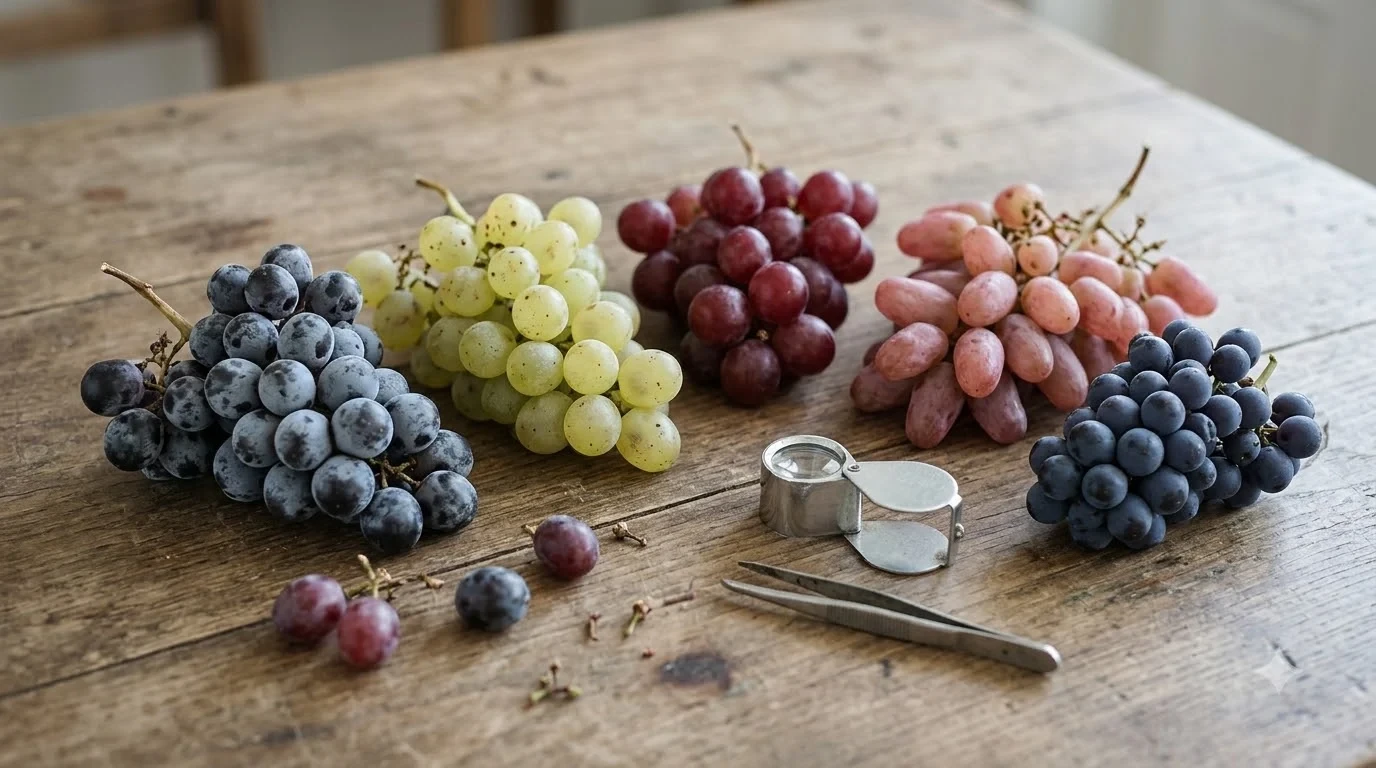
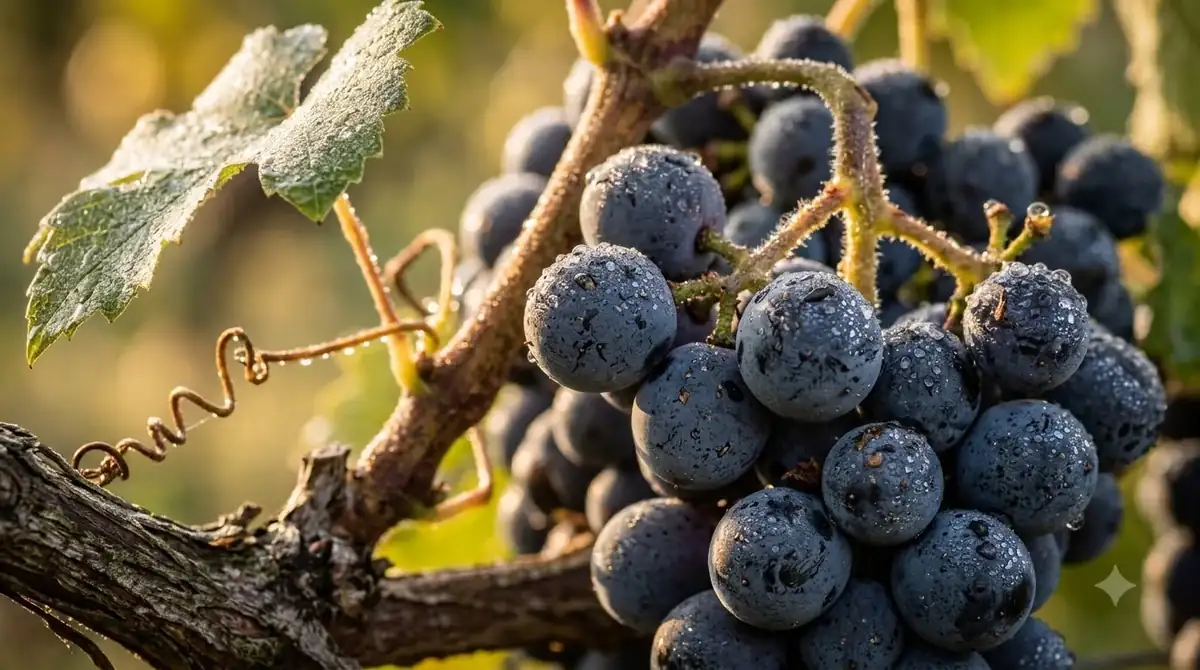
Three grapes make up nearly all Champagne: Pinot noir, Pinot meunier and Chardonnay. Pinot noir and Pinot meunier are red-wine grapes, but they are pressed gently so the juice stays nearly colorless. Chardonnay is a white grape and adds lightness and citrus notes. Blending them lets a producer balance body, fruit and freshness in one bottle.
The blend also creates two named styles. A blanc de blancs is made only from white grapes, which usually gives a leaner, more citrusy bottle. A blanc de noirs is made only from red grapes, which tends to give more body and red-fruit notes. Most bottles fall between the two, because most producers blend the grapes to build a consistent house style from year to year.
Grape choice also affects how a bottle ages. Wines built on more Pinot noir and Pinot meunier often show more richness with time, while a higher share of Chardonnay tends to stay fresh and taut. Tasting the bottle, rather than reading the grape list alone, is the best way to learn which style you enjoy.
The appellation rules allow seven varieties in total. The others are Arbane, Petit Meslier, Pinot blanc and Pinot gris, and the first three are rarely planted. For most bottles, the blend you taste comes down to the three main grapes and the producer’s choices about how to combine them.
How the bubbles are made
Champagne is made with the traditional method, in which a second alcoholic fermentation happens inside the bottle. This is why the method used to be called méthode champenoise. VinePair’s guide to sparkling wines explains that the process requires the secondary fermentation to happen inside the bottle. Yeast and a small amount of sugar are added to a finished base wine, the bottle is sealed, and the yeast produces carbon dioxide that stays dissolved in the wine until the cork is removed.
After that second fermentation, the wine ages on its lees, which are the spent yeast cells. This contact adds flavors of brioche and toasted nuts and gives the wine a creamy texture. The bottles are then riddled, a process that gathers the lees into the neck, and the neck is frozen and removed in a step called disgorgement before the final dosage is added. Those steps are slow and labor-intensive, which is one reason the wine costs more than many other sparkling styles.
| Stage | What happens | Effect on the wine |
|---|---|---|
| Base wine | Grapes are pressed and fermented into a still wine | Sets the acidity and fruit base |
| Second fermentation | Yeast and sugar are added, and fermentation happens in the sealed bottle | Creates the bubbles |
| Aging on lees | The wine rests with spent yeast cells | Adds brioche and nutty notes, and a creamy feel |
| Riddling and disgorgement | Lees are collected and removed from the neck | Leaves a clear wine |
Why the region matters
The Champagne name is protected, and the rules that define it are more than a marketing label. Only wine grown in the appellation area and made under its rules can use the name. One reference source notes that the appellation calls for a minimum of fifteen months for the wine to develop its full flavor, which is a reminder that the rules shape the taste as well as the label.
When you read a label, the producer’s name, the word “Champagne” and the vintage or non-vintage designation tell you more about the bottle than the grape count alone. A non-vintage bottle is a blend across several years, while a vintage bottle comes from one harvest.
The region also explains a lot about how Champagne is priced and sold. The traditional method takes time and labor at every stage. When you see a bottle from another place made the same way, you are tasting a sparkling wine that shares a method but not the region’s grapes, soils or rules.
How to enjoy Champagne at home
Champagne is more flexible at the table than many people expect. Its acidity and bubbles make it a good partner for fried foods, salty snacks and rich dishes that need a crisp cut. Lighter styles suit seafood and fresh salads, and richer, aged bottles can handle roast poultry and creamy sauces. The same bottle can work at the start of a meal or with dessert, depending on how sweet the style is.
Serving Champagne well starts with keeping it cold and keeping the bubbles in the glass. A chilled bottle is less likely to foam when opened, and a flute helps preserve the fizz. If you open a bottle and want to save the rest, how to keep champagne bubbly covers the storage details.
Temperature matters too. Serving the wine cold brings out the crisp acidity, while letting it warm a little shows more of the bread and fruit notes. If you need to cool a bottle quickly, how to chill champagne quickly lists the faster options.
Tip: Look for the term “Champagne” on the label to confirm the region. Other sparkling wines use terms such as Prosecco or Cava, which come from different places and rules.
Frequently Asked Questions
Where does champagne come from?
Champagne comes from the Champagne wine region in northeastern France. Only sparkling wine made in that appellation, under its rules, can be called Champagne.
Which grapes are used to make champagne?
Pinot noir, Pinot meunier and Chardonnay make up nearly all Champagne. The appellation allows seven varieties in total, and three of the minor ones are rarely planted.
How does champagne get its bubbles?
A second fermentation happens inside the sealed bottle, using added yeast and sugar. The carbon dioxide stays dissolved in the wine until the bottle is opened.
Is all sparkling wine champagne?
No. Champagne is a protected name for one region. Sparkling wines from other places may use the same method, but they cannot be labeled Champagne.
Champagne is easier to understand once you know where it comes from. The region’s climate, grapes and traditional method all shape the glass you pour. To learn more about the bottle itself, return to our Wine Q&A section or check how long wine takes to ferment in general.
More in Wine Basics
 Which Rose Is Best for Your Taste, Budget, and Food PairingsUpdated Nov 21, 2026
 Is Cheap Wine Bad? How to Find Bottles Worth DrinkingUpdated Nov 21, 2026
 What To Write On A Wine Gift Tag: Thoughtful Messages For Every OccasionUpdated Nov 21, 2026
 Which Wine Is Best For Weight Loss? Compare Lower-Calorie ChoicesUpdated Nov 21, 2026
 What Is The Best Wine For Mimosas? Choose Bubbly That Balances Orange JuiceUpdated Nov 20, 2026
 Which Prosecco Is Best for Your Taste and OccasionUpdated Nov 20, 2026