

We may earn a commission when you buy through links on this page, at no extra cost to you. Learn more.
What is Petite Sirah? It is a dark, full-bodied red grape that is related to Syrah and is best known in California, where it makes bold wines with high tannins. In France the grape is called Durif, and it is rare outside California. The wines are dry, deeply colored and built for long aging, with blueberry, dark chocolate and black pepper notes.
This guide explains what Petite Sirah is, where it comes from, what it tastes like, and how to serve and pair it. If you have seen the name on a shelf and wondered whether it is the same as Syrah, the short answer is that the two are related but not identical in the glass.
Where Petite Sirah comes from
Petite Sirah is related to Syrah and to the rare French grape Peloursin. The French name for the grape is Durif, and it is rarely planted outside California, which is the main home of the variety in the United States. That limited footprint makes Petite Sirah a regional specialty rather than a global commodity.
The grape’s reputation grew with California winemaking through the twentieth century, when producers valued its color and structure for blending and for standalone bottlings. Its thick skins help the wine hold deep color, which is one reason the grape is so easy to recognize in a glass.
California growers have used the grape for many years in warm inland vineyards, where it ripens fully and keeps its acidity under sun. The wines that result are often labeled simply as Petite Sirah, and the name on the bottle is the clearest way to know you are buying the grape rather than Syrah.
Flavor and structure
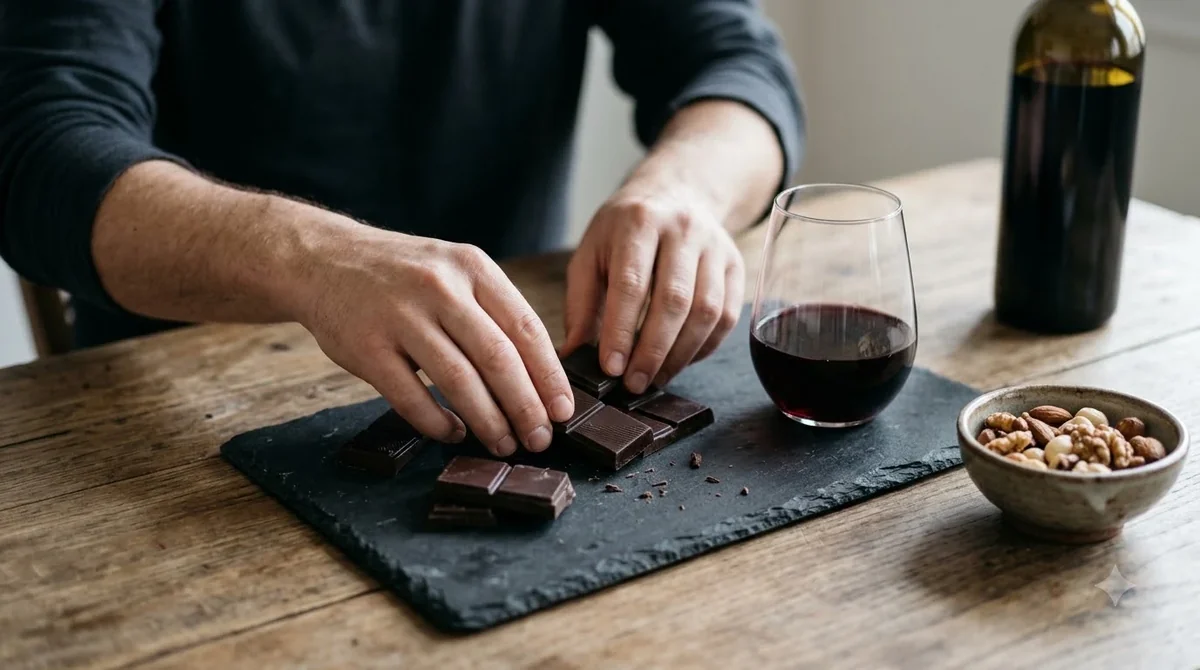
Petite Sirah is dry, full-bodied and high in tannins, with medium acidity. Its flavors often include sugarplum, blueberry and dark chocolate, with black pepper and black tea in the background. The color is deep and inky, which is why the wine is sometimes described as one of the darkest reds in the cellar.
The alcohol is high as well, often above 15 percent. That warmth and the firm tannins give the wine its weight, so it tastes big even when the fruit is concentrated. Some drinkers find the grip intimidating at first, but the structure is what allows the wine to age and to stand up to rich food.
| Feature | Petite Sirah | Syrah |
|---|---|---|
| Body | Very full and dense | Full, but often lighter than Petite Sirah |
| Tannins | High, firm and grippy | Firm, with more varied texture |
| Typical flavors | Blueberry, dark chocolate, black pepper | Dark fruit, black pepper, smoke, savory notes |
| Main home | California | France, Australia and many other regions |
Petite Sirah and Syrah: the difference
The two grapes are close relatives, so they share some traits. Both can show dark fruit and peppery spice, and both can age well. The difference is mainly in the style. Petite Sirah tends to be denser and more tannic, while Syrah from cooler regions can be more savory and more floral.
Because the grapes are different, the label matters. A bottle labeled Petite Sirah is made from that grape, and one labeled Syrah is not. Some shops and producers blend the two, so reading the back label for the grape list is the reliable way to know what is inside.
How to serve Petite Sirah
Serve Petite Sirah at about 15 to 20 degrees Celsius, which is roughly 60 to 68 degrees Fahrenheit. That range keeps the fruit lively and stops the alcohol from feeling hot on the finish. A bottle that sits too warm can taste heavy and blurred, so a short time in the refrigerator before pouring is often helpful.
Once opened, the wine keeps reasonably well for a day or two with the cork replaced and the bottle stored in a cool place, though the fruit will fade over time. Recork it tightly and avoid leaving it near heat.
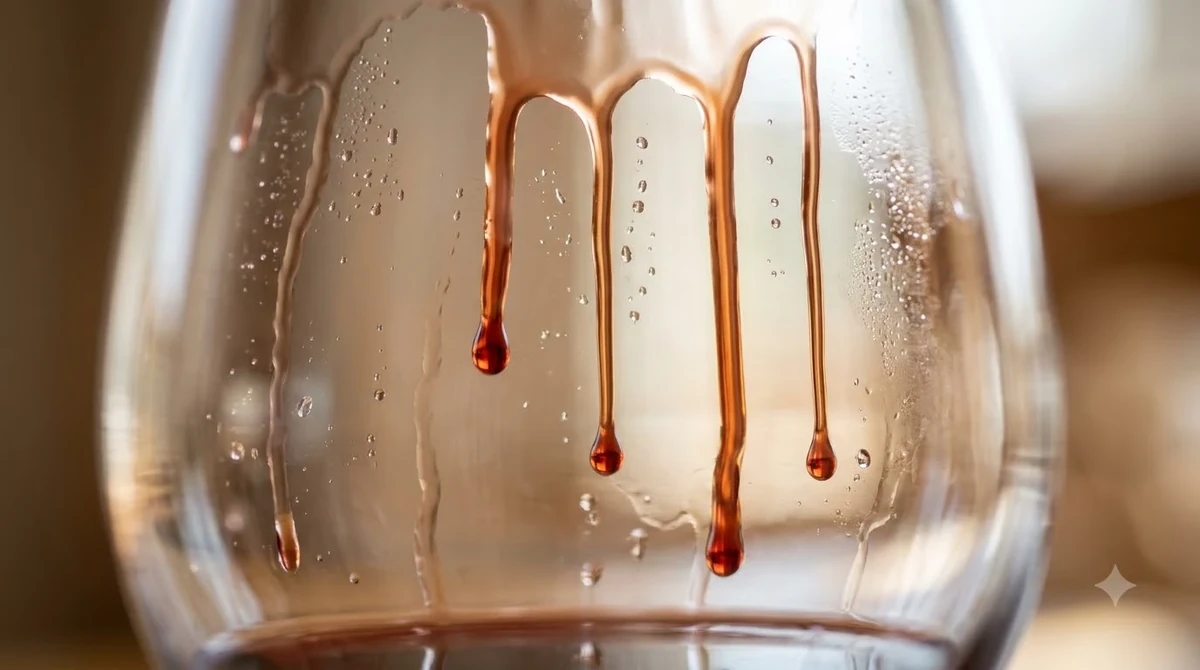
Decanting a young bottle gives the tannins time to soften and lets the fruit open. An hour in the decanter is a reasonable starting point for a young wine, and older bottles need less time to avoid losing their character. Use a large red wine glass so the aromas have room to develop.
Tip: If a Petite Sirah tastes harsh, give it more time in the glass or pair it with food. The tannins usually feel smoother once the wine has aired and the meal has started.
Food pairing with Petite Sirah
Petite Sirah needs food with fat and flavor. Grilled steak, barbecue ribs, lamb chops and hearty stews all match its tannins and dark fruit. Aged cheeses such as cheddar or aged Gouda suit the wine as well, and a dish with black pepper or smoked paprika echoes its spice.
Cooking with the wine works just as well. A splash in a braising liquid for short ribs or a pan sauce for steak brings the dark fruit and pepper into the dish. Use a bottle you would also drink with the meal, since the flavor carries through the cooking.
Vegetarian meals can also suit the wine if they are hearty. Grilled portobello mushrooms, roasted root vegetables with herbs and bean stews with smoked spices all bring out the wine’s savory side and balance its firm tannins.
Avoid pairing it with delicate fish or light salads, which the wine will overpower. A mushroom risotto or a rich tomato sauce can work well, since their savory notes bring out the wine’s depth without making it feel too heavy.
Buying Petite Sirah: what to check
Look for the grape name and the vineyard or region on the label. California appellations such as Lodi or Paso Robles are common sources, but the producer’s description tells you more about style. Vintage matters too, because a warm year can produce a riper, more concentrated wine than a cooler one.
Many Petite Sirah labels also mention the vineyard site or the blend. Some bottles are single-varietal, while others mix in a small share of Zinfandel or another red to soften the structure. Both styles can be good, but the label is the place to check which one you are buying.
Price varies widely. A young bottle can be enjoyable on release, while a well-made Petite Sirah from a good vintage can improve with a few years in the cellar. If you are new to the grape, start with a younger bottle from a producer whose notes match what you like.
Frequently Asked Questions
Is Petite Sirah the same as Syrah?
No. The grapes are related, and both can show dark fruit and pepper, but Petite Sirah is usually denser and more tannic. The label should name the grape you are buying.
Where is Petite Sirah grown?
It is most closely associated with California, where it is widely planted. In France the grape is called Durif, and it is rare outside California.
What does Petite Sirah taste like?
Expect dark fruit such as blueberry and sugarplum, along with dark chocolate, black pepper and black tea. The wine is dry, full-bodied and firmly tannic.
Should Petite Sirah be decanted?
Young bottles often benefit from decanting or a long time in the glass to soften the tannins. Older bottles need less air, so check the wine before deciding how long to open it.
Petite Sirah is a bold red that rewards patience and a good meal. To compare it with other dark reds, browse Wine by Type, or read about bobal wine, a different red from another tradition. For the grape’s history and serving details, the Wine Folly guide to Petite Sirah covers the flavor profile and the French name Durif.
More in Wine Types & Grapes
 Zinfandel Sugar Content: Dry Red vs. White Zinfandel GramsUpdated Nov 21, 2026
 Best Zinfandel Substitute Options for Sipping and CookingUpdated Nov 21, 2026
 Zweigelt Food Pairing: Best Dishes, Cheeses, and Serving TipsUpdated Nov 21, 2026
 Zinfandel Tannins Explained: How Structure Shapes Every BottleUpdated Nov 21, 2026
 Zinfandel Sweetness Level: Dry Red vs. Sweet White Zin ExplainedUpdated Nov 21, 2026
 Xinomavro Food Pairing: Best Dishes, Styles, and Serving TipsUpdated Nov 21, 2026