

We may earn a commission when you buy through links on this page, at no extra cost to you. Learn more.
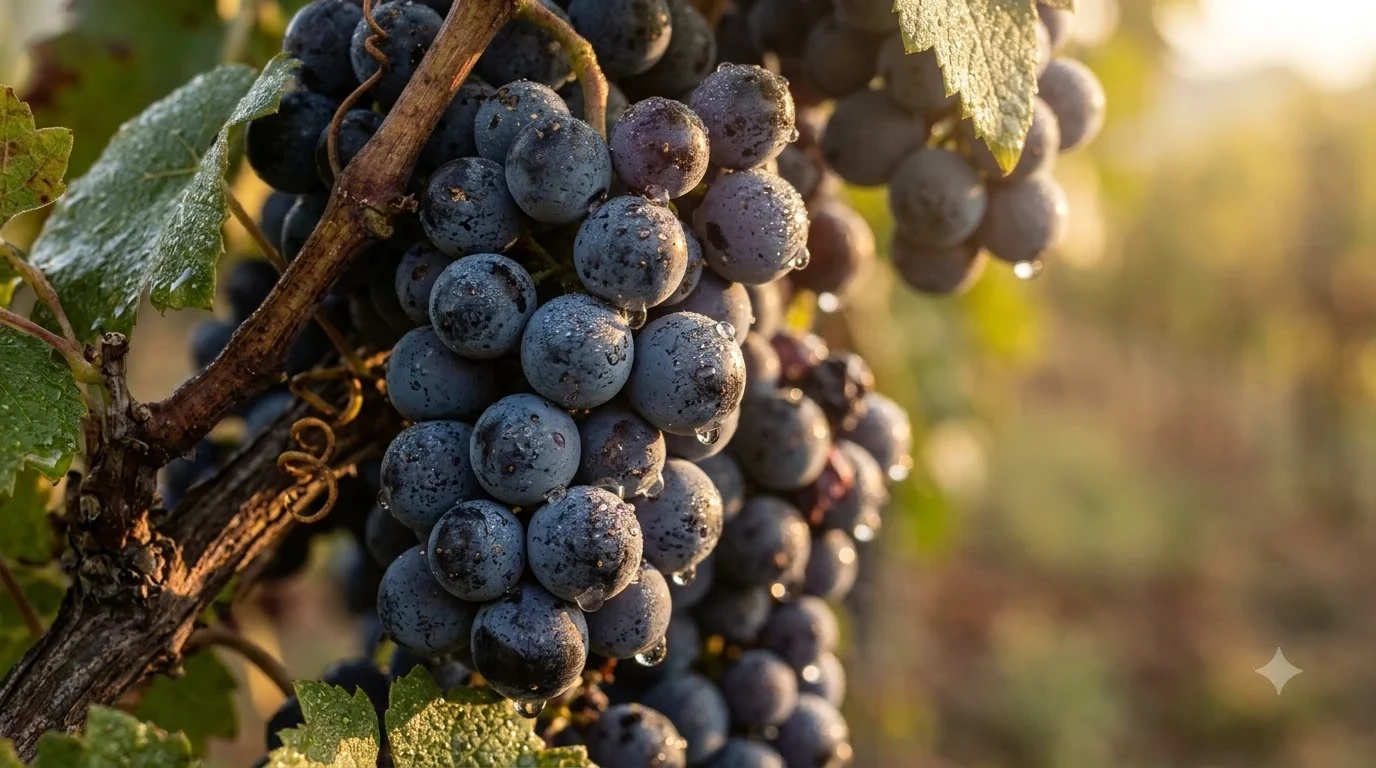
Elgin wine usually means wine made from grapes grown around Elgin, Arizona, a small town in the Sonoita wine region of the state’s southeast. The vineyards sit at roughly 4,500 to 5,000 feet, which makes the climate cooler and wetter than the desert floor below. Reds such as Syrah, Merlot and Cabernet Sauvignon are the region’s best-known styles, with Mediterranean and Italian varieties also planted.
If you have seen the name Elgin on a bottle or a wine list and wondered what sets it apart, this guide covers the place, the altitude, the grapes that grow there, and how to serve and pair these wines at home.
What Elgin Wine Is and Where It Comes From
Elgin is a small town in southeastern Arizona at about 4,728 feet above sea level. It sits inside of the Sonoita American Viticultural Area, the state’s first federally recognized appellation, which the Bureau of Alcohol, Tobacco and Firearms approved on October 25, 1984. The Sonoita AVA covers about 208,000 acres in the southernmost part of Santa Cruz County and extends into Cochise and Pima counties. Only a small share of that land is planted. Wikipedia’s entry on the appellation lists 229 acres under vine, spread across 18 vineyards and 22 wineries.
Because Elgin is a town rather than a formal appellation, you will often see the wines labeled with the Sonoita name. Read the label carefully: a bottle marked Sonoita is from the wider AVA, while a bottle that names Elgin on the front usually points to a producer located in the town itself.
Elevation and Climate
Altitude is the main reason this area grows wine at all. Arizona’s lowlands are hot and dry, but the vineyards here sit high enough that nights stay cool. The appellation’s growing season runs about 200 days, and the region records a heat summation of 4,918 growing degree days. Most of the 20 inches of annual rain falls between July and September, when monsoon storms roll in.
That monsoon season brings its own challenges. Growers deal with hail, lightning and severe winter cold, and the wet summer can push up disease pressure. The same altitude that keeps the days from running too hot also tends to keep acidity high, which helps the wines feel fresh.
| Factor | Elgin and Sonoita area | Why it matters |
|---|---|---|
| Vineyard elevation | 4,500 to 5,000 feet | Cooler nights keep acidity high |
| Growing season | About 200 days | Long enough for late-ripening reds |
| Annual rainfall | About 20 inches, mostly July to September | Monsoon storms bring disease risk |
| Must acidity | 0.7 to 1.0 g/100 ml | Gives the wines a fresh, lively edge |
| Must pH | 3.1 to 3.6 | Helps produce deeply colored reds |
Grape Varieties and Wine Styles
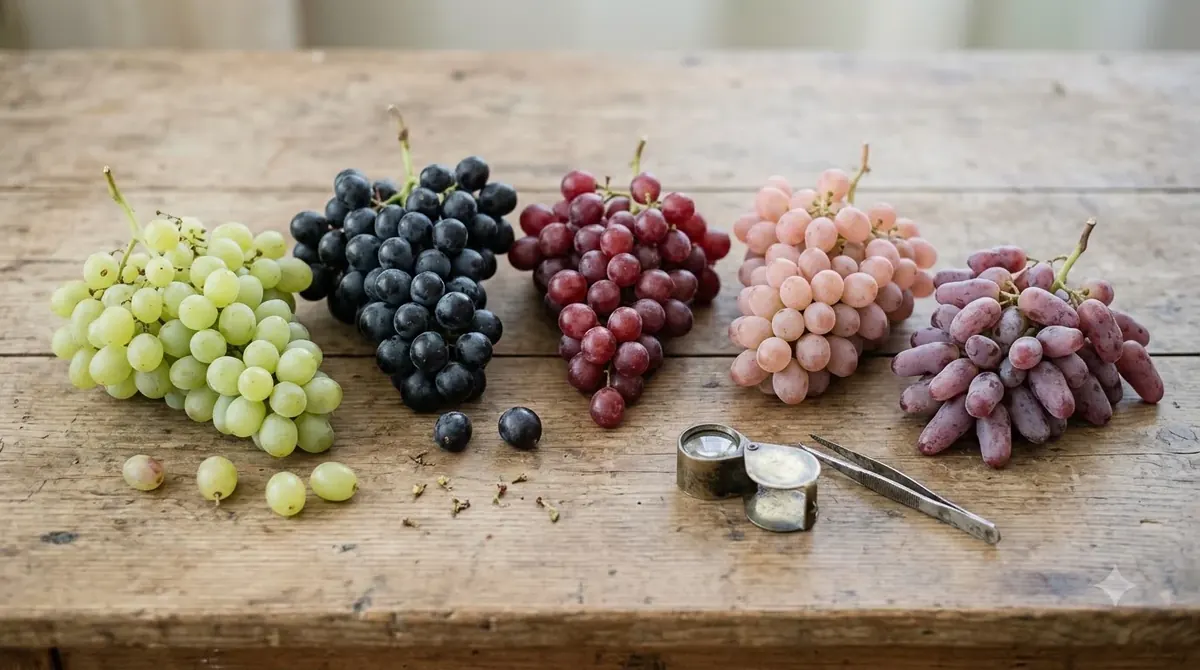
The Sonoita region grows about two dozen grape varieties. The most common include Cabernet Sauvignon, Merlot, Pinot Noir, Syrah, Sangiovese, Tempranillo, Sauvignon Blanc and Chardonnay. Sonoita Vineyards, the best-known producer in Elgin, also grows Mission, Petite Sirah and Tannat on its own estate.
Blends are also part of the local picture. A producer may combine a Mediterranean variety with a more familiar one to balance fruit and structure, and the label will usually list the components. Reading the blend line is a useful habit, because it tells you how much of a wine’s character comes from a single grape and how much comes from the winemaker’s choices.
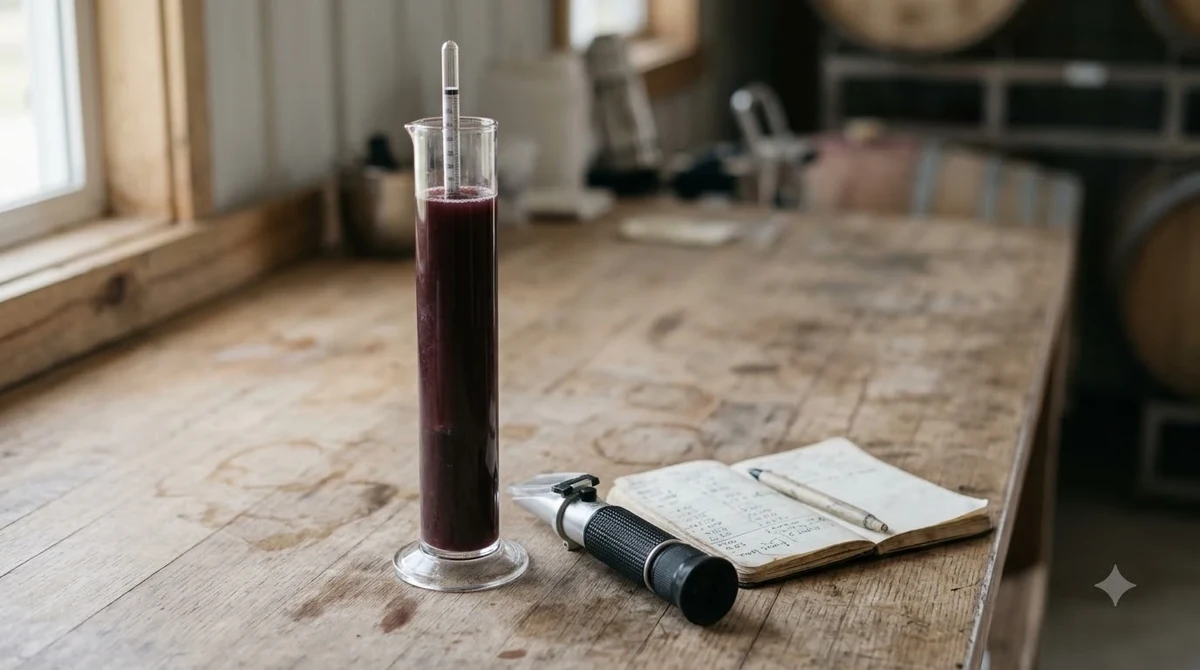
The region’s own description stresses high acidity and deeply colored reds, since the must measurements show moderate to high acidity and a pH between 3.1 and 3.6. Sauvignon Blanc and Chardonnay are the usual white choices, and they tend to show the same bright freshness that the altitude encourages. Individual vineyards will vary, so tasting a few bottles from different producers is the simplest way to learn the local style.
Notable Producers in Elgin
The best-documented producer is Sonoita Vineyards. Its winery site describes the operation as the oldest commercial vineyard and winery in Arizona, sitting at about 5,000 feet on grassland in Elgin, with more than 30 acres of vines. The winery was started in 1974 and opened to the public in 1983, according to the Sonoita Vineyards website. Its history began with the soil scientist Gordon Dutt, who is credited with planting one of the state’s first commercial vineyards in the late 1970s.
Visitors should expect a small-scale scene rather than large wine brands. The Sonoita AVA’s 22 wineries are spread across a large area, and the wines are most easily found at the tasting rooms themselves, so plan your visit around the producers you want to try.
How to Serve and Pair Elgin Wines
Serving temperature depends on style. For a full-bodied red such as Cabernet Sauvignon, Wine Folly suggests a range of 60 to 68 degrees Fahrenheit, and it recommends decanting for about an hour so the tannins soften and the aromas open up. The same reference treats the richer reds as a sign that they need a little air, so an Elgin red opened straight from a cold cellar may taste tight at first.
Food pairing follows the same logic. Wine Folly notes that Cabernet Sauvignon’s rich flavor and high tannins suit grilled meats, peppery sauces and boldly flavored dishes. The fresh acidity of the whites is a good match for lighter fare, and the higher-acid reds can work with tomato-based dishes that would overwhelm a softer wine.
Tip: If a red from this region tastes tight when first opened, give it 30 to 60 minutes in a decanter or a wide glass before judging it.
How to Choose and Buy an Elgin Wine
Start by deciding whether you want a fresh, high-acid white or a firmer, fuller red. For reds, Cabernet Sauvignon and Syrah are widely planted varieties to compare across producers. For whites, Sauvignon Blanc is a sensible place to begin, since it reflects the acidity the altitude produces. If you are comparing this region with another, the cool-climate reds of Anderson Valley wine offer a useful contrast, while the warm, dry style of Alentejo wine in Portugal shows how a hot region can still make balanced bottles.
Storage deserves a moment of thought. Arizona summers are hot, and a bottle left in a car or on a sunny porch can lose freshness quickly. Buy with the trip home in mind, keep bottles in a cool, dark place, and drink young whites and rosés sooner rather than later. Reds with firm tannins generally handle a few years of cellaring better, but the wine that tastes best is usually the one you open when it is fresh and the producer’s label suggests it is ready.
Buying in person is often the best route, because small producers may not distribute widely. If you are planning a trip, an overview of the other growing regions on our Wine Regions hub can help you plan a route and compare styles before you arrive.
Frequently Asked Questions
Is Elgin wine the same as Sonoita wine?
Not exactly. Sonoita is the formal American Viticultural Area, covering a large part of southeastern Arizona. Elgin is a town inside that area, and many local producers are located there. Bottles from Elgin are generally made from Sonoita-area grapes.
What grapes are grown for Elgin wine?
The region grows about two dozen varieties. Common ones include Cabernet Sauvignon, Merlot, Pinot Noir, Syrah, Sangiovese, Tempranillo, Sauvignon Blanc and Chardonnay. Some producers also grow Mission, Petite Sirah and Tannat.
Why does altitude matter for wine in Elgin?
The vineyards sit between about 4,500 and 5,000 feet. That height keeps nights cooler than the desert lowlands, which helps the grapes hold acidity and develop flavor at a steady pace.
Can I visit wineries in Elgin?
Yes. Several producers operate tasting rooms in and around Elgin, and the town is about an hour southeast of Tucson. Check opening hours before you travel, since small wineries often keep limited schedules.
Elgin wine is a small, high-altitude story with a lot of character. Start with a Syrah or a Sauvignon Blanc, serve the reds a little cool, and give them time to open. Once you have a bottle you like, the wider list of wine regions is a good next step.
More in Wine Regions
 Willcox Wine Trail: Discover Arizona’s High-Elevation Wine CountryUpdated Nov 20, 2026
 Yakima Valley Wine Region: Find the Best Styles to TryUpdated Nov 20, 2026
 Vosne Romanee Wine Tasting: Identify Aromas and Choose Better PairingsUpdated Nov 20, 2026
 Yakima Valley Wine Festival: Find the Best Seasonal Wine EventsUpdated Nov 20, 2026
 Wales Vineyards: Discover Cool-Climate Wines and Where to VisitUpdated Nov 20, 2026
 Yountville Wine Festival: Discover Napa Wines and Local FoodUpdated Nov 20, 2026