

We may earn a commission when you buy through links on this page, at no extra cost to you. Learn more.
How to serve port comes down to pouring it slightly cool, in a small tulip-shaped glass filled about a third of the way, alongside cheese, dessert, or on its own. Ruby and tawny styles need different handling, and most bottles are better when they are not left open for weeks. The basics below cover temperature, glassware, decanting, and how long an opened bottle keeps.
Port is a fortified wine from the Douro Valley in northern Portugal. Its sweetness and higher alcohol make it a different drinking experience from a dry table wine, and that changes how it should be served. Getting the temperature and glass right makes a noticeable difference, especially with vintage and aged tawny styles where the aromas are delicate.
Start With the Right Style
How you serve port depends on which style is in your glass. Ruby ports are young, fruity, and bold, and they are the easiest to open and pour. Tawny ports spend years in wood, so they taste nutty and caramelized. Vintage ports are bottled young and need time to settle, so they are often decanted. Late bottled vintage, or LBV, sits in between, and most LBVs are ready to pour without much fuss.
Knowing the style first saves you from treating every bottle the same. A ruby port that has been open for a month will taste flat, while a tawny can last much longer after opening because it has already been exposed to air during its years in barrel.
Serving Temperature
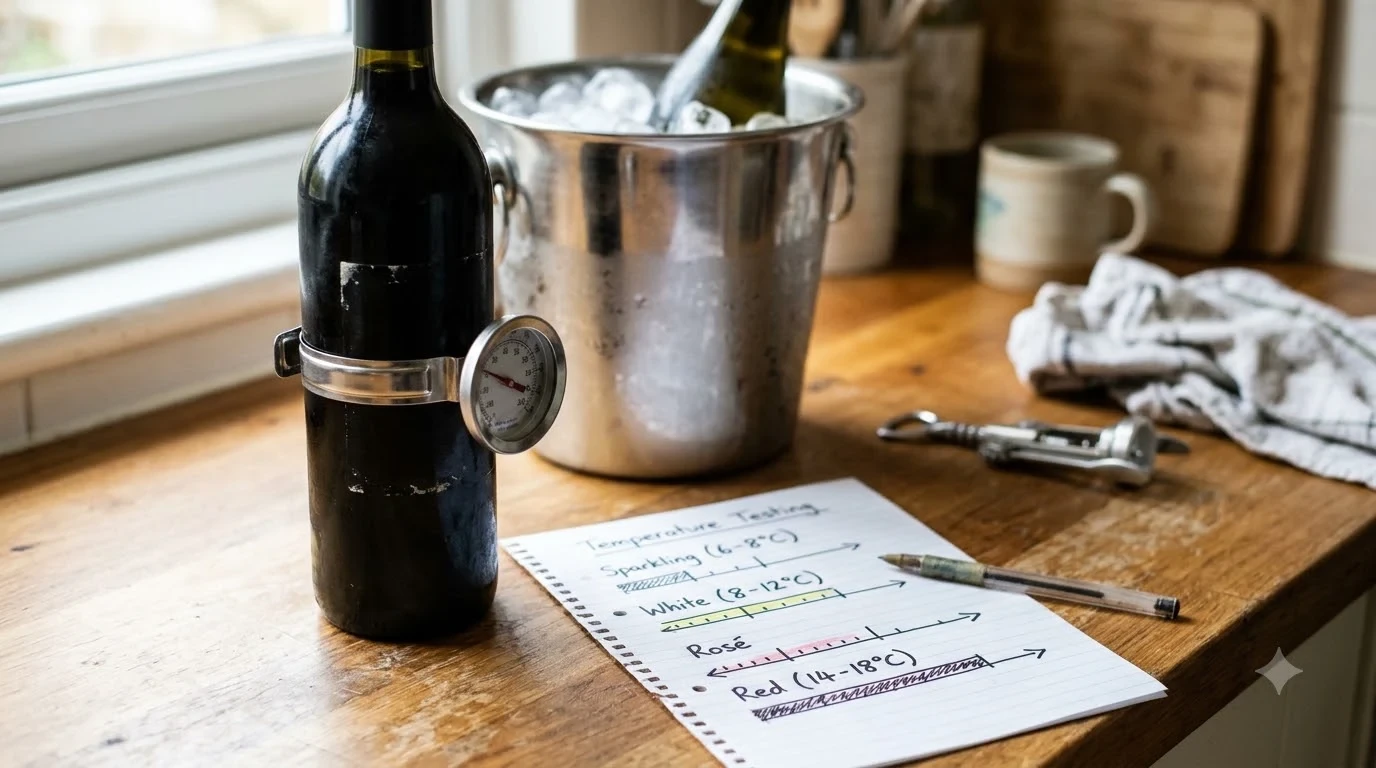
Port is usually served a little cooler than room temperature. Serving it too warm makes the alcohol stand out and hides the fruit. Serving it too cold mutes the sweetness and the aromas. A short time in the refrigerator before pouring is usually enough, especially on a warm evening. Tawny styles can be served slightly cooler than ruby, and white port is most often served chilled as an aperitif.
For general guidance on how temperature changes the way wine tastes, the VinePair guide to serving temperatures is a useful reference. It covers how fuller red wines show their best when they are cooler than many people assume, and the same principle applies to the way you handle fortified wines.
| Port style | Typical serving approach | Best with |
|---|---|---|
| Ruby | Slightly cool, straight from the fridge for a short time | Dark chocolate, berry desserts |
| Tawny (10, 20, 30 year) | Slightly cool, served in a small glass | Nuts, crème brûlée, aged cheese |
| Late bottled vintage | Slightly cool, poured like a ruby | Blue cheese, fruit tarts |
| Vintage | Decanted, then poured at a slightly cool temperature | Roast game, hard cheese, walnut cake |
| White | Chilled, served as an aperitif | Ice, tonic, or a light appetizer |
Choosing the Right Glass
A small tulip-shaped glass is the classic choice for port. The bowl is narrow enough to concentrate the aromas, and the small size keeps you from filling it to the brim. Pour about two or three ounces, which is enough for a sip and a second look at the color. A standard large red wine glass works too, but it tends to let the aromas escape and encourages larger pours than the wine needs.
Many people also serve port in a cordial or a small sherry-style glass, which is common in Portugal for tawny styles. The shape matters less than keeping the pour modest. Port is strong and rich, and a small amount goes a long way.
When and How to Decant
Decanting is most useful for vintage port, which can throw a heavy sediment after years in the bottle. Stand the bottle upright for a day so the sediment sinks, then pour slowly into a decanter while holding the bottle up to a light or candle so you can see the sediment reach the neck. Stop pouring when the sediment arrives. Ruby and tawny ports rarely form sediment, so they can be poured straight from the bottle.
The general rule that most wine should be decanted for air applies loosely here too. A short decant can soften a young, tight vintage, but port already carries a lot of body, so an hour or two is usually plenty. The VinePair decanting guide makes the point that decanting exposes wine to oxygen, which can soften it and round out its flavors, so it is a practical step rather than a ritual.
How Long an Opened Bottle Keeps
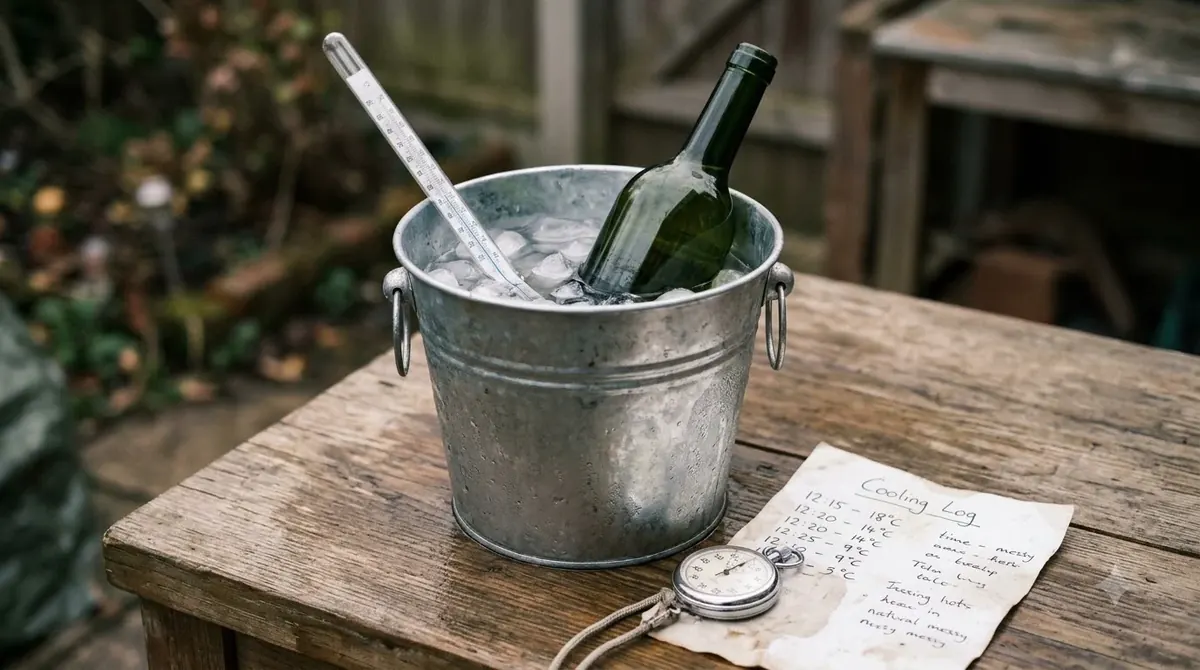
Once a bottle of port is opened, the fortified alcohol protects it better than it would protect a table wine, but air still changes the flavor over time. Ruby and LBV ports are best finished within a few weeks. Keep the bottle corked and stored upright in a cool place, or in the refrigerator if it will be a while before you finish it. Tawny ports are more forgiving because their oxidized character is already part of the style, and a bottle can stay pleasant for a month or more.
Vintage port is the exception to the rule. Once decanted, it should be finished within a day or two, because the sediment-free wine loses its fresh fruit quickly once it has been exposed to air.
Food Pairings That Suit Port
Port pairs well with foods that match its sweetness or contrast with it. Blue cheese and aged hard cheese are the classic partners, and ruby port with a square of dark chocolate is a simple match that works every time. Tawny ports go well with nut desserts, caramel, and crème brûlée. Vintage port is a traditional companion to walnuts and roast meats with rich sauces, while white port with tonic and a twist of lemon makes a light start to an evening.
Pair the sweetness of the port with food that is equally rich, and avoid very delicate dishes, which the wine will overpower. For a closer look at specific dishes, see our guide on port with chocolate, which covers the styles that work best with cocoa-heavy desserts.
Serving Port at a Gathering
Port has a long tradition as an after-dinner wine, and it is often passed around the table rather than poured for each guest in turn. Keep the decanter or bottle moving in one direction, usually to the left, and let each person pour a small amount for themselves. This keeps the sediment-free portion of a vintage bottle in the decanter and gives everyone a chance to taste the wine at the same time.
If you are serving several styles, start with the lightest and finish with the richest. A white or ruby port makes a good opening, followed by a tawny, and a vintage bottle is best saved for the end of the evening when people are ready for something intense. Water glasses and a small plate of nuts or cheese on the table help guests pace themselves, since port is strong enough that a few small pours make a full evening.
For a casual setting, a bottle of ruby or LBV with a few squares of dark chocolate is an easy way to introduce port to someone new. The sweetness is familiar, and the chocolate softens the alcohol so the fruit comes through.
Frequently Asked Questions
Should you serve port chilled or at room temperature?
Port is best served slightly cool rather than at room temperature. A short time in the refrigerator before pouring keeps the alcohol from dominating and lets the fruit and sweetness show clearly. Warm port can taste hot and heavy.
What glass is best for serving port?
A small tulip-shaped glass or a sherry-style glass is ideal. The narrow bowl holds the aromas, and the small size keeps pours modest, which suits a strong, sweet wine.
Does all port need to be decanted?
No. Vintage port often needs decanting to remove sediment, but ruby, tawny, and most LBV ports can be poured straight from the bottle. Decanting for air is optional and only really matters for young, tight wines.
How long does port last after you open it?
Ruby and LBV ports are best within a few weeks of opening when stored corked and cool. Tawny ports keep longer because they are already oxidized in style. Decanted vintage port should be finished within a day or two.
Serving port well is mostly about temperature, a small glass, and matching the bottle to the moment. If you are new to fortified wines, start with a ruby or tawny and build from there. For more background on the wine itself, the guide to ruby port explains the differences between the main styles in more detail.
More in Wine Types & Grapes
 Zinfandel Sugar Content: Dry Red vs. White Zinfandel GramsUpdated Nov 21, 2026
 Best Zinfandel Substitute Options for Sipping and CookingUpdated Nov 21, 2026
 Zweigelt Food Pairing: Best Dishes, Cheeses, and Serving TipsUpdated Nov 21, 2026
 Zinfandel Tannins Explained: How Structure Shapes Every BottleUpdated Nov 21, 2026
 Zinfandel Sweetness Level: Dry Red vs. Sweet White Zin ExplainedUpdated Nov 21, 2026
 Xinomavro Food Pairing: Best Dishes, Styles, and Serving TipsUpdated Nov 21, 2026