

We may earn a commission when you buy through links on this page, at no extra cost to you. Learn more.
The best double wall wine chiller for most tables is a vacuum-insulated stainless steel cylinder, which traps an airless barrier between two metal walls to keep a pre-chilled bottle cold for hours without ice or condensation. If you want to drop the bottle temperature rather than just hold it steady, a double wall vessel with removable freezer inserts gives you active cooling without watered-down labels. For quick dinner parties where you need a lightweight tabletop sleeve, double-walled acrylic works well, while wider double-walled ice buckets suit sparkling bottles and multi-bottle entertaining.
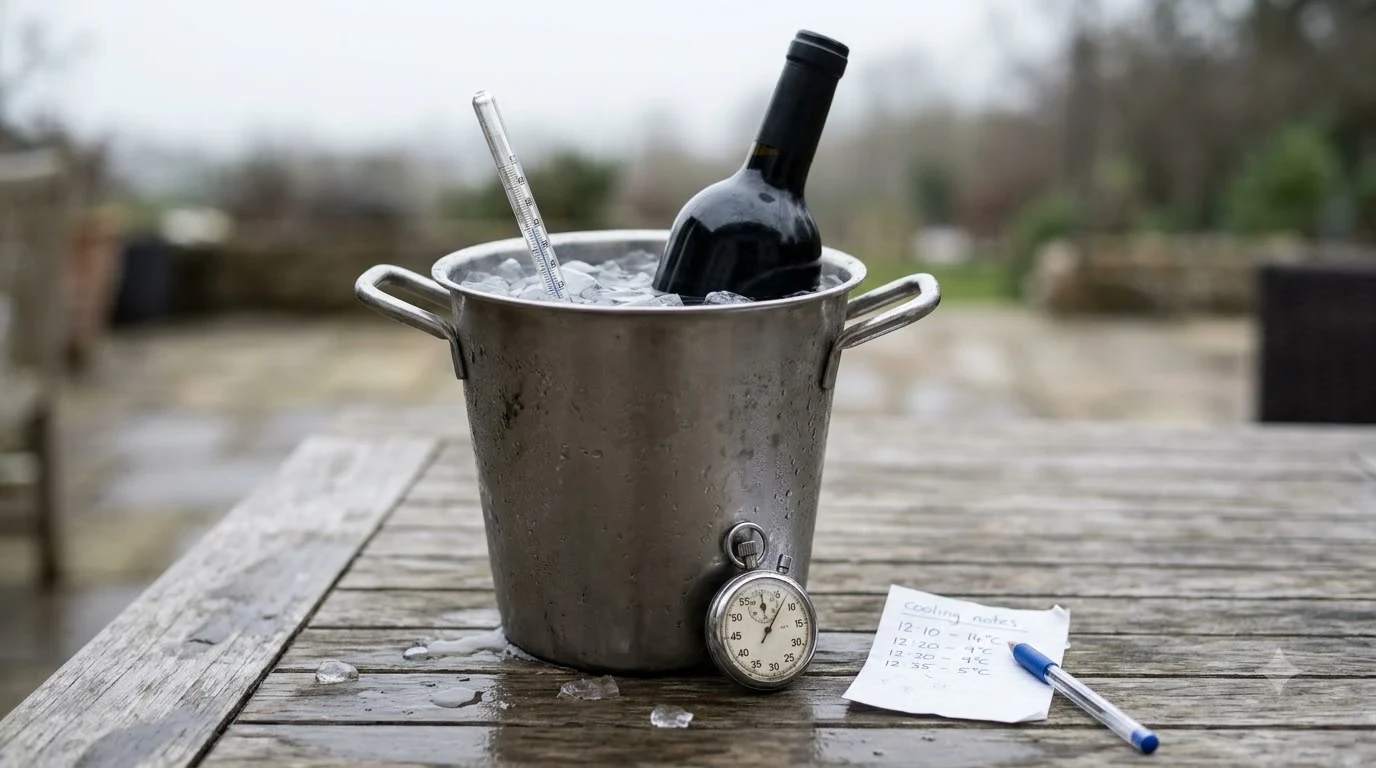
A bottle pulled from a refrigerator warms up faster than most hosts expect once it hits a 70-degree dining room or a sunny patio. Unlike a traditional single-wall bucket that sweats onto wood tables and leaves paper labels peeling in a puddle, a double wall design separates the cold interior from the warm room air. The right style depends on whether you are starting with a cold bottle, trying to cool a room-temperature red down to cellar range, or packing wine for an outdoor picnic.
Quick Comparison
Each double wall construction balances thermal retention, weight, and bottle compatibility differently depending on how and where you pour.
| Chiller Type | Insulation Mechanism | Needs Ice or Pre-Freezing? | Best Bottle Fit | Condensation Control |
|---|---|---|---|---|
| Vacuum-Insulated Stainless Steel | Airless sealed gap between two steel walls | No (requires pre-chilled bottle) | Standard 750 ml Bordeaux and slim Burgundy | Complete; exterior stays dry at room temp |
| Adjustable-Collar Travel Cooler | Vacuum-insulated steel body with threaded polymer top | No (requires pre-chilled bottle) | Standard 750 ml plus taller or slightly wider bottles | Complete; secure grip for transport |
| Freezer-Insert Double Wall Cooler | Insulated outer shell lining removable frozen gel packs | Yes (freeze inserts ahead of time) | Standard 750 ml still and sparkling bottles | High; inner liner shields bottle from direct frost |
| Double-Walled Acrylic Chiller | Sealed air pocket between clear or tinted acrylic walls | No (requires pre-chilled bottle) | Standard 750 ml still wine bottles | Good for 2 to 3 hours indoors |
| Wide-Mouth Double Wall Ice Bucket | Air-gap or vacuum-insulated wide steel basin | Optional (works dry or filled with ice and water) | Champagne, magnums, and multiple half-bottles | Complete; no puddles on linen or wood |
Best for Maximum Thermal Retention: Vacuum-Insulated Stainless Steel
A vacuum-insulated stainless steel cylinder is the gold standard for keeping a pre-chilled bottle at its ideal serving temperature through a long dinner without a single ice cube. By removing the air between the inner and outer walls, it stops heat transfer far more effectively than a simple air gap.
Why it stands out: As drinkware engineers at MiiR explain, removing air between two stainless steel walls eliminates convective heat transfer, leaving thermal radiation as the only way warmth can creep in. In practical terms, a crisp Sauvignon Blanc pulled from the fridge around 45°F stays refreshing for three to four hours on the table. The exterior stays completely dry, so you never need a coaster to protect a dining table or bar cart.
Keep in mind and best for: Passive vacuum insulation preserves existing cold rather than chilling a warm bottle from scratch, so your wine needs time in the refrigerator first. Most straight-sided steel cylinders have an interior diameter right around 3.5 to 3.75 inches, which hugs standard Bordeaux bottles tightly but can pinch wide-shouldered Champagne or Burgundy glass. Choose this style for indoor dinners, covered patios, and hosts who want zero prep work beyond chilling the wine.
Best for Outdoor Picnics and Travel: Adjustable-Collar Vacuum Coolers
If you are carrying a cold bottle to a park, beach, or backyard barbecue, a vacuum-insulated chiller with a screw-on locking collar holds the bottle secure while you walk and pour. That threaded top bridges the neck of the bottle so cold air stays trapped inside even when the cooler gets tilted.
Why it stands out: Standard open-top cylinders let cold air spill out whenever you tip the bottle to pour, and a loose bottle can slide right out during transit. An adjustable collar screws down over the shoulder of a 750 ml bottle, locking it in place so you can pour one-handed without removing the wine from its insulated jacket. Many models also feature powder-coated exteriors that resist scratches in a picnic tote and provide a non-slip grip with wet hands.
Keep in mind and best for: The extra collar mechanism adds a bit of height and requires unscrewing when you swap in a fresh bottle. If you prefer mechanical temperature control on a countertop rather than portable passive insulation, an electric wine chiller makes more sense at home. This collar-equipped design is built for outdoor concerts, boat days, BYOB restaurants, and any occasion where your bottle is on the move.
Best for Active Cooling Without Ice: Freezer-Insert Double Wall Chillers
When you forgot to chill a bottle ahead of time—or want to bring a room-temperature red down to cellar temperature—a double wall cooler with hidden freezer inserts actively lowers the wine’s temperature. Removable gel packs sit inside the walls behind an interior liner, cooling the glass gently without messy water.
Why it stands out: Standard double wall tubes only slow warming, whereas freezer-insert models create a cold microclimate around the bottle. Reviewers at The Guardian noted that double wall coolers with built-in frozen packs can actually drop a wine’s temperature by a couple of degrees Celsius within the first hour while holding steady in warm weather. Because an inner liner separates the frozen packs from the bottle, your labels stay dry and crisp instead of soaking in meltwater.
Keep in mind and best for: You have to remember to keep the inserts in your freezer before guests arrive, and the internal packs take up space that slightly narrows the inner chamber. If you want an accessory that sits ready on the counter with zero freezer planning, a heavy marble wine chiller offers passive thermal mass instead. Pick a freezer-insert model when you regularly buy wine on the way home and need to chill it at the table.
Best for Lightweight Everyday Dining: Double-Walled Acrylic Chillers
Double-walled acrylic chillers use a sealed pocket of trapped air between clear or tinted plastic walls to insulate a bottle for two to three hours at a fraction of the weight of metal or stone. They give casual hosts an easy, break-resistant vessel that lets the bottle’s label remain visible through the side.
Why it stands out: According to product specifications from Wine Enthusiast, thermal-insulated double-wall acrylic cylinders keep pre-chilled wine or sparkling bottles cool for up to three hours without exterior sweating. Because they are light and shatterproof, they are easy to pass down a crowded table or carry out to a deck without worrying about dings or dropped stone. Clear versions also let guests see what is being poured at a glance.
Keep in mind and best for: Trapped air conducts more heat than a true vacuum, so acrylic will not match stainless steel during an all-afternoon outdoor party in direct sun. Over years of use, acrylic can also pick up fine surface scuffs if stacked carelessly in a cabinet. This type is ideal for weeknight dinners, casual patio meals, and hosts who want to show off an interesting bottle label while keeping it cool.
Best for Champagne and Entertaining: Wide-Mouth Double Wall Ice Buckets
Champagne, Cava, and wider Burgundy bottles often refuse to fit inside slim 750 ml sleeves, making a wide-mouth double wall ice bucket the most versatile choice for celebrations. You can use it dry as an insulated air-gap chiller or fill it with ice and water for rapid chilling without exterior puddles.
Why it stands out: A 5-to-6-inch interior diameter leaves plenty of room for bulbous sparkling wine bases, magnums, or a pair of smaller bottles surrounded by crushed ice. Even when packed with ice slurry, the double wall construction prevents the outside of the bucket from dripping onto tablecloths or hardwood sideboards. Knowing how many glasses in a bottle of wine helps you plan capacity, since five standard pours per bottle disappear quickly at a party and require space for backup bottles.
Keep in mind and best for: A wide basin takes up noticeably more tabletop real estate and cabinet storage than a single-bottle sleeve. If you use it with ice, you will still need a cocktail napkin on hand to wipe the wet bottle neck before pouring. Choose a wide-mouth double wall bucket for holiday brunches, sparkling wine service, and dinner parties where multiple bottles stay in rotation.
How to Choose
1. Check the inner diameter against the bottles you drink. Standard 750 ml Bordeaux bottles measure roughly 3 inches wide, so a 3.5-to-3.75-inch inner chamber fits comfortably. If you regularly drink Champagne, Oregon Pinot Noir, or Alsace flutes, look for an inner diameter of at least 4.25 inches or an adjustable collar.
2. Separate vacuum insulation from air-gap double walls. Both styles have two walls, but an air-gap design leaves normal air trapped inside and typically holds temperatures for one to three hours. True vacuum-insulated steel removes the air between the walls, extending chill retention for four hours or more in warm rooms.
3. Match the chiller to your starting bottle temperature. Passive double wall tubes maintain whatever temperature the bottle already has when it goes in. As sommeliers noted in Wine Enthusiast’s serving temperature guide, sparkling wines shine at 41–45°F, crisp whites at 45–50°F, and light reds like Pinot Noir at 54–60°F—so pre-chill your bottle to that target before sliding it into a vacuum sleeve.
4. Look for non-slip bases and removable inserts. A silicone ring on the bottom keeps lightweight steel or acrylic cylinders from sliding on stone countertops or boat tables. If you browse our Accessories Library for complementary barware, prioritize chillers that disassemble easily for hand-washing and thorough drying.
Tip: Even red wines taste sharper and better balanced at 55–65°F than in a warm 72°F living room. Give a room-temperature red 20 to 30 minutes in the refrigerator before placing it in a double wall chiller so it stays at true cellar temperature all evening.
Frequently Asked Questions
Do I put ice inside a double wall wine chiller?
For slim single-bottle double wall chillers, no ice is needed or recommended because the chamber is sized to hug a dry, pre-chilled bottle. Adding ice to a narrow sleeve can scratch the interior wall and leave very little room for thermal circulation. Only wide-mouth double wall ice buckets are designed to hold ice and water around wider sparkling bottles.
Can a double wall wine chiller cool a warm bottle down?
Standard air-gap and vacuum-insulated double wall chillers cannot cool a warm bottle because they contain no active cooling element; they simply slow down heat transfer from the room. If your bottle is starting at room temperature, you need either 20 to 90 minutes in a refrigerator first or a double wall model equipped with removable freezer gel inserts.
Will a Champagne bottle fit inside a standard double wall wine chiller?
Many slim double wall cylinders are built strictly for 750 ml still wine bottles and will be too narrow for wide-bottomed Champagne or sparkling wine bottles. Before buying, check that the interior diameter is at least 4.25 to 4.75 inches, or opt for a wide-mouth double wall bucket.
How should I clean and store a double wall wine chiller?
Hand-wash double wall stainless steel and acrylic chillers with warm water and mild dish soap, as high dishwasher heat can compromise vacuum seals or warp plastic seams over time. Dry the inside thoroughly with a towel and store the chiller upright with any removable collar or lid off so trapped moisture never builds up.
Choosing between vacuum-insulated steel, freezer-insert sleeves, lightweight acrylic, and wide-mouth buckets comes down to how much prep time you want before guests arrive. Once you match the inner diameter and insulation style to the wines you pour most often, every glass stays crisp from the first pop of the cork to the last pour.
More in Wine Accessories
 Coravin Vs Vacu Vin: Choose the Right Wine Saver for Your BottlesUpdated Nov 21, 2026
 Zwilling Wine Stopper Review: Preserve Open Bottles LongerUpdated Nov 21, 2026
 Wine Enthusiast Wine Preserver Review: Features, Benefits and LimitationsUpdated Nov 21, 2026
 Wine Enthusiast Wine Stopper: An Easier Way to Reseal Open BottlesUpdated Nov 21, 2026
 Vintorio Wine Opener: Two-Step Cork RemovalUpdated Nov 21, 2026
 Zwilling Wine Aerator Review: Aerate, Pour, and Seal With One ToolUpdated Nov 21, 2026