

We may earn a commission when you buy through links on this page, at no extra cost to you. Learn more.
The best wine dispenser for most home drinkers is a pressurized argon gas system, which replaces poured wine with an inert blanket of gas so an open bottle stays fresh for weeks rather than days. Casual midweek sippers often do better with an electric vacuum dispenser that pulls air out for short-term storage, while hosts who entertain frequently benefit from multi-bottle refrigerated units or boxed-wine dispensers. Matching the dispensing mechanism to how fast you finish a bottle prevents oxidized, flat leftovers without overpaying for commercial hardware you will never use.
Once you pull a cork, oxygen begins altering the volatile aromatics and fruit character inside the bottle, turning a lively red or crisp white dull within a couple of nights. Choosing the right wine dispenser solves both halves of the serving equation: it delivers a clean, drip-free pour while slowing or blocking air contact between glasses.
Quick Comparison
Each wine dispenser category balances preservation lifespan, setup footprint, and ongoing consumable needs differently.
| Dispenser Type | Preservation Method | Typical Freshness Window | Consumables Needed | Ideal Bottle Volume |
|---|---|---|---|---|
| Pressurized Argon Needle System | Inert argon gas replaces poured volume | Several weeks to months | Replaceable argon capsules | 1 bottle at a time (unlimited rotation) |
| Multi-Bottle Refrigerated Dispenser | Pressurized inert gas plus temperature control | 2 to 4 weeks | Refillable gas cylinders | 2 to 8 bottles simultaneously |
| Electric Vacuum Dispenser | Motorized pump removes headspace air | 5 to 10 days | None (rechargeable battery) | 1 to 4 bottles with extra stoppers |
| Boxed-Wine Countertop Dispenser | Collapsible bladder blocks oxygen entry | 3 to 6 weeks | None (uses standard 3L bags) | 3-liter wine pouches |
| Sparkling Wine & CO2 Dispenser | Food-grade CO2 maintains internal pressure | 1 to 3 weeks | CO2 cartridges | 1 to 2 sparkling bottles |
Best for Long-Term Preservation and Cellar Bottles: Pressurized Argon Needle Systems
Handheld argon needle systems pierce straight through a natural cork, pour a glass under gentle gas pressure, and let the cork reseal itself when the needle withdraws so the wine inside never touches ambient air.
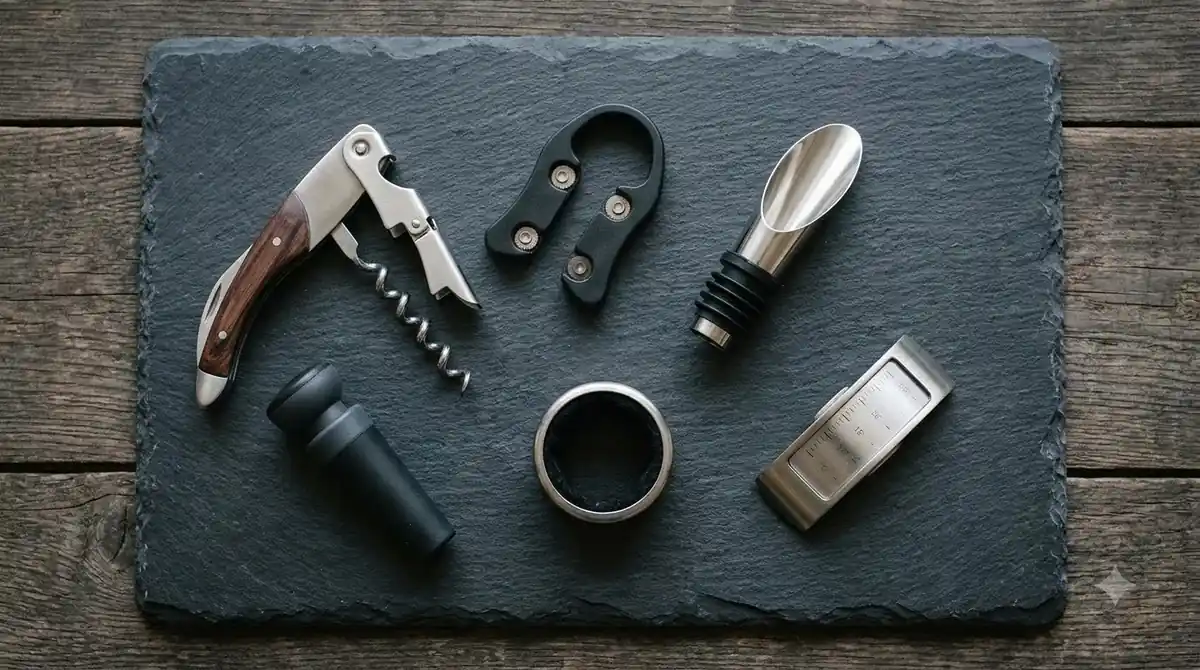
Why it stands out: Reviewers at Wine Enthusiast point out that argon is heavier than oxygen, allowing it to settle directly over the wine surface like an invisible shield. Because the cork stays in place, you can sample a prized Cabernet or age-worthy Burgundy one glass at a time across weeks or months, then lay the bottle back on its side in a rack without worrying about rapid oxidation.
Keep in mind: Standard needle attachments only work on natural corks, meaning screw-cap and synthetic closures require an adapter stopper that shortens the preservation window to a few weeks. You also need to keep replacement argon capsules on hand, and heavy daily pourers will burn through gas faster than occasional sippers. Best for: Collectors and solo wine lovers who want single-glass access to special bottles without committing to finishing the whole 750ml format in one weekend.
Best for Entertaining and Multi-Bottle Variety: Countertop Refrigerated Gas Dispensers
Countertop refrigerated dispensers house multiple opened bottles behind a glass door, chilling them to set serving temperatures while dispensing measured pours via an integrated inert gas cylinder.
Why it stands out: Having two, four, or even eight bottles tapped at once turns a kitchen counter or home bar cart into a tasting-room flight station. Dual-zone cabinets hold crisp whites at cellar-cold temperatures on one side and lighter reds slightly warmer on the other, while push-button portion control lets guests pour a taste or a full glass cleanly with zero drips.
Keep in mind: These appliances demand dedicated counter depth, clearance for rear ventilation, and periodic cleaning of the internal dispensing tubes so flavors never carry over from one vintage to the next. They also rely on proprietary nitrogen or argon cylinders that need periodic swaps. Best for: Frequent hosts and couples with different wine preferences who keep several bottles open simultaneously.
Best for Everyday Weeknight Sipping: Electric Vacuum Dispensers
Electric vacuum dispensers combine a rechargeable motorized pump with sealed rubber stoppers to pull oxygen out of an opened bottle’s headspace at the touch of a button.
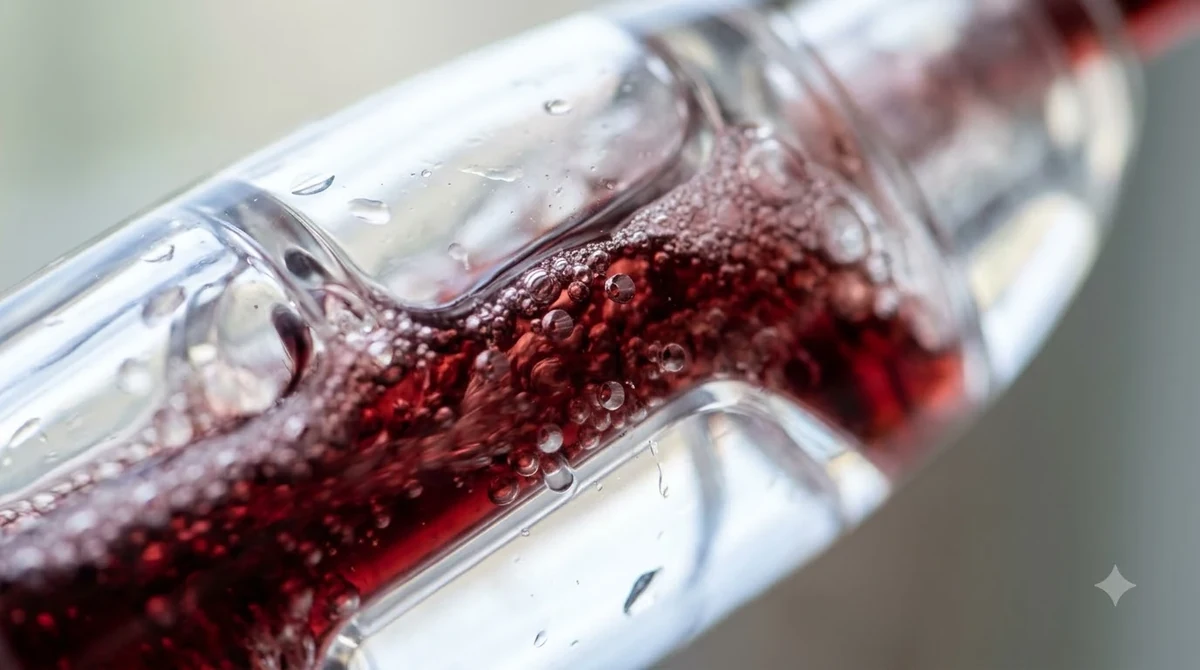
Why it stands out: Unlike gas-driven units, vacuum systems require zero ongoing cartridges or canisters, making them simple to grab for a Tuesday night table wine. Automatic sensors monitor the internal pressure inside the bottle and kick back on briefly if air begins seeping past the seal, stretching a typical bottle’s drinking window to roughly a week or ten days without manual pumping.
Keep in mind: Pulling a vacuum removes some oxygen, yet it never creates a complete oxygen-free environment, and aggressive suction can mute delicate floral aromas in fragile older reds. You should also avoid using vacuum pumps on sparkling wines because negative pressure pulls dissolved carbon dioxide straight out of the liquid. Best for: Everyday drinkers who finish a bottle within a week and want an effortless, cartridge-free setup.
Best for Parties and Casual Gatherings: Insulated Bag-in-Box Dispensers
Insulated bag-in-box dispensers lift standard three-liter wine bladders onto a weighted countertop stand with a stainless-steel tap, chilled core, and sleek housing.
Why it stands out: Inside a three-liter pouch, the flexible liner collapses around the remaining wine as you pour, preventing air from ever reaching the liquid for up to six weeks. Upgrading from a cardboard box to a sturdy raised dispenser gives guests plenty of glass clearance underneath the spigot and holds an internal ice pack or cooling sleeve to keep Pinot Grigio or rosé cold through an afternoon cookout.
Keep in mind: You are limited to wines sold in compatible three-liter bags, though quality producers increasingly package organic and single-vineyard releases in this format. Remember to transfer the inner pouch cleanly without pinching the plastic spout before locking the lid. Best for: Patio parties, family gatherings, and households that enjoy a steady, low-maintenance house pour.
Best for Champagne and Prosecco Lovers: Pressurized CO2 Sparkling Dispensers
Sparkling wine dispensers clamp securely onto the lip of a Champagne or Prosecco bottle and inject food-grade carbon dioxide to equalize internal pressure after each pour.
Why it stands out: According to Wine Enthusiast’s preservation guide, keeping effervescence intact requires a tight mechanical seal and positive pressure rather than simple suction. By blanketing the wine in pressurized CO2, these compact dispensers preserve crisp bead and lively acidity for up to two or three weeks, letting you celebrate with a single flute on a Wednesday without sacrificing the rest of the bottle.
Keep in mind: Sparkling systems only fit standard Champagne-style bottle necks, so unusually wide magnums or narrow screw-top bottles will not lock into the collar. Carbon dioxide cartridges also need replacement every few bottles. Best for: Sparkling wine fans who hate watching expensive Champagne go flat overnight.
How to Choose
Start by tracking how quickly your household actually finishes an open bottle. Knowing how many glasses in a bottle of wine—typically five standard five-ounce pours—helps you calculate whether you need three days of protection or three weeks. If you finish a bottle across two or three evenings, a simple electric vacuum dispenser handles the job with zero recurring cartridge expenses. If you like pouring a single tasting glass from three different bottles over the course of a month, an argon needle system or multi-bottle gas cabinet easily pays for itself in saved wine.
Next, check closure compatibility and maintenance requirements before buying. Natural corks work with needle-style piercers, whereas screw caps and synthetic stoppers require wide-mouth adapters or vacuum plugs. Look closely at how easy it is to rinse spouts, swap gas canisters, and fit the unit under upper kitchen cabinets or inside a standard refrigerator door shelf. You can explore additional serving tools, stoppers, and glassware in our Accessories Library to round out your setup.
Tip: Store open bottles upright once you insert a gas blanket or vacuum stopper—standing the bottle up minimizes the liquid surface area exposed to the headspace and helps denser argon gas stay settled over the wine.
Frequently Asked Questions
How long does wine stay fresh in a wine dispenser?
Freshness depends directly on the preservation technology inside the unit. Electric vacuum dispensers keep still wine tasting bright for 5 to 10 days, while pressurized argon needle systems and multi-bottle gas cabinets protect flavor for 3 to 4 weeks or longer.
Is argon or nitrogen better for preserving opened wine?
Argon is generally preferred by wine professionals because it is denser than air and oxygen, allowing it to sink and form a tight protective layer right on the wine’s surface. Nitrogen is also inert and food-safe, though it weighs roughly the same as air and works best in sealed cabinets that maintain constant positive pressure.
Can you use a standard wine dispenser for Champagne or sparkling wine?
No, standard vacuum and argon systems will ruin sparkling wine. Vacuum pumps pull dissolved carbon dioxide out of the wine and flatten it rapidly, while standard still-wine spouts cannot hold back the high internal pressure of a Champagne bottle—always use a dedicated CO2 sparkling dispenser.
Do you still need to refrigerate red wine after using a dispenser?
Cool temperatures slow down chemical oxidation reactions even when an inert gas blanket or vacuum seal is in place. Storing opened red bottles in a wine fridge or standard refrigerator extends freshness by several extra days; simply let your poured glass warm up for 15 minutes before drinking.
Selecting the right dispenser comes down to matching preservation power with your weekly pouring habits and available counter space. Whether you want a sleek countertop cabinet for weekend entertaining or a pocket-sized argon piercer for cellar treasures, the right setup ensures every glass tastes as vibrant as the first pour.
More in Wine Accessories
 Coravin Vs Vacu Vin: Choose the Right Wine Saver for Your BottlesUpdated Nov 21, 2026
 Zwilling Wine Stopper Review: Preserve Open Bottles LongerUpdated Nov 21, 2026
 Wine Enthusiast Wine Preserver Review: Features, Benefits and LimitationsUpdated Nov 21, 2026
 Wine Enthusiast Wine Stopper: An Easier Way to Reseal Open BottlesUpdated Nov 21, 2026
 Vintorio Wine Opener: Two-Step Cork RemovalUpdated Nov 21, 2026
 Zwilling Wine Aerator Review: Aerate, Pour, and Seal With One ToolUpdated Nov 21, 2026