


We may earn a commission when you buy through links on this page, at no extra cost to you. Learn more.
The best portable wine fridge for most people is a compact 6-to-12-bottle thermoelectric countertop cooler, which runs quietly without heavy compressor hardware and fits easily on a kitchen counter, home bar, or apartment credenza. For road trips and RV travel, a single-bottle 12V DC dual-voltage chiller plugs directly into a vehicle outlet, while cordless battery-powered bottle chillers keep an opened bottle at serving temperature right on a patio table. If you store both reds and whites at home or need reliable cooling in warm rooms, a compact freestanding dual-zone compressor unit provides wider temperature control across 18 to 32 bottles.
Unlike full-size built-in wine cellars that require cabinetry cutouts, dedicated electrical circuits, and permanent installation, portable wine fridges are lightweight, freestanding appliances designed to move from room to room or travel with you. Whether you are outfitting a small apartment kitchen, packing for a weekend road trip, or keeping white wine cold on an outdoor dining table, choosing the right cooling technology and capacity makes all the difference.
Quick Comparison
Comparing the five main categories of portable wine coolers shows how capacity, power requirements, and cooling mechanisms align with different spaces and travel needs.
| Portable Fridge Type | Typical Capacity | Cooling System | Power Source | Best Use Case |
|---|---|---|---|---|
| Compact Countertop Thermoelectric | 6 to 12 bottles | Thermoelectric (Peltier) | 110V–120V AC wall outlet | Apartments, bedrooms, and quiet home offices |
| Single-Bottle 12V Car and RV Chiller | 1 bottle (750 ml) | Thermoelectric | 12V DC car plug and 110V AC | Road trips, camper vans, and boat cabins |
| Cordless Battery-Powered Table Chiller | 1 bottle (750 ml) | Thermoelectric or phase-change | Rechargeable lithium battery | Patio dining, picnics, and dinner tables |
| Compact Dual-Zone Compressor Cooler | 18 to 32 bottles | Mini refrigerant compressor | 110V–120V AC wall outlet | Warm kitchens and mixed red and white collections |
| Portable 12V Compressor Travel Fridge | 12 to 24 bottles (or mixed cans) | 12V DC/AC compressor | 12V/24V DC, AC, or solar generator | Overlanding, tailgates, and multi-day camping |
Best for Small Apartments and Countertops: Compact Thermoelectric Coolers
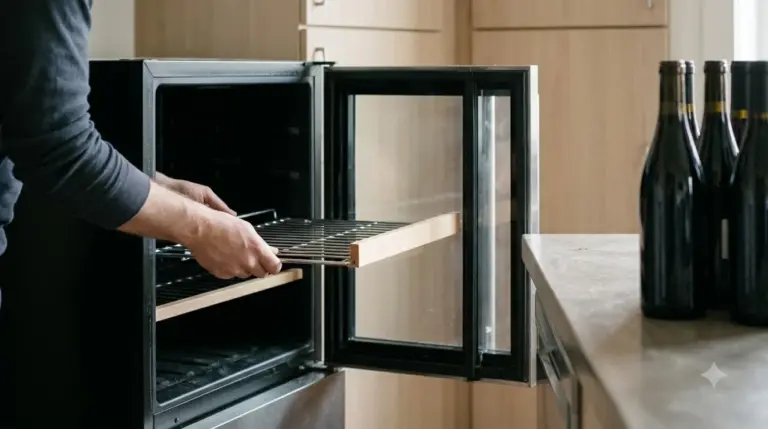
Compact thermoelectric coolers hold between six and twelve standard bottles and sit comfortably under standard upper kitchen cabinets without permanent installation. Because they use solid-state heat pumps instead of heavy mechanical compressors, they weigh considerably less and move easily when you rearrange a kitchen or relocate to a new apartment.
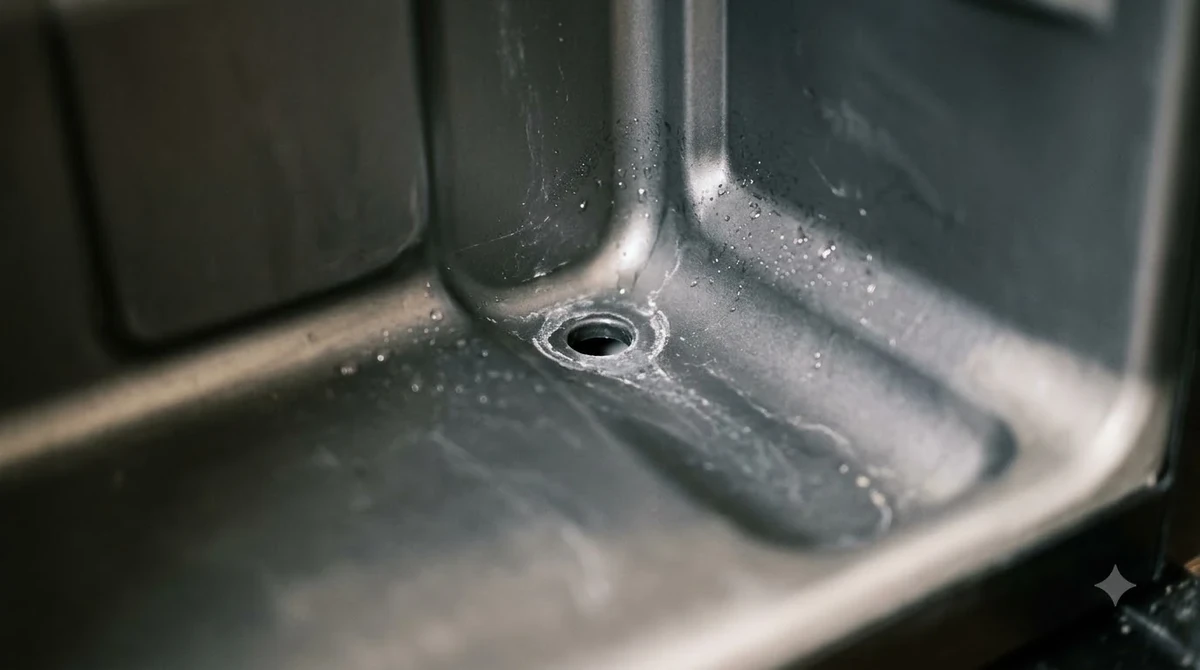
Why it stands out: Thermoelectric units operate almost silently with virtually zero vibration, which protects delicate wine sediment from disturbance while keeping noise levels suitable for open-concept studio apartments, home offices, or bedrooms. According to Wine Folly’s wine storage temperature guide, keeping wine in a cool, consistent environment around 55°F to 59°F prevents premature aging compared to warm household closets or kitchen cabinets. Most countertop models feature double-pane UV-resistant glass doors and digital touch controls that let you dial in serving temperatures for whites or reds without taking up valuable space in your main kitchen refrigerator.
Keep in mind: Solid-state Peltier cooling works by transferring heat relative to the surrounding room temperature, typically lowering the interior by 20°F to 25°F below ambient air. That means a thermoelectric cooler performs best in climate-controlled living spaces kept between 65°F and 75°F, and it may struggle to reach crisp sparkling-wine temperatures in a hot sun-drenched kitchen. It is ideal for renters, casual wine drinkers who keep a rotating case on hand, and anyone prioritizing whisper-quiet operation over deep sub-45°F chilling.
Best for Road Trips and RVs: Single-Bottle 12V Dual-Voltage Chillers
Single-bottle 12V chillers are cylindrical, cup-holder-friendly electric coolers built to hold one 750 ml bottle at a precise temperature while plugged into a car’s auxiliary power outlet. Shipping with both a 12V DC vehicle cord and a standard 110V AC wall adapter, they bridge the gap between highway travel and hotel rooms or vacation rentals.
Why it stands out: Unlike passive insulated sleeves or ice buckets that lose their chill over a long drive, an active 12V thermoelectric chiller maintains a steady set temperature between roughly 41°F and 64°F for hours on end. Drawing around 60 to 72 watts, these compact units run safely off a standard vehicle socket, RV battery bank, or marine outlet without draining power rapidly or creating messy condensation puddles. Many feature digital LED temperature readouts so you can hold a bottle of Pinot Noir at cellar temperature on the drive up to wine country and bring home a newly purchased bottle without risking heat damage in a warm trunk.
Keep in mind: Because these units rely on low-wattage thermoelectric plates rather than compressors, they are designed to maintain an already chilled bottle or cool a room-temperature bottle gradually rather than flash-chilling warm wine in ten minutes. You should also verify the interior chamber diameter before buying, as most fit standard 750 ml Bordeaux and Burgundy bottles up to about 3.5 inches wide but will not accommodate wide-bottomed Champagne magnums. This category suits road-trippers, RV owners, and weekend travelers transporting temperature-sensitive bottles.
Best for Patio Dining and Table Service: Cordless Rechargeable Bottle Chillers
Cordless battery-powered bottle chillers bring active, ice-free temperature control directly to an outdoor patio table, picnic blanket, or dining room centerpiece without trailing power cords. Powered by built-in rechargeable lithium-ion batteries, these sleek canisters cradle an opened bottle at your exact target degree throughout a multi-hour dinner.
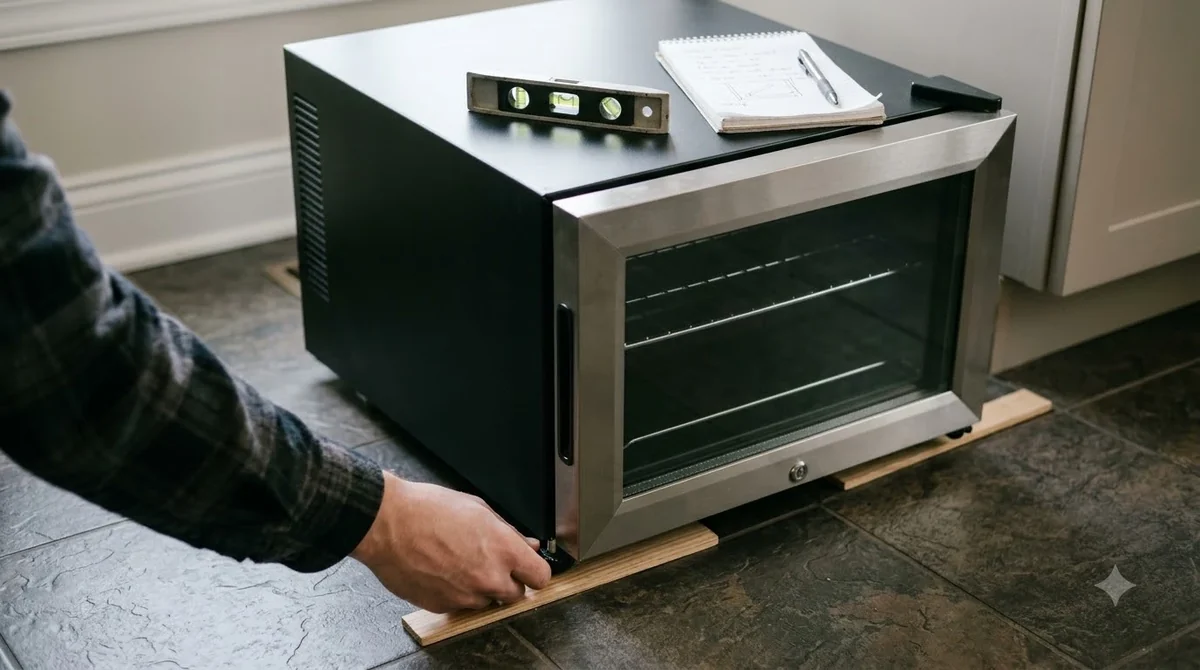
Why it stands out: Traditional ice buckets soak wine labels, drip water onto tablecloths, and frequently over-chill white wines while offering no practical way to keep red wines at a crisp 60°F on a warm summer evening. Cordless electronic chillers solve both issues by letting you set a specific target temperature on a digital dial, using internal thermal sensors to hold that exact degree for four to eight hours per charge. When hosting guests outdoors, knowing how many glasses in a bottle of wine helps you plan how many chilled bottles to rotate through the unit during dinner.
Keep in mind: Battery capacity limits these chillers to single-bottle table service rather than multi-day off-grid storage, so you will need to recharge the base between gatherings or keep a backup bottle waiting in the kitchen fridge. Like 12V car chillers, their cylindrical wells are sized around standard 750 ml bottles, meaning unusually wide sparkling or dessert bottles may not slide all the way down against the cooling plate. They are best for hosts who love al fresco entertaining and want clean, cord-free precision at the table.
Best for Warm Rooms and Mixed Collections: Compact Dual-Zone Compressor Fridges
Compact freestanding dual-zone compressor coolers typically hold 18 to 32 bottles across two independently controlled compartments while remaining light enough to move between a kitchen, dining room, or home bar. Using a miniaturized refrigerant compressor similar to a full-size kitchen appliance, they deliver reliable cooling regardless of warm ambient room temperatures.
Why it stands out: Reviewers at Wine Enthusiast frequently highlight dual-zone compressor models as the most versatile choice for households that drink both crisp whites and full-bodied reds. By separating the cabinet into an upper zone adjustable down to 41°F and a lower zone set between 54°F and 64°F, you can keep Sauvignon Blanc ready to pour while aging or resting Cabernet Sauvignon simultaneously. If you eventually decide to upgrade from a movable countertop or floor unit to a permanent furniture piece, exploring a wine fridge sideboard offers a similar dual-zone layout built directly into dining room cabinetry.
Keep in mind: Compressor units weigh more than thermoelectric models—often 45 to 65 pounds empty—and produce a gentle hum around 38 to 42 decibels when the compressor cycles on. Always let a compressor cooler stand upright for at least 24 hours after moving it so the internal refrigerant oil settles before plugging it in, and leave two to four inches of clearance around the sides and back for heat dissipation. This style fits wine enthusiasts living in warmer climates or anyone wanting true cellar-grade temperature stability without built-in remodeling.
Best for Camping, Boating, and Tailgates: Portable 12V Compressor Travel Coolers
Portable 12V compressor travel fridges are rugged, chest-style or upright portable coolers equipped with carry handles, heavy-duty insulation, and multi-voltage power inputs for 12V DC car outlets, 110V AC wall plugs, and portable solar power stations. Originally engineered for overlanding and marine use, they double as high-capacity mobile wine and beverage cellars.
Why it stands out: Unlike small thermoelectric units that struggle in summer heat, a 12V DC compressor cooler can chill warm bottles down to 38°F even when ambient outdoor temperatures climb past 90°F. Many models feature removable wire dividers or dual-compartment lids that let you lay wine bottles horizontally on one side while chilling sparkling water or craft beer on the other. If your gatherings regularly mix varietals with canned drinks at home as well, comparing dedicated multi-beverage setups in our guide to a wine and beer fridge shows how split-zone layouts handle diverse drink menus.
Keep in mind: Because portable travel coolers use flat interiors rather than scalloped wooden wine racks, you will want to use bottle dividers, neoprene sleeves, or foam inserts to prevent glass bottles from clinking together on bumpy roads. They also require a steady 12V power source or lithium power station rather than running passively on ice alone. These units are ideal for campers, boaters, tailgate hosts, and vacation-home owners who want serious cooling power on the road.
How to Choose
Selecting the right portable wine cooler comes down to matching the cooling mechanism, capacity, and power compatibility to where you actually plan to place or carry the unit.
- Cooling Technology (Thermoelectric vs. Compressor): Choose thermoelectric cooling if the fridge will live on a bedroom dresser, home office desk, or quiet living room counter where room temperatures stay below 75°F. Opt for a compressor-driven model if you need temperatures below 45°F for sparkling wines, live in a warm climate, or plan to use the cooler outdoors.
- Realistic Bottle Capacity: Manufacturers calculate capacity using slim, standard 750 ml Bordeaux bottles. If you regularly buy wider Pinot Noir, Rhône, or Champagne bottles, expect actual usable capacity to drop by roughly 20 to 30 percent unless the shelves are removable.
- Power Source and Portability: Check whether the unit runs strictly on 110V–120V AC household current or includes a 12V DC adapter for vehicles and boats. Pay attention to empty weight and integrated carry handles if you intend to move the cooler regularly rather than leaving it on one counter.
- Temperature Range and Zones: Single-zone coolers are simpler, lighter, and more affordable when you primarily drink one style of wine or use the unit strictly for short-term chilling. Dual-zone units add flexibility when storing both reds and whites at serving temperature, as detailed in our breakdown of key Specs & Features.
- Ventilation and Door Protection: Freestanding portable units vent heat through the back or sides, requiring two to four inches of open air space around the cabinet. Look for double-pane tinted or UV-blocking glass doors to protect bottles from sunlight degradation.
Tip: Whenever you move or transport a compressor-based portable wine fridge, keep it upright if possible and wait a full 24 hours before plugging it back in so compressor lubricants can settle back into the housing.
Frequently Asked Questions
Can I lay wine bottles on their side in a portable wine fridge?
Yes, horizontal storage is preferred for cork-finished wine bottles because keeping the wine in contact with the cork prevents it from drying out and letting oxygen seep in. Most countertop and freestanding portable wine fridges include scalloped wire or wooden racks specifically shaped to cradle bottles horizontally. For open bottles or screw-cap wines in single-bottle table chillers, upright storage works fine for short-term serving.
Do portable wine fridges use a lot of electricity?
No, most compact portable wine coolers are very energy-efficient and draw between 50 and 90 watts while actively cooling, which is comparable to a standard household light bulb. Thermoelectric models consume steady low power, while compressor models cycle on and off intermittently once the interior reaches your set temperature. Running a 12V single-bottle chiller in a vehicle draws roughly 5 to 6 amps, making it safe for standard car auxiliary outlets while the engine is running.
How long does it take a portable wine fridge to chill a warm bottle?
A compressor-based portable fridge can typically chill a room-temperature bottle down to white-wine serving temperature in about 45 to 90 minutes. Thermoelectric countertop units and 12V car chillers cool more gradually, often taking two to four hours to drop a warm bottle by 20 degrees. For best results with thermoelectric or cordless chillers, start with a bottle that has already spent an hour in your kitchen refrigerator.
Can I put a portable wine fridge inside a cabinet or closet?
No, almost all portable and freestanding wine fridges vent heat from the rear or sides of the cabinet and will overheat if enclosed inside tight cabinetry or a closed closet. Manufacturers recommend leaving at least two inches of clearance on both sides and four inches at the back and top for proper airflow. If you want an appliance that sits flush inside cabinetry, look specifically for a front-venting built-in undercounter model instead.
Finding the right portable wine fridge depends on whether you prioritize silent countertop storage at home or active temperature control on the road and patio. By matching the cooling system, capacity, and power hookup to your daily routine, you can keep every bottle resting at its ideal serving temperature wherever you pour.
More in Wine Fridge Features
 Best Wine Fridge Bar Cabinet Setups for a Better Home BarUpdated Nov 20, 2026
 Wine Fridge for Champagne Bottles: Sizes and Storage GuideUpdated Nov 18, 2026
 Best Wine Fridge for Champagne Bottles: Shelf and Bottle FitUpdated Nov 18, 2026
 Best Wine Fridge with Display Shelf: Glass Doors and Open RacksUpdated Nov 18, 2026
 Best Wine Fridge With Drawers for Easy Access to Every BottleUpdated Nov 18, 2026
 Best Wine Fridge With Freezer: Combo Styles for Kitchens and BasementsUpdated Nov 18, 2026