

We may earn a commission when you buy through links on this page, at no extra cost to you. Learn more.
The best wine fridge on wheels for most homes is a freestanding compressor wine cooler fitted with heavy-duty locking casters, which lets you roll bottles between rooms while maintaining steady cellar temperatures. Shoppers who want to serve mixed drinks on a deck should choose an indoor-outdoor beverage center with wheels, while apartment dwellers benefit most from a slim thermoelectric rolling cart model. For off-grid tailgates or quick patio gatherings, a powered 12V portable chest cooler or an insulated rolling party cart solves mobility without needing a wall outlet.
Moving a loaded wine refrigerator across hardwood floors or out to a covered patio is back-breaking work without proper wheel hardware. Because a single full 750-milliliter bottle weighs roughly three pounds, a modest 30-bottle cabinet quickly exceeds 150 pounds once you factor in steel walls and glass doors. Choosing a unit engineered for mobility protects both your flooring and the delicate sediment inside your favorite vintages.
Quick Comparison
Each rolling wine cooling design balances temperature precision, floor protection, and power requirements differently depending on where you pour.
| Cooler Type | Cooling System | Typical Capacity | Power Source | Best Environment |
|---|---|---|---|---|
| Freestanding Compressor Cooler with Casters | Vibration-damped compressor | 24 to 54 bottles | Standard 115V wall outlet | Dining rooms, home bars, kitchens |
| Indoor-Outdoor Wheeled Beverage Center | Fan-circulated compressor | 30 to 50 bottles plus cans | Weather-sealed 115V outlet | Covered patios, outdoor kitchens |
| Slim Thermoelectric Bar Cart Cooler | Solid-state Peltier module | 12 to 24 bottles | Standard 115V wall outlet | Small apartments, quiet offices |
| 12V Powered Wheeled Chest Cooler | Portable DC/AC compressor | 15 to 30 bottles | 12V car port, battery, or wall plug | Tailgates, road trips, boat decks |
| Insulated Rolling Patio Cooler Cart | Passive foam and ice bath | 20 to 40 bottles | None required | Poolside parties, open lawns |
Best for Indoor Entertaining: Freestanding Compressor Coolers with Locking Casters
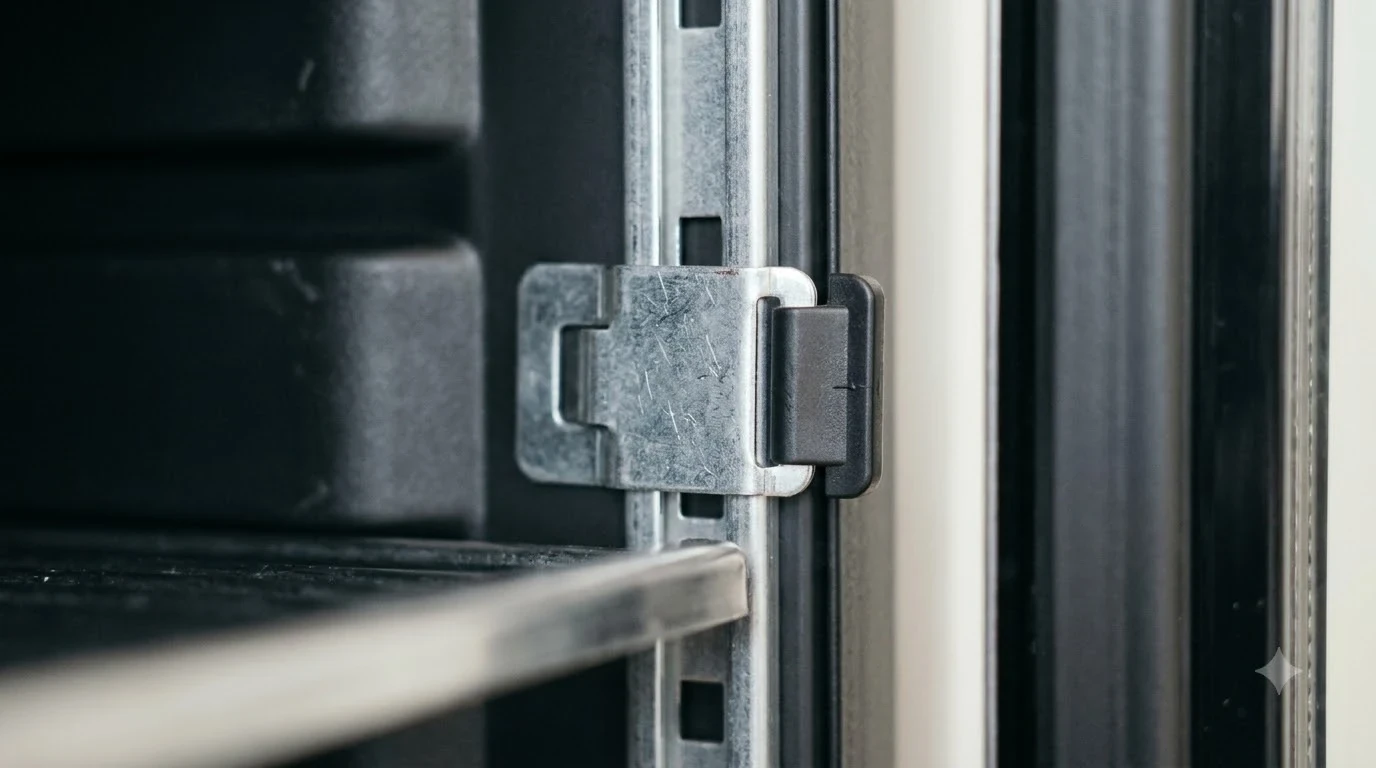
A freestanding compressor wine fridge equipped with factory-installed or optional caster wheels gives hosts true cellar-grade cooling that can glide from the kitchen to the dining area. Two front locking brakes keep the cabinet anchored firmly whenever guests pull open the glass door.
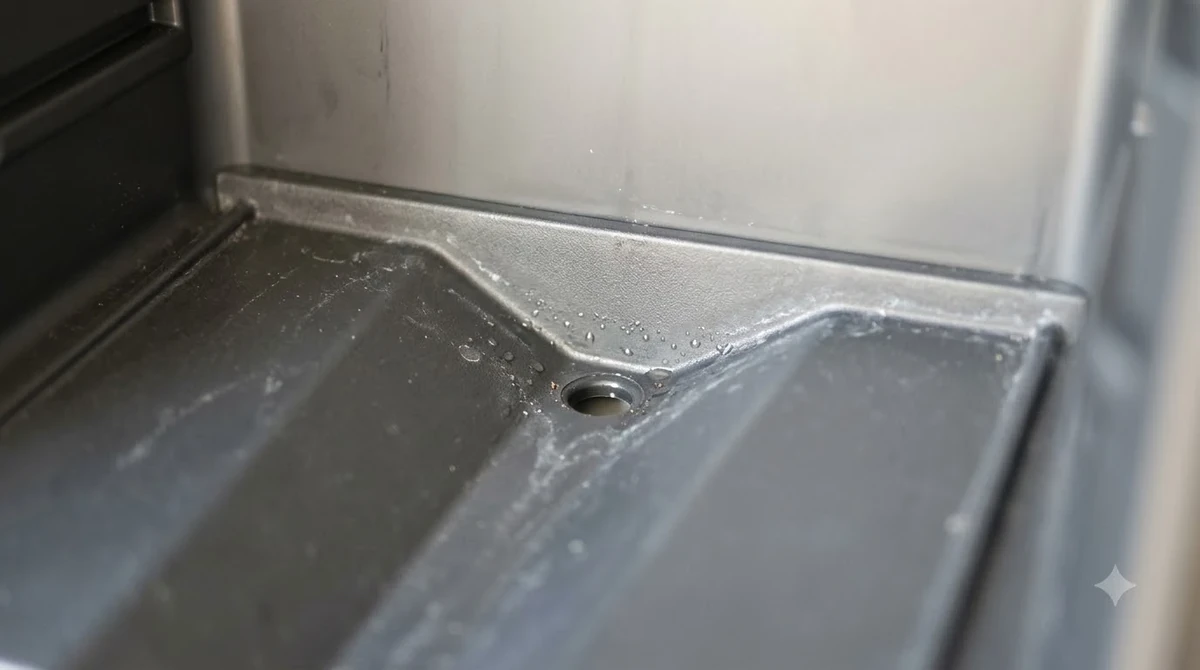
Why it stands out: According to Wine Enthusiast, consistent temperature control is essential because even minor heat spikes can disrupt aging and flatten aromas. Compressor-driven models hold steady between 40°F and 65°F regardless of warm summer room temperatures, and dual-zone layouts let you keep crisp Sauvignon Blanc chilled while holding Cabernet Sauvignon at cellar temperature. Rubber-coated swivel casters roll smoothly across tile and hardwood without leaving scuff marks.
Keep in mind: Compressor motors require a two-hour upright resting period after any rolling move so internal refrigerant oils can settle before you plug the unit back in. You also need three to five inches of clearance around the sides and back so the condenser coils can vent heat safely.
Best for: Homeowners and frequent hosts who want reliable multi-year wine storage in a dining room or living area with the flexibility to rearrange furniture or clean underneath effortlessly.
Best for Covered Patios: Indoor-Outdoor Wheeled Beverage Centers
Weather-rated stainless steel coolers with heavy-duty casters bring plug-in refrigeration directly to covered decks, pool houses, and outdoor kitchens. These units combine adjustable wire or wood shelving so you can chill wine bottles alongside craft beer and sparkling water.
Why it stands out: Built with corrosion-resistant 304-grade stainless steel exteriors and sealed electrical components, outdoor-rated rolling fridges withstand high ambient heat and humidity that would burn out an indoor cabinet. Fan-circulated cooling recovers internal temperatures rapidly even when guests open the door every few minutes during a summer cookout. If you regularly stock both corked bottles and canned drinks, exploring a dedicated wine and beer fridge configuration gives you the exact shelf spacing needed for mixed-format entertaining.
Keep in mind: Outdoor-rated models run slightly louder than indoor living-room cabinets because their heavy-duty compressors and exterior fans work harder against warm air. Always verify whether a model requires a covered roof overhang rather than direct exposure to rain.
Best for: Backyard hosts who want to wheel a fully stocked bar out onto a covered patio for weekend gatherings and roll it back into a garage or utility room during winter.
Best for Small Apartments: Slim Thermoelectric Bar Cart Coolers
Compact, narrow-profile wine coolers mounted on low-profile casters fit easily into tight studio corners, beside a desk, or inside a rolling bar cart frame. Using solid-state thermoelectric cooling rather than a mechanical compressor, they operate near silently.
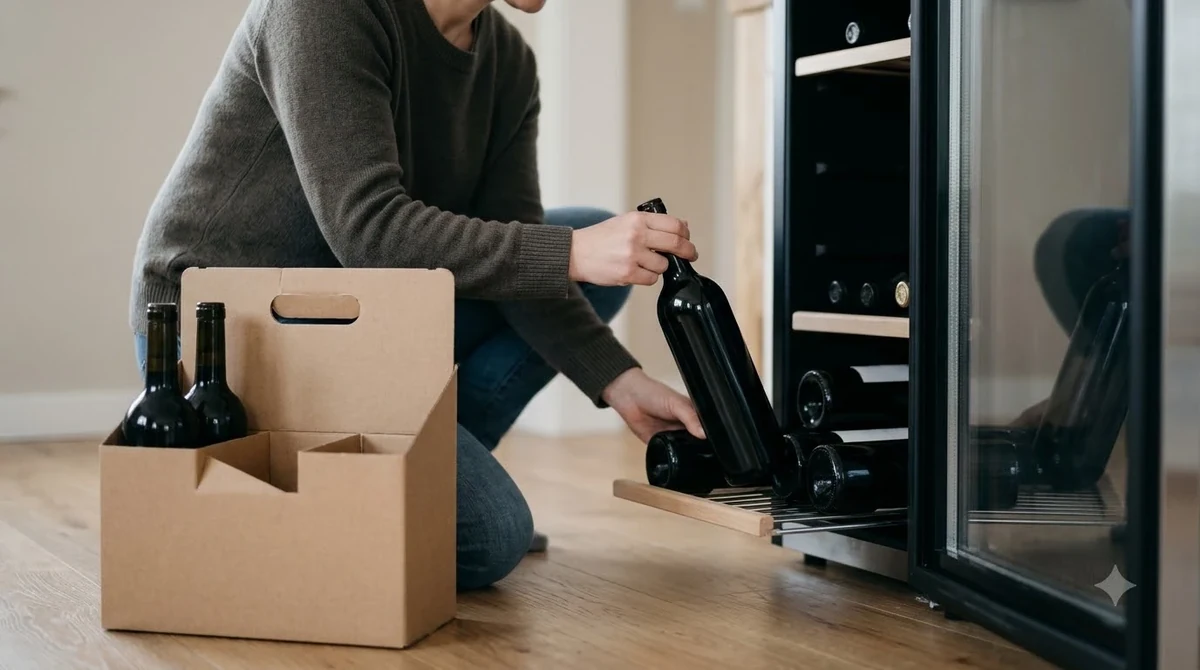
Why it stands out: Without a vibrating compressor motor or heavy refrigerant coils, these lightweight units weigh far less when empty and glide over rugs or thresholds with minimal effort. Reviewers at VinePair note that single-zone wine refrigerators work remarkably well for space-conscious apartment dwellers because red and white bottles can safely share the same cool storage environment before serving. Many slim designs also blend smoothly alongside a compact wine fridge sideboard setup when floor space is at a premium.
Keep in mind: Thermoelectric heat pumps can typically cool only about 20°F below the surrounding room temperature. If your apartment routinely hits 80°F in July, a thermoelectric unit will struggle to chill sparkling wine down to 45°F.
Best for: Renters, apartment dwellers, and home-office workers who want whisper-quiet, lightweight mobility for a dozen to two dozen everyday bottles.
Best for Road Trips and Tailgates: 12V Powered Wheeled Chest Coolers
Portable electric chest coolers with oversized all-terrain wheels and telescoping luggage handles run off a vehicle’s 12V DC outlet, a detachable lithium battery pack, or a standard wall plug. They bring true active refrigeration anywhere your car or boat can travel.
Why it stands out: Unlike passive ice chests that leave paper wine labels soaked and peeling in meltwater, a 12V compressor chest chills bottles cleanly in dry air down to 35°F. Rugged polyethylene shells and thick pneumatic or hard-rubber wheels handle gravel parking lots, boardwalks, and uneven grass with ease. Digital displays let you dial in exact serving temperatures for rosé or white Burgundy hours before you arrive at a campsite or stadium lot.
Keep in mind: Top-opening chest designs stack bottles horizontally or upright in baskets rather than on pull-out wooden racks, so you will need to lift upper bottles out to reach vintages buried at the bottom.
Best for: Campers, boaters, RV travelers, and tailgaters who want active, ice-free temperature control on the road.
Best for Cord-Free Backyard Parties: Insulated Rolling Patio Cooler Carts
For open lawns, poolside decks, and park pavilions with no electrical outlets in sight, an insulated steel or resin rolling cooler cart keeps dozens of bottles icy cold using ice packs or crushed ice. Elevated legs on four swivel casters put drinks at comfortable waist height without bending over.
Why it stands out: Thick polyurethane foam insulation holds chill for up to 36 to 72 hours, and split flip-top lids let guests grab a bottle without letting warm air flood the entire basin. Most carts include a lower storage shelf for extra glassware, towels, or backup bottles, plus a built-in drainage spout for effortless cleanup at the end of the night. When planning your ice and bottle count for a crowd, checking how many glasses in a bottle of wine helps you load the basin accurately without overbuying.
Keep in mind: Passive ice baths can chill white and sparkling wines too cold if left submerged for hours, which mutes delicate fruit flavors. Keep red wines out of direct ice contact or pull chilled whites out 15 minutes before pouring.
Best for: Large outdoor celebrations, poolside lounging, and venues where trailing an extension cord across walkways would create a tripping hazard.
How to Choose
Selecting the right rolling wine cooler comes down to matching wheel engineering and cooling power to your flooring and climate.
- Caster quality and locking brakes: Look for polyurethane or soft-rubber wheels at least two to three inches in diameter. Hard plastic wheels can scratch hardwood planks and catch on tile grout lines, while locking brakes on at least two front casters prevent the fridge from rolling forward when you pull open a heavy magnetic door seal.
- Cooling technology and ambient rating: Choose compressor cooling for warm rooms, garages, or precise white-wine chilling below 48°F. Reserve thermoelectric models for climate-controlled living spaces where low decibel ratings matter most.
- Bottle spacing and shelf design: Standard bottle counts assume slim 750-milliliter Bordeaux bottles. If you drink wider Pinot Noir, Rhône, or Champagne bottles, look for removable or adjustable racks so labels do not tear when sliding shelves out.
- Ventilation and footprint: Freestanding rolling units vent heat through the back and sides, whereas front-venting models can tuck neatly under a counter between parties. Review key Specs & Features such as UV-tinted glass, door locks, and reversible hinges before committing to a footprint.
Tip: Whenever you roll a compressor-cooled wine fridge across a room, let it stand unplugged in its new spot for at least two hours before turning the power back on so displaced compressor oil drains back into the motor housing.
Frequently Asked Questions
Can I put wheels on a regular freestanding wine fridge myself?
You should only add casters if the manufacturer provides threaded mounting sockets or an approved caster kit in the manual. Drilling into the bottom of a wine cabinet can puncture refrigerant lines or electrical wiring, and raising an unbraced cabinet alters its center of gravity and tipping risk.
Does rolling a wine fridge hurt the wine inside?
Short, smooth moves across level indoor floors will not harm everyday drinking wines, especially when bottles rest horizontally on wooden racks that absorb minor bumps. However, if you store older vintage reds with natural sediment, avoid rolling the cabinet across bumpy thresholds or outdoor pavers within a few days of serving.
Do rolling wine fridges need to stay plugged in all the time?
Standard 115V compressor and thermoelectric wine fridges must stay plugged in during operation because they do not contain internal batteries. If you unplug a loaded cabinet to wheel it into another room for dinner service, its insulated walls and thermal mass will keep bottles cool for roughly one to two hours before temperatures begin creeping upward.
What wheel material is safest for hardwood and luxury vinyl floors?
Non-marking polyurethane or thermoplastic rubber casters offer the best protection for hardwood, engineered wood, and luxury vinyl plank flooring. Avoid bare nylon or hard metal wheels, which concentrate the heavy weight of loaded glass bottles onto tiny contact points and leave permanent dents.
Whether you need a whisper-quiet thermoelectric cart for a city apartment or a weather-sealed stainless steel cooler for backyard hosting, putting your wine storage on reliable casters eliminates heavy lifting. Focus first on how cold your favorite varietals need to be, then verify that the wheels have soft treads and positive locking brakes suited to your floors.
More in Wine Fridge Features
 Best Wine Fridge Bar Cabinet Setups for a Better Home BarUpdated Nov 20, 2026
 Wine Fridge for Champagne Bottles: Sizes and Storage GuideUpdated Nov 18, 2026
 Best Wine Fridge for Champagne Bottles: Shelf and Bottle FitUpdated Nov 18, 2026
 Best Wine Fridge with Display Shelf: Glass Doors and Open RacksUpdated Nov 18, 2026
 Best Wine Fridge With Drawers for Easy Access to Every BottleUpdated Nov 18, 2026
 Best Wine Fridge With Freezer: Combo Styles for Kitchens and BasementsUpdated Nov 18, 2026