

We may earn a commission when you buy through links on this page, at no extra cost to you. Learn more.
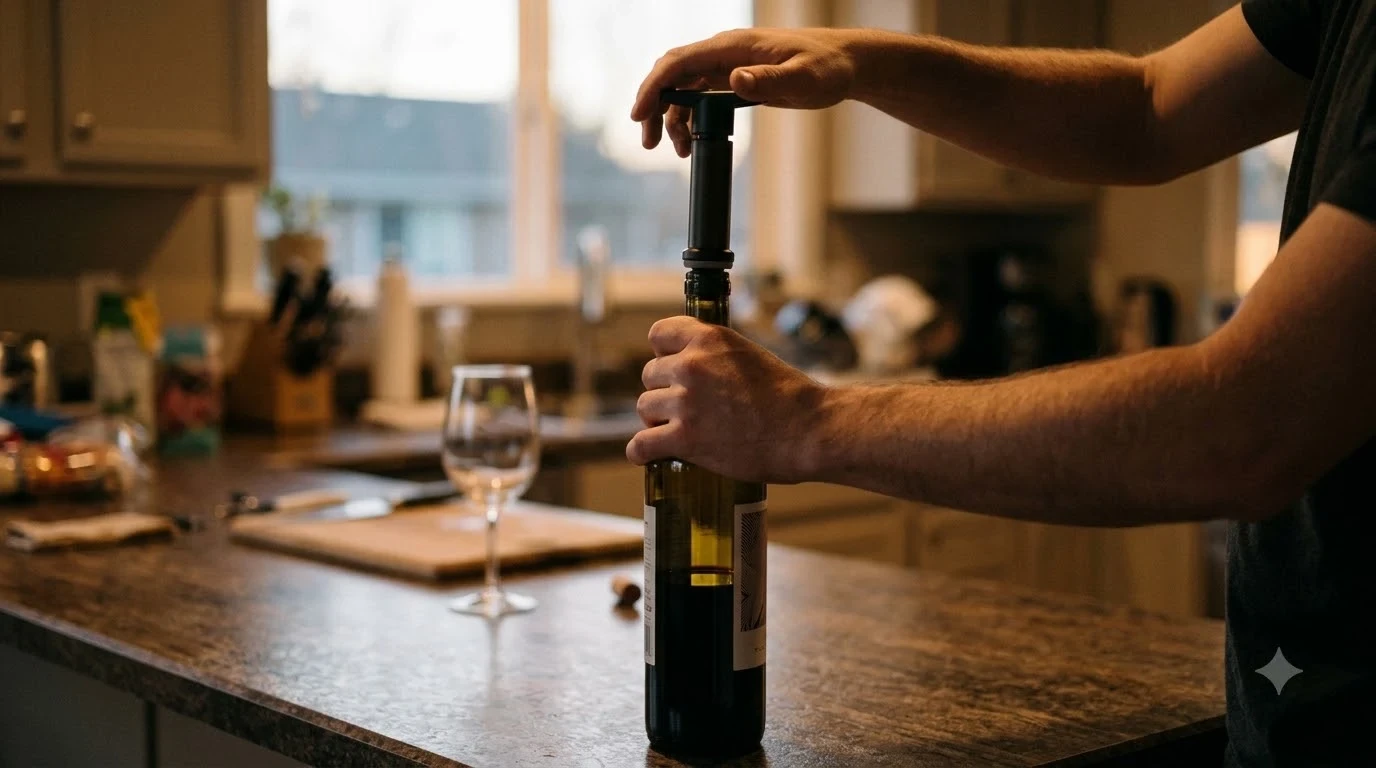
The best wine vacuum sealer for most homes is a manual hand-pump system paired with reusable silicone stoppers, which pulls excess air from an opened bottle to slow oxidation for up to a week. Casual weeknight drinkers benefit most from simple, dishwasher-safe hand pumps, whereas households juggling multiple open bottles or hosting frequent tastings get more mileage from electric auto-stop sealers or multi-bottle countertop units. Travelers and gift buyers often prefer compact, built-in pump stoppers or combo opener-and-preserver sets that keep clutter off the counter.
Once you pull a cork, oxygen immediately begins reacting with the volatile aroma compounds and fruit acids inside the bottle, turning vibrant flavors flat or vinegary within a couple of days. A reliable wine vacuum sealer removes a substantial portion of that headspace air through a one-way valve, extending the enjoyable window of everyday reds and whites without demanding bulky gas canisters or needle systems.
Quick Comparison
Different vacuum sealer designs trade off pumping effort, seal consistency, and counter footprint, so matching the mechanism to your drinking habits matters more than raw suction specs.
| Sealer Type | Suction Mechanism | Typical Freshness Window | Best Bottle Volume | Storage Footprint |
|---|---|---|---|---|
| Manual Hand-Pump Kit | Ergonomic piston pump with click indicator | 3 to 7 days (up to 10 refrigerated) | 1 to 4 open bottles | Drawer-sized |
| Electric Auto-Stop Sealer | Battery or USB-C motor with pressure sensor | 5 to 10 days | 2 to 6 open bottles | Small upright stand |
| Integrated Pump-Cap Stopper | Built-in top-press plunger per stopper | 3 to 5 days | 1 to 2 open bottles | Bottle-top only |
| Countertop Multi-Bottle Unit | Chilled cabinet or dock with active vacuum | 7 to 10 days | 2+ bottles simultaneously | Countertop appliance |
| 2-in-1 Electric Opener & Sealer | Dual-end motorized corkscrew and pump | 5 to 7 days | 1 to 3 open bottles | Charging base |
Best for Everyday Weeknight Drinkers: Manual Hand-Pump Systems
A classic manual hand-pump kit remains the most dependable, low-maintenance way to keep a Tuesday bottle of Pinot Noir or Sauvignon Blanc tasting bright through the weekend.
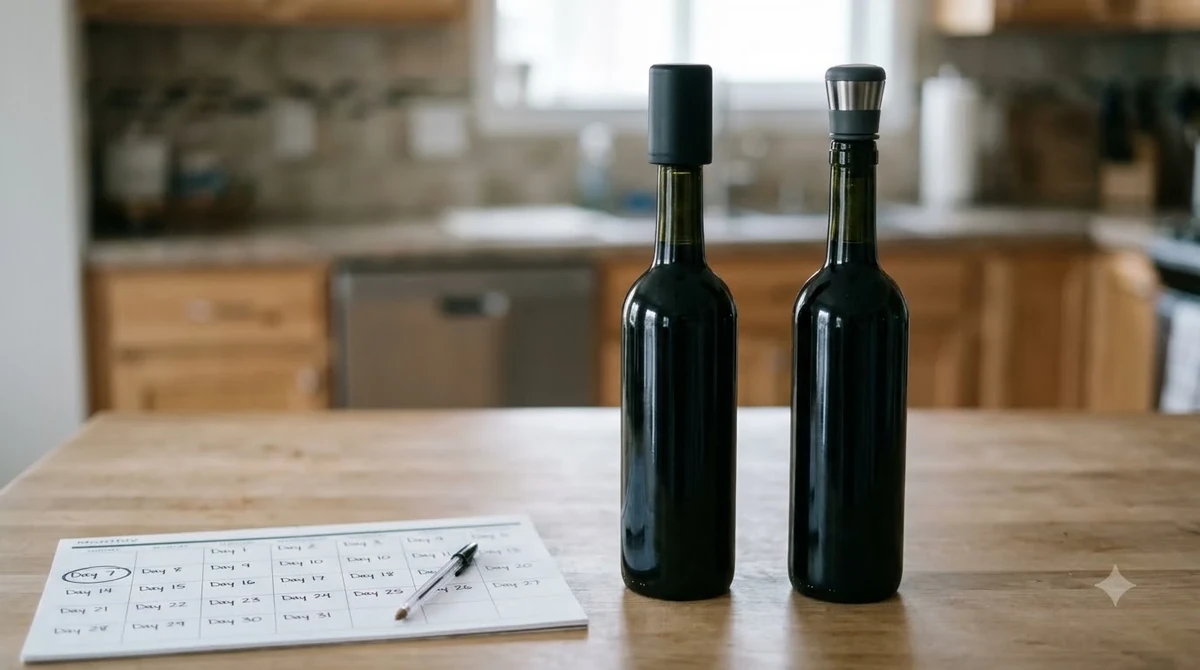
Why it stands out: According to Wine Folly’s open-wine preservation guide, a manual vacuum pump can keep opened bottles tasting fresh for up to one to two weeks when combined with cold refrigerator storage. Most quality kits use an ergonomic handle that produces an audible click once you reach the target vacuum pressure, removing guesswork so you do not over-pump and damage the silicone valve.
Keep in mind: Manual pumps require ten to twenty firm strokes depending on how much wine remains in the bottle, and the rubberized stoppers occasionally pick up red wine stains if they are not rinsed promptly. Best for: Solo sippers, couples, and casual drinkers who open one or two everyday bottles per week and want an indestructible tool that tucks neatly into a kitchen drawer or bar cart.
Best for Effortless One-Touch Sealing: Electric Auto-Stop Vacuum Sealers
Electric vacuum sealers automate the air-extraction process with a compact motorized pump that shuts off on its own the instant optimal negative pressure is reached.
Why it stands out: Instead of pumping by hand after dinner, you simply press the wand over a seated stopper and let the internal pressure sensor handle the rest in seconds. Reviewers at Wine Enthusiast note that electronic vacuum pumps deliver a consistently tight seal while eliminating wrist strain, and many modern designs include built-in digital date trackers or rotating dial rings so you never lose track of when a bottle was opened.
Keep in mind: You will need to recharge the unit via USB-C or swap batteries periodically, and electronic wands are slightly taller than manual pumps when stored upright. Best for: Frequent wine drinkers, anyone with limited hand strength, and hosts who reseal multiple bottles at the end of a dinner party.
Best for Travel and Picnics: All-in-One Pump-Cap Stoppers
All-in-one pump-cap stoppers build the vacuum plunger directly into the top of each individual stopper, eliminating the need to carry a separate pump wand.
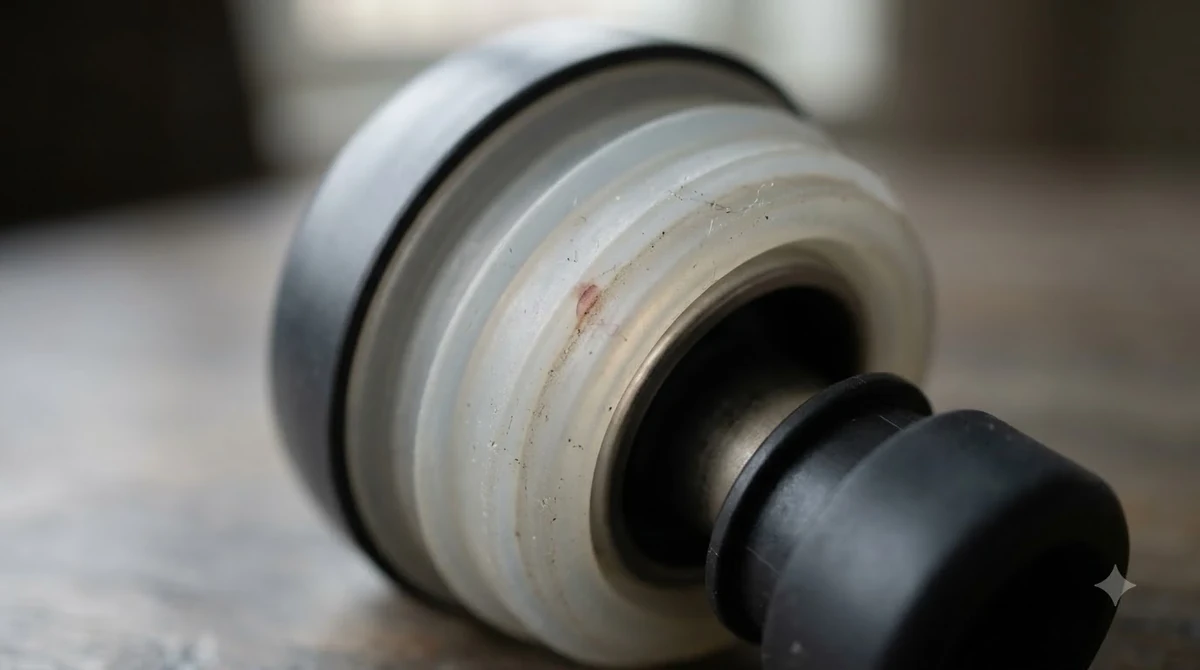
Why it stands out: Because the pumping mechanism lives inside the cap itself, you simply insert the stopper into the bottleneck and press down on the spring-loaded top a dozen times until resistance builds. Wine Enthusiast highlights lightweight vacuum stoppers as ideal companions for picnics, weekend road trips, and bringing a partially finished bottle home from a BYOB dinner without hunting for extra parts.
Keep in mind: Individual pump-cap stoppers generally create slightly less negative pressure than dedicated piston pumps, meaning delicate, low-tannin reds will peak closer to three or four days rather than a full week. Best for: Travelers, picnic packers, and minimalists who only keep one bottle open at a time.
Best for Multi-Bottle Tasting Flights: Countertop Vacuum Preservation Units
Countertop preservation docks and chilled vacuum cabinets hold two or more opened bottles upright while actively maintaining both vacuum pressure and serving temperature.
Why it stands out: Rather than relying on a single initial pump cycle that can slowly lose pressure over several days, powered countertop units monitor the seal continuously and regulate ambient warmth. As outlined in Wine Enthusiast’s breakdown of wine preservation methods, automatic vacuum systems paired with temperature control routinely preserve opened wines for seven to ten days while keeping whites chilled and reds at cellar temperature.
Keep in mind: These appliances occupy dedicated counter space, require a nearby wall outlet, and typically accommodate standard 750-milliliter Bordeaux or Burgundy bottle heights rather than oversized magnums. Best for: Enthusiasts who like comparing two or three wines side by side across a week without rushing through every pour.
Best for Hosts and Gifting: 2-in-1 Electric Opener and Vacuum Sealer Combos
Combo opener-and-preserver sets integrate a motorized corkscrew on one end with an automatic vacuum pump on the opposite end, consolidating two essential wine tools into a single cordless cylinder.
Why it stands out: Having uncorking and resealing unified in one charging base streamlines wine service from the first pour to cleanup, especially when paired with matching foil cutters and date-stamped stoppers. These cohesive kits look sharp on an open shelf or home bar setup and prevent stoppers from disappearing into cluttered utensil drawers.
Keep in mind: Because the housing contains two separate mechanical assemblies, combo units are heavier than standalone sealers and rely on proprietary stoppers tailored to the base diameter. Best for: Wedding or housewarming gift shoppers and home hosts outfitting a complete bar station from scratch.
How to Choose
Selecting the right vacuum sealer comes down to matching the stopper geometry, pressure feedback, and storage style to the wines you actually drink:
- Pressure feedback indicators: Look for manual pumps with an audible click or electric sealers with an automatic shutoff sensor. Without tactile or electronic feedback, it is easy to stop too early—leaving excess oxygen inside—or pump aggressively enough to unseat the valve.
- Food-grade silicone stopper fit: High-elasticity silicone grips both standard cork-finished necks and thinner screw-cap bottlenecks more reliably than stiff rubber. Check that replacement stoppers are easy to source, since silicone naturally relaxes after years of dishwasher cycles.
- Date-tracking dials: Numbered rings or digital displays built into the stopper collar remove the guesswork of remembering whether a bottle was opened on Wednesday or Saturday.
- Bottle capacity and fridge clearance: Knowing how many glasses in a bottle of wine helps you estimate how much headspace air you will need to evacuate after dinner. Also check that the inserted stopper adds minimal height so upright bottles still clear your refrigerator door shelves.
Tip: Never use a vacuum sealer on Champagne, Prosecco, or any sparkling wine—pulling a vacuum extracts dissolved carbon dioxide along with the air, leaving sparkling wine completely flat. Use a dedicated hinged pressure stopper for bubbly, and store vacuum-sealed still reds and whites upright in the refrigerator to slow oxidation even further.
Frequently Asked Questions
How long does wine actually stay fresh with a vacuum sealer?
Most still red and white wines stay vibrant for three to seven days under a vacuum seal, and storing the sealed bottle upright in the refrigerator can stretch that window to ten days. Delicate, lighter-bodied reds like Pinot Noir and older vintages oxidize faster than bold, tannic Cabernet Sauvignon or crisp, high-acid whites.
Can you use a wine vacuum sealer on screw-cap bottles?
Yes, flexible silicone vacuum stoppers fit snugly inside almost all standard 750-milliliter screw-cap bottlenecks. While twisting the original metal cap back on offers minimal protection once the factory seal breaks, pumping out the air with a silicone stopper creates a far tighter barrier against oxygen.
Should vacuum-sealed red wine go in the refrigerator?
Storing vacuum-sealed red wine upright in the fridge significantly slows down the chemical reactions that cause oxidation, even after you have removed most of the air. Simply pull the bottle out thirty to forty-five minutes before pouring so it warms back up to proper cellar serving temperature.
Is a vacuum sealer better than inert gas preservation?
Vacuum sealers are simpler, reusable, and require zero ongoing cartridge purchases, making them ideal for everyday bottles finished within a week. Inert argon gas systems cost more per pour and require consumable canisters, though they preserve fragile, age-worthy wines for weeks or months without disturbing sediment.
Whether you prefer a no-nonsense manual pump or an automatic countertop dock, removing oxygen is the easiest habit for wasting less wine and enjoying every glass at its peak. Explore more bottle-care essentials and serving tools in our Accessories Library to round out your home setup.
More in Wine Accessories
 Coravin Vs Vacu Vin: Choose the Right Wine Saver for Your BottlesUpdated Nov 21, 2026
 Zwilling Wine Stopper Review: Preserve Open Bottles LongerUpdated Nov 21, 2026
 Wine Enthusiast Wine Preserver Review: Features, Benefits and LimitationsUpdated Nov 21, 2026
 Wine Enthusiast Wine Stopper: An Easier Way to Reseal Open BottlesUpdated Nov 21, 2026
 Vintorio Wine Opener: Two-Step Cork RemovalUpdated Nov 21, 2026
 Zwilling Wine Aerator Review: Aerate, Pour, and Seal With One ToolUpdated Nov 21, 2026