

We may earn a commission when you buy through links on this page, at no extra cost to you. Learn more.
The best wine vacuum sealer for an opened bottle is a pump stopper that removes air from the bottle, with an electric model for frequent use and gas preservers for wine you want to keep longest. Air is the main enemy of an opened bottle, so any device that reduces oxygen in the bottle helps slow the change in flavor. Hand-pump stoppers are cheap and simple, electric stoppers take the effort out of pumping, and inert-gas preservers replace the air rather than pumping it out. A countertop food sealer is a different tool and is not made for an open bottle.
Once a bottle is opened, oxygen starts to change its flavor and aroma, and a stopper alone only slows that down. A wine vacuum sealer is any device that removes air from the bottle before it is closed again. The category ranges from simple pump stoppers to gas-based preservers and countertop food sealers that were never built for wine. This guide explains the main types, what each one does, and the points to check before you buy.
Quick Comparison of Wine Vacuum Sealer Types
The table compares the five types by how they remove air, whether they need power, how much effort they take, and what they suit. Start here, then read the section that matches how often you open a bottle.
| Type | How it works | Needs power? | Effort per use | Best for |
|---|---|---|---|---|
| Hand-pump stopper | Pump lever removes air | No | Moderate | Occasional use, low cost |
| Electric vacuum stopper | Motor removes air | Yes, rechargeable or battery | Low | Regular use |
| Inert-gas preserver | Gas fills the space above the wine | No | Low | Wine you want to keep longest |
| Pump-and-cap set | Several stoppers with one pump | No | Moderate | Households with several open bottles |
| Countertop food sealer | Seals bags, not bottles | Yes | High for wine | Food, not opened bottles |
The main split is between devices that remove air and devices that replace it. Pump stoppers and electric stoppers take air out of the bottle, while inert-gas preservers add a heavier gas over the wine so air cannot reach the surface. Both approaches aim at the same goal, but they work differently and suit different habits.
Best for Occasional Use: Hand-Pump Stoppers
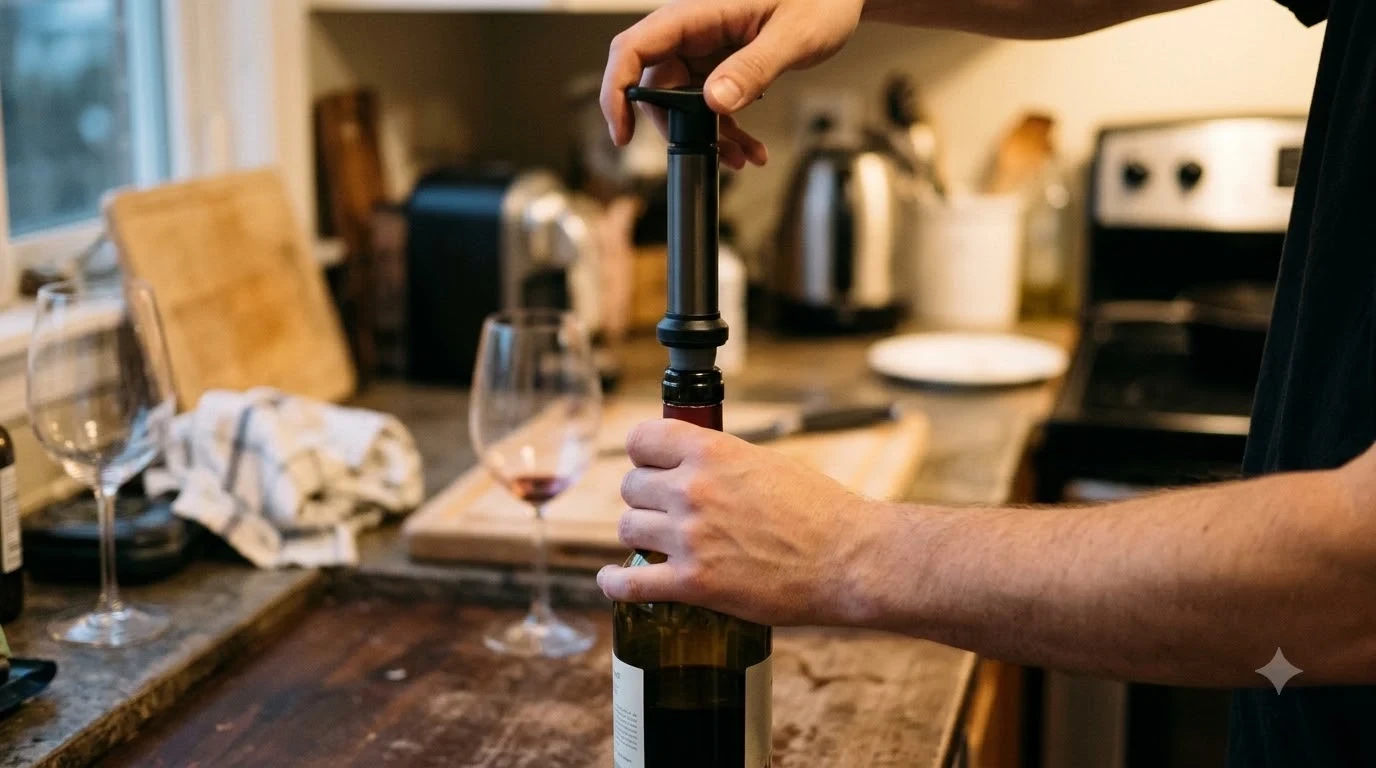
A hand-pump stopper is the simplest vacuum option. You push the stopper into the bottle, pump a lever or plunger to draw air out, and the stopper holds the vacuum until you pull it free. It suits a bottle you finish in a few days and a household that does not open many bottles.
Why it stands out: A pump stopper needs no power, no battery, and no charging, so it is always ready. The principle is easy to follow: less air in the bottle means less oxygen touching the wine. Many models are compact and fit in a drawer or next to the bottle on a shelf.
Keep in mind: Pumping takes effort, and the amount of air removed depends on how thoroughly you pump, so results vary from one person to the next. Check that the stopper seals snugly in the neck of your bottle and that the pump valve holds its vacuum. A stopper that leaks lets air back in, so test it by leaving it overnight before you rely on it.
Best for: Occasional drinkers, bottles you expect to finish within a few days, and buyers who want a low-cost option.
Best for Regular Use: Electric Vacuum Stoppers
An electric vacuum stopper uses a small motor to draw air out of the bottle. You press a button, the pump runs for a moment, and the stopper seals. For someone who opens a bottle most evenings, this takes most of the effort out of the routine.
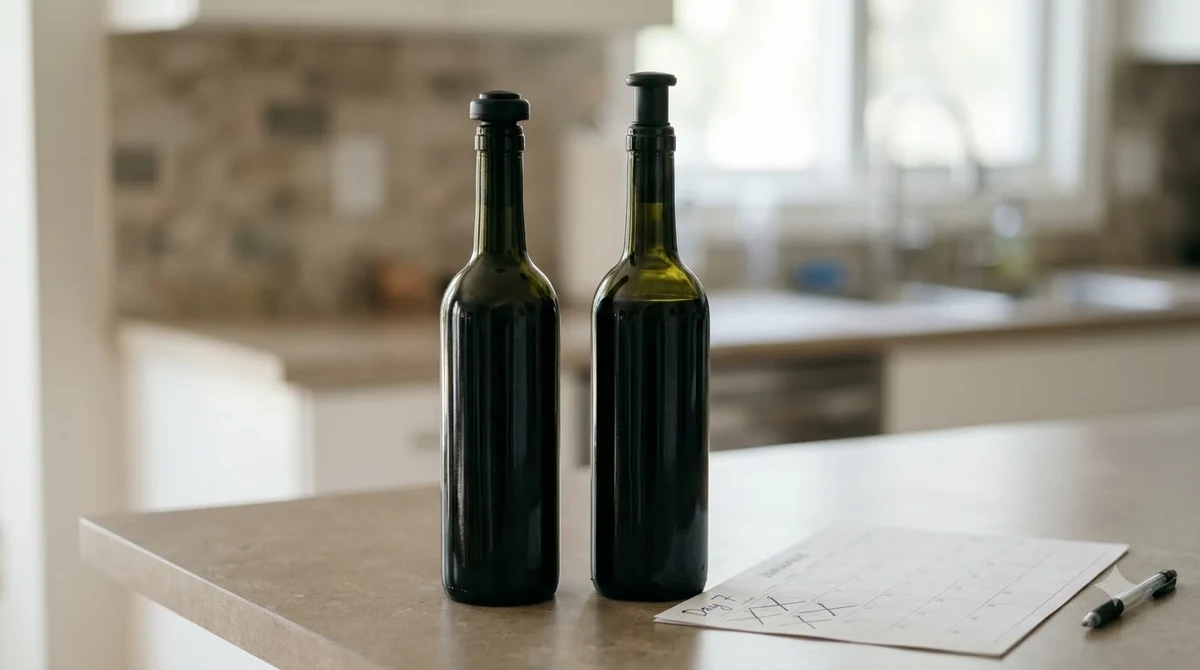
Why it stands out: A motor removes air more consistently than a hand can, and it takes only a few seconds per bottle. Many electric stoppers are rechargeable, and some include an indicator that shows when the seal is holding. Because the device is quick, people are more likely to use it every time, which matters when the aim is to keep the wine fresh.
Keep in mind: Electric stoppers need charging, and they add a part that can wear out. Check how the pump head fits the stopper, and look for a stopper that is easy to clean, because residue in the valve can affect the seal. Battery life and the number of cycles per charge vary, so read the specifications before you buy.
Best for: Daily drinkers, people who open a bottle and want to reseal it in seconds, and anyone who dislikes pumping by hand.
Best for Keeping Wine Longest: Inert-Gas Preservers
Inert-gas preservers take a different route. Instead of pulling air out, they release a heavier, unreactive gas into the bottle, which settles on top of the wine and forms a barrier between the liquid and the air. Argon and nitrogen are the gases most often used for this purpose.
Why it stands out: A gas layer covers the surface without pumping, so there is no pump to wear out and no motor to charge. The method also works on a bottle with a partly empty neck, since the gas fills the space directly. It is a good choice for a wine you want to keep for several days before finishing it.
Keep in mind: Gas cartridges run out, and each one covers a limited number of bottles, so factor the refill cost into your plan. Some preservers are sold as sprays or canisters, and the nozzle has to be placed above the wine rather than inside it. Use the gas only as directed, and keep the canister away from heat.
Best for: Wine you want to keep longest after opening, collectors who want to hold a bottle for a few days, and people who want no pump at all.
Best for Several Open Bottles: Pump-and-Cap Sets
A pump-and-cap set combines one pump with several stoppers, usually sized for different bottle necks. It suits a household that keeps a few open bottles at once, such as a red for dinner and a white for the weekend, and wants a single tool for all of them.
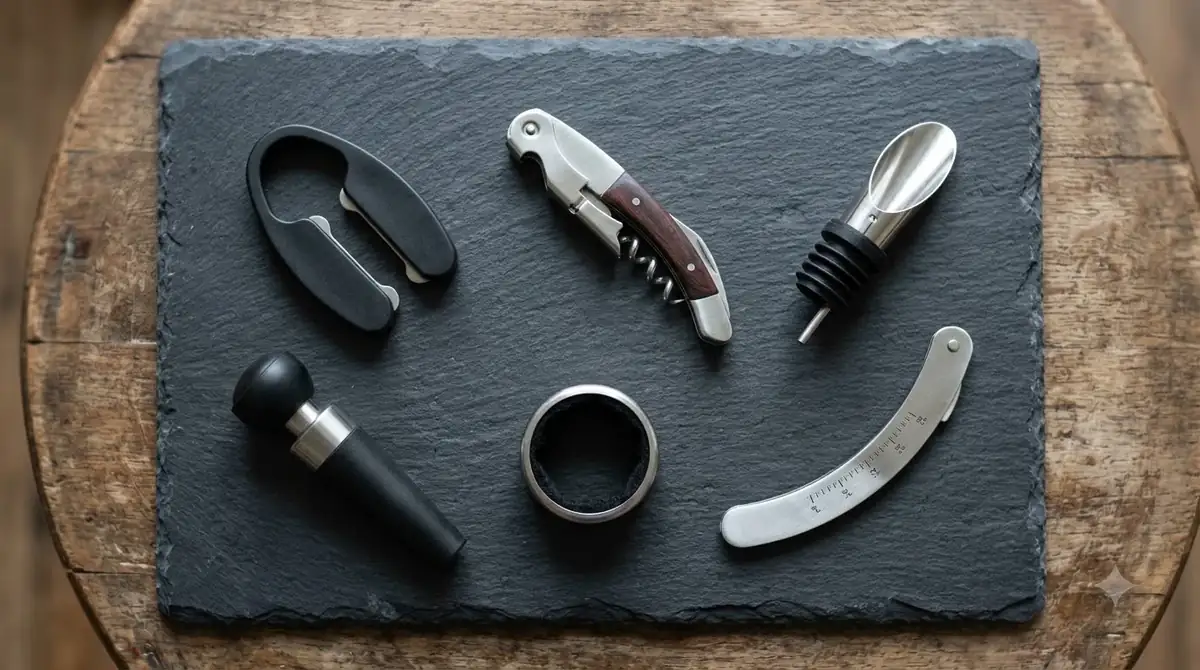
Why it stands out: A set saves money compared with buying several separate stoppers, and one pump can serve every bottle. Some sets include a stopper with a small indicator or a pump that fits more than one cap, which keeps the kit tidy. Having matching stoppers also makes it easy to spot which bottle is open.
Keep in mind: Check that the stoppers fit your bottle sizes. Wine bottles have a range of neck diameters, and a stopper that is too wide or too narrow will not seal. Keep the pump and each stopper together, because a missing part can make the rest of the set useless.
Best for: Households with several open bottles, buyers who want a complete kit, and anyone who wants one tool for both reds and whites.
Best for Food, Not Bottles: Countertop Food Sealers
Countertop food sealers use heat and a vacuum chamber to seal plastic bags, and they are built for food storage. They are often sold alongside wine accessories, which is why buyers sometimes ask whether they work on an opened bottle. For wine, the answer is usually no, unless the sealer includes a bottle adapter.
Why it stands out: A food sealer is strong and reliable for its intended job. It removes air from bags of dry goods and keeps them fresh for longer than a loose bag would. The same principle of reducing oxygen applies, which is why the appliance comes up in wine searches.
Keep in mind: A bag sealer is not a bottle sealer. Most models cannot grip the neck of a wine bottle, and a sealer that is not made for bottles can damage the bottle or leave residue on the seal. Check the manufacturer’s instructions before using any sealer with a bottle, and use a bottle adapter only if the device includes one.
Best for: Food storage and buyers who want a kitchen appliance first. For an open bottle, choose a stopper or gas preserver instead.
How to Choose the Right Wine Vacuum Sealer
Start with how often you open a bottle and how long you want the wine to last. A bottle you finish in one evening needs no special device, while a bottle you keep for several days benefits from a stopper or a gas layer. Then check the neck size, since a stopper must fit snugly to hold a vacuum or a gas layer.
| Your habit | Start with |
|---|---|
| Open a bottle once in a while | Hand-pump stopper |
| Open a bottle most evenings | Electric vacuum stopper |
| Keep wine for several days | Inert-gas preserver |
| Several open bottles at once | Pump-and-cap set |
| Need a food sealer | Countertop food sealer, not for bottles |
Storage matters as much as the stopper. Keep the reopened bottle in a cool spot, away from heat and direct light, because temperature and light also change wine over time. The Wikipedia article on vacuum packing explains the same principle behind these devices: removing oxygen slows the growth of spoilage organisms and keeps volatile flavors from evaporating. The method is well established for food, and it is the reason a stopper helps an opened bottle hold its character a little longer.
Frequently Asked Questions
How long does a vacuum stopper keep an opened wine fresh?
A vacuum stopper slows the change in an opened wine, but it does not stop it. The gain varies by wine, temperature, and how well the stopper seals, so check the wine by taste before you pour. Refrigerate the bottle to slow change further.
Is a wine vacuum sealer the same as a food vacuum sealer?
No. A food sealer seals plastic bags, while a wine sealer is a stopper or cap that fits the bottle neck. Some food sealers include a bottle adapter, but most do not, so check before you try it on a bottle.
Do I need to refrigerate wine after using a vacuum stopper?
Refrigeration helps most white and sparkling wines and many lighter reds, because cooler temperatures slow change. A stopper and cool storage work together, so put the bottle in the fridge after sealing it, and bring it back to serving temperature before pouring.
Are inert-gas preservers safe to use?
They are designed for use with wine when used as directed. Use the nozzle only above the surface, keep the canister away from heat, and follow the manufacturer’s instructions. Do not spray the gas into a glass or a bottle that is being poured.
A good wine vacuum sealer fits your habits and your bottle necks. Pick the type that matches how often you open a bottle, then keep the wine cool and out of direct light. For more ideas on keeping a home bar in order, browse the Accessories Library or plan a set-up with a bar cart, and check how many glasses a bottle yields with the guide on how many glasses in a bottle of wine.
More in Wine Accessories
 Coravin Vs Vacu Vin: Choose the Right Wine Saver for Your BottlesUpdated Nov 21, 2026
 Zwilling Wine Stopper Review: Preserve Open Bottles LongerUpdated Nov 21, 2026
 Wine Enthusiast Wine Preserver Review: Features, Benefits and LimitationsUpdated Nov 21, 2026
 Wine Enthusiast Wine Stopper: An Easier Way to Reseal Open BottlesUpdated Nov 21, 2026
 Vintorio Wine Opener: Two-Step Cork RemovalUpdated Nov 21, 2026
 Zwilling Wine Aerator Review: Aerate, Pour, and Seal With One ToolUpdated Nov 21, 2026