

We may earn a commission when you buy through links on this page, at no extra cost to you. Learn more.
The best wine fridge with ice maker setup is often a pairing rather than one appliance, because wine wants a steady cool temperature and ice making depends on a freezing cycle and a water supply. A combined unit can work for a bar or entertaining space, but a separate wine fridge and a separate ice maker usually give better results. Choose based on where the unit will sit, whether it needs a water line, and how much wine and ice you serve in a typical evening.
Many home bars are planned around two needs at once: chilled wine for guests and a steady supply of ice for drinks. A wine fridge with an ice maker sounds like the simplest way to cover both, but the two jobs are not the same. This guide explains where combined units make sense, where a separate pair of appliances is the better choice, and what to check before buying.
Quick Comparison of Wine and Ice Setups
The table compares the common ways to put wine storage and ice making in one space. The rows are qualitative, because specifications differ widely between manufacturers and models.
| Setup | Temperature control | Ice supply | Installation | Main drawback |
|---|---|---|---|---|
| Single combined wine and ice unit | Compromised by the ice section | Built in, limited output | Simple, one footprint | Neither function gets full capacity |
| Separate wine fridge and ice maker side by side | Dedicated to wine | Dedicated to ice | Two units, more planning | Uses more cabinet space |
| Countertop portable ice maker plus wine fridge | Dedicated to wine | Portable, filled by hand | No plumbing needed | Needs manual refilling |
| Built-in ice maker with a water line | Dedicated to wine nearby | Continuous, plumbed in | Needs a water supply and drain planning | Harder to move later |
In short, a combined unit is the most compact choice but the least flexible. Separate appliances cost more space and planning, yet each one can be set for its own job.
Best for a Single Combined Unit in a Bar Area
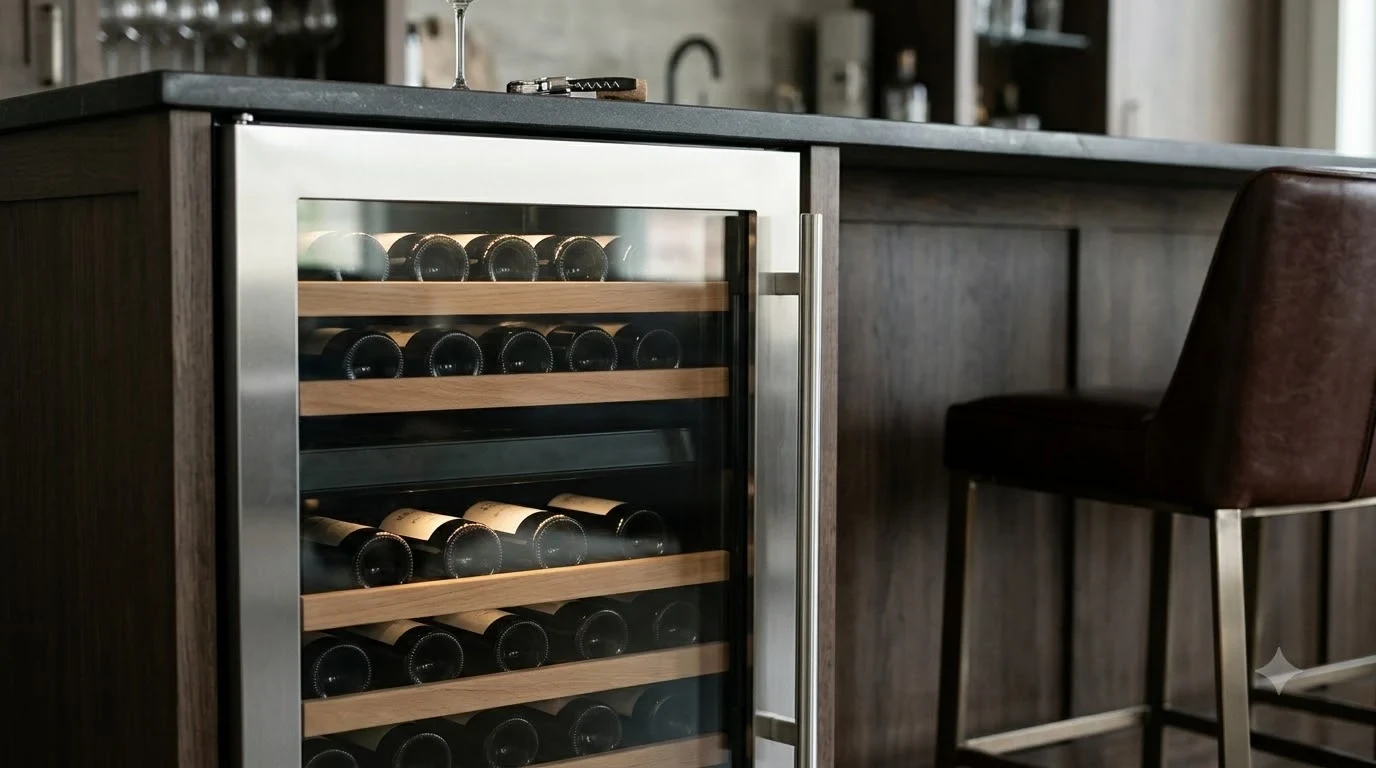
A single appliance that handles wine and ice fits a compact home bar. It keeps the setup in one spot, which is useful when the bar sits in a corner or against a wall.
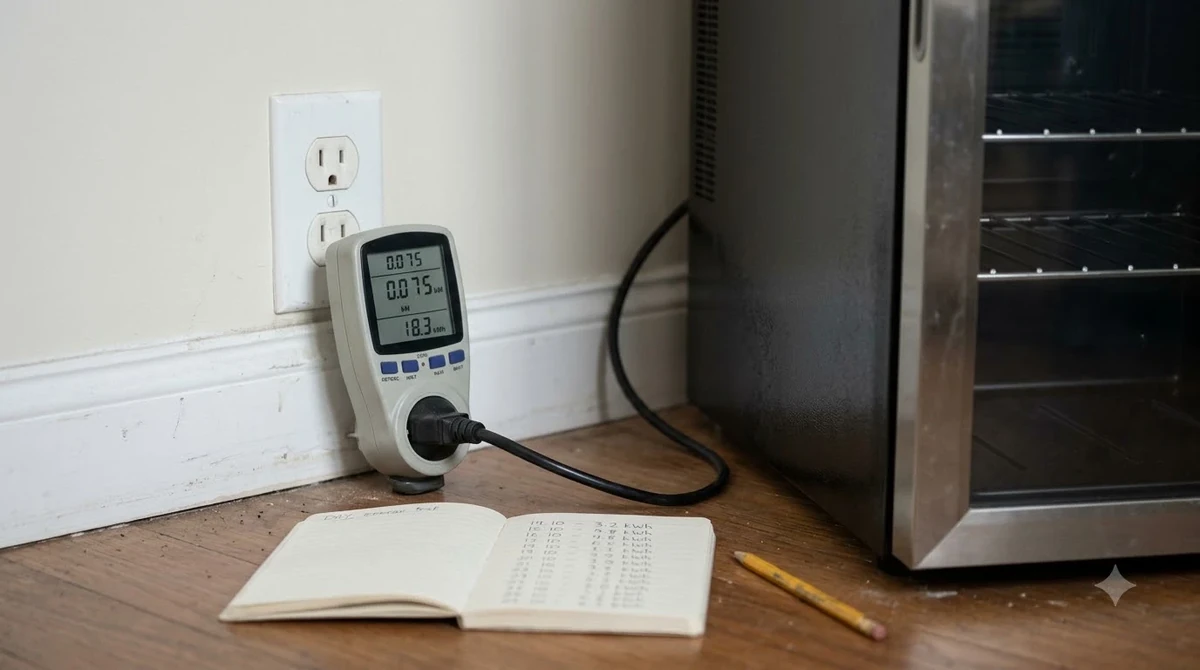
Why it stands out: One footprint and one set of cabinetry make the bar look tidy and simple to install. Guests can reach both the chilled wine and the ice without walking to a second spot, and the unit is easy to plan around when space is limited.
Keep in mind: A combined design has to split its cooling capacity between two jobs, so it may not hold a large number of bottles at a steady temperature. Ice output is also shared with the rest of the drink service. Check the rated temperature range and ice capacity before choosing this route.
Best for: small home bars and entertaining spaces where a few bottles and a steady supply of ice are enough.
Best for Separate Units Side by Side
Two dedicated appliances placed next to each other give each function its own setting. This is the more flexible option for households that serve wine often or want a large ice supply.
Why it stands out: A wine fridge can hold a steady band for storage and serving, and a separate ice maker can run its freezing cycle without affecting the bottles. Either unit can be replaced or moved without touching the other.
Keep in mind: Two appliances take up more cabinet width and need a plan for ventilation on both sides. Make sure the wine fridge has its own clearance and that the ice maker’s water and drain needs are met.
Best for: homeowners with a dedicated bar or kitchen island who want each function to work without compromise.
Best for Entertaining with Ice and Chilled Wine
Parties put a steady demand on both wine and ice, and a setup that keeps up with a long evening is worth the extra planning. The goal is to avoid running out of either one at the busiest moment.
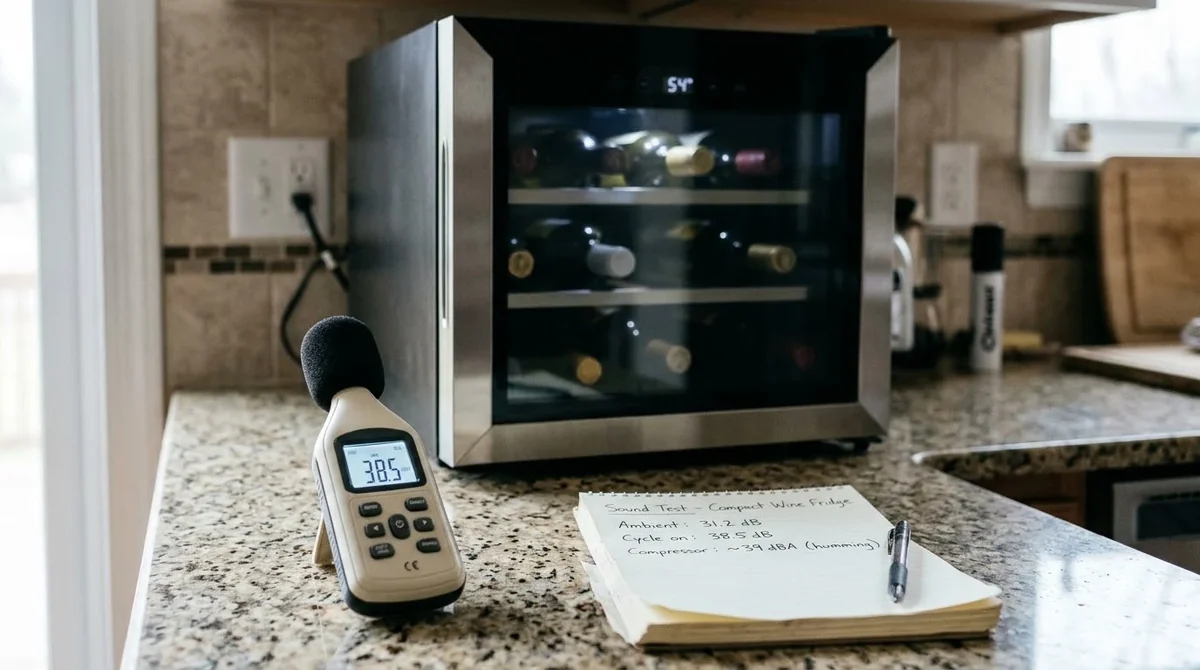
Why it stands out: Chilled wine and a steady ice supply make a home bar feel complete without a trip to the shop. A unit that stays in the room keeps the drinks close to the guests and reduces the number of times the kitchen door opens during service.
Keep in mind: Frequent door openings let warm air in, which affects a wine fridge more than a freezer. Keep bottles that are being chilled for a party in a spot that is easy to reach, and avoid stacking them so the air can circulate. For a sense of how much wine a party needs, see our guide on how many glasses are in a bottle of wine.
Best for: hosts who plan regular gatherings and want drinks ready without last-minute trips.
Best for Small Kitchens with Limited Cabinet Space
In a small kitchen, every cabinet opening counts. A compact ice maker and a slim wine fridge can share a counter or sit in a single run of cabinets, provided each one has space to vent.
Why it stands out: A portable countertop ice maker needs no plumbing and can be moved or stored when not in use. Paired with a slim wine fridge, it keeps the setup modest and flexible.
Keep in mind: A portable ice maker must be filled by hand, which becomes tiresome during a busy evening. A countertop unit also takes up working space, so plan where it goes before the wine fridge is placed next to it. Our page on wine and beer fridges covers other compact pairings.
Best for: apartments and small kitchens where plumbing is not an option.
Best for Built-In Installation with a Water Line
A built-in ice maker is designed to fit under a counter and can be connected to a water supply, which removes the need for refilling. It pairs well with a wine fridge placed in the same run of cabinetry.
Why it stands out: Built-in units are engineered to sit under a kitchen or bar counter, and a plumbed connection keeps ice flowing without manual filling. The result looks integrated and is easy to use during service.
Keep in mind: Installation needs a water supply and planning for drainage, so the job is not a simple plug-in. If the bar is being built from scratch, plan the water line and the wine fridge’s ventilation at the same time to avoid rework.
Best for: renovations and new builds where the bar can be planned around both appliances from the start.
How to Choose a Wine Fridge and Ice Maker Setup
Decide first whether the space needs one appliance or two, then check the practical details. Plumbing, ventilation and capacity matter more than the number of features listed on the box.
- Use: a combined unit suits light use; separate appliances suit regular entertaining.
- Water: plumbed ice makers save refilling time, while portable units need no installation.
- Ventilation: confirm the clearance each appliance needs, and do not place them where their vents are blocked.
- Storage: check whether the wine section holds the number of bottles you serve in one evening.
- Future changes: separate units are easier to replace or move than a single combined unit.
Tip: Sketch the bar on paper with both appliances, the water line and the outlet before you buy. Most problems with combined setups come from a clearance or plumbing detail that was missed at the planning stage.
For more on sizing and features, visit the Specs and Features section. If humidity control matters for your bottles, the guide to a wine fridge with humidity control covers that separately.
Frequently Asked Questions
Can one appliance keep wine cold and make ice?
Yes, some combined units do both, but each function usually runs with less capacity than a dedicated appliance would. They suit light home use. For regular entertaining, a separate wine fridge and ice maker usually work better.
Does an ice maker need a water line?
Not always. Portable countertop units are filled by hand, while built-in units are designed to connect to a water supply. Freezer-style ice makers draw from the home’s cold water line. Check the manufacturer’s requirements before planning the install.
Where should a wine fridge go next to an ice maker?
Keep both appliances away from direct sun and heat sources, and make sure each has clearance for ventilation. Placing them side by side in one run of cabinets is common, provided the vents are not blocked and the wine fridge is not pushed against a hot appliance.
Is a portable ice maker enough for a home bar?
It can be, if the bar serves small groups and you are willing to refill the unit during the evening. Portable units are the fastest and smallest option, but they do not connect to a water supply, so a steady supply of ice for a large party may need more planning.
A wine fridge and an ice maker can share one bar, but the best setup depends on space, plumbing and how often you entertain. Plan the vents and water first, then decide whether one combined appliance or two dedicated units will serve the room well.
More in Wine Fridge Features
 Best Wine Fridge Bar Cabinet Setups for a Better Home BarUpdated Nov 20, 2026
 Wine Fridge for Champagne Bottles: Sizes and Storage GuideUpdated Nov 18, 2026
 Best Wine Fridge for Champagne Bottles: Shelf and Bottle FitUpdated Nov 18, 2026
 Best Wine Fridge with Display Shelf: Glass Doors and Open RacksUpdated Nov 18, 2026
 Best Wine Fridge With Drawers for Easy Access to Every BottleUpdated Nov 18, 2026
 Best Wine Fridge With Freezer: Combo Styles for Kitchens and BasementsUpdated Nov 18, 2026