

We may earn a commission when you buy through links on this page, at no extra cost to you. Learn more.
The best wine funnel for most home cellars is a stainless steel or glass funnel with a removable fine-mesh strainer, because it handles both quick transfers and sediment-heavy bottles without reacting with the wine. Material and strainer design matter more than size. Choose by how you plan to use it: topping up, decanting older bottles, or moving wine into smaller containers.
A wine funnel is a conical tool that guides liquid from one container into another, usually into a bottle, decanter, or storage vessel. People search for a best wine funnel for several reasons: they want to decant an older bottle without stirring up sediment, move wine into a smaller bottle, or fill a container with a narrow neck. The options below are grouped by need, so you can match a design to the job. If you are still working out how much wine a bottle holds, the guide on how many glasses are in a bottle of wine gives the basic numbers. The Accessories Library lists other tools that often sit beside a funnel.
Quick Comparison of Wine Funnel Types
Most wine funnels differ in four ways: the material, whether they include a strainer, the size of the opening, and how easily they clean. The table compares the main types.
| Type | Typical material | Strainer | Best job | Cleaning effort |
|---|---|---|---|---|
| Stainless steel with mesh strainer | Stainless steel | Yes, fine mesh | Decanting older bottles | Moderate |
| Glass funnel | Glass | Sometimes | Clear transfers and small batches | Easy |
| Flexible silicone funnel | Silicone | Usually no | Narrow necks and tight spaces | Easy |
| Large-capacity funnel | Plastic or steel | Sometimes | Moving larger volumes | Moderate |
Best for Decanting Older Bottles
Older wines and unfiltered bottles can throw sediment, which settles on the bottom or the side of the bottle. A decanting funnel with a fine mesh strainer catches the sediment as the wine is poured, so the clear wine ends up in the decanter. The principle is the same one that makes a decanter useful: the wine is separated from the sediment left in the original bottle, as the Wikipedia entry on decanters explains.
Why it stands out: The strainer catches sediment that a plain funnel would let through. A stainless steel body is sturdy and holds up to repeated use.
Keep in mind: Fine mesh can slow the pour, and it needs careful rinsing after each use. Check that the mesh sits firmly in the funnel so it does not shift while you pour.
Best for: Anyone who decants older or unfiltered bottles and wants to keep the sediment out of the glass.
Best for Clear Transfers and Small Batches
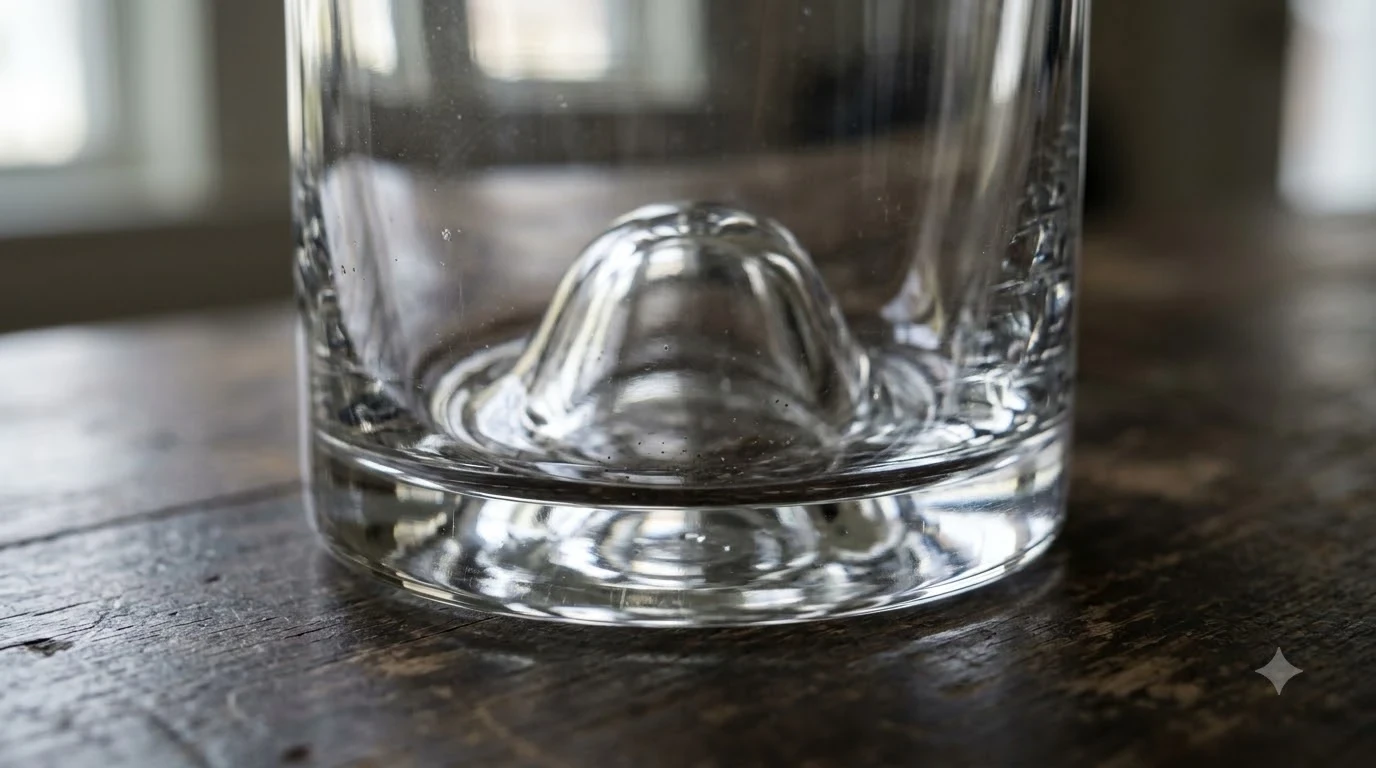
A glass funnel is the simplest option for moving wine from one container to another. Glass does not react with wine, which is the main reason it is a common choice for transfers. The Wikipedia entry on funnels notes that the material must be strong enough for the liquid and must not react with it, which is why glass and stainless steel are often chosen for demanding jobs.
Why it stands out: It is easy to clean and shows the wine as it pours, which helps you spot sediment or cloudiness. It works well for small volumes and for topping up a bottle.
Keep in mind: Glass is fragile and needs a careful grip. Most glass funnels do not include a strainer, so a separate mesh or cheesecloth may be needed when sediment is a concern.
Best for: Home cellars that do small transfers and want a clear view of the pour.
Best for Narrow Necks and Tight Spaces
Some bottles, flasks, and containers have narrow openings that a rigid funnel will not fit. A flexible silicone funnel bends to reach these openings, and its soft rim can seal lightly against the neck. That flexibility makes it useful for transferring wine into bottles that are not standard.
Why it stands out: It folds or bends to fit tight spaces and is easy to store in a drawer. It is light and quiet to use.
Keep in mind: Silicone usually lacks a strainer, and it can hold odors if it is not washed promptly. Check the temperature rating before using it with hot liquids.
Best for: Anyone who fills unusual containers or needs a compact tool for occasional transfers.
Best for Moving Larger Volumes
When you are moving more than a single bottle’s worth of wine, a large-capacity funnel saves time. These funnels have a wider mouth and a bigger body, so the wine flows faster and the pour is less likely to spill. They suit home winemakers who transfer wine between carboys or bottle a batch in stages.
Why it stands out: It moves more liquid in less time and reduces spills during larger transfers.
Keep in mind: A large funnel takes up more space and is harder to clean in a small sink. Check the diameter against the opening of the container you are filling.
Best for: Home winemakers and cellar owners who handle larger volumes at a time.
Best for Bar Setups and Serving Stations
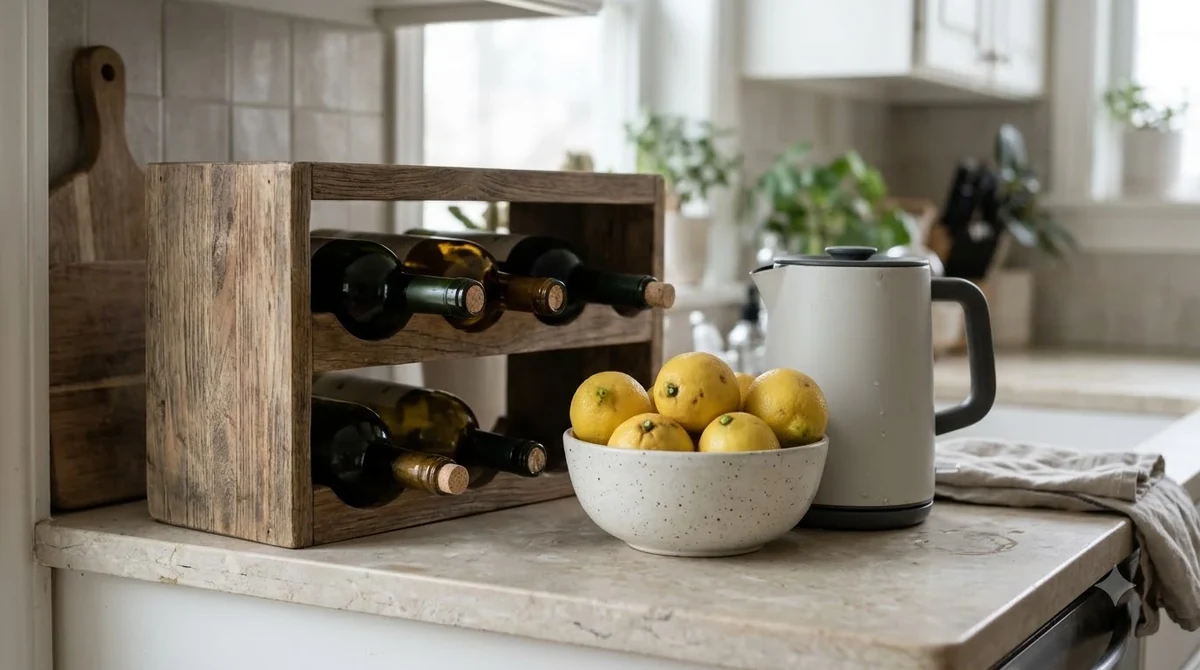
A funnel that lives on a bar cart or near a serving station is used often, so its finish and storage matter. A stainless steel or glass model with a simple, easy-to-grip shape looks tidy next to bottles and glassware, and it can be stored with the other pouring tools. The main goal is to keep it visible and within reach.
Why it stands out: It stays where you need it, and a clean finish fits a home bar. It works for topping up bottles or refilling a decanter during service.
Keep in mind: Decorative finishes can scratch or show water spots, so dry the funnel after washing. Keep it away from heavy items that could dent a thin body.
Best for: Hosts who want a practical funnel that also looks at home beside other serving tools.
How to Choose a Wine Funnel
The right funnel depends on what you are moving, how sensitive the wine is to sediment, and how much cleaning you want to do. The points below help narrow the field before you compare products.
- Material: Stainless steel and glass are common for wine because they do not react with it. Plastic and silicone are practical for everyday tasks but check the rating for the job.
- Strainer: If you decant older bottles, a fine-mesh strainer matters more than size.
- Opening size: Match the funnel neck to the bottle or container you are filling, so the wine does not overflow.
- Cleaning: A funnel with a removable strainer is easier to rinse thoroughly, which keeps residue from spoiling the next batch.
- Storage: A compact funnel fits a drawer, while a large one may need a shelf or hook.
If you are also deciding how much to pour per bottle, the glass count guide is a useful companion when planning a transfer or a gathering.
It also helps to plan the order of the job before you open the bottle. Set the funnel, strainer, and receiving container within reach, and keep a clean towel nearby for drips. If you are decanting an older wine, pour slowly and watch the neck of the bottle as the level drops, since the sediment tends to move toward the shoulder when the bottle is disturbed. Stopping early leaves a small amount of wine behind, which is usually a better trade than letting sediment into the decanter.
Frequently Asked Questions
Do I need a funnel to decant wine?
Not always. Some people pour wine straight into a decanter, but a funnel with a strainer keeps sediment out of the decanter when the bottle is older or unfiltered. A decanter is commonly a glass vessel that holds about one standard 0.75-liter bottle.
What material is best for a wine funnel?
Stainless steel and glass are common choices because they do not react with wine. Plastic and silicone can work for everyday tasks, but check that the material suits the liquid and the temperature you are using.
Can a funnel remove sediment from wine?
A funnel with a fine-mesh strainer can catch larger sediment particles as the wine is poured. A plain funnel does not filter sediment, so it is only useful for transfers where sediment is not a concern.
How do I clean a wine funnel after use?
Rinse it right after use with warm water, remove any strainer, and dry all parts fully before storing. Residue left in the mesh or the seam can affect the next batch, so pay attention to those areas.
A wine funnel is a small tool with a clear job. Choose the material and the strainer first, then match the size to the containers you fill. For more ideas on setting up a home bar, the bar cart guide shows how pouring tools and serving pieces can sit together.
More in Wine Accessories
 Coravin Vs Vacu Vin: Choose the Right Wine Saver for Your BottlesUpdated Nov 21, 2026
 Zwilling Wine Stopper Review: Preserve Open Bottles LongerUpdated Nov 21, 2026
 Wine Enthusiast Wine Preserver Review: Features, Benefits and LimitationsUpdated Nov 21, 2026
 Wine Enthusiast Wine Stopper: An Easier Way to Reseal Open BottlesUpdated Nov 21, 2026
 Vintorio Wine Opener: Two-Step Cork RemovalUpdated Nov 21, 2026
 Zwilling Wine Aerator Review: Aerate, Pour, and Seal With One ToolUpdated Nov 21, 2026