

We may earn a commission when you buy through links on this page, at no extra cost to you. Learn more.
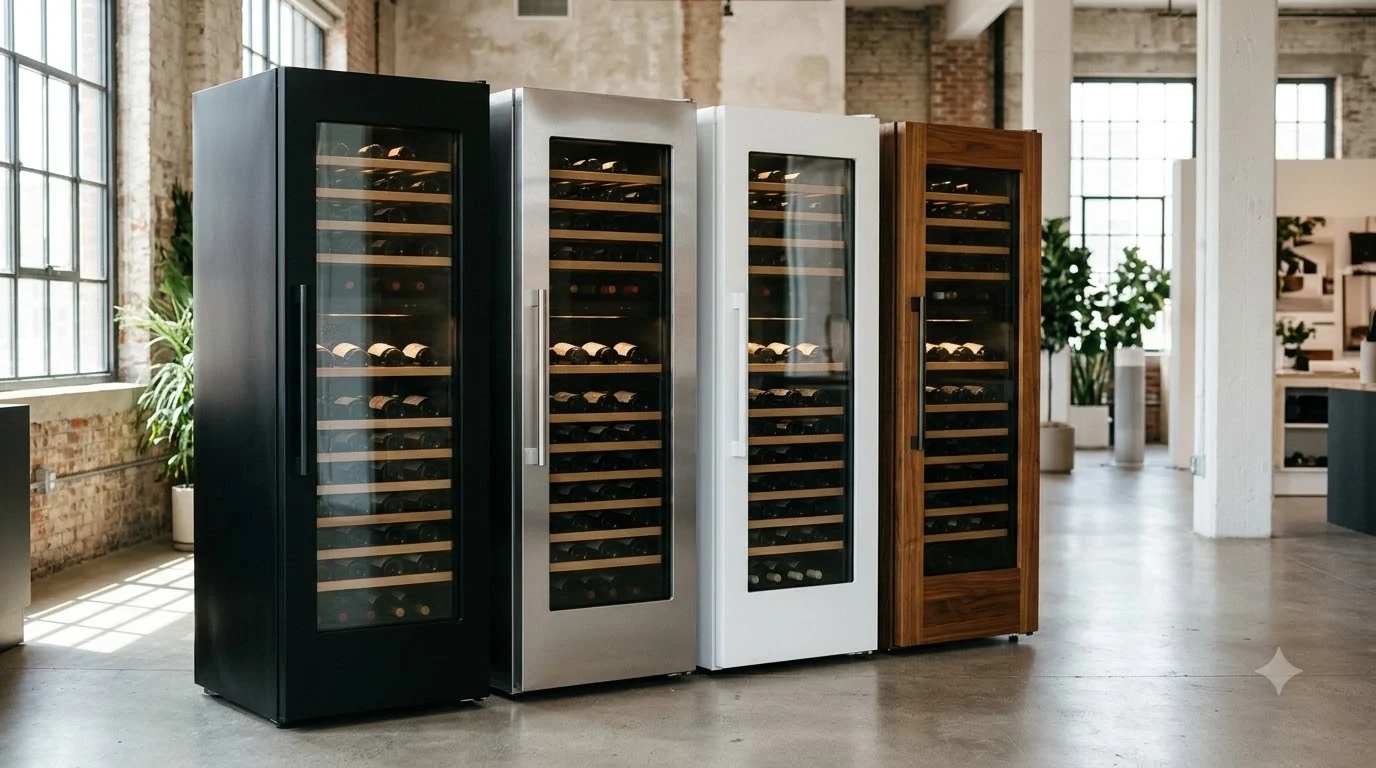
The best wood pallet wine rack is the one that matches your space and the number of bottles you keep. A leaning rack suits a small counter, a stacked cube grid fits a pantry corner, a wall panel works where bottles are on display, a tall build holds a large collection, and a hidden cubby keeps wine out of sight. Choose the style first, then build or buy the version that fits the wall, floor, or nook you have.
Wood pallets are a common starting point for home wine storage, and wood is the most common material for wine racks in general. The Wikipedia overview of wine racks notes that redwood, mahogany, pine, oak, cedar, and fir are all used, and that wood is easy to obtain and work with. Pallet boards offer that same familiar look at a low cost of entry, but they also raise questions about condition, treatment, and stability. This guide covers five styles, explains what each one does well, and ends with a checklist for choosing the right design.
Quick Comparison of Pallet Wine Rack Styles
Before looking at each style, use this table to narrow the field. It compares the space each style needs, its rough bottle capacity, and how much building skill it usually requires.
| Style | Best for | Space needed | Rough bottle capacity | Build effort |
|---|---|---|---|---|
| Leaning countertop rack | Small kitchens | A counter corner | A few bottles | Low |
| Stacked cube grid | Pantries and corners | A wall or corner footprint | Many bottles | Medium |
| Wall-mounted panel | Display-first rooms | Wall space only | A few bottles | Low to medium |
| Floor-to-ceiling rack | Large collections | A full wall | The most bottles | High |
| Hidden nook cubby | Under-stair or utility nooks | An unused nook | Medium | Medium to high |
The short version is that smaller designs are quick to build and hold a few bottles, while taller or hidden designs take more planning and store far more. Pick the style that fits your space first, then check the details that follow.
Best for Small Kitchens and Countertops
A leaning or countertop pallet rack is the simplest build in this guide. It sits in a counter corner, on top of a sideboard, or on a narrow shelf, and it holds the few bottles you open most often. Because the frame is low and open, it suits a farmhouse or rustic kitchen and does not crowd the room.
Why it stands out. A small rack keeps the everyday bottle within reach without using floor space. Two or three pallet boards can be cut to a short length and fixed into a simple frame, so the first version is a modest project that most people can finish in a weekend.
Keep in mind. Capacity is limited, so this style works best as a daily-use rack rather than long-term storage. Sand every board smooth and seal the surface with a finish suitable for an area where food is prepared, so splinters and loose wood dust stay away from the bottles.
Best for. Renters, apartment kitchens, and anyone whose wine is mostly for weeknights and casual meals.
Best for Corners, Pantries, and Stacked Storage
A stacked cube grid uses the same boards to form a set of openings, with each cube holding one bottle. It fills a corner or a pantry wall without much extra depth, and it keeps labels visible at a glance. The Wikipedia overview lists cube racks among the common formats for storing bottles, so this layout is a natural choice for a home build.
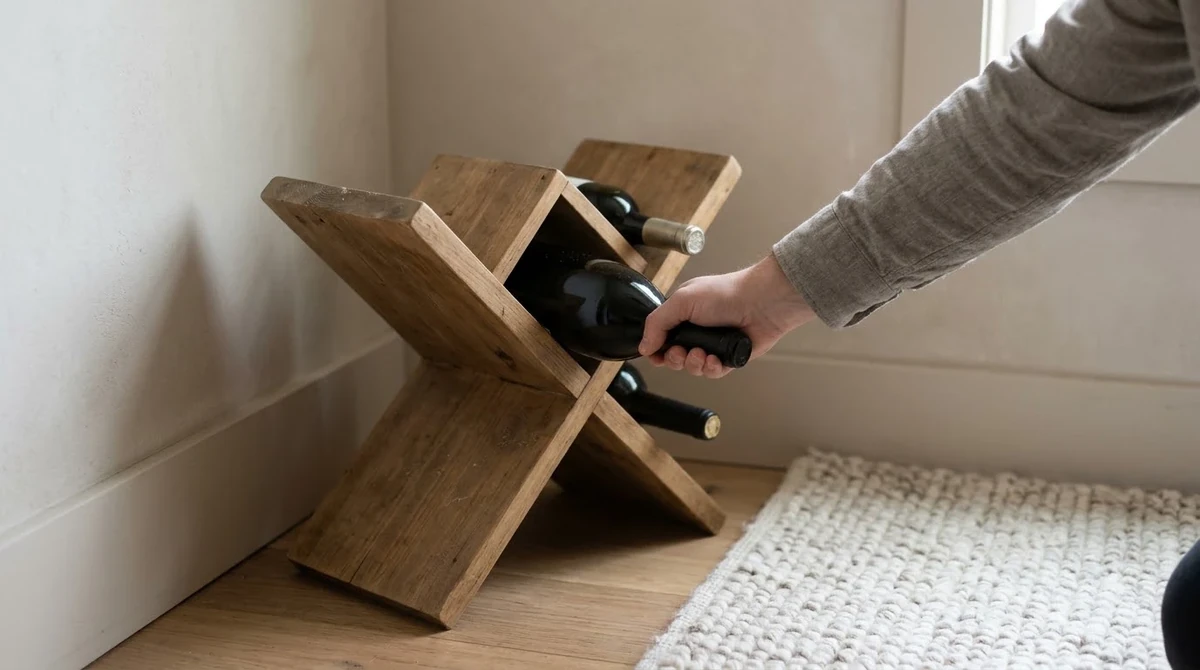
Why it stands out. A cube grid holds far more bottles than a single leaning rack in roughly the same footprint. Because each opening is separate, you can sort bottles by region or style and always know where a particular bottle sits.
Keep in mind. Cube size matters. Measure a standard bottle, including the shoulder, and leave a small margin so bottles slide in and out without scraping the wood. Build the lower row from the sturdiest boards, since it carries the weight of everything above it.
Best for. Pantries, garages, and anyone who buys wine by the case. If you buy by the case, check how many bottles in a case of wine you will need to store before you choose the grid size.
Best for Display-First Walls
A wall-mounted pallet panel turns a few bottles into a feature. It works best in a dining room, a home bar corner, or a hallway where guests can see the labels up close.
Why it stands out. Wall-mounted racks are mainly decorative and hold only a few bottles, as the Wikipedia overview points out. For a display-first room, that limit is an advantage: you keep only the bottles you want to show, and the wall stays uncluttered.
Keep in mind. Full bottles are heavy, so mount the panel into studs or use wall anchors rated for the full load. Keep displayed bottles away from direct sun and heat sources such as radiators. Treat a wall panel as a showcase rather than a cellar, because light and warmth change wine over time.
Best for. Dining rooms, home bars, and collectors who want a few favorite labels on show. For a wider look at wall designs, see these wall mounted wine rack ideas.
Best for Large Collections and Floor-to-Ceiling Builds
A tall pallet rack fills a full wall and offers the most room of the five styles. It suits a collection that has outgrown a countertop rack or a single cube grid.
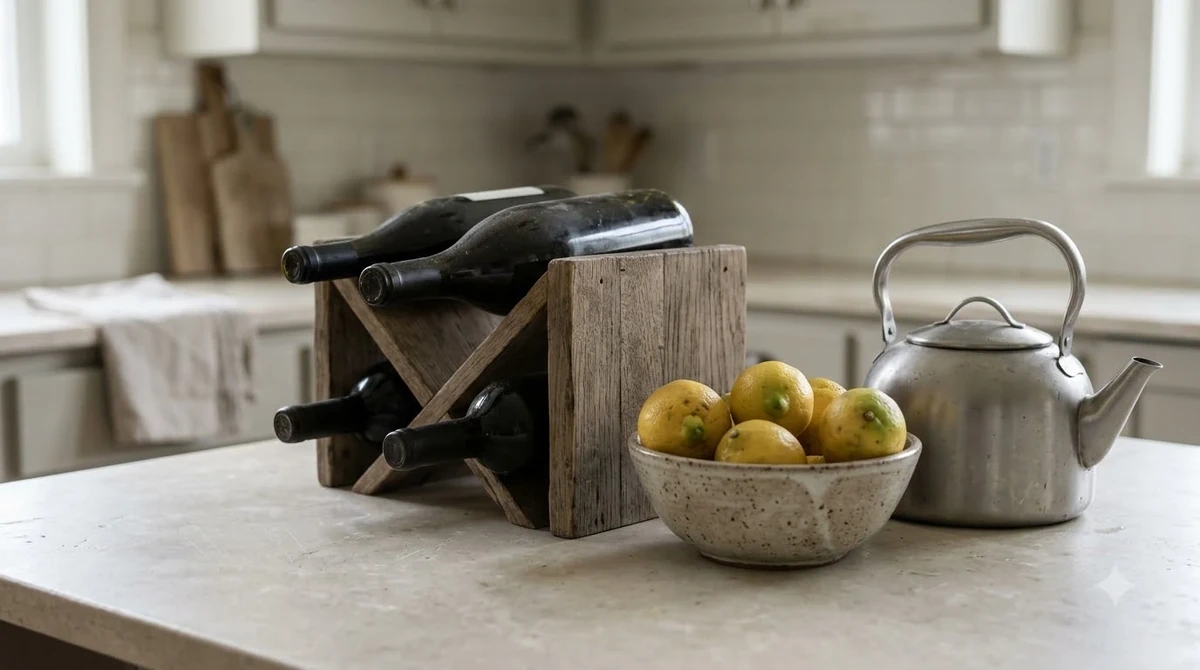
Why it stands out. Full-height frames hold the largest number of bottles, and the sections can be divided by region, style, or the year you plan to drink each bottle. A well-built rack can also become a feature wall, which many home collectors prefer to a separate cabinet.
Keep in mind. A full rack is heavy, so fix it securely to the wall and check that the floor can carry the load. Plan the layout around the door swing, the light switch, and any changes in floor level. Pallet wood moves with humidity, so seal the boards and leave small gaps between them so the frame can settle.
Best for. Serious home collectors and anyone who wants wine storage to be part of the room’s design. Before committing to a build, compare the full range of Racks & Storage options.
Best for Hidden Nooks and Under-Stair Spaces
A built-in cubby fits an unused nook, such as the space under a staircase or beside a utility closet. It keeps wine out of sight while still giving it a dedicated place in the house.
Why it stands out. A nook is often wasted space. A cubby cut to its exact dimensions uses that space without losing any floor area, and the wine stays hidden when guests are around. Because the wood is the only visible surface, a simple natural finish looks neat.
Keep in mind. Enclosed spaces keep light away from bottles, but ventilation and temperature still matter. Avoid spots beside a furnace, a water heater, or a sunny window, and check that the cubby does not block a door, an outlet, or an access panel.
Best for. People with an awkward nook who want storage that blends into the house. A hidden cubby is harder to check often, so it suits wine that is meant for regular use rather than a large cellar.
How to Choose a Pallet Wine Rack
Use these checks before you buy a finished rack or start a build. They apply to every style in this guide.
- Space: measure the floor, wall, or nook, and leave room to pull a bottle out without bumping the frame.
- Bottle count: decide whether you need storage for a few open bottles or a full collection, and size the design from that number.
- Wood condition: pick boards that are dry, smooth, and free of mold, deep cracks, or heavy splitting.
- Treatment marks: avoid pallets with chemical treatment marks, and prefer boards stamped as heat treated.
- Finish: seal or oil the surface so it resists moisture and spills.
- Stability: confirm the frame holds its shape under the full weight of bottles.
Wood is the most common material for wine racks, and it is a sound choice when the build is careful. The Wikipedia overview also notes that metal is a popular alternative. It is harder to work with, but it can be painted to match a room, which matters if you want a finish that is easier to keep clean.
Frequently Asked Questions
Is wood from a pallet safe for holding wine bottles?
It can be, as long as the boards are in good condition and properly treated. Choose pallets stamped as heat treated rather than chemically treated, skip boards with mold or soft spots, and sand and seal the surface before any bottle touches it.
How many bottles fit in a pallet wine rack?
It depends on the design. A leaning countertop rack holds a few bottles, a cube grid holds many more, and a floor-to-ceiling build can hold a large collection. Measure the bottles you own and sketch the layout before you cut any boards.
Should bottles lie on their sides in a pallet rack?
Bottles with natural corks are often stored on their sides so the cork stays moist and keeps a tight seal, which matters most for longer storage. For wine you will drink within a few weeks, standing upright is fine. Cube grids and leaning racks work well for bottles you open soon.
Where should a wood wine rack go in the house?
Pick a spot away from direct sunlight, heat sources, and strong vibration. A cool, dark, steady place such as an interior wall, a pantry, or a closet is better than a sunny kitchen wall or a spot next to the dishwasher.
A good pallet rack starts with the right style for your space, followed by careful building and a sealed finish. Once you know how many bottles you need to hold, compare the wider wine rack options before you commit to a design.
More in Racks & Storage
 Best Wine Barrel Racks for Distinctive Bottle StorageUpdated Nov 20, 2026
 Best Wine Storage Tower: Sizing, Protection and Room LayoutUpdated Nov 18, 2026
 Best Pyramid Wine Rack: Materials, Sizes and Where It FitsUpdated Nov 18, 2026
 Best Kitchen Cabinet Wine Rack Insert for Built-In Bottle StorageUpdated Nov 18, 2026
 Best 16 Bottle Wine Rack Options for Kitchens, Bars and CellarsUpdated Nov 18, 2026
 Best 48 Bottle Wine Rack Options for Cellars, Kitchens, and Tight SpacesUpdated Nov 18, 2026