

We may earn a commission when you buy through links on this page, at no extra cost to you. Learn more.
A malbec gift is an excellent choice for someone who enjoys full-bodied red wine, dark fruit flavors, and smooth, approachable tannins. Argentine Malbec is particularly appealing because it combines ripe blackberry and plum flavors with a satisfying structure that works for dinners, celebrations, and thoughtful personal gifts. Choosing the right bottle comes down to its region, winemaking style, presentation, and the recipient’s wine preferences.
Malbec offers a useful balance between familiar red-wine character and distinctive regional personality. A straightforward Mendoza bottle can make a welcoming gift for a casual wine drinker, while a high-altitude selection or a structured French Cahors can suit someone who enjoys exploring different wine regions. The following guide explains what to look for, how to compare bottles, and how to present Malbec as a considered gift rather than simply another bottle of red.
Who Should Receive a Malbec Gift?
Malbec is particularly well suited to people who enjoy dry, full-bodied reds with generous fruit flavors and moderate tannins. Its combination of blackberry, plum, and cocoa makes it recognizable without requiring specialized wine knowledge, so it works for both experienced enthusiasts and occasional wine drinkers.
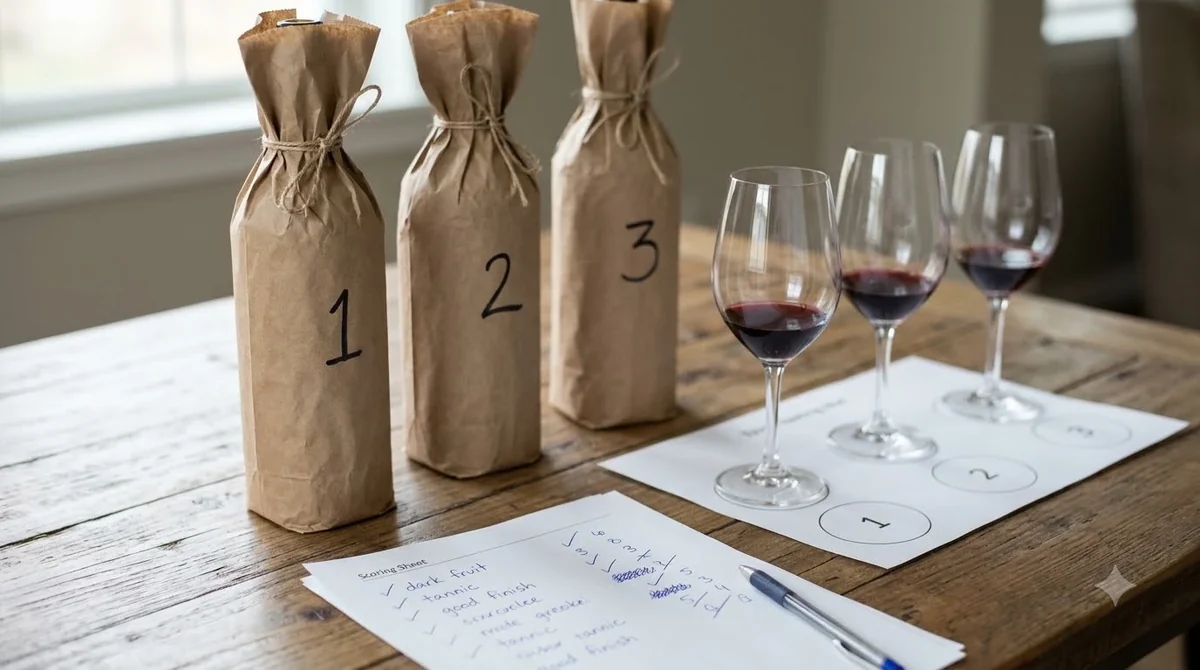
For the casual red-wine drinker, an approachable Argentine Malbec is often the easiest choice. Mendoza produces styles with ripe berry fruit, supple tannins, and enough acidity to keep the wine from feeling excessively heavy. These characteristics make the grape appealing to someone who already enjoys Merlot or softer Cabernet Sauvignon but wants something with a slightly different personality.
For an adventurous wine enthusiast, a bottle from Cahors in southwest France offers a more distinctive direction. French Malbec can have firmer tannins, darker fruit, savory characteristics, and greater structural intensity. It provides an opportunity to explore the grape’s traditional French home rather than choosing the familiar Argentine interpretation.
Malbec also works for several gifting occasions:
- Birthdays: Choose a bottle from a recognizable region, such as Mendoza or the Uco Valley, with an attractive label and a style suited to the recipient’s usual wine preferences.
- Housewarming celebrations: A versatile Argentine Malbec pairs naturally with grilled food, roasted vegetables, and many dishes commonly served at dinner parties.
- Thank-you gifts: A thoughtfully selected single-vineyard or barrel-aged wine communicates more consideration than an unfamiliar bottle chosen without regard to the recipient’s tastes.
- Holiday gatherings: A full-bodied red can accompany roasted meats, hearty side dishes, and cheese boards, making Malbec a practical contribution to a shared meal.
- Corporate gifts: A well-presented bottle from an established wine region offers a traditional, food-friendly gift without requiring an elaborate explanation.
Consider the recipient’s existing preferences before choosing. Someone who enjoys bold Cabernet Sauvignon may appreciate a structured Cahors or a concentrated Uco Valley Malbec. Someone who prefers softer Merlot may be happier with a fruit-forward Mendoza selection that emphasizes freshness and smooth texture.
For shoppers comparing different wine varieties and occasions, the broader best wine for gift recommendations can help determine whether Malbec is the right choice or whether another grape would be more suitable.
Key Factors to Compare When Choosing a Malbec
The strongest Malbec gift choices balance regional character, fruit intensity, tannin, aging, and presentation. Comparing these five factors helps distinguish an everyday bottle from a more distinctive selection without relying solely on packaging.
| Factor | What to Look For | Why It Matters |
|---|---|---|
| Origin | Mendoza, Uco Valley, or Cahors | Indicates the wine’s regional style and personality. |
| Body | Medium-full to full-bodied | Helps match the recipient’s preferred wine weight. |
| Tannins | Soft to firm | Influences texture and food compatibility. |
| Oak aging | Unoaked, lightly oaked, or barrel-aged | Changes the balance between fruit, spice, and structure. |
| Alcohol | Often approximately 13.5%–15% ABV | Provides an indication of the wine’s general weight and warmth. |
| Bottle format | 750 ml or larger format | Helps determine suitability for individual or shared occasions. |
Origin and vineyard location
Origin is one of the most useful starting points because Malbec changes considerably according to its growing environment. Mendoza, in western Argentina, is the best-known source of the grape’s modern international identity. Wines from the region commonly emphasize ripe blackberry, plum, and approachable tannins.
Within Mendoza, Luján de Cuyo is particularly recognized for established Malbec vineyards. The Wine and Spirit Education Trust describes many vineyards in this area at approximately 900 to 1,100 meters above sea level. Wines from established vineyard sites can offer rounded fruit, floral elements, and integrated oak characteristics. The WSET overview of Malbec provides additional context on the grape’s origins and regional expressions.
The Uco Valley provides another compelling direction. Some vineyards reach approximately 1,500 meters, where sunny days and cooler nights help preserve freshness and acidity. These wines can have a more restrained fruit profile, floral aromas, and firmer structure.
Body, tannin, and acidity
Malbec is generally a full-bodied red with medium tannins and medium-low acidity. Its texture is an important part of its appeal: the wine can feel substantial without necessarily having the pronounced drying sensation associated with high-tannin Cabernet Sauvignon.
For a recipient who prefers smooth reds, choose a ripe Argentine style with supple tannins. For someone who enjoys structured wines, a more concentrated selection or French Cahors may be more appropriate.
Oak treatment and bottle development
Oak aging can add vanilla, tobacco, baking spice, and additional texture. A wine matured in oak barrels may feel more layered than a simple fruit-forward bottling, although oak intensity varies considerably between producers.
Unoaked or lightly oaked Malbec emphasizes plum, cherry, and blackberry. Barrel-aged examples may introduce cocoa, cedar, and spice. Neither approach is automatically superior; the right choice depends on whether the recipient prefers fresh fruit or more developed flavors.
Packaging and presentation
A good gift bottle should also look appropriate for its occasion. Examine the label, bottle condition, closure, and overall presentation. A clean, professionally designed label and an undamaged bottle are more important than extravagant packaging.
For a personal celebration, a simple wine gift box can make the presentation more complete. For a business occasion, understated packaging is generally preferable to oversized decorations or novelty accessories.
Step-by-Step: How to Select the Right Bottle
A reliable Malbec buying process starts with the recipient’s preferences and moves through regional style, bottle characteristics, and presentation. These six steps make it easier to select a suitable bottle even without knowing every detail of wine production.
-
Identify the recipient’s preferred red wines.
Start by finding out whether the person usually drinks Merlot, Cabernet Sauvignon, Syrah, or Pinot Noir. Someone who likes soft Merlot may appreciate a fruit-forward Mendoza Malbec, while a Cabernet enthusiast may prefer a structured wine from Cahors or a higher-altitude Argentine vineyard.
-
Choose the regional style.
Select Mendoza for ripe fruit and approachable texture, the Uco Valley for freshness and more defined structure, or Cahors for a firmer, more traditional French interpretation. This choice gives the gift a recognizable identity.
-
Decide between fresh fruit and oak complexity.
For someone who enjoys straightforward drinking wines, prioritize plum, cherry, and blackberry. For a more experienced drinker, consider barrel-aged wines with additional vanilla, tobacco, cedar, and cocoa notes.
-
Consider the occasion and meal.
A dinner invitation calls for a versatile bottle that can accompany grilled steak, roasted vegetables, or pasta with tomato sauce. A personal milestone may justify a more distinctive vineyard selection or a wine with additional aging potential.
-
Inspect the bottle and label.
Look for a clearly identified producer, grape variety, region, vintage, and intact packaging. If the bottle is intended for storage rather than immediate drinking, its provenance and storage history become especially important.
-
Complete the presentation.
Use a suitable wine box, protective wrapping, or a short handwritten message. For a dinner gift, include a simple serving suggestion such as opening the bottle shortly before the meal and pairing it with grilled meat or aged cheese.
Tip: When the recipient’s preferences are uncertain, choose a fruit-forward Argentine Malbec from Mendoza rather than an unusually tannic or heavily oaked example. It offers a recognizable combination of dark fruit, moderate tannins, and food-friendly structure that suits many red-wine drinkers.
Another useful consideration is the distinction between a single-variety wine and a blend. Although Malbec is frequently bottled as a varietal wine, Argentine producers also combine it with grapes such as Cabernet Sauvignon, Merlot, Cabernet Franc, and Bonarda. A blend can offer additional structure or aromatic complexity, but a bottle labeled Malbec is not necessarily made from 100% Malbec.
For shoppers who want to explore production methods and grape-growing practices, the organic Malbec selection offers another way to narrow the search. Organic production may appeal to recipients interested in vineyard management and agricultural practices, although certification and production standards should be evaluated independently of flavor.
Types of Malbec Explained: Argentine, French, and Other Styles
Malbec is not a single, uniform wine style. Argentina and France offer the most recognizable interpretations, while producers in other countries demonstrate how climate, vineyard conditions, and winemaking decisions influence the finished wine.
Argentine Malbec from Mendoza
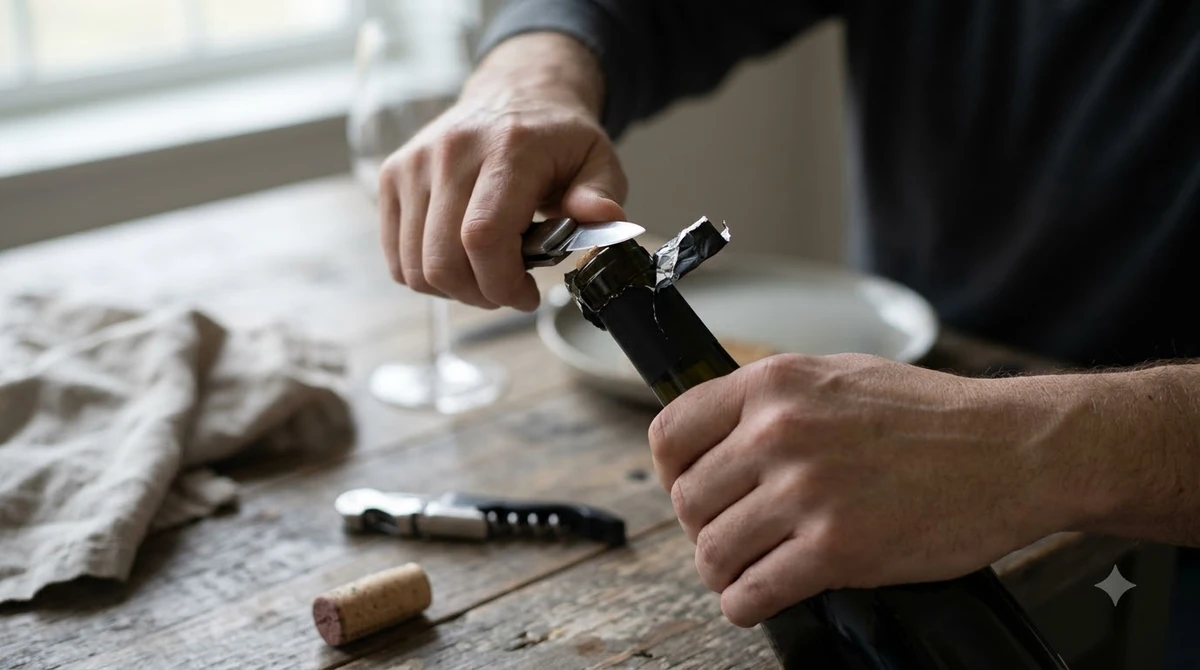
Mendoza is the natural starting point for most Malbec gifts. The region is closely associated with ripe blackberry, plum, cherry, violet, and cocoa characteristics. Its wines often have a rounded mouthfeel, moderate tannins, and a generous fruit profile.
Lower-altitude vineyards can produce fuller, richer examples with pronounced ripe fruit. These wines are generally appealing to people who enjoy expressive reds and want a bottle that works well with familiar dishes such as steak, burgers, roasted meats, and pasta.
Mendoza is also home to a broad range of producers and styles. This makes the region useful for gifting because shoppers can choose between accessible everyday wines and more elaborate selections without changing grape variety.
High-altitude Malbec from the Uco Valley
The Uco Valley offers a more structured and often more restrained interpretation of Argentine Malbec. Higher vineyard elevations, sunny conditions, and cool nighttime temperatures can help preserve acidity while encouraging aromatic complexity.
Expect combinations of dark berries, fresh plum, floral notes, and a more defined mineral or savory impression, depending on the vineyard and producer. These wines can suit someone who already enjoys exploring the differences between individual vineyard sites.
A high-altitude bottle can also make an interesting conversation piece at a dinner gathering. The recipient has an opportunity to explore how elevation and temperature influence the character of the same grape.
French Malbec from Cahors
Cahors is Malbec’s traditional stronghold in southwest France. Its wines are often darker, firmer, and more tannic than the softer, fruit-forward Argentine examples. Black plum, blackberry, earth, tobacco, and savory notes are common descriptors.
Cahors Malbec is a particularly interesting gift for someone who prefers traditional European reds or enjoys wines with a more pronounced structural character. Some examples are blended with Merlot or Tannat, which can further influence the wine’s texture and flavor.
Compared with a typical approachable Mendoza selection, Cahors can feel more demanding at the table. It is particularly suitable for grilled duck, rich meat dishes, and savory meals rather than delicate appetizers.
Malbec from other wine-producing countries
Malbec is also grown in Chile, the United States, South Africa, Australia, and other wine-producing countries. These wines can offer interesting alternatives for someone who likes comparing regional expressions.
California and Washington producers, for example, may create styles with their own balance of ripe fruit, acidity, oak, and tannin. However, these bottles are less immediately associated with the grape than Argentina’s internationally recognized examples.
For a gift intended to introduce someone to Malbec, Argentina or Cahors is generally the clearest starting point. Other origins are particularly attractive when the recipient already has experience with the grape and enjoys discovering less familiar wine regions.
Common Mistakes When Buying Malbec as a Gift
Choosing a bottle based only on its appearance or reputation can result in a poor match. A few common buying mistakes are easy to avoid by paying attention to sweetness, tannin, origin, and the recipient’s eating habits.
Confusing fruity flavors with sweetness
Most Malbec is dry, even when its aromas suggest ripe cherries, blackberries, or plums. Fruitiness describes the wine’s aroma and flavor rather than the amount of residual sugar in the finished wine.
This distinction matters because someone who prefers sweet wines may not enjoy a conventional dry Malbec. For that recipient, investigate the producer’s sweetness information and consider a dedicated sweet Malbec selection instead of assuming that a fruit-forward red will taste sweet.
Choosing the most powerful bottle automatically
A more concentrated wine is not necessarily a better gift. High alcohol, substantial oak, and firm tannins can overwhelm someone who prefers softer wines. A balanced Mendoza selection may be more enjoyable than an intensely structured bottle from Cahors.
Match the wine’s weight to the recipient’s preferences. Medium-bodied to full-bodied reds with moderate tannins are often easier to enjoy across different occasions than wines with particularly aggressive structure.
Ignoring food compatibility
Malbec works particularly well with red meat, grilled dishes, mushrooms, and aged cheese. It is less suitable for delicate seafood or dishes where strong tannins and alcohol can intensify an already spicy or oily flavor profile.
For example, grilled sirloin and roasted vegetables are sensible pairings, while a delicate white fish with lemon is generally better accompanied by a fresh white wine. A gift intended for a dinner party should complement the menu rather than compete with it.
Assuming every bottle labeled Malbec is identical
Regional origin, vineyard elevation, oak treatment, and blending choices can produce very different wines from the same grape. A young Mendoza Malbec and a mature Cahors should not be expected to deliver identical drinking experiences.
Even within Argentina, wines from Luján de Cuyo and the Uco Valley can differ in fruit expression, freshness, and structure. Paying attention to these distinctions helps the buyer select a bottle with a more intentional character.
Overlooking the recipient’s wine preferences
A person who regularly drinks Pinot Noir may find a powerful, tannic Malbec less appealing than someone who enjoys Cabernet Sauvignon. Similarly, someone who prefers sweet Moscato may not appreciate a dry red simply because its label looks attractive.
When preferences are unknown, a recognizable regional style, balanced structure, and straightforward fruit profile are generally safer choices than an unusual or highly experimental bottle.
Storage, Serving, and Gift Presentation Tips
Proper handling helps preserve a Malbec gift before it reaches the recipient and ensures the wine can be enjoyed at its best. Temperature, light exposure, bottle position, and serving conditions all contribute to a better experience.
Store the bottle correctly before gifting
Keep unopened Malbec in a cool, dark location with a relatively stable temperature. A cellar temperature near 55°F is a useful target for longer-term wine storage. Avoid placing the bottle beside a heating appliance, in direct sunlight, or in a vehicle exposed to changing temperatures.
For traditional cork-closed bottles intended for extended storage, laying the bottle on its side helps maintain contact between the cork and wine. Short-term storage is less demanding, but a cool, stable environment remains preferable.
Not every Malbec needs years of cellaring. Many approachable Argentine examples are intended to be enjoyed relatively young, while more structured, carefully made bottles may develop additional complexity with appropriate aging.
Serve Malbec at the right temperature
Malbec generally tastes best slightly cooler than typical warm room temperature. Young, fruit-forward bottles are well suited to approximately 55°F to 60°F, while fuller and more developed examples can be served closer to 60°F to 65°F.
The Mendoza government recommends approximately 14°C to 16°C for young Malbec and 16°C to 18°C for Reserva and Gran Reserva examples. These temperatures help keep the wine balanced and prevent excessive warmth from making the alcohol feel too prominent.
A practical approach is to refrigerate a room-temperature bottle briefly before serving. Total Wine recommends approximately 20 minutes in the refrigerator as a useful starting point for bringing Malbec toward its preferred serving temperature.
Choose suitable glassware and aeration
A large-bowled red wine glass gives Malbec room to release its aromas. A universal red-wine glass is generally sufficient, so specialized glassware is not necessary for a thoughtful gift.
Young, concentrated wines may benefit from approximately 30 minutes of aeration. Decanting can help soften the initial impression and make aromatic details more apparent, although simple, approachable bottles can often be poured directly into glasses.
For additional grape-specific information, Wine Folly’s Malbec grape profile covers the variety’s typical body, tannin, acidity, flavor descriptors, and serving suggestions.
Pair the bottle with suitable food
Malbec is particularly compatible with savory foods that complement its fruit and tannin structure. Grilled beef, lamb, roasted vegetables, and hearty stews are natural choices.
For a simple gift presentation, include a small pairing suggestion:
- Grilled steak: The savory meat and cooking flavors complement blackberry and plum characteristics.
- Blue cheese: Salt and fat can soften the perception of tannin while bringing out the wine’s fruit.
- Grilled mushrooms: Their earthy flavors work well with the savory character found in many Malbec wines.
- Roasted vegetables: Eggplant, peppers, and mushrooms offer a useful vegetarian pairing.
- Lamb and beef stew: Rich, slowly cooked dishes complement fuller-bodied examples with developed structure.
Make the presentation personal
Presentation does not need to be elaborate. A protective wine box, a simple ribbon, or a handwritten note can make the bottle feel more personal without distracting from the wine itself.
A short message can mention the wine’s origin or suggest a meal pairing. For example, explaining that the bottle comes from Mendoza and is intended to accompany grilled steak gives the recipient a small introduction to the wine before opening it.
If the recipient plans to keep the bottle for a special occasion, include a reminder to store it away from sunlight and heat. If it is intended for immediate enjoyment, a simple serving suggestion around 60°F to 65°F is useful.
Frequently Asked Questions
Is Malbec an appropriate wine for a wedding gift?
Yes, Malbec can be an appropriate wedding gift, particularly for couples who enjoy dry red wine and regularly serve meat-based meals. A bottle from a distinctive vineyard or a well-presented regional selection can make the gift feel more personal. If the couple plans to keep it, consider a wine with suitable aging potential rather than an everyday bottling.
Is Malbec considered a premium wine grape?
Malbec is used in wines across a wide range of quality levels, from straightforward everyday bottles to collectible, single-vineyard selections. Its international reputation is particularly strong in Argentina, where some producers focus on old vines, high-altitude vineyards, and carefully managed barrel aging. The grape itself does not determine whether a wine is premium; vineyard quality and winemaking decisions also matter.
Does Malbec have a particular traditional celebration day?
International Malbec Day is celebrated on April 17. The date is associated with Argentina’s development of the grape and its international wine identity. It can provide a fun occasion for a themed wine dinner or a bottle presented to someone who particularly enjoys Argentine wines.
Can Malbec be made into rosé or sparkling wine?
Yes. Although most Malbec is produced as a still red wine, the Mendoza government’s introductory guide also identifies rosé, sparkling, late-harvest, and fortified expressions. These less common styles can be interesting alternatives for someone who already knows conventional red Malbec. Their sweetness, body, and serving requirements depend on the particular wine.
How many people can share one standard bottle of Malbec?
A standard 750 ml bottle provides approximately five traditional 5 oz pours. That makes one bottle suitable for a small dinner of five people when each person receives a single glass. For a larger celebration or a dinner involving multiple courses, additional bottles may be appropriate.
A well-chosen Malbec gift combines regional character, enjoyable fruit flavors, and a style that suits the recipient’s preferences. Argentine Mendoza bottles are dependable starting points for approachable red-wine gifts, while high-altitude Uco Valley wines and French Cahors offer more distinctive alternatives. Pay attention to the wine’s origin, structure, and presentation, and the result can be a thoughtful bottle that is just as enjoyable to share as it is to receive.
More in Wine Buying Guides
 Riesling Gift: Choose a Bottle They’ll LoveUpdated Nov 21, 2026
 Sweet Red Wine Gift: Choose a Bottle They’ll LoveUpdated Nov 21, 2026
 Sherry Gift Ideas That Match Every Wine LoverUpdated Nov 21, 2026
 Moscato Gift: How to Choose a Sweet Wine They’ll LoveUpdated Nov 21, 2026
 Merlot Gift: How to Choose a Bottle They’ll AppreciateUpdated Nov 21, 2026
 Dry White Wine Gift: Choose a Bottle They Will LoveUpdated Nov 21, 2026