

We may earn a commission when you buy through links on this page, at no extra cost to you. Learn more.
Cheap Viognier is a good-value way to enjoy aromatic white wine with peach, apricot, honeysuckle, and floral flavors without paying for a prestigious Northern Rhône bottle. Look for approachable examples from the Languedoc in southern France, California, Virginia, and other established growing regions. For the best everyday bottle, prioritize freshness, balanced alcohol, and a style that suits your preference for unoaked or oak-influenced white wine.
Viognier (pronounced vee-own-yay) occupies an interesting place among white wines. It can smell richly of ripe fruit and flowers, feel broad and almost creamy, and still finish completely dry. That combination makes it appealing to Chardonnay drinkers who want something more aromatic, as well as Sauvignon Blanc drinkers interested in a fuller texture. Although the grape is associated with prestigious wines from Condrieu, affordable bottles can offer plenty of its recognizable personality. The key is understanding where the grape grows, how producers handle it, and which characteristics deserve attention before buying.
Who Should Buy Affordable Viognier
Affordable Viognier is particularly appealing to white-wine drinkers who enjoy expressive aromas, ripe stone fruit, and a generous mouthfeel. It is also a practical choice for someone looking beyond familiar Chardonnay and Sauvignon Blanc without moving into an unfamiliar or difficult-to-understand style.
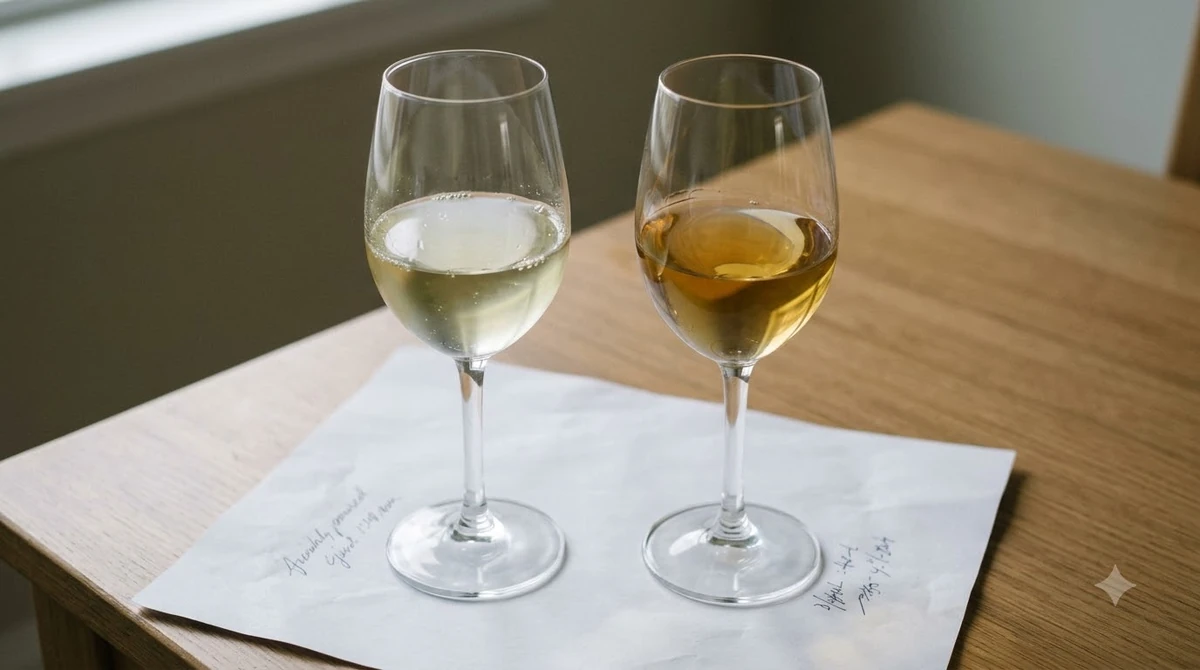
The grape’s characteristic combination of peach, apricot, honeysuckle, and orange-blossom aromas makes it recognizable even in straightforward, everyday bottlings. Wine Folly describes Viognier as generally full-bodied, dry, and medium-low in acidity, with alcohol commonly around 13.5% to 15% ABV. Those characteristics help explain why a modestly priced bottle can still feel rich and aromatic. Its Viognier grape guide also provides a useful overview of its aromas, growing regions, and typical wine characteristics.
Viognier is especially suitable for people who prefer white wine with noticeable texture rather than a sharp, crisp finish. A glass can feel rounded and slightly oily, with ripe fruit flavors that linger after swallowing. Someone who finds Sauvignon Blanc too acidic or neutral unoaked Chardonnay too restrained may appreciate this more perfumed alternative.
It is also useful for casual entertaining. Its floral character makes it interesting enough to serve to guests who enjoy exploring different grape varieties, while its familiar peach and apricot flavors make it approachable for people who usually drink mainstream white wines.
When another white grape might be better
Viognier is not automatically the right choice for every occasion. Its naturally modest acidity means it may feel heavy beside dishes that depend on sharp citrus flavors or pronounced acidity. Someone who prefers a refreshing, lean wine with green apple, lime, and a crisp finish may be happier with Sauvignon Blanc or a dry Riesling.
It is also important to distinguish aromatic intensity from sweetness. Viognier can smell like ripe peaches, tropical fruit, and honeyed flowers without containing enough residual sugar to taste sweet. Shoppers who specifically want a noticeably sweet white wine should explore a dedicated sweet Viognier selection instead of assuming every fragrant bottle has dessert-wine sweetness.
For shoppers who want the classic grape expression without overt sweetness, a dry Viognier is generally the more useful starting point. The majority of traditional examples are dry, even when their aromas suggest ripe fruit or honey.
Key Factors to Compare When Buying Viognier
The most useful comparisons are origin, winemaking style, alcohol level, freshness, and the relationship between aroma and texture. These factors reveal more about the likely drinking experience than an attractive label or a long list of tasting descriptors.
According to the Wine and Spirit Education Trust, Viognier ranges from simple, inexpensive supermarket wines to highly complex premium examples. The grape itself does not guarantee quality or a particular level of richness. Growing conditions, yields, ripeness, and winemaking all influence the result.
| Buying factor | What to look for | Why it matters |
|---|---|---|
| Alcohol | About 13.5%–15% ABV | Helps indicate the expected warmth and body. |
| Serving temperature | 45–50°F for a lighter expression | Preserves freshness without hiding aromas. |
| Acidity | Medium-low to low | Explains the grape’s rounded mouthfeel. |
| Body | Medium to full | Helps match the wine with food. |
| Fruit profile | Peach, apricot, citrus, and melon | Identifies the grape’s characteristic aromas. |
| Floral profile | Honeysuckle, rose, and orange blossom | Signals aromatic intensity. |
| Winemaking | Stainless steel or restrained oak | Influences freshness, texture, and spice. |
| Bottle format | 750 ml | Provides approximately five standard 5-ounce servings. |
Origin and growing region
Origin is one of the most useful clues when comparing affordable bottles. The Languedoc in southern France is an especially interesting place to begin because Viognier is widely grown there, and the region produces approachable wines that do not depend on the prestige of a famous appellation.
Decanter highlights the spread of Viognier from Condrieu into the Languedoc and other international growing areas. Southern French examples often emphasize peach, apricot, honeysuckle, and generous fruit. They can provide an accessible introduction to the grape’s personality.
American shoppers can also investigate bottles from California and Virginia. Wine Folly identifies Paso Robles and Virginia as important American regions for Viognier. These areas offer different expressions, ranging from rich and rounded wines to fresher, more restrained styles.
Oak treatment and alcohol
Oak treatment is another important comparison. Stainless-steel fermentation and aging generally preserve the primary aromas of peach, apricot, and flowers. Oak-aged versions can develop vanilla, smoke, nutmeg, and additional richness, creating a profile that may resemble fuller-bodied Chardonnay.
Alcohol is worth comparing because Viognier naturally reaches relatively high sugar levels as it ripens. Many examples fall between 13.5% and 15% ABV. A bottle toward the lower end of that range may suit someone who wants a somewhat lighter experience, although alcohol alone does not determine quality or body.
For a more restrained drinking style, start with a stainless-steel or neutral-oak expression. For a richer dinner wine, consider a bottle with measured oak influence and enough freshness to prevent the texture from becoming tiring.
Tip: For an inexpensive first bottle, prioritize a recognizable Viognier grape designation, a recent release, and a style that emphasizes freshness. A complicated oak description is not necessary to enjoy the grape’s characteristic peach, apricot, and honeysuckle aromas.
Step-by-Step: How to Choose a Good-Value Bottle
A simple buying process makes it easier to avoid bottles that sound appealing but do not match your preferences. Start with the grape designation, narrow your choices by region and winemaking style, and then evaluate the wine’s likely balance.
-
Start with the grape name.
Look for Viognier prominently identified on the front or back label. Some Rhône-inspired wines include Viognier in a white blend, while others combine it with Syrah in red wine. These blends can be interesting, but they will not necessarily deliver the same experience as a varietal white wine.
-
Check the country and region.
Begin with southern France, particularly the Languedoc, or explore established American growing areas such as California and Virginia. These are useful starting points for shoppers interested in finding an approachable expression rather than paying for a famous appellation.
-
Decide whether you prefer oak.
Choose stainless-steel or unoaked wines if you enjoy floral aromas, peach, citrus, and a more direct fruit expression. If you prefer vanilla, nutmeg, toasted notes, and a broader texture, consider a restrained oak-influenced style.
-
Compare alcohol levels.
Look for the ABV printed on the label. A range around 13.5% to 15% is typical for Viognier. If you prefer a less warming finish, begin toward the lower end of the range and avoid assuming that a higher number automatically means a better wine.
-
Consider freshness and release timing.
Viognier is usually best enjoyed relatively young. Decanter notes that some wines can become oily or slightly bitter with age, so a current, fresh release is a sensible everyday choice rather than an older bottle without a clear reason for cellaring it.
-
Match the bottle with your meal.
For roast chicken, seafood in cream sauce, or pork with herbs, choose a rounded, aromatic expression. For lighter meals, grilled vegetables, or simply prepared fish, look for a fresher unoaked style.
-
Choose based on the complete profile.
Do not rely on one tasting word. A good everyday Viognier should offer recognizable fruit and floral aromas, a pleasant texture, and enough freshness to keep its finish balanced. The best choice is the bottle whose style fits your preferences, not necessarily the one with the most elaborate description.
For additional help comparing labels, grape varieties, and wine styles, the site’s Wine Buying Guides section provides a useful starting point for making more informed choices across different categories.
Viognier Styles and Regions Explained
Viognier is not a single uniform style of white wine. Its expression changes with climate, ripeness, oak treatment, and production choices, so two bottles made from the same grape can have noticeably different aromas and textures.
Southern French Viognier
The Languedoc is one of the most practical regions to explore when looking for an accessible bottle. This broad southern French growing area has a strong association with approachable wines and produces Viognier with ripe peach, apricot, melon, and floral aromas.
These wines can be particularly attractive to shoppers who enjoy aromatic whites but do not want the intensity or cost associated with prestigious Northern Rhône examples. Unoaked versions are often a sensible first purchase because they allow the grape’s primary aromas to remain prominent.
It is important not to confuse every wine from southern France with the same style. Climate, harvest timing, and cellar choices affect the final wine, even within one broad region.
California Viognier
California provides several opportunities to explore the grape. Paso Robles is specifically recognized for Viognier, while other California regions also produce examples with varying levels of ripeness, body, and oak influence.
Warm growing conditions can help develop expressive stone-fruit aromas, but successful Viognier also needs enough freshness to balance its full texture. Some producers emphasize ripe peach and tropical fruit, while others use stainless steel or neutral oak to maintain a more restrained profile.
California Viognier is a useful option for shoppers who like the richer side of white wine. It can work particularly well with roast poultry, creamy sauces, and dishes that feature herbs or lightly sweet fruit components.
Virginia Viognier
Virginia is another recognized American source for the variety. Wine Folly identifies the state as an important Viognier-growing region, and its examples can offer an interesting alternative to familiar California whites.
Look for a balance between ripe fruit, floral aromas, and freshness. A well-balanced bottle should show the grape’s recognizable perfume without allowing alcohol or excessive richness to dominate the finish.
Virginia Viognier can be an appealing option for drinkers interested in regional American wines and less familiar white grapes. It is also worth considering when choosing a bottle for poultry, pork, and aromatic dishes.
South African and Australian Viognier
South Africa and Australia are established Viognier-growing countries, providing additional choices beyond the traditional French and American regions. South African examples can show citrus blossom, apricot, honey, and warm spice, depending on the growing area and winemaking approach.
Australia also has a history of growing the variety, particularly in regions such as Eden Valley. These wines can range from direct and fruit-focused to richer expressions with more pronounced texture.
Unoaked versus oak-influenced styles
Unoaked Viognier is generally the most straightforward starting point for someone discovering the grape. It emphasizes primary aromas such as peach, apricot, tangerine, honeysuckle, and rose. The resulting wine can feel aromatic without having the additional vanilla or toasted flavors associated with barrel aging.
Oak-influenced Viognier tends to feel broader and richer. Depending on the barrels and maturation approach, it may show vanilla, nutmeg, clove, smoke, and spice. This can be attractive to Chardonnay drinkers who prefer a fuller, more textured white wine.
Neither style is automatically superior. The better choice depends on whether fruit purity or additional texture is more important to the drinker.
Common Mistakes When Buying Inexpensive Viognier
The biggest purchasing mistakes involve confusing fruit aromas with sugar, overlooking alcohol and acidity, and expecting every Viognier to taste like a famous Condrieu. Understanding these differences helps shoppers make more realistic comparisons.
Assuming fruity aromas mean sweetness
Peach, apricot, mango, honeysuckle, and honey-like aromas can create an impression of sweetness even when the wine is dry. Most traditional Viognier is dry, so a fragrant nose should not be treated as proof of residual sugar.
Someone seeking a sweet dessert-style wine should distinguish between aromatic fruitiness and actual sweetness. These are separate characteristics. The same principle applies to other white grapes: a wine can smell like ripe fruit while finishing completely dry.
Expecting the acidity of Sauvignon Blanc
Viognier generally has lower acidity than Sauvignon Blanc or Riesling. Its rounded texture and full body are part of its appeal, but they also mean it may feel less refreshing to someone who prefers sharp, citrus-driven whites.
Pairing is important here. A highly acidic lemon dressing or vinegar-heavy dish can make a softer wine seem flat. Choose meals with enough richness, herbs, or gentle fruit flavors to complement the wine instead.
Choosing the highest alcohol level automatically
A higher ABV can accompany greater ripeness and a fuller impression, but it does not guarantee better balance. Viognier already has a naturally generous body, so excessive warmth can become distracting when acidity and freshness are insufficient.
Compare alcohol alongside the expected style. Someone looking for an easygoing lunch wine may prefer a lighter expression, while a richer dinner wine can benefit from a little more weight.
Paying for a famous appellation without understanding the difference
Condrieu is one of the grape’s best-known appellations, and its reputation is tied to distinctive wines from the Northern Rhône. However, an expensive appellation is not essential for someone who simply wants peach, apricot, and floral aromas in an everyday bottle.
The Languedoc, California, and Virginia can provide useful alternatives. Buying by region and style rather than reputation alone is a more practical way to find an approachable expression.
Ignoring freshness and bottle condition
Viognier is generally best appreciated while its fruit and floral aromas remain expressive. A bottle that has spent too long under poor storage conditions may lose freshness, even if its original style was attractive.
Do not assume an older bottle is automatically more complex or valuable. For everyday drinking, a fresh release from a reliable producer is usually a more straightforward choice than an older bottle with an uncertain history.
Serving and Storage Tips for Viognier
Correct serving temperature helps Viognier show both its aromas and its structure. The goal is to keep the wine cool enough to preserve freshness while allowing its peach, apricot, and floral characteristics to remain noticeable.
Serve it properly chilled
A useful serving range for a lighter Viognier is 45 to 50 degrees Fahrenheit. Fuller expressions can be served slightly warmer, around 50 to 55 degrees Fahrenheit, to make their aromas and texture easier to appreciate.
Wine Folly gives a broader serving recommendation of 45 to 55 degrees Fahrenheit. This range is a practical reference because different expressions can benefit from slightly different temperatures.
Very cold wine can seem less aromatic and more restrained. If the bottle has been stored in a particularly cold refrigerator, allow it to warm briefly in the glass before deciding that its aromas are weak.
Use an appropriate glass
A standard white wine glass is a sensible choice. Its bowl gives the wine enough room to release floral and fruit aromas without requiring specialized glassware.
Decanting is rarely necessary for ordinary young Viognier. Wine Folly recommends serving it in a white wine glass and generally does not consider decanting necessary because the variety is already naturally expressive.
Store unopened bottles correctly
Keep unopened bottles away from direct sunlight, heating equipment, and repeated temperature changes. A cool storage area near 55 degrees Fahrenheit is a useful general target for wine storage.
For bottles sealed with natural cork, horizontal storage helps keep the cork in contact with the wine. Avoid placing wine near a kitchen oven or another appliance that creates regular heat fluctuations.
Most affordable Viognier is intended for relatively early enjoyment rather than extended cellaring. There is little reason to hold an everyday bottle for several years in the hope that it will become significantly better.
Preserve an opened bottle
Refrigerate leftover Viognier after opening, using its original closure or a suitable wine stopper. Chilling slows oxidation and helps preserve the wine’s fruit and floral character.
As a general reference, opened still wines usually remain enjoyable for approximately three to five days in the refrigerator, although freshness varies with the wine, storage conditions, and amount of air in the bottle.
Before pouring another glass, let the wine warm slightly if it has become too cold. This small adjustment can make a meaningful difference to the perception of aroma and texture.
Match the wine with food
Viognier works particularly well with roast chicken, pork, scallops, shrimp, and seafood served with creamy sauces. Its ripe-fruit aromas also complement dishes containing apricots, almonds, citrus, and aromatic herbs.
Chicken tagine with apricots and almonds is a useful example because its sweet spices and fruit echo the wine’s natural aromas. Roast poultry with fennel and herbs is another practical pairing.
For spicy dishes, pay attention to alcohol and seasoning. High alcohol can make chili heat feel more pronounced, so a particularly hot curry may overwhelm a full-bodied Viognier. Moderately spiced preparations are usually easier matches.
Frequently Asked Questions
Is cheap Viognier suitable for everyday drinking?
Yes. Viognier is available in straightforward, fruit-focused styles intended for relatively early enjoyment. A fresh, uncomplicated bottle can be an appealing everyday alternative to Chardonnay or Pinot Grigio. It does not need extended bottle aging or elaborate preparation to show its recognizable aromas.
Can Viognier be made into sparkling wine?
Yes, although still white wine is the more familiar expression of the grape. Viognier can be used in alternative winemaking styles, including sparkling wines. The resulting wine may emphasize floral aromas and ripe stone fruit differently from a conventional still bottling.
How many calories are in a glass of Viognier?
The calorie content varies with alcohol and residual sugar. Alcohol contributes a substantial share of wine’s calories, so two bottles of dry Viognier can differ even when their sweetness is similar. A standard 5-ounce pour is a useful serving reference, but an exact calorie figure requires the specific wine’s composition.
Can Viognier be blended with red grapes?
Yes. In the Northern Rhône appellation of Côte-Rôtie, Viognier may be blended with Syrah, with the permitted proportion reaching 20%. The white grape contributes floral aromas and can help stabilize the red wine’s color during production. This is a different style from a bottle of white Viognier.
Is Viognier suitable for cooking?
Dry Viognier can be used in dishes that benefit from aromatic white wine, particularly poultry sauces, seafood preparations, and creamy dishes. Its floral and stone-fruit character can add a different dimension from more acidic cooking whites. Use a dry expression rather than a sweet dessert-style bottling when preparing savory recipes.
Cheap Viognier can be a rewarding purchase when the goal is aromatic white wine with ripe stone fruit, floral notes, and a generous texture. Start with southern France, California, or Virginia, then compare unoaked and oak-influenced styles to discover which expression fits your preferences. A fresh bottle served at the right temperature can make this distinctive grape an enjoyable addition to an everyday wine collection.
More in Wine Buying Guides
 Riesling Gift: Choose a Bottle They’ll LoveUpdated Nov 21, 2026
 Sweet Red Wine Gift: Choose a Bottle They’ll LoveUpdated Nov 21, 2026
 Malbec Gift: How to Choose a Memorable Bottle for Any OccasionUpdated Nov 21, 2026
 Sherry Gift Ideas That Match Every Wine LoverUpdated Nov 21, 2026
 Moscato Gift: How to Choose a Sweet Wine They’ll LoveUpdated Nov 21, 2026
 Merlot Gift: How to Choose a Bottle They’ll AppreciateUpdated Nov 21, 2026