

We may earn a commission when you buy through links on this page, at no extra cost to you. Learn more.
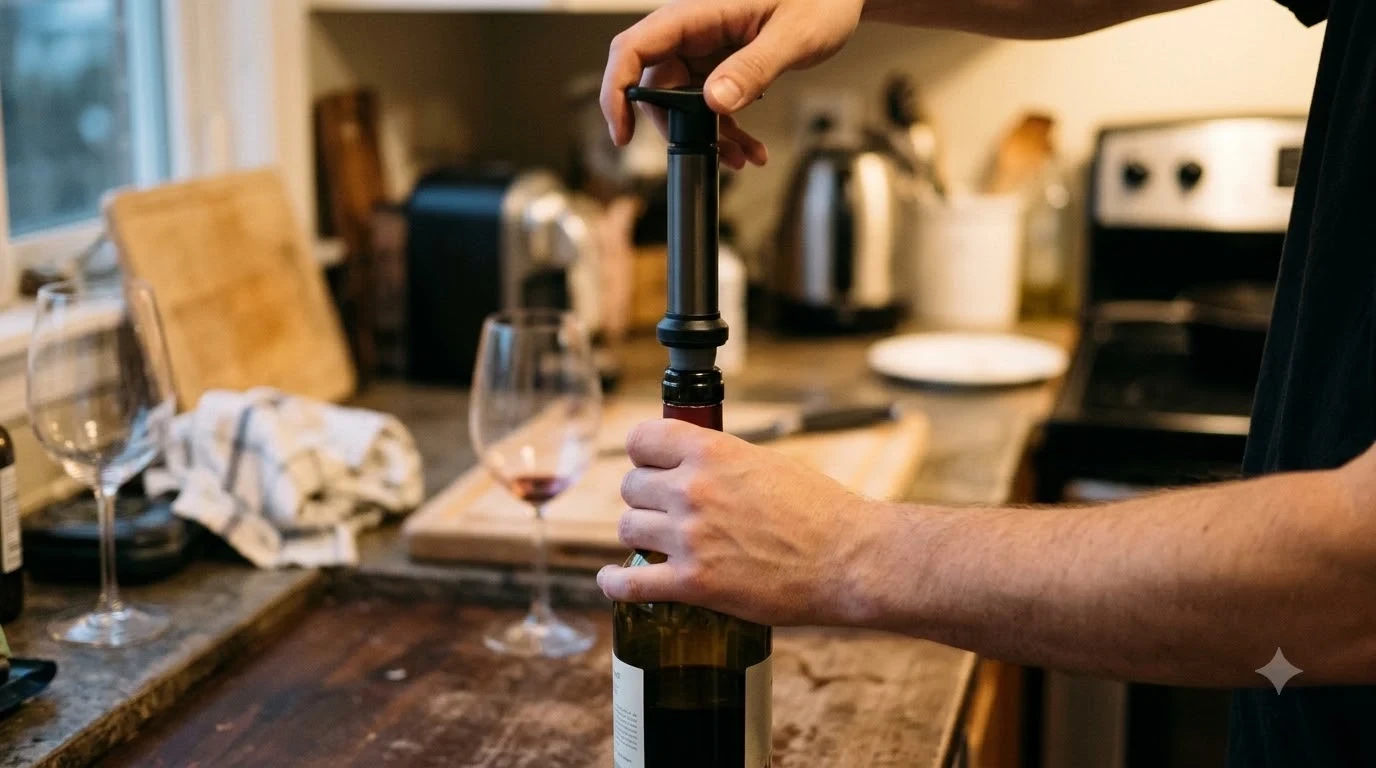
The best wine saver pump is usually a hand-operated vacuum pump with a fitted stopper, because it removes some air from an opened bottle with very little effort. Electric pumps are faster and suit people who open several bottles a week, while a simple manual pump works for occasional use. Check that the stopper seals well and that the pump is easy to clean, since a poor seal defeats the purpose. Pumps slow oxidation but do not stop it completely, so a bottle still keeps best when it is resealed and stored cold.
Opening a bottle starts a clock. Once air reaches the wine, oxidation gradually flattens aroma and fruit, and a half-finished bottle can lose its appeal faster than many people expect. A wine saver pump is a simple way to slow that process at home. This roundup groups pumps by the situations they suit best and explains what to weigh before you buy.
Quick Comparison
Wine saver pumps fall into a few broad types. Hand pumps are the most common, electric models remove air with less effort, and some kits add an inert gas option. The table compares the main types by how they work and what you should expect from them.
| Pump type | How it works | Best use | Main trade-off |
|---|---|---|---|
| Hand vacuum pump | Pump lever or plunger removes air from the bottle | Occasional use and everyday reds | Needs a few pumps each time, and seal quality varies |
| Electric vacuum pump | Motor removes air with a button press | Households that open several bottles a week | Needs charging or power, and is bulkier |
| Pump with stopper set | Pump and matched stoppers for the bottle neck | Keeping a range of bottles tidy | Stoppers can be lost or mismatched |
| Inert gas preserver | Adds a protective gas layer over the wine | Wine lovers who open bottles over several days | Gas canisters are an ongoing cost, and the system is separate from a pump |
Whichever type you choose, store the bottle upright or on its side as the stopper design allows, and refrigerate it after resealing. Refrigeration slows the chemical changes that affect flavor, which matters as much as the pump itself.
Best for Everyday Red Wine Drinkers
A simple hand pump is a good match for someone who finishes most bottles over a day or two and wants a low-effort way to slow down the change.
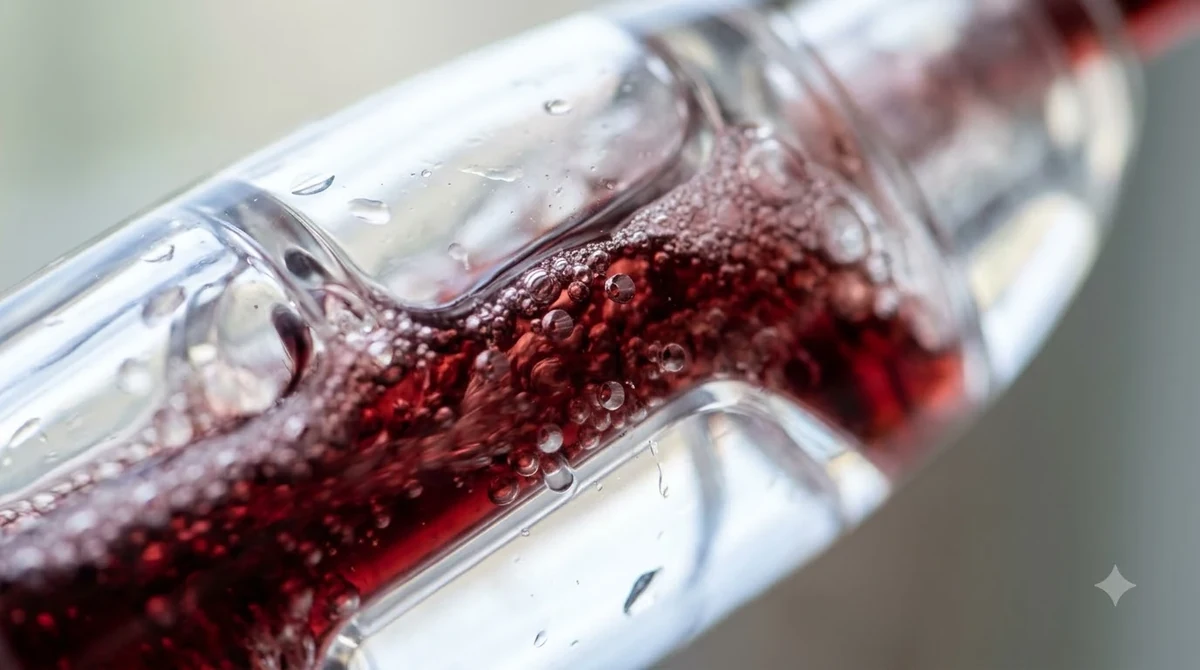
Why it stands out: Hand pumps are small, cheap to replace, and do not need a power source. A quick set of pumps and stoppers covers most bottles in a kitchen, and they are easy to store in a drawer.
Keep in mind: The seal is only as good as the stopper and the pump head. Check that the fit is snug and that the stopper does not crack after repeated use.
Best for: Couples and small households who drink a bottle every few evenings.
Best for Frequent Openers and Hosts
If you open several bottles a week or host regularly, a pump that works with a button reduces effort and makes the habit easier to keep.
Why it stands out: Electric pumps remove air quickly and consistently, so you do not have to pump by hand after every glass. Many include an indicator that shows when the vacuum is complete.
Keep in mind: An electric unit needs a charge and takes up more space on the counter. Check how long the battery lasts between charges and whether the stoppers are sold separately.
Best for: Busy households and anyone who opens a bottle almost every night.
Best for Compact Kitchens and Bar Carts
Small spaces need tools that store easily. A compact pump with a stopper that fits a bar cart or narrow drawer keeps counter clutter low.

Why it stands out: Compact pumps store in a drawer or on a shelf, and a slim design fits a bar cart without taking up much room. Many are sold with a small set of stoppers that match the pump.
Keep in mind: Compact pumps may need more strokes to reach a good vacuum, and small parts are easier to lose. Keep stoppers together in one place.
Best for: Apartment dwellers and anyone with limited counter space.
Best for Wine Lovers Who Keep Bottles for Days
Some bottles are not finished in one sitting. If you like to sip over several days, a pump paired with a cold storage routine is more useful than a single stopper alone.
Why it stands out: A pump that works well with a stopper set helps you reseal several open bottles without mixing up the fit. Combined with refrigeration, it slows change in the wine so the bottle stays pleasant for longer.
Keep in mind: No pump stops oxidation completely. Lighter, delicate styles may change sooner than full-bodied reds, so plan to finish those first.
Best for: Slow sippers and anyone who likes to taste the same bottle across several nights.
Best for Sparkling and Gas-Based Preservation
Sparkling wine and fine wines benefit from a gentler approach. Inert gas systems are designed to protect the wine with a layer of gas rather than remove air alone.
Why it stands out: According to the Wikipedia overview of wine preservation, nitrogen gas helps prevent wine from oxidation and spoilage. Gas-based systems can suit collectors and people who serve the same bottle by the glass.
Keep in mind: Gas systems are a separate investment, and canisters are an ongoing cost. Pumps are simpler, and sparkling wine usually needs a dedicated sparkling stopper to keep its bubbles.
Best for: Serious wine lovers and anyone who serves wine by the glass over a longer period.
Many people also overlook the bottle itself. A half-full bottle leaves more air in the neck than a nearly empty one, so pouring into a smaller bottle or a clean half-bottle can reduce the amount of air the wine meets. Pumping and resealing still help, but the simplest habit is to finish a bottle while it is at its best and to open the next one when the last one is nearly done.
How to Choose
Start with how often you open bottles and how long you keep them open, then compare the features that affect daily use.
- Power: Choose a manual pump for simple use and an electric model if you open bottles often.
- Stopper fit: Look for a stopper that seats firmly and matches the bottle neck. Test the seal by pumping and checking that the stopper stays in place.
- Cleaning: Choose a pump with parts that come apart easily, because residue on the valve can affect the seal.
- Storage: Keep the pump and stoppers together, and store the bottle cold after resealing.
- Sparkling wine: Use a sparkling stopper for bubbly rather than a still-wine stopper.
Expect a pump to slow change rather than reverse it. The best results come from pumping soon after opening, refrigerating the bottle, and finishing delicate wines first. For more on storing a bottle once it is opened, the wine preservation article on Wikipedia covers the principles of oxidation and closures.
If you are also choosing a stopper, the wine stoppers guide compares options for still wine, and the champagne stoppers guide focuses on sparkling bottles. For a general timeline on how long open wine keeps, read the guide on how long wine lasts after opening.
Frequently Asked Questions
Does a wine saver pump really keep wine fresh?
It slows oxidation by removing some of the air above the wine, which helps keep aroma and flavor for longer. It does not stop the change completely, so pumping works best together with cold storage and finishing the bottle within a reasonable time.
Is an electric wine pump better than a hand pump?
An electric pump is faster and more consistent, which helps if you open bottles often. A hand pump is simpler, cheaper to replace, and needs no power, so it suits occasional use.
Can I use a wine saver pump on sparkling wine?
Standard still-wine stoppers are not designed for sparkling bottles, which hold pressure. A dedicated sparkling stopper is the safer choice for bubbly, and it keeps carbonation better than a pump alone.
Should I refrigerate a bottle after using a pump?
Yes, in most cases. Cold storage slows the chemical changes that affect flavor, which makes a reseal and refrigeration a useful combination. Let red wine warm slightly before serving if it was stored cold.
A good wine saver pump is one you will use every time you open a bottle. Choose the type that fits your habits, check the stopper fit, and keep the pump somewhere easy to reach. Combined with cold storage, it gives an opened bottle the best chance to stay enjoyable for a few more evenings.
More in Preservation & Coravin
 Coravin Model Eleven Review: Preserve Wine Without Opening BottlesUpdated Nov 20, 2026
 Is Coravin Worth It? A Practical Guide to Its Real ValueUpdated Nov 20, 2026
 Coravin Timeless Six: Pour a Glass Without Opening the BottleUpdated Nov 20, 2026
 Coravin Pivot Plus Review: Keep Open Wine Fresh for WeeksUpdated Nov 20, 2026
 Coravin Screw Caps Review: Specs, Lifespan, and Real-World PreservationUpdated Nov 20, 2026
 Coravin Alternatives That Keep Open Wine Fresh LongerUpdated Nov 20, 2026