

We may earn a commission when you buy through links on this page, at no extra cost to you. Learn more.
Cheap Tempranillo is an excellent choice for affordable, everyday red wine, particularly if you look for young Spanish bottles from La Mancha, Rioja, and other established growing regions. Expect dry wines with cherry, plum, and sometimes vanilla flavors, supported by medium to medium-high tannins and refreshing acidity. The smartest purchase depends on whether you prefer fresh fruit, gentle oak, or more developed flavors rather than simply choosing the oldest-looking bottle.
Tempranillo has a reputation that extends from uncomplicated Spanish table wine to prestigious, cellar-worthy Rioja and Ribera del Duero. That range makes it particularly useful for shoppers who want recognizable red-wine character without paying for a famous producer or elaborate aging program. A straightforward young Tempranillo can be exactly right for pizza night, burgers, roasted vegetables, and casual dinners. Understanding the region, aging terminology, and expected flavor profile helps separate genuinely enjoyable everyday bottles from wines that offer little character.
Who This Is For
Cheap Tempranillo is particularly suitable for shoppers who want a dry, medium-bodied red with recognizable fruit flavors and enough structure to accompany dinner. It offers a useful middle ground between softer Merlot and more tannic Cabernet Sauvignon, although individual bottles vary according to climate, blending, and winemaking.
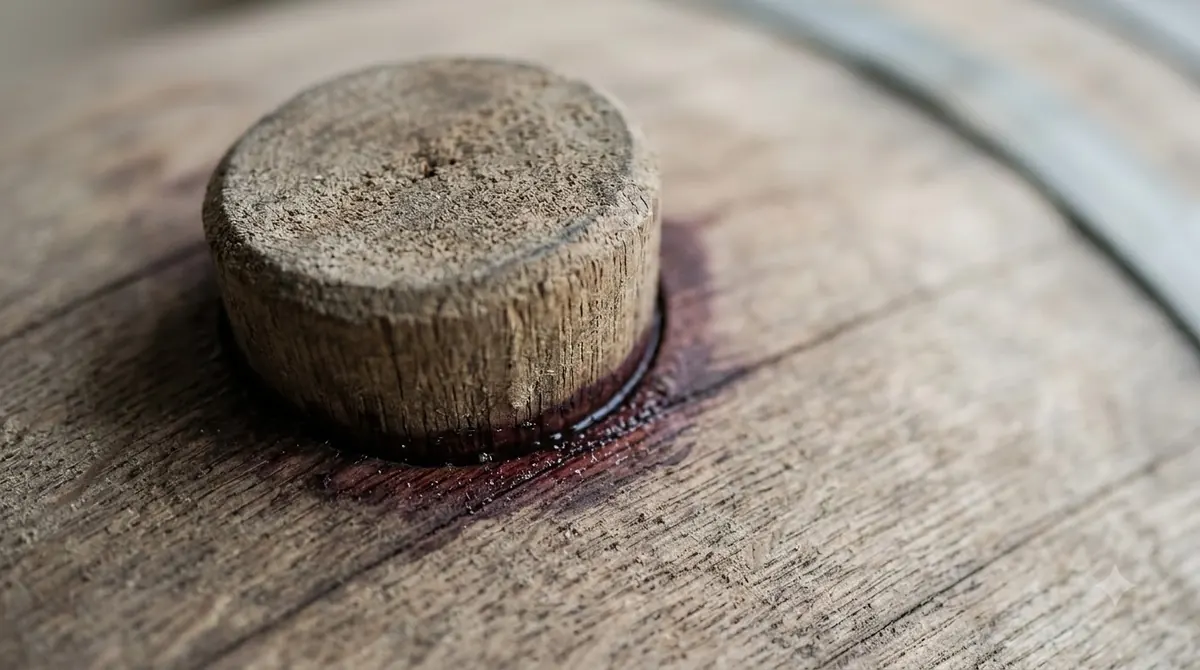
First-time Spanish wine buyers are a natural audience. Tempranillo is Spain’s best-known red grape, and its familiar cherry and plum flavors make it approachable even for someone who does not regularly buy Spanish wine. A young bottle usually emphasizes fresh fruit, while barrel-aged versions introduce additional vanilla, cedar, and spice. Both approaches can work well for everyday drinking, but they suit different preferences.
Budget-conscious households can also benefit from exploring lesser-known Spanish regions rather than concentrating exclusively on prestigious Rioja labels. La Mancha, for example, has a reputation for straightforward, fruit-forward Tempranillo that makes sense for uncomplicated meals. Navarra and other Spanish growing areas provide additional opportunities to find different expressions of the grape.
Tempranillo is also a practical choice for people who enjoy matching wine with food. Its acidity and tannin complement grilled meat, tomato-based pasta, roasted poultry, and Spanish-inspired dishes. The grape has enough personality to remain noticeable alongside seasoned food without necessarily overwhelming a casual meal.
However, shoppers who prefer very light reds with barely noticeable tannins may find some Tempranillo too structured. Those who specifically want a sweet red should look elsewhere unless the bottle explicitly indicates sweetness. Standard Tempranillo is generally dry, even when ripe fruit aromas give an impression of sweetness.
Key Factors to Compare
The most useful comparisons are region, aging designation, fruit character, oak influence, and alcohol level. These factors explain why two inexpensive Tempranillo wines can taste quite different despite sharing the same principal grape variety.
Start with the region. La Mancha is a sensible starting point for shoppers interested in straightforward, fruit-driven wine. Rioja offers a broader selection of styles, including young reds and oak-aged Crianza bottlings. Ribera del Duero tends toward more concentrated, structured expressions, while Toro is associated with powerful reds made from Tinta de Toro.
Next, consider the aging designation. Joven generally indicates a youthful style with little or no extended aging. Crianza indicates a more developed wine, with oak and bottle maturation contributing additional complexity. Reserva and Gran Reserva represent longer aging commitments in Rioja and can offer more evolved flavors, although these categories are not automatically indicators of superior value for an everyday purchase.
| Buying factor | What to look for | Typical result |
|---|---|---|
| Joven | Young, minimally aged wine | Fresh cherry and plum |
| Crianza | At least 2 years of total aging in Rioja, including at least 1 year in oak | Fruit with vanilla and spice |
| Reserva | At least 3 years of total aging in Rioja, including at least 1 year in oak | More developed fruit and savory notes |
| Gran Reserva | At least 5 years of total aging in Rioja, including at least 2 years in oak | More evolved and mature character |
| Roble | Barrel-aged style; Toro examples may spend 3–6 months in oak | Fruit with a noticeable oak influence |
These aging figures describe the traditional Rioja requirements and the Toro Roble example discussed by Wine Enthusiast and Total Wine. They should not be applied indiscriminately to every Spanish appellation. Regional rules can differ, and producers may also use their own descriptions for wines outside regulated aging categories.
Alcohol level is another useful comparison. Tempranillo commonly falls around 13.5–15% ABV, although lighter and more powerful examples can fall outside that range. A higher alcohol level can accompany riper fruit and a fuller impression, but it does not automatically mean better quality. Shoppers looking for an easy-drinking dinner wine may prefer a bottle with a moderate alcohol level and balanced acidity.
Finally, consider whether the wine is a single-variety Tempranillo or a blend. Rioja producers often combine Tempranillo with Garnacha, Graciano, or Carignan. These varieties can contribute additional fruit, aroma, acidity, and structure. A blend is not a reason to reject an affordable bottle; it may provide a more balanced result than a single-variety wine.
Tip: For a first inexpensive Tempranillo purchase, start with a young Spanish red or a straightforward Rioja Crianza. Choose Joven for fresher fruit and Crianza when you want some vanilla, spice, and oak influence. This is generally a more useful starting point than paying extra simply for a Reserva designation.
Step-by-Step: How to Choose a Bottle
A simple buying process can make inexpensive Spanish wine much easier to compare. Begin with the style you enjoy, narrow the options by region, and then examine the aging information and producer details.
- Decide how you want the wine to taste. Choose a fruit-forward style if you enjoy cherry, raspberry, and plum. Look for Crianza if you prefer additional vanilla, cedar, and spice. More developed Reserva wines may be attractive if you enjoy leather, tobacco, and savory aromas.
- Choose a region that matches your preference. Start with La Mancha for uncomplicated fruit-driven reds. Choose Rioja for a traditional Spanish profile with a range of aging styles. Consider Ribera del Duero when you want greater concentration and structure, or Toro if you prefer a more powerful red.
- Read the aging designation carefully. Joven is a useful indication of youth and freshness. Crianza indicates additional maturation, while Reserva and Gran Reserva generally involve longer aging in Rioja. Remember that these terms are connected to regional regulations rather than universal quality scores.
- Check the grape composition. Look for Tempranillo as the principal variety, but do not automatically reject blends. Garnacha can contribute fruit and body, while Graciano and Carignan may add aromatic complexity and structure.
- Consider the alcohol percentage. Compare the ABV printed on the bottles. A wine around the typical 13.5–15% Tempranillo range may feel medium-bodied to full-bodied, but alcohol alone cannot predict balance or overall drinking style.
- Match the bottle to the meal. Select young, fresh Tempranillo for tomato-based pasta and casual tapas. Choose a more structured Crianza for grilled beef, roasted pork, or lamb. Consider the intensity of sauces and seasoning as well as the main ingredient.
- Compare the producer and vintage information. Look for clear regional identification, a named producer, and complete bottling information. A familiar appellation and a straightforward description are useful starting points, but the producer’s consistency matters more than attractive packaging.
This process also helps prevent an unnecessary jump into more expensive aging categories. A young Tempranillo that matches the meal can be more enjoyable than a mature bottle whose oak and savory flavors are not what the drinker wants. The objective is to find the right style for the occasion, not to purchase the most elaborate label.
For additional practical advice on comparing wine labels, regions, and styles, explore the site’s Wine Buying Guides. The same approach works across Spanish reds and other wine-producing countries: understand the style first, then compare the producer and origin.
Types and Styles Explained
Affordable Tempranillo is not one uniform style. Regional climate, vineyard conditions, blending, and maturation create differences in fruit intensity, body, tannin, and oak character.
La Mancha: Fresh and Fruit-Forward
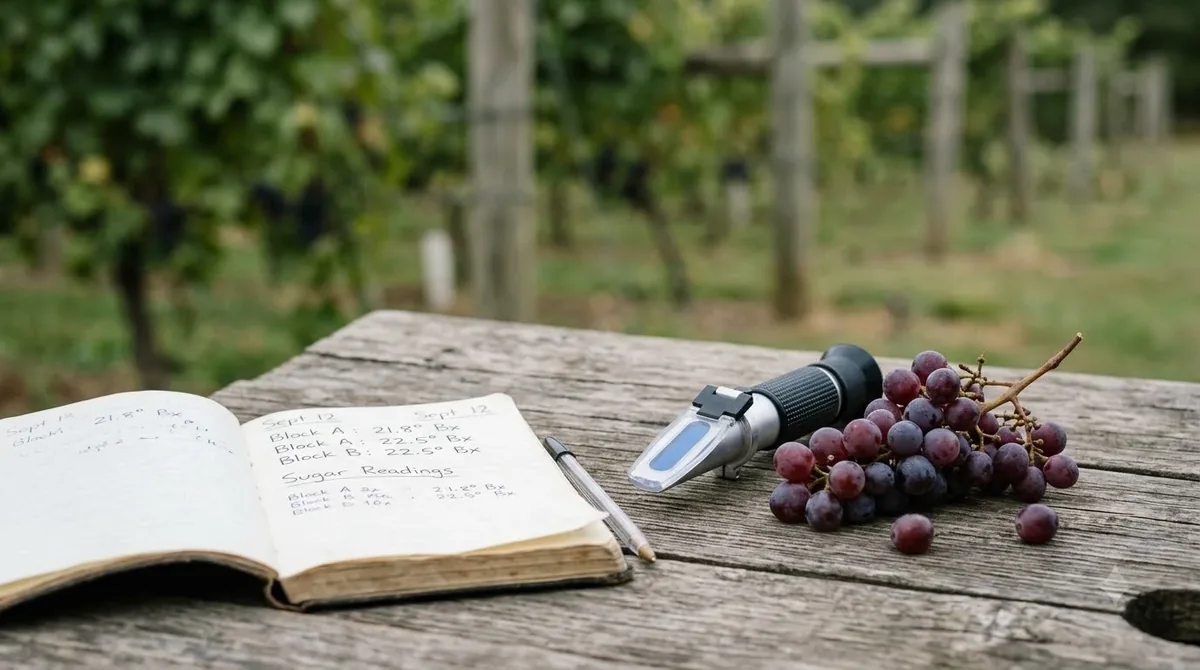
La Mancha is one of the most useful regions to investigate when searching for uncomplicated Tempranillo. The local name for the grape is Cencibel. Wines from the region are often light to medium-bodied, fruit-focused, and designed for relatively early enjoyment rather than extended cellaring.
Expect flavors such as red cherry, plum, and soft berry fruit. These wines are useful for weekday dinners, casual gatherings, and dishes where a strong oak influence would be unnecessary. Some producers also make barrel-aged examples, so the region should not be treated as exclusively young or simple.
Rioja: Traditional Spanish Character
Rioja is the most recognizable regional name associated with Tempranillo. The grape frequently forms the foundation of Rioja red blends, with Garnacha, Graciano, and Carignan appearing in different proportions. Young Rioja tends to emphasize bright fruit and acidity, while extended maturation introduces more developed flavors.
A Rioja Joven can be an appealing option for shoppers who want straightforward red fruit. Crianza provides a useful middle ground, bringing together fresh fruit and oak-related notes such as vanilla, cedar, and baking spice. Reserva and Gran Reserva offer a more mature profile, but they are not necessary for every dinner or casual occasion.
Ribera del Duero: Concentrated and Structured
Ribera del Duero is another important Tempranillo region. Here, the grape is frequently called Tinto Fino or Tinto del País. Wine Enthusiast describes regional vineyards at approximately 2,500–3,000 feet in elevation, with limestone soils and a climate that contribute to structured, concentrated wines.
Expect darker berry fruit, black cherry, noticeable tannin, and often a more powerful palate than in lighter young Tempranillo. Some wines also contain small amounts of Cabernet Sauvignon or Merlot. For shoppers who prefer a substantial red to accompany beef or roasted lamb, Ribera del Duero is worth considering.
Toro: Powerful and Bold
Toro uses the local name Tinta de Toro for its Tempranillo variety. Its wines can be more concentrated and assertive, with ripe black fruit and pronounced structure. They are particularly suitable for people who enjoy bold reds rather than lighter, delicate wines.
Look at the difference between Joven and Roble. Joven wines generally receive little or no oak aging, while Roble examples may spend three to six months in barrels. The latter can introduce additional spice and toasted character without requiring the extended maturation associated with longer-aged wines.
Understanding Oak and Fruit
Oak is one of the main reasons inexpensive Tempranillo can taste different from bottle to bottle. American oak can contribute recognizable vanilla and toasted aromas, while other oak choices and maturation conditions can produce subtler spice and wood characteristics.
Young wines generally emphasize primary fruit aromas. With aging, Tempranillo can develop leather, tobacco, smoke, dried fig, and savory complexity. However, these characteristics are not guaranteed simply because a bottle carries an aging designation. Grape quality, cellar decisions, and storage conditions also influence the final result.
For shoppers who enjoy fruit-driven wines, an oak-light Tempranillo is often the more straightforward choice. Those who prefer layered aromas can investigate Crianza and other barrel-aged examples. Neither approach is inherently better; the best option is the one that suits the drinker’s preferences and meal. Wine Folly’s Tempranillo grape profile also provides a useful reference for its typical aromas, structure, and food-pairing characteristics.
Common Mistakes When Buying Cheap Tempranillo
Many disappointing purchases happen because shoppers assume that every Tempranillo tastes alike or that longer aging automatically means better wine. Understanding a few common mistakes makes it easier to select a bottle that fits the occasion.
Confusing fruitiness with sweetness. Cherry, plum, and ripe blackberry aromas can make a dry red seem sweet. However, standard Tempranillo is generally a dry wine. Its fruit character does not necessarily indicate residual sugar. If a sweet red is what you want, explore the separate sweet red wine category instead.
Assuming Rioja is always the best value. Rioja has an established reputation, but that does not mean every bottle from the region is the right choice for an everyday budget. La Mancha offers a different route, particularly if fresh fruit and uncomplicated drinking matter more than traditional oak maturation.
Choosing Gran Reserva automatically. Longer aging can produce complexity, but mature flavors are not universally preferred. A casual meal with burgers or pizza may call for fresh cherry and plum rather than developed leather and tobacco. A younger wine can therefore be the more appropriate selection.
Ignoring tannin. Tempranillo has medium to medium-high tannin, and some examples are noticeably structured. If you prefer a very soft red, start with a fruit-forward young wine rather than a heavily structured Ribera del Duero or Toro selection.
Buying according to the label design. Attractive labels, traditional illustrations, and impressive-sounding descriptions do not establish wine quality. Pay greater attention to the named region, producer, aging category, grape composition, and alcohol percentage.
Expecting every inexpensive bottle to age well. Many everyday Tempranillo wines are made for relatively early consumption. A young, fruit-driven bottle does not need to spend several additional years in storage to become enjoyable. The ability of some premium Tempranillo wines to age for decades should not be confused with the intended lifespan of every entry-level bottling.
Serving the wine too warm. A warm red can emphasize alcohol and make its structure seem heavier. This is especially noticeable with fuller-bodied Spanish wines. Slightly cooling the bottle before serving can make the fruit and acidity easier to appreciate.
Organic certification is another consideration for shoppers who want information about vineyard and production practices. It does not automatically establish flavor quality or a particular sweetness level. Those interested in production methods can compare bottles with the guidance in the site’s organic Tempranillo resource.
Care and Storage Tips
Proper serving and storage can improve the experience of an inexpensive Tempranillo just as much as they can improve a more expensive red. Temperature, exposure to air, and storage conditions all influence the way the wine smells and tastes.
For most Tempranillo, a serving temperature around 60–65°F is a useful starting point, particularly for medium-bodied bottles. This is slightly cooler than many warm indoor environments. If the bottle has been sitting in a warm kitchen, place it in the refrigerator briefly before opening. Avoid serving it excessively cold, since low temperatures can mute its aromas and make tannins seem more prominent.
A standard 750 ml bottle provides approximately five 5-ounce glasses. Pouring a moderate amount into a suitable red-wine glass leaves room for swirling and helps release the aromas. Tempranillo benefits from a glass with enough space to reveal cherry, plum, vanilla, and savory notes.
Decanting depends on the wine’s age and structure. A young, concentrated Tempranillo may benefit from approximately 30–60 minutes of aeration. Some fuller examples can benefit from longer exposure, although an inexpensive, light-bodied Joven may be perfectly enjoyable immediately after opening. There is no need to decant every bottle simply because it is red.
Store unopened bottles in a cool, dark location with a relatively stable temperature. A storage temperature near 55°F is a useful general target. Keep cork-sealed bottles on their sides so the cork remains in contact with the wine. Avoid locations near ovens, radiators, windows, or appliances that generate regular heat and vibration.
After opening, reseal the bottle and keep it in the refrigerator, even if it is red. Most opened still wines retain acceptable quality for approximately three to five days, depending on their structure, age, and exposure to oxygen. Bring the remaining Tempranillo toward its preferred serving temperature before pouring another glass.
For everyday bottles, buying only what can reasonably be consumed within a few days is a practical approach. Expensive preservation equipment is rarely necessary for an uncomplicated weeknight red. A reliable closure, refrigeration, and protection from excessive air exposure are usually sufficient.
Frequently Asked Questions
Is Tempranillo the same grape as Tinta Roriz?
Yes. Tinta Roriz is a Portuguese name for the Tempranillo grape, particularly in the Douro region. Aragonez is another Portuguese name used in different growing areas. The resulting wine can differ considerably depending on local climate, blending partners, and production methods.
Can Tempranillo be used to make rosé wine?
Yes. Tempranillo can be used to produce rosé as well as red wine. Rosado is the Spanish term commonly used for rosé, and these wines can emphasize fresh strawberry, cherry, and other red-fruit aromas. Their color and body depend partly on how long the grape skins remain in contact with the juice.
Does Tempranillo have a white-wine counterpart?
A rare natural mutation called Tempranillo Blanco exists in Rioja Oriental. It is a white grape variety rather than the standard red Tempranillo used for familiar Spanish red wines. Its existence is an interesting example of how grape varieties can develop distinct color mutations.
Can Tempranillo be grown in the United States?
Yes. Tempranillo is cultivated in the United States, including areas where warm growing seasons and suitable vineyard conditions support its development. American examples can differ from Spanish wines in fruit ripeness, oak choices, and regional expression. The grape is also grown in Australia, Argentina, and parts of France.
What does the word Tempranillo mean in Spanish?
The name comes from temprano, the Spanish word for early. The variety received this name because it generally ripens earlier than many other red grapes. This early-ripening characteristic is one of the distinctive features that helped establish its place in Spanish viticulture.
Cheap Tempranillo offers an accessible way to explore Spain’s most recognizable red grape without making every bottle a special-occasion purchase. Start with a fruit-forward La Mancha wine or a straightforward Rioja, then compare Crianza, Ribera del Duero, and Toro as your preferences develop. Paying attention to region, aging, and food pairing will do more for your next purchase than choosing a bottle solely because its label looks impressive.
More in Wine Buying Guides
 Riesling Gift: Choose a Bottle They’ll LoveUpdated Nov 21, 2026
 Sweet Red Wine Gift: Choose a Bottle They’ll LoveUpdated Nov 21, 2026
 Malbec Gift: How to Choose a Memorable Bottle for Any OccasionUpdated Nov 21, 2026
 Sherry Gift Ideas That Match Every Wine LoverUpdated Nov 21, 2026
 Moscato Gift: How to Choose a Sweet Wine They’ll LoveUpdated Nov 21, 2026
 Merlot Gift: How to Choose a Bottle They’ll AppreciateUpdated Nov 21, 2026