


We may earn a commission when you buy through links on this page, at no extra cost to you. Learn more.
The typical zuccardi wine price ranges from about $12 to $175 or more per 750 ml bottle in the United States, depending on the wine range, vineyard designation, grape variety, and vintage. Serie A and Serie Q generally provide the most accessible options, while Polígonos and Concreto occupy higher price brackets. Premium Aluvional and single-vineyard selections can cost considerably more, making the label and vineyard designation important details when comparing bottles.
Zuccardi is an Argentine producer whose portfolio covers everything from approachable Malbec to vineyard-specific wines from Mendoza’s Uco Valley. That variety explains why two bottles carrying the same producer name can have very different retail prices. Understanding the range structure makes it easier to choose a bottle that suits your budget, preferred grape, and occasion without paying for a level of complexity you do not need.
Who Should Buy Zuccardi Wine?
Zuccardi is a useful producer to explore if you enjoy Argentine wines and want options across several spending levels. Its range includes familiar varieties such as Malbec, Cabernet Sauvignon, Chardonnay, and Torrontés, alongside wines that emphasize particular villages, vineyards, and vineyard parcels.
For everyday wine drinkers, Serie A and Serie Q provide sensible starting points. These regional ranges cover recognizable Argentine varieties and are generally easier to find through US retailers than some of the producer’s more specialized bottles. A buyer looking for a weeknight Malbec does not necessarily need to move into an expensive single-vineyard selection.
More experienced wine enthusiasts may prefer Polígonos, Concreto, Aluvional, or the Finca wines. These selections make sense for people interested in differences between Uco Valley locations, soil types, and vineyard expressions. They are also worth considering when choosing a bottle for a special dinner or a wine-focused gift.
Budget matters, but drinking occasion matters too. A moderately priced Serie A Malbec can work well for casual meals, while a more distinctive Concreto or Aluvional bottle may be more appropriate for a dinner where the wine receives greater attention. Buyers interested in the broader producer background can also explore our Zuccardi wine overview.
Key Factors That Determine Zuccardi Wine Price
The biggest price differences come from the wine range, vineyard classification, grape variety, and vintage. Comparing bottles within the same category is more useful than assuming every Zuccardi Malbec should cost roughly the same amount.
Wine range and classification
Zuccardi organizes its Uco Valley portfolio into several categories. The regional wines include Serie A and Serie Q. Polígonos represents individual villages, while the viticulturist category includes wines such as Concreto and José Zuccardi. The paraje category includes Aluvional, Fósil, and Botánico. Single-vineyard and parcel wines occupy more specialized positions in the portfolio.
These categories communicate different approaches to expressing Argentine winegrowing. They are not simply a ladder of quality in which every bottle in a higher category must suit every drinker better. A buyer who prefers a generous, approachable Malbec might enjoy a regional wine more than a more expensive bottle emphasizing vineyard character.
Vineyard origin and location
The Uco Valley is particularly important to understanding the producer’s higher-end wines. According to Zuccardi’s Uco Valley terroir guide, the region lies approximately 100 kilometers southwest of Mendoza city and includes vineyards at elevations between 900 and 1,700 meters above sea level.
Differences in elevation, temperature, exposure, and soil composition help explain why wines from individual villages and vineyards can command different prices. Gualtallary, San Pablo, Paraje Altamira, and Tupungato are examples of Uco Valley locations that appear in the producer’s more geographically specific wines.
Grape variety and vintage
Malbec is an important part of the portfolio, but it is not the only variety worth considering. Cabernet Sauvignon, Cabernet Franc, Chardonnay, Torrontés, and other grapes appear across different ranges. The grape influences the wine’s structure and flavor, while vintage conditions can affect availability, style, and retailer pricing.
Older bottles may also be more expensive than younger releases, particularly when a particular vintage is sought after or difficult to find. That does not automatically make an older bottle a better purchase. The best comparison considers the exact wine, vintage, storage history, and intended drinking occasion.
Step-by-Step: How to Compare Zuccardi Wine Prices
A practical buying process starts with a budget and then narrows the selection by range, grape, and origin. Comparing similar wines prevents an entry-level bottle from being judged unfairly against a specialized vineyard release.
-
Set a realistic bottle budget.
Decide how much you want to spend on a 750 ml bottle before browsing. For everyday drinking, begin with Serie A or Serie Q. For a more distinctive dinner wine, consider moving toward Polígonos or Concreto.
-
Choose the wine category.
Look at the label for Serie A, Q, Polígonos, Concreto, Aluvional, or a Finca designation. These names help identify where the wine sits within the producer’s portfolio and what kind of winegrowing expression it represents.
-
Select your preferred grape.
Choose Malbec for a familiar Argentine red, Cabernet Sauvignon or Cabernet Franc for a different red-wine structure, and Chardonnay or Torrontés if you prefer white wine. The producer’s portfolio includes all these options.
-
Compare the same wine and vintage.
Retailers may list different vintages of the same label at different prices. Compare like with like rather than treating a 2021 Concreto and a 2024 Q Malbec as interchangeable products.
-
Check bottle size and availability.
The standard comparison is a 750 ml bottle. Larger formats, limited availability, and older vintages can change the total cost substantially.
-
Evaluate the vineyard designation.
For higher-priced bottles, identify whether the wine is regional, village-based, paraje, single-vineyard, or parcel-specific. This helps explain why a premium bottle costs more than a broadly sourced regional wine.
-
Make the final retailer comparison.
Compare at least two US retailers, paying attention to the exact label, vintage, bottle size, shipping charges, and local availability. Prices vary by state and retailer, so the lowest advertised figure is not necessarily the lowest final purchase cost.
Tip: Compare the same Zuccardi label and vintage before deciding whether a bottle is expensive. A Q Malbec and an Aluvional Malbec serve different buying purposes, so comparing their prices without considering their categories can be misleading.
Zuccardi Wine Price Ranges by Style and Category
For most US buyers, the portfolio can be divided into accessible regional wines, midrange village and viticulturist selections, and premium vineyard-specific bottles. The following ranges are practical shopping estimates based on the US retailer listings consulted for this guide, not fixed producer prices.

| Wine category | Examples | Typical US retail range | Buying position |
|---|---|---|---|
| Entry-level regional | Serie A Malbec, Serie A Torrontés | About $12–$18 | Everyday drinking |
| Midrange regional | Q Malbec, Q Cabernet Sauvignon, Q Chardonnay | About $17–$26 | Regular dinners and gifts |
| Village wines | Polígonos San Pablo, Polígonos Paraje Altamira | About $28–$40 | Exploring regional character |
| Viticulturist wines | Concreto, José Zuccardi | About $35–$65 | Special dinners |
| Paraje wines | Aluvional, Fósil, Botánico | About $55–$100 | Premium exploration |
| Single-vineyard wines | Finca Piedra Infinita, Finca Las Cerrilladas | About $100–$175+ | Collector-oriented purchases |
For the entry-level category, BuyWinesOnline’s Zuccardi selection lists Serie A Malbec and Serie A Torrontés in the approximate $12 to $18 range for 750 ml bottles. These are sensible starting points for shoppers who want to explore the producer without committing to a premium selection. Prices vary by state and retailer.
For Serie Q, BuyWinesOnline lists examples of Q Malbec, Q Cabernet Sauvignon, Q Cabernet Franc, and Q Chardonnay in the approximate $17 to $26 range for 750 ml bottles. Total Wine’s assortment also places its displayed Q Malbec in the $20 to $30 retail category. Prices vary by state and retailer.
Polígonos generally sits above the basic regional ranges. Total Wine’s displayed Polígonos San Pablo Malbec falls in the $20 to $30 category. For shopping purposes, about $28 to $40 is a reasonable comparison range for Polígonos examples, depending on the wine and vintage. Prices vary by state and retailer.
Concreto and José Zuccardi occupy a more premium position. BuyWinesOnline lists Concreto Malbec and José Zuccardi Malbec in different retail brackets, with Concreto around $35 to $40 and José Zuccardi around $45 to $55 for the listed bottle examples. Prices vary by state and retailer.
More specialized wines can cost considerably more. Retailer listings place Finca Las Cerrilladas above $100, while premium Aluvional and other single-vineyard selections can reach approximately $55 to $175 or more depending on vineyard, vintage, and availability. Prices vary by state and retailer.
The table is intended as a practical comparison rather than a guarantee that every label will be available within its listed range. A rare vintage or a specific single-vineyard bottling may sit outside the typical bracket. For more details on the red selections, see our Zuccardi red wine guide.
Understanding Zuccardi Wine Types and Styles
Understanding the portfolio’s classifications is one of the most useful ways to judge whether a higher price is justified. The producer’s wines move from regional expressions to village, subzone, vineyard, and parcel-focused selections.
Serie A: accessible regional wines
Serie A represents regional wines made from important Argentine grape varieties. It is a natural starting point for shoppers who want a straightforward introduction to the producer. Malbec is a familiar choice, while Torrontés offers a white-wine alternative associated with Argentina.
These wines are particularly useful for casual meals and gatherings where affordability matters. A Serie A Malbec can accompany burgers, grilled vegetables, and everyday beef dishes without requiring a special occasion. Its relatively accessible price also makes it easier to explore more than one grape variety.
Serie Q: a step further into the range
Serie Q provides another regional option and includes wines such as Malbec, Cabernet Sauvignon, Cabernet Franc, Tempranillo, and Chardonnay. It gives buyers more opportunities to compare different grape varieties within one producer’s portfolio.
For red-wine drinkers, Q Malbec is an obvious starting point. Cabernet Sauvignon and Cabernet Franc provide alternatives for those who prefer a different balance of fruit, tannin, and structure. Q Chardonnay is worth considering for buyers who want to explore the producer’s white wines.
Polígonos: village identity
Polígonos wines focus on individual Uco Valley villages. Examples include San Pablo, Paraje Altamira, and Tupungato bottlings. These labels are useful for people who want to explore how wines from different locations can express different characteristics.
Rather than buying a Polígonos bottle simply because it costs more than Serie Q, consider whether you are interested in the specific location and grape variety. For someone exploring the differences between Uco Valley villages, the extra spending may be worthwhile.
Concreto and José Zuccardi: distinctive expressions
Concreto and José Zuccardi belong to the producer’s viticulturist category. They are not simply regional entry-level wines with different packaging. They represent more particular interpretations within the producer’s portfolio.
Concreto is especially relevant to Malbec enthusiasts interested in a more distinctive expression. José Zuccardi is another premium option for shoppers looking beyond the basic Serie A and Q selections. Both are worth comparing with Polígonos before moving into more expensive vineyard-specific wines.
Aluvional and single-vineyard wines
Aluvional, Fósil, and Botánico belong to the paraje category. The focus is on individual subzones within Uco Valley villages, where local climate and soil characteristics contribute to a wine’s identity.
The single-vineyard category includes wines such as Finca Piedra Infinita and Finca Las Cerrilladas. The parcel category includes Finca Piedra Infinita Supercal and Gravascal. These classifications provide a clearer explanation for premium pricing than the producer name alone.
White-wine shoppers should not overlook this part of the portfolio. Chardonnay selections such as Fósil and Botánico offer a different perspective from the better-known Malbec wines. Our Zuccardi white wine guide provides more detail about these choices.
Common Mistakes When Comparing Zuccardi Wine Prices
The most common buying mistake is treating all bottles from the same producer as equivalent. A meaningful comparison needs to account for the category, vineyard origin, grape variety, and vintage.
Comparing different wine categories
A $15 regional Malbec and a $90 vineyard-specific Malbec are not direct substitutes. They may share the same principal grape, but their vineyard sourcing and positioning differ. A buyer interested mainly in an enjoyable everyday red may not gain enough practical value from spending considerably more.
Assuming a higher price means better personal value
Premium pricing can reflect vineyard specificity, limited availability, or a different winemaking ambition. It does not guarantee that the wine will match every person’s preferences. Someone who enjoys fruit-forward reds may prefer an accessible Malbec over a more structured, specialized bottle.
Ignoring vintage differences
Two bottles with the same name can differ in price because they come from different harvests. Older vintages may become harder to find, while current releases can have different retail availability. Always compare the exact vintage when evaluating competing listings.
Overlooking the grape variety
Buyers sometimes focus exclusively on Malbec and miss other interesting options. Cabernet Franc, Cabernet Sauvignon, Torrontés, and Chardonnay broaden the selection considerably. A white wine can be a better match for a particular meal than a more expensive red.
Using an incomplete price comparison
A displayed retail price does not necessarily include shipping, tax, or other purchasing costs. Availability also changes by state and retailer. A wine listed in one market may not be offered at the same price elsewhere.
For broader comparisons across Argentine producers, the Wine Brands section provides a useful starting point for exploring other wine regions and producers.
Care and Storage Tips for Protecting Your Purchase
Proper storage helps preserve the wine’s intended character, especially when buying a premium Zuccardi bottle for a future occasion. Temperature stability, light protection, and correct serving conditions matter more than complicated equipment.
Store bottles at a stable temperature
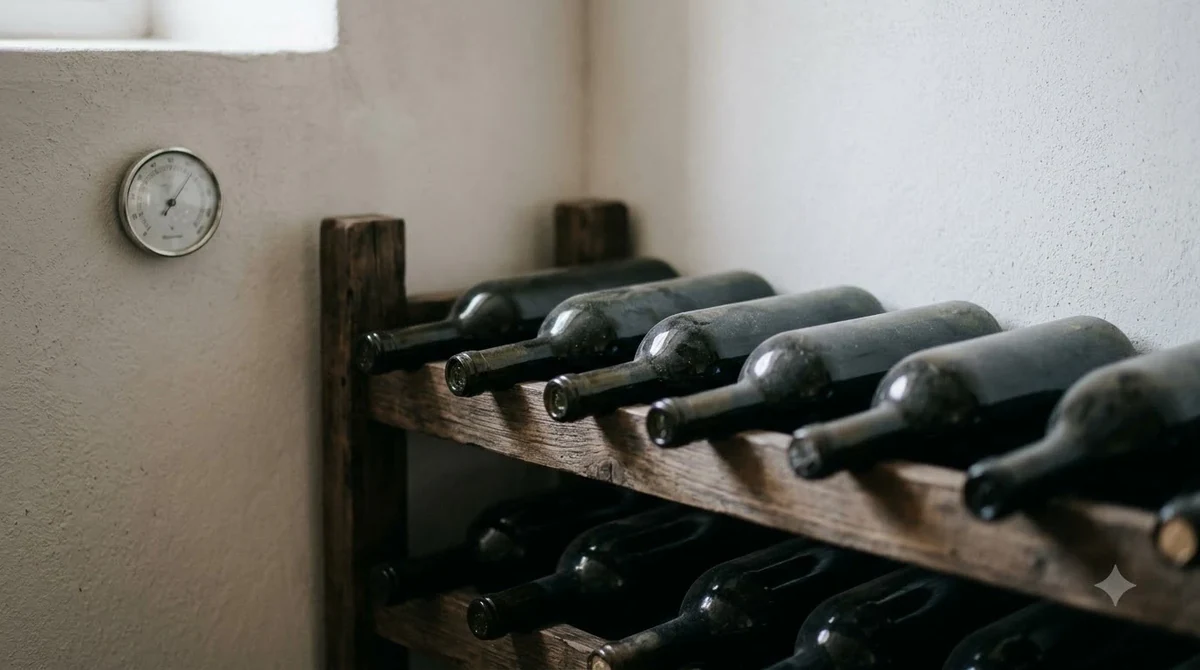
A storage temperature near 55 degrees Fahrenheit is a useful target for still wines. Keep bottles away from direct sunlight, radiators, ovens, and locations with frequent temperature changes. Bottles with natural cork closures should generally be stored on their sides to keep the cork from drying out.
For bottles intended to age, avoid repeatedly moving them between warm and cold locations. A stable storage environment is more useful than trying to create dramatic temperature changes based on the wine’s price category.
Serve red and white wines at appropriate temperatures
Full-bodied red wines generally show better balance when served around 60 to 65 degrees Fahrenheit. Lighter reds are often more enjoyable around 55 to 60 degrees. If a red wine is served too warm, its alcohol can become more prominent and its structure less balanced.
Full-bodied white wines such as Chardonnay generally benefit from serving temperatures around 50 to 55 degrees Fahrenheit. Lighter white wines are better served around 45 to 50 degrees. Avoid serving Chardonnay directly from an extremely cold refrigerator if you want its aromas and texture to show clearly.
Decant young, structured reds when appropriate
A young, full-bodied Malbec may benefit from approximately 30 to 60 minutes of aeration before serving. Decanting can help soften the initial impression and make the wine’s aromas easier to appreciate. It is not a requirement for every bottle, particularly lighter or simpler regional wines.
Preserve unfinished bottles
After opening a still wine, reseal the bottle and refrigerate it. Many still wines remain enjoyable for approximately three to five days, although freshness depends on the wine’s structure and how much air has entered the bottle.
For a bottle purchased for a special dinner, avoid opening it far in advance without a reason. Prepare the serving temperature, glassware, and food pairing instead. Malbec works particularly well with grilled beef, lamb, and dishes with enough fat or salt to soften its tannins.
Frequently Asked Questions
Is Zuccardi an Argentine wine producer?
Yes. Zuccardi is an Argentine wine producer associated with Mendoza and the Uco Valley. Its portfolio includes regional wines as well as village, subzone, vineyard, and parcel selections. The Uco Valley’s proximity to the Andes is an important part of the region’s winegrowing identity.
Does Zuccardi make wines other than Malbec?
Yes. The portfolio includes Chardonnay, Torrontés, Cabernet Sauvignon, Cabernet Franc, and Tempranillo, among other varieties. This makes the producer relevant to shoppers who want to explore Argentine wines beyond Malbec.
What does Polígonos mean on a Zuccardi wine label?
Polígonos refers to Zuccardi’s village-focused wines from the Uco Valley. These wines highlight individual geographical indications and their differences in growing conditions. San Pablo, Tupungato, and Paraje Altamira are examples of locations associated with this category.
What is the difference between Aluvional and Finca Piedra Infinita?
Aluvional belongs to Zuccardi’s paraje category, which focuses on the identity of a particular subzone within a Uco Valley village. Finca Piedra Infinita belongs to the single-vineyard category and represents a specific family vineyard. The distinction is therefore based on geographical sourcing and portfolio classification rather than grape variety alone.
How many glasses can you pour from a standard Zuccardi bottle?
A standard 750 ml bottle provides approximately five servings when poured at the conventional five-ounce serving size. This makes one bottle suitable for a small dinner table or a tasting shared by several people. Smaller tasting pours allow more guests to compare different wines from the same producer.
Zuccardi offers a broad selection, from accessible Serie A and Q bottles to village-focused Polígonos wines and premium vineyard selections. The most sensible purchase depends on your budget, preferred grape, and interest in exploring the Uco Valley rather than simply choosing the bottle with the highest price. Start with a regional wine if you are new to the producer, then consider Concreto, Aluvional, or a Finca selection as your interest in Argentine wine grows.
More in Wine Brands
 Underwood Wine Price: Compare Bottles, Cans, and Pack SizesUpdated Nov 21, 2026
 Zenato Wine Price: Compare Styles and Choose the Right BottleUpdated Nov 21, 2026
 Yellow Tail Moscato Review: Taste, Sweetness and Serving TipsUpdated Nov 21, 2026
 Wolf Blass Yellow Label Review: Choose Your Best StyleUpdated Nov 21, 2026
 Wolffer Estate Rose Review: Choose the Right Bottle for Your TableUpdated Nov 21, 2026
 Wolf Blass Yellow Label Price: What to Expect for Each BottleUpdated Nov 21, 2026