
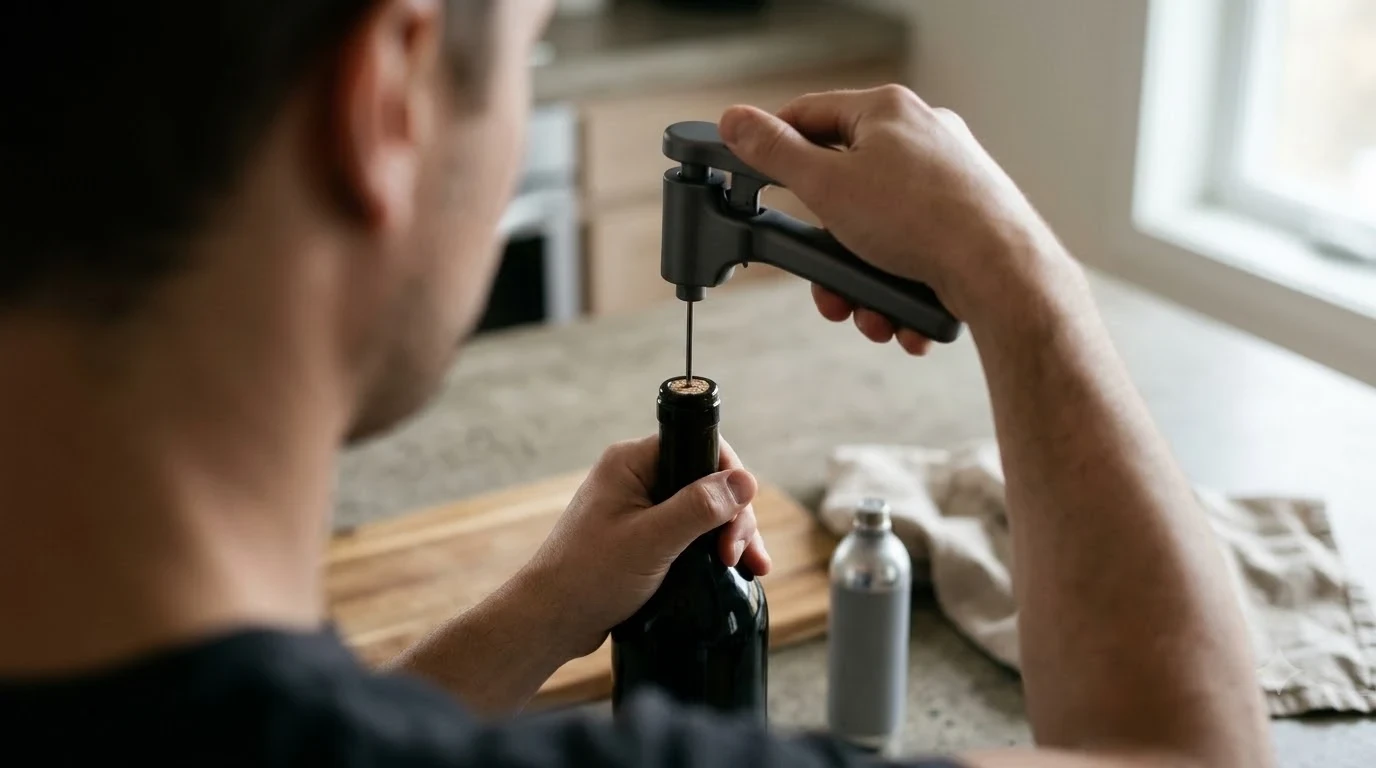

We may earn a commission when you buy through links on this page, at no extra cost to you. Learn more.
The best argon wine preserver for most people is a refillable argon canister with a slim dispensing nozzle, because argon is heavier than air and forms a protective layer over the wine that slows oxidation. Choose the size by how often you open bottles, check that the nozzle fits your bottle opening, and pick a model with a clear way to tell when the gas is running low. A single-use canister suits occasional use, and a larger cylinder suits a collection.
Once a bottle is opened, oxygen begins to change the wine. An argon preserver works by filling the space above the liquid with a gas that does not react with the wine, so the air is pushed out of the bottle. Argon is chemically inert under most conditions, and the Wikipedia entry on argon notes that it is about 38 percent denser than air, which is why it can settle over the surface of a liquid. This guide groups the main types by how you drink, so you can match a preserver to your habits.
Quick Comparison
The main types of argon preserver differ in how much gas they hold, how the gas is delivered, and how easy they are to refill. The table compares the four you will see most often.
| Preserver type | Gas supply | Ease of use | Best fit |
|---|---|---|---|
| Single-use canister | Disposable | Very simple | Occasional wine drinkers |
| Refillable canister | Replaceable cylinder | Simple, needs a refill plan | Regular use at home |
| Canister with nozzle | Replaceable cylinder | Precise, targets the bottle | Narrow bottle openings |
| Large cylinder with gauge | Large, refillable | Needs more setup | Collections and frequent hosts |
Argon is mostly known as a shielding gas in welding, where it keeps metal from reacting with air. The same property of resisting reaction is what makes it useful for wine, because it creates a barrier rather than changing the liquid. The preserver does not improve the wine, so the benefit is simply that the bottle keeps closer to how it tasted when you first opened it.
Best for occasional wine drinkers
If you open a bottle now and then, a single-use canister is the simplest choice. There is nothing to refill and no cylinder to store, so the tool stays ready for the next bottle in the cabinet.
Why it stands out. A single-use canister is easy to understand and quick to use. You spray the gas into the bottle for a short moment, then re-cork, and the process takes less time than the cork itself.
Keep in mind. The cost adds up if you open many bottles, and a disposable canister gives you no way to save for later. Check the label on the canister for how many uses it is rated for, and use it as directed.
Best for. Households that open one bottle a week or less and want a tool that does not need a refill plan.
Best for regular use at home
A refillable canister fits the routine of someone who opens a bottle most evenings. The cylinder can be swapped when it runs low, which spreads the cost over many bottles.
Why it stands out. A refillable canister gives a steady supply for daily use and avoids a stack of spent cans. How many bottles a cylinder covers depends on the model and the size of the bottle, so check the rating before you plan a refill.
Keep in mind. A refill is only useful if you can get one when you need it. Keep a spare cylinder or note the reorder point so the preserver does not sit empty in the cabinet.
Best for. Regular wine drinkers who open a bottle most days and want a predictable supply.
Best for narrow bottle openings
Some bottles have a small mouth, and a wide nozzle does not fit. A slim nozzle lets you place the gas directly above the wine, even when the opening is tight.
Why it stands out. A nozzle that targets the bottle’s mouth puts the gas where it is needed, rather than spreading it into the room. It also helps you avoid pressing the nozzle into the wine, which keeps the process clean.
Keep in mind. A narrow nozzle can clog if the wine residue dries on it, so wipe it after each use. Check the nozzle diameter against the opening before you buy.
Best for. Owners of bottles with narrow necks or unusual finishes, and anyone who wants precise placement.
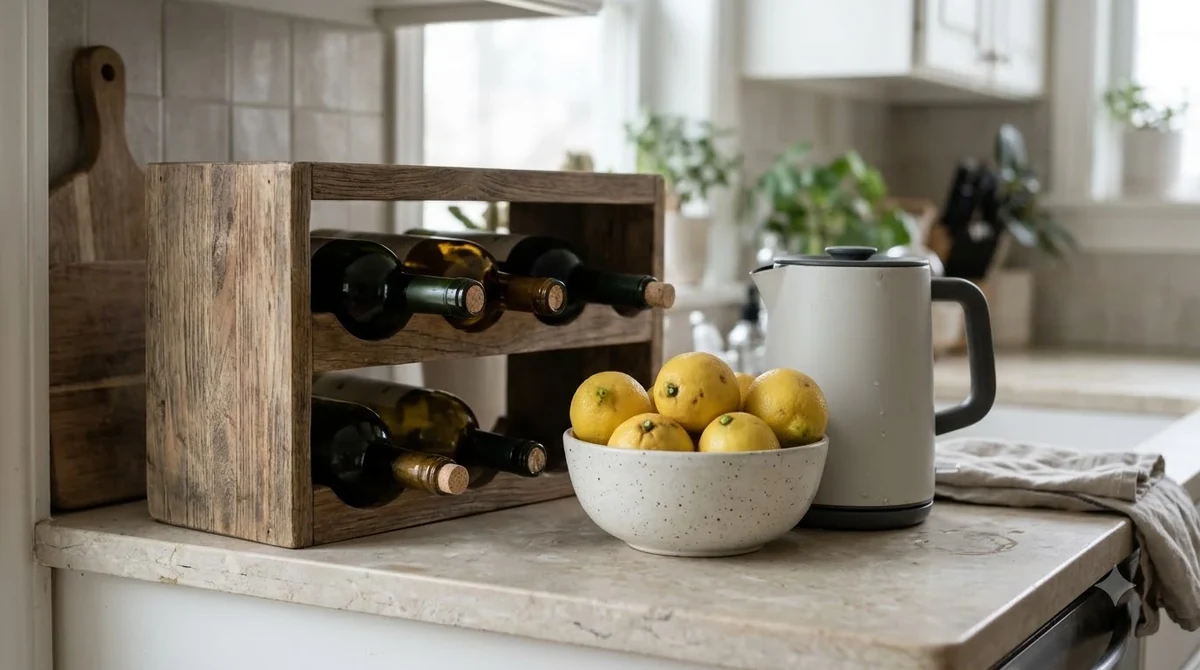
Best for a home wine bar or by-the-glass service
A home wine bar can open several bottles in a week and keep some of them for days. A larger cylinder with a stable flow supports that pattern better than a small canister.
Why it stands out. A larger cylinder can handle more bottles before a refill, and a gauge or indicator lets you see how much gas remains. That visibility helps when you are serving guests and cannot afford an empty tool mid-evening.
Keep in mind. Large cylinders are heavier and take more shelf space. Store the cylinder upright and secured, and follow the manufacturer’s guidance on handling.
Best for. Hosts who pour by the glass at home, and anyone who keeps several opened bottles on rotation.
Best for a wine collection or cellar
A serious collection benefits from a preserver that is ready for many bottles. The aim is not to keep one bottle fresh for a long time, but to slow the change in several opened bottles while you decide which to finish.
Why it stands out. A large, refillable system with a gauge suits a collection that includes many different bottles. It pairs well with a stopper for each bottle, so the preserver and the stopper work together.
Keep in mind. A preserver does not stop aging and cannot restore a wine that has already turned. Taste each bottle before you decide to keep it, and use the preserver as a way to slow change rather than as a guarantee.
Best for. Collectors who open bottles for tasting and want to keep leftovers in good order.
How to Use an Argon Wine Preserver
Most preservers follow the same basic steps. The goal is to fill the space above the wine with gas and then seal the bottle. The steps below keep the process simple.
- Pour the wine you want to serve first, so you know how much space is left in the bottle.
- Place the nozzle just above the wine surface, without touching the liquid.
- Apply the gas for the short time listed in the manual, then withdraw the nozzle slowly.
- Re-cork or stopper the bottle right away, and store it upright or on its side as the wine requires.
Tip: Keep the bottle cool after opening. Warmer temperatures speed up change in the wine, so the preserver works best when the bottle is stored well.
How to Choose
Choose by how many bottles you open, how narrow the openings are, and how much storage space you have. The checklist below covers the decisions that matter most.
- Use frequency: a single-use canister for occasional bottles, a refillable cylinder for regular use.
- Nozzle fit: measure the bottle opening, and choose a nozzle that reaches the space above the wine.
- Refill plan: check how gas is replaced and how often you will need a refill.
- Storage: a cylinder needs an upright, stable spot away from heat.
For other ways to protect an opened bottle, the guides to wine preservers and wine stoppers cover pumps, stoppers, and seals. If you want a rough idea of how long an opened bottle keeps, the how long wine lasts after opening guide is a good next read. For background on the gas itself, the Wikipedia entry on argon describes its properties and uses.
Frequently Asked Questions
Does argon keep wine fresh forever?
No. Argon slows the effect of oxygen on an opened bottle, but it does not stop the wine from changing over time. Taste the wine before serving, and keep it cool and sealed between pours.
Is argon safe to use with wine?
Argon is chemically inert under most conditions and is widely used as a protective gas. Follow the manufacturer’s instructions, use the preserver in a ventilated area, and do not inhale the gas directly.
Can I use argon on any bottle?
Most standard bottles work, but narrow or unusual openings may need a slim nozzle. Check the nozzle fit against your bottle before you rely on it for a dinner.
Do I still need a stopper if I use argon?
Yes. The gas works best when the bottle is sealed afterward, so a stopper or cork is needed to keep the layer in place and limit new air from getting in.
An argon preserver is a practical tool when you want to keep an opened bottle closer to how it tasted at the start. Match the type to how often you open bottles, check the nozzle fit, and seal the bottle right after use. For the full range of options, browse the Preservation & Stoppers section.
More in Preservation & Coravin
 Coravin Model Eleven Review: Preserve Wine Without Opening BottlesUpdated Nov 20, 2026
 Is Coravin Worth It? A Practical Guide to Its Real ValueUpdated Nov 20, 2026
 Coravin Timeless Six: Pour a Glass Without Opening the BottleUpdated Nov 20, 2026
 Coravin Pivot Plus Review: Keep Open Wine Fresh for WeeksUpdated Nov 20, 2026
 Coravin Screw Caps Review: Specs, Lifespan, and Real-World PreservationUpdated Nov 20, 2026
 Coravin Alternatives That Keep Open Wine Fresh LongerUpdated Nov 20, 2026